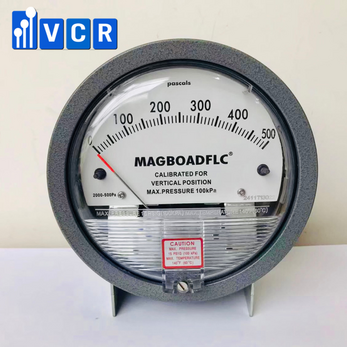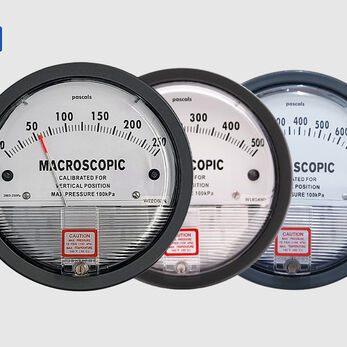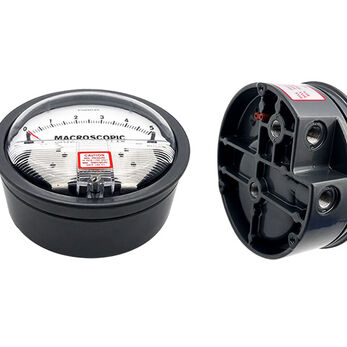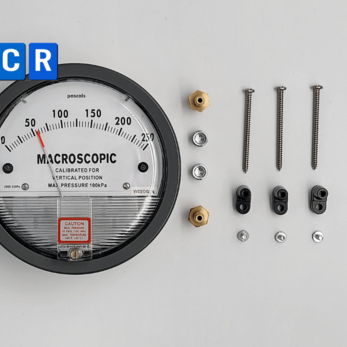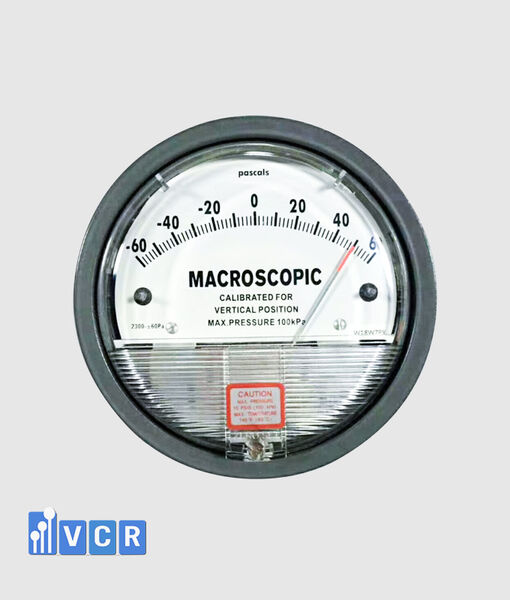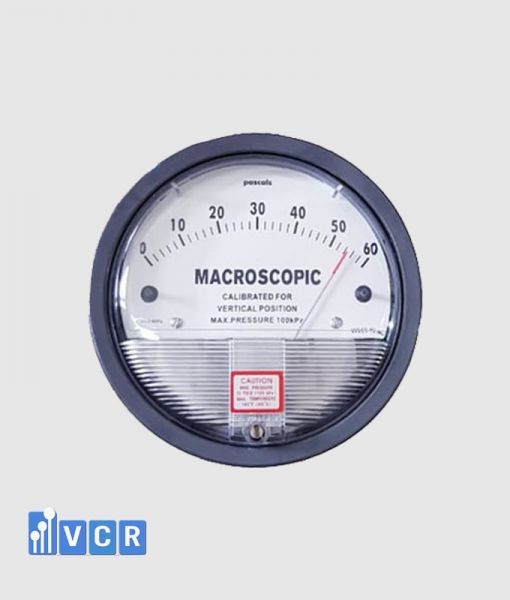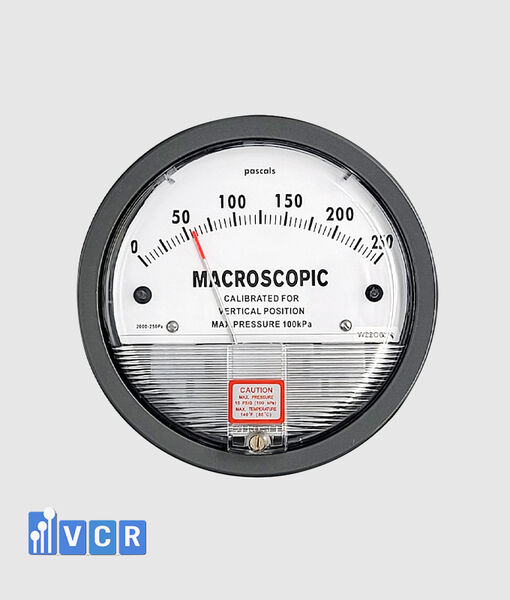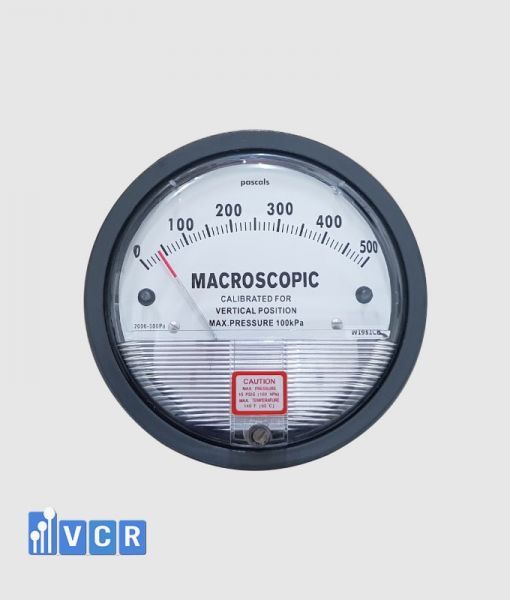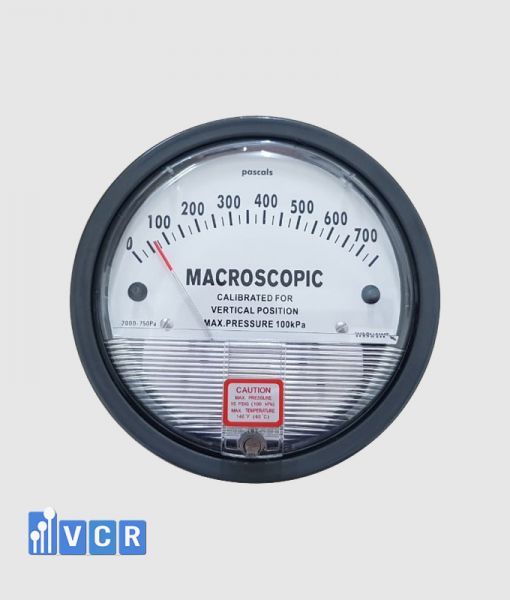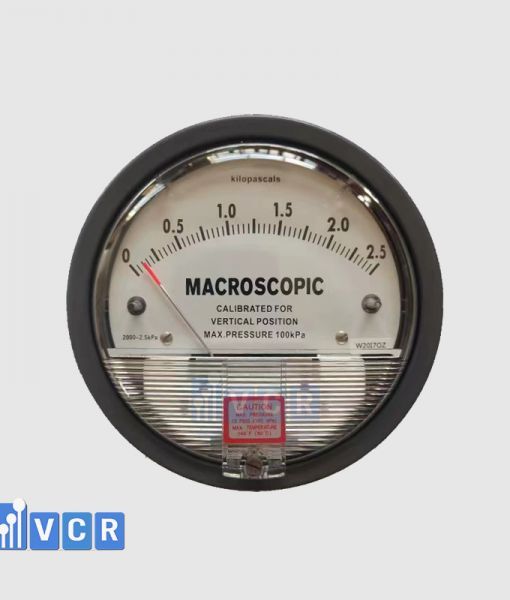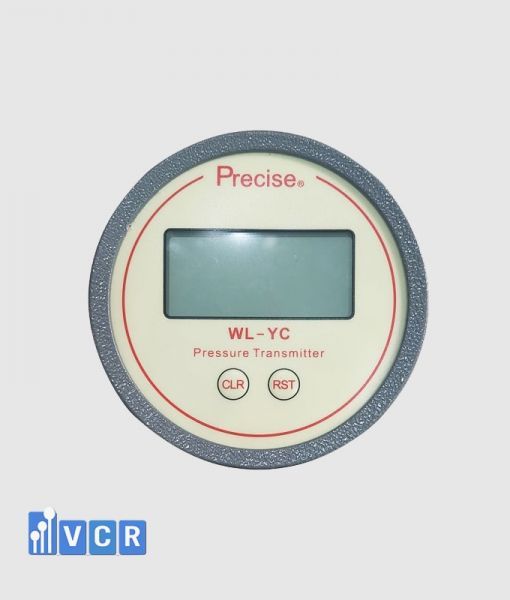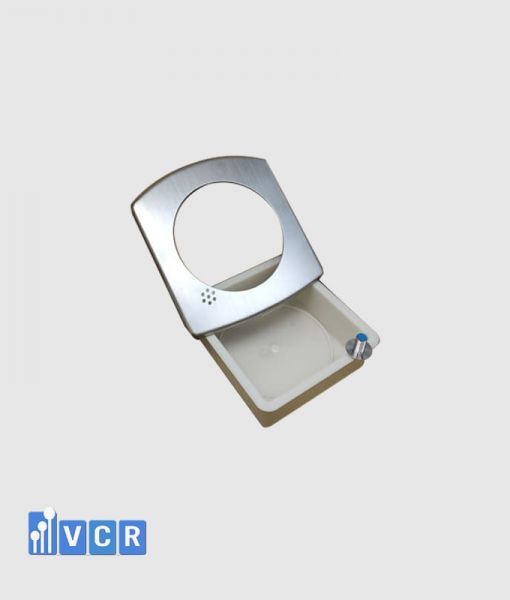

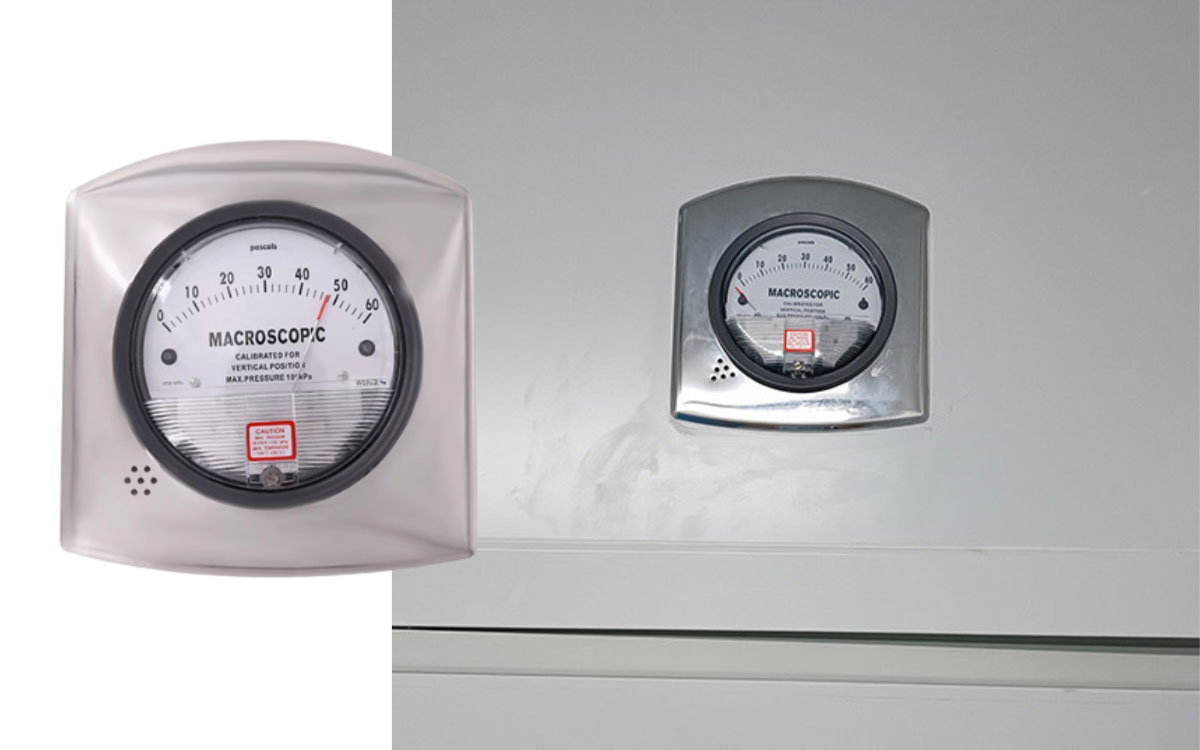
A differential pressure gauge in laboratories and testing centers helps control pressure between areas, maintain proper airflow direction, reduce cross-contamination, and support safe operation. It is commonly used in microbiology labs, PCR rooms, pharmaceutical testing labs, clean laboratories, negative pressure rooms, and controlled environments.
- What Is a Differential Pressure Gauge in Laboratories and Testing Centers?
- Why Do Laboratories Need Differential Pressure Gauges?
- Applications in Microbiology Laboratories
- Applications in PCR Rooms and Testing Areas
- Applications in Pharmaceutical Testing Laboratories
- Applications for Negative Pressure Rooms
- Applications for Biological Safety Cabinets and Fume Hoods
- What Measuring Range Should Be Selected for Laboratories?
- Mechanical Gauge or Electronic Sensor?
- Installation Considerations in Laboratories
- Where to Buy Differential Pressure Gauges for Laboratories?
- Frequently Asked Questions
- Conclusion
What Is a Differential Pressure Gauge in Laboratories and Testing Centers?
A differential pressure gauge in laboratories and testing centers is a device used to monitor pressure difference between two areas, two rooms, or two sides of an air filtration system. It helps operators verify whether pressure is maintained according to design, thereby controlling airflow direction, reducing cross-contamination, and protecting samples, operators, or the surrounding environment.
In laboratories, pressure is not only related to air cleanliness but also to biosafety, chemical vapor control, microbial control, sample protection, and testing reliability. If pressure is unstable, air may move in the wrong direction, increasing the risk of sample contamination or the spread of hazardous agents.
Differential pressure gauges are commonly installed in microbiology rooms, PCR rooms, pharmaceutical testing labs, food testing labs, clean laboratories, weighing rooms, sample preparation rooms, negative pressure rooms, buffer rooms, airlocks, biological safety cabinets, fume hoods, HEPA Boxes, AHU - Air Handling Unit, and FFU - Fan Filter Unit systems.
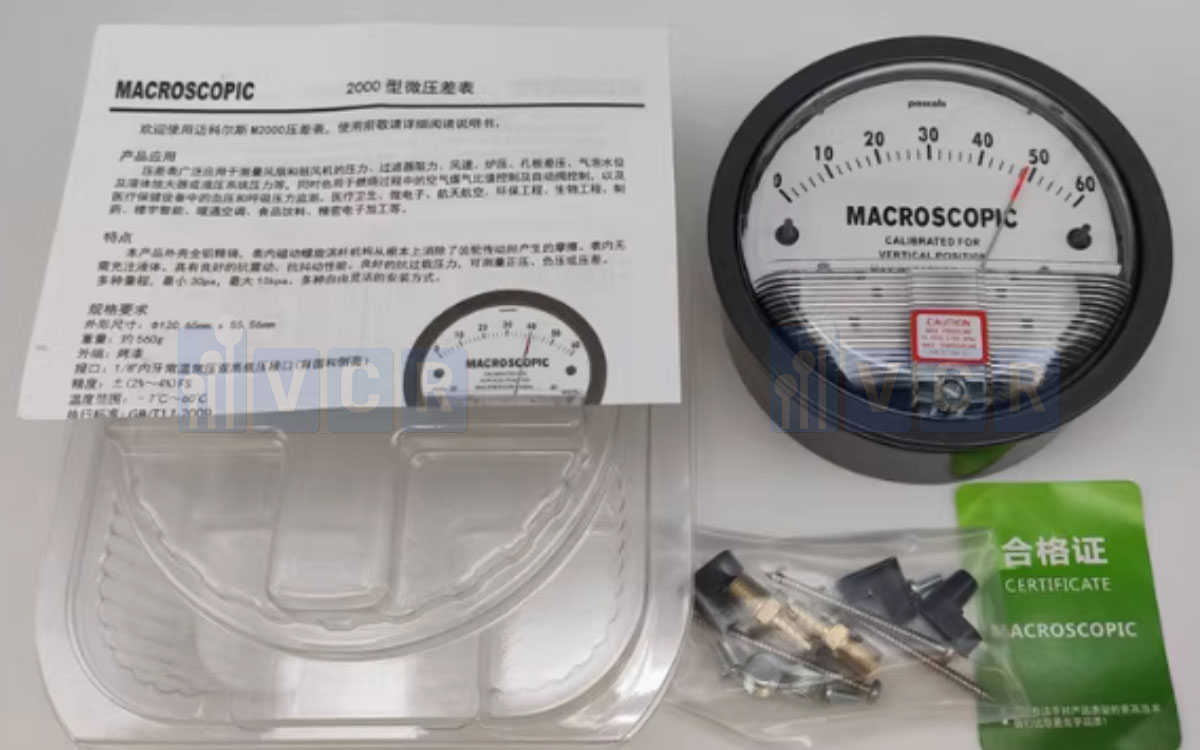
Why Do Laboratories Need Differential Pressure Gauges?
Laboratories need differential pressure gauges to control airflow direction between areas with different risk levels. For rooms designed to protect samples, air is usually controlled to prevent dust, microorganisms, or impurities from entering. For rooms designed to protect operators and the environment, negative pressure may be used to prevent hazardous agents from escaping.
In testing centers, many areas require separation, such as sample preparation rooms, analysis rooms, microbiology rooms, sample storage rooms, weighing rooms, chemical rooms, instrument rooms, and corridors. A differential pressure gauge helps confirm whether these areas are maintaining pressure zoning according to design.
When pressure readings change abnormally, engineering teams can inspect doors, sealing gaskets, interlocks, HVAC systems, HEPA filters, supply air diffusers, return air grilles, fans, dampers, or pressure tubing. This helps the testing center respond early before safety or analytical results are affected.
Applications in Microbiology Laboratories
In microbiology laboratories, a differential pressure gauge helps control airflow direction to reduce the risk of microorganisms moving into the wrong area. Depending on the design objective, a microbiology room may require negative pressure to prevent biological agents from escaping, or positive pressure to protect samples from less clean air.
The device is commonly installed between the microbiology room and buffer room, between the microbiology room and corridor, or between areas with different control levels. If pressure is not achieved, air may move incorrectly, increasing the risk of sample contamination or affecting biosafety.
VCR Cleanroom Equipment can advise on differential pressure gauges for microbiology laboratories, microbiological testing rooms, culture rooms, media preparation rooms, negative pressure rooms, and biosafety-controlled laboratory areas.
Applications in PCR Rooms and Testing Areas
PCR rooms and testing areas often require control of personnel flow, sample flow, airflow, and zoning to reduce cross-contamination. Differential pressure gauges help monitor pressure between sample preparation rooms, extraction rooms, master mix rooms, amplification rooms, and corridors.
For sensitive tests, cross-contamination can directly affect result reliability. If air moves from post-amplification areas back to sample preparation areas, contamination risk may increase. Therefore, monitoring pressure between rooms is an important part of process control.
A differential pressure gauge helps operators detect early when the air system is no longer maintaining the required state. The center can then inspect doors, HVAC systems, HEPA filters, airflow, and operating procedures before continuing testing.
Applications in Pharmaceutical Testing Laboratories
In pharmaceutical testing laboratories, differential pressure gauges support environmental control for analysis rooms, weighing rooms, sample preparation rooms, microbiology rooms, sterile rooms, and clean laboratories. The device helps maintain correct airflow direction and reduce cross-contamination between samples, chemicals, active ingredients, or operation areas.
Some testing rooms require positive pressure to protect samples from outside air. Other areas, especially those handling solvents, chemicals, or risk samples, may require negative pressure or fume hoods to protect operators and the surrounding environment.
When used in pharmaceutical testing labs, differential pressure gauges should have a suitable measuring range, clear readability, calibration capability, and proper technical documentation. This supports acceptance, internal inspection, and quality assessments.
Applications for Negative Pressure Rooms
Negative pressure rooms are used when hazardous agents, chemical vapors, dust, microorganisms, or toxic gases must be prevented from spreading outside. In laboratories and testing centers, these areas may include microbiology rooms, risk sample handling rooms, chemical rooms, isolation rooms, or special testing areas.
A differential pressure gauge for negative pressure rooms should use a negative or negative-positive range so operators can correctly read room status. If a one-direction positive range is used, operators may not confirm whether the room is maintaining negative pressure.
When negative pressure decreases, approaches zero, or fluctuates abnormally, doors, exhaust fans, exhaust systems, filters, dampers, and room tightness should be checked. For high-risk areas, a differential pressure sensor with alarm or 4-20mA signal to the monitoring system may be considered.
Applications for Biological Safety Cabinets and Fume Hoods
In addition to room pressure monitoring, differential pressure gauges may be used to monitor filter condition or airflow in laboratory equipment such as biological safety cabinets, fume hoods, or devices with HEPA filtration systems. The purpose is to check airflow resistance, filter condition, and the stability of supply or exhaust airflow.
For biological safety cabinets, stable airflow and HEPA filtration are important for sample safety, operator safety, and environmental protection. For fume hoods, airflow control helps prevent chemical vapors from spreading into the working area.
When selecting gauges for these devices, manufacturer recommendations, required measuring range, pressure tapping position, and monitoring purpose should be followed. One measuring range should not be used for both room pressure and filter or exhaust system pressure monitoring.
What Measuring Range Should Be Selected for Laboratories?
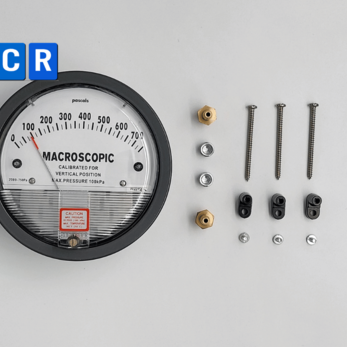
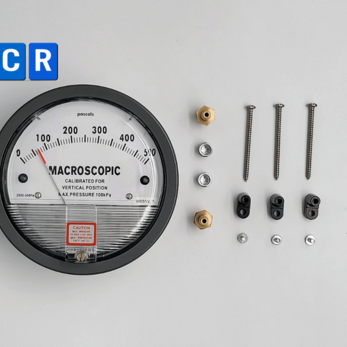
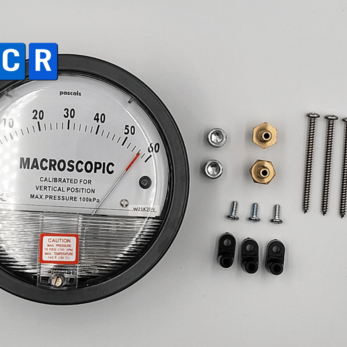
The measuring range should be selected according to the application. If monitoring differential pressure between two rooms, sensitive ranges such as 0–60 Pa or 0–125 Pa may be considered depending on designed pressure difference. These ranges help operators detect small room pressure changes.
If monitoring HEPA filters, HEPA Boxes, AHU, FFU, biological safety cabinets, or exhaust equipment, larger ranges such as 0–250 Pa, 0–500 Pa, or 0–750 Pa may be required depending on filter resistance and equipment design.
For negative pressure rooms, negative or negative-positive ranges should be selected. For rooms requiring continuous monitoring, alarms, or data logging, an electronic differential pressure gauge or sensor with 4-20mA signal may be considered for BMS/EMS or laboratory monitoring systems.
Mechanical Gauge or Electronic Sensor?
A mechanical differential pressure gauge is suitable for local reading points such as laboratory doors, buffer rooms, corridors, gowning rooms, sample weighing rooms, or technical areas. It is easy to read, easy to install, cost-effective, and suitable for many basic applications.
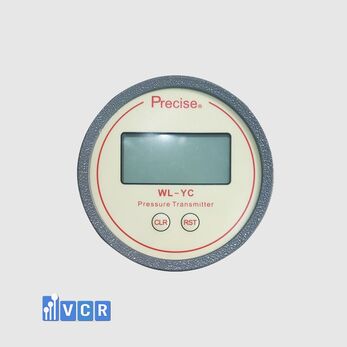
A differential pressure sensor or electronic gauge is suitable for areas requiring alarms, continuous monitoring, data logging, or central monitoring system connection. This type is especially suitable for negative pressure rooms, microbiology labs, PCR rooms, critical testing rooms, or areas requiring data traceability.
In many testing centers, a suitable solution is to combine local display and central monitoring. Operators can quickly read values at the installation point, while engineering and QA/QC teams can track pressure trends over time.
Installation Considerations in Laboratories
When installing a differential pressure gauge, it must be clear which two areas are being measured. Examples include “Microbiology Room / Corridor,” “PCR Room / Buffer Room,” or “Before HEPA Filter / After HEPA Filter.” Clear labeling helps operators interpret readings correctly.
Pressure tapping points should not be placed near frequently opened doors, supply air diffusers, return air grilles, fans, or disturbed airflow zones. Pressure tubing should be securely installed without bending, blockage, leakage, and should be easy to inspect during maintenance.
High and low pressure ports must be connected correctly. If reversed, the gauge may display the wrong direction, which is especially risky for negative pressure rooms. After installation, zero adjustment, reading stability, and periodic inspection/calibration should be included in the operating plan.
Where to Buy Differential Pressure Gauges for Laboratories?
Businesses can buy differential pressure gauges for laboratories and testing centers from VCR Cleanroom Equipment. VCR provides application-based consulting to help customers select the correct measuring range, installation position, gauge type, and documentation requirements.
VCR Cleanroom Equipment supplies differential pressure gauges for microbiology rooms, PCR rooms, pharmaceutical testing labs, food testing labs, sample weighing rooms, sample preparation rooms, negative pressure rooms, buffer rooms, airlocks, HEPA Boxes, AHU - Air Handling Unit, FFU - Fan Filter Unit, biological safety cabinets, fume hoods, and laboratory HVAC systems.
When requesting consultation, businesses should provide room type, measurement purpose, reference area, positive or negative pressure requirement, desired range, quantity, CO/CQ requirements, calibration certificate needs, and BMS/EMS connection requirements if any. From there, VCR can recommend a suitable solution for actual operation needs.
Frequently Asked Questions
Do Laboratories Need Differential Pressure Gauges?
Yes. Laboratories need differential pressure gauges to control airflow direction, reduce cross-contamination, and protect samples, operators, or the environment. The device is especially important for microbiology rooms, PCR rooms, negative pressure rooms, pharmaceutical testing labs, and areas requiring strict air control.
What Range Should a Testing Center Use?
If monitoring room-to-room pressure, 0–60 Pa or 0–125 Pa may be considered. If monitoring HEPA filters, AHU, FFU, HEPA Boxes, biological safety cabinets, or exhaust systems, 0–250 Pa, 0–500 Pa, or 0–750 Pa may be required. For negative pressure rooms, negative or negative-positive ranges should be selected.
Where Should Pressure Be Monitored in PCR Rooms?
PCR rooms often require pressure monitoring between sample preparation rooms, extraction rooms, reaction preparation rooms, amplification rooms, and corridors or buffer rooms. The purpose is to control airflow direction, reduce cross-contamination, and support test result reliability. Installation points should follow the zoning design of each laboratory.
What Type Should Be Used for Negative Pressure Laboratory Rooms?
Negative pressure laboratory rooms should use a differential pressure gauge with a negative or negative-positive range to correctly display pressure status. For high-risk areas, an electronic type with alarm or 4-20mA signal should be considered for continuous monitoring. VCR Cleanroom Equipment can advise on suitable models for each area.
Conclusion
A differential pressure gauge in laboratories and testing centers is an important device for controlling pressure, airflow direction, cross-contamination, biosafety, and analytical environment stability. When selecting the device, businesses should define the measurement purpose, range, pressure tapping position, positive or negative pressure requirement, calibration needs, and central monitoring requirements.
If your business needs differential pressure gauges for laboratories, microbiology rooms, PCR rooms, testing centers, or negative pressure rooms, contact VCR Cleanroom Equipment for support in selecting the correct range, application, and solution for actual operating needs.