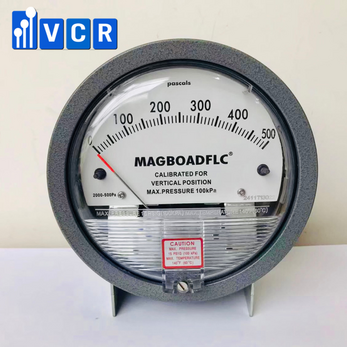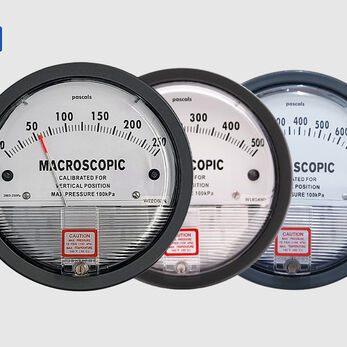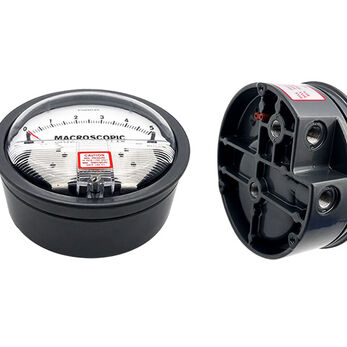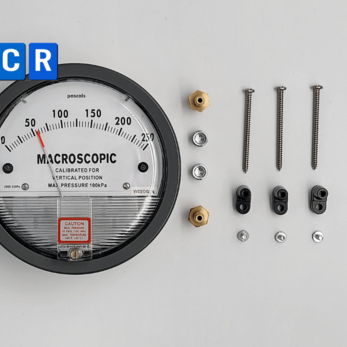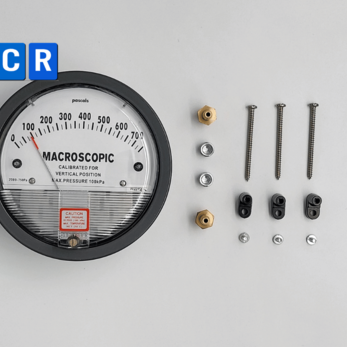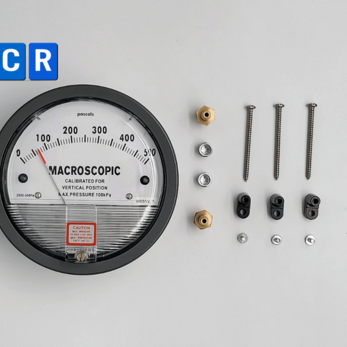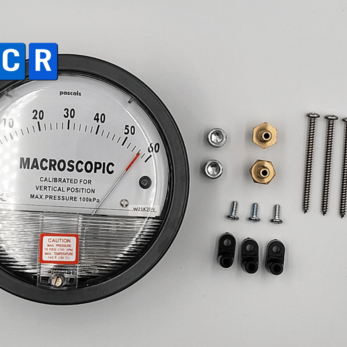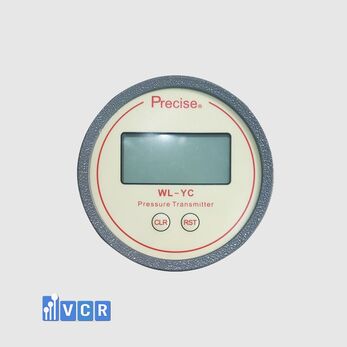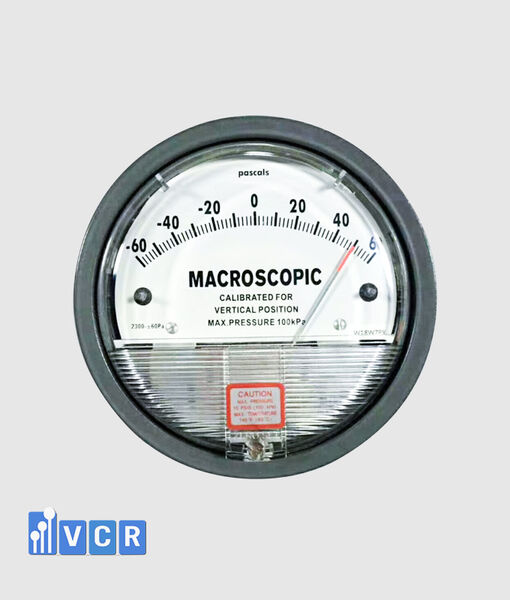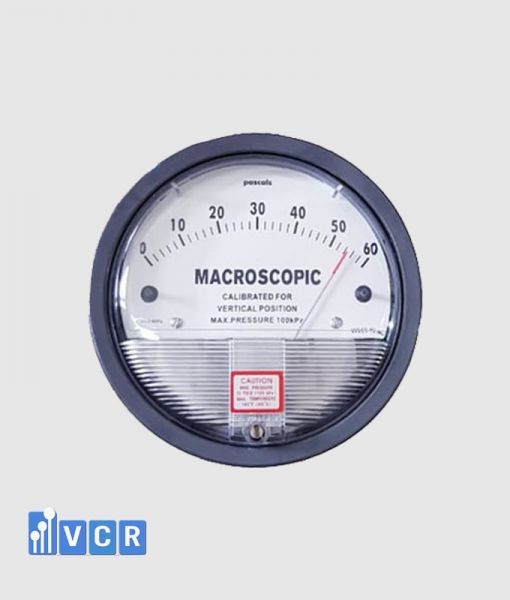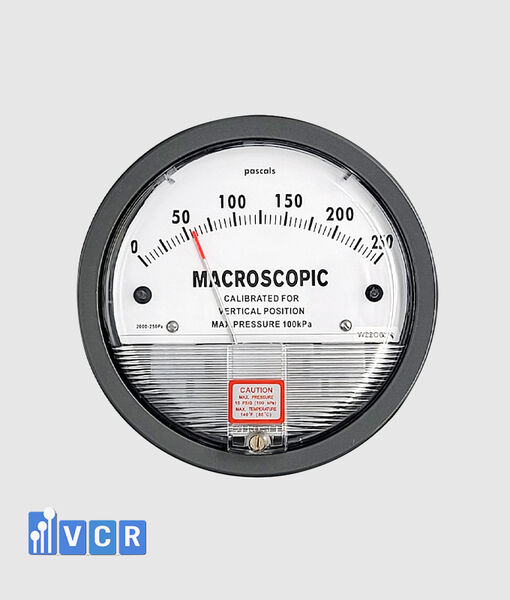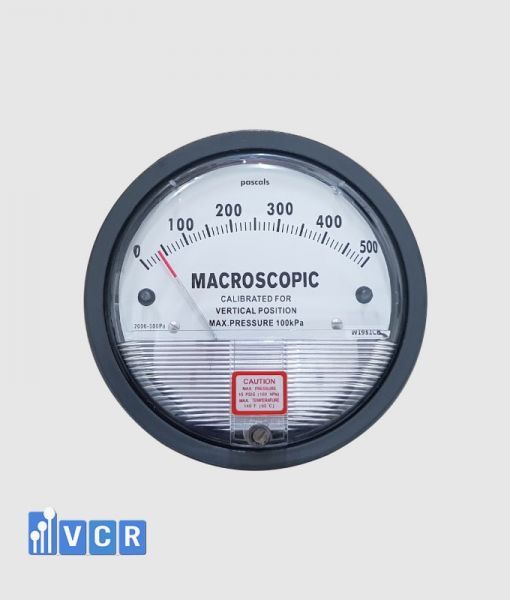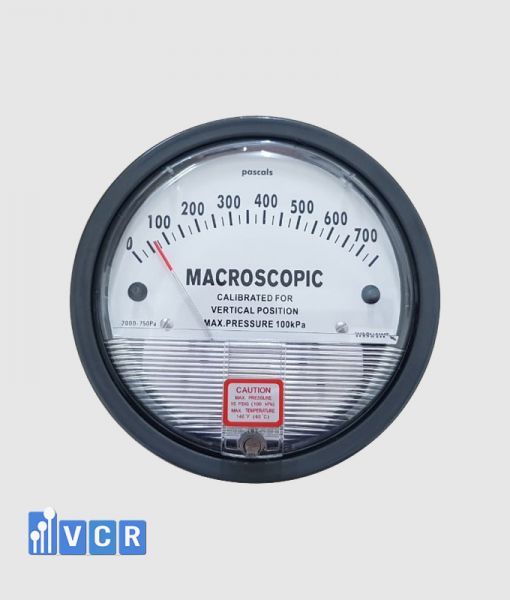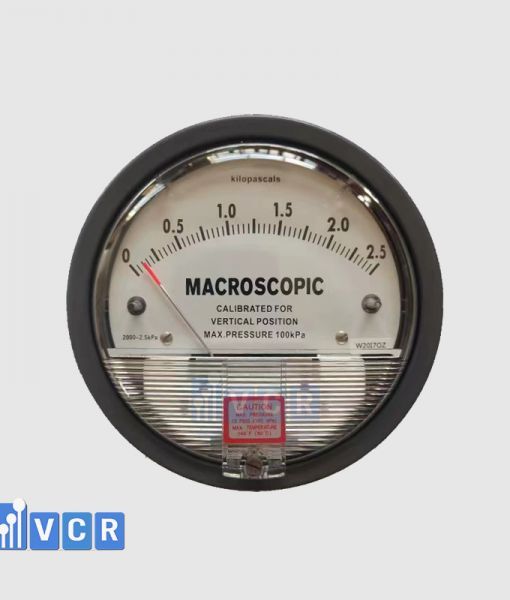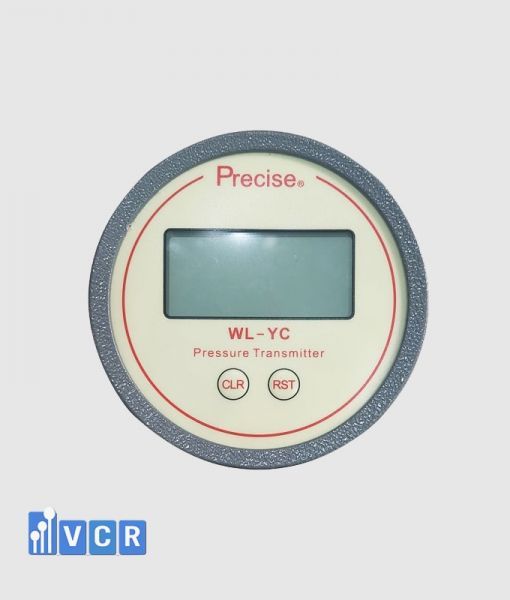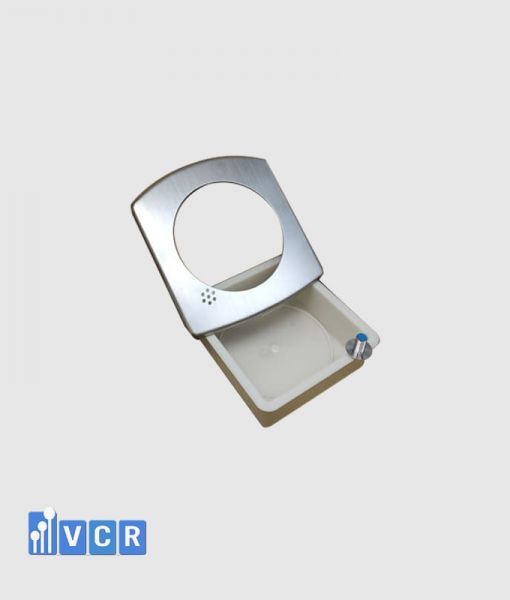

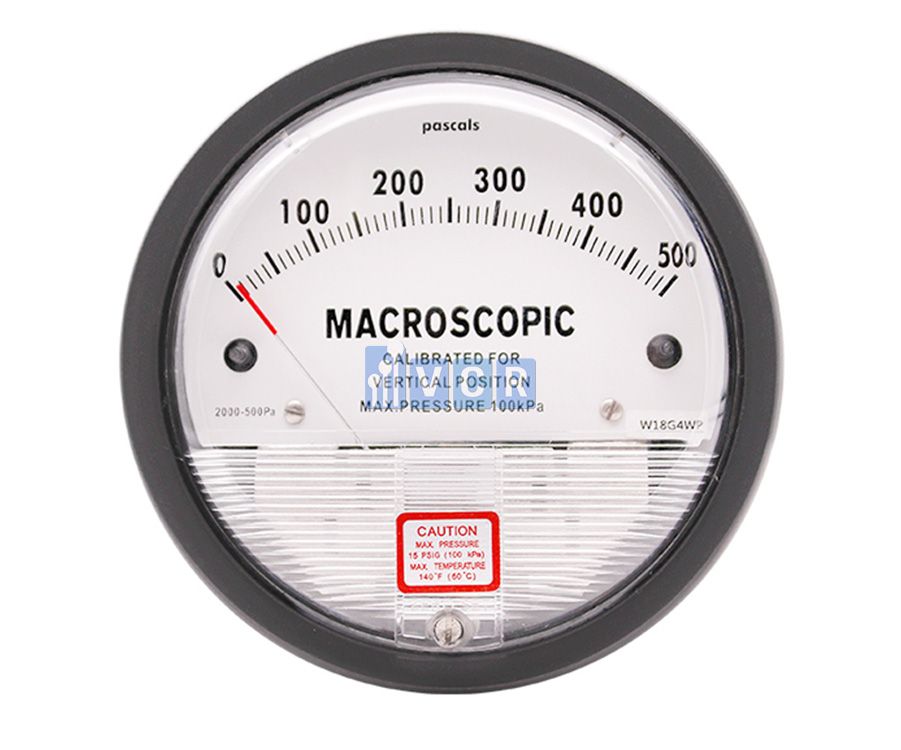
Buying a differential pressure gauge from a cleanroom equipment specialist helps ensure the right range, correct installation, and suitability for GMP, ISO 14644, and HVAC systems.
- Why Should You Buy a Differential Pressure Gauge from a Cleanroom Equipment Specialist?
- A Differential Pressure Gauge Is More Than a Measuring Device
- Benefits of Buying from a Cleanroom Equipment Specialist
- Risks of Buying from a Non-Specialized Supplier
- When Should Businesses Prioritize a Cleanroom Equipment Specialist?
- What Are the Benefits of Buying from VCR Cleanroom Equipment?
- Frequently Asked Questions
- Is It Necessary to Buy a Differential Pressure Gauge from a Cleanroom Equipment Specialist?
- How Is a Cleanroom Differential Pressure Gauge Different from a Regular Gauge?
- Why Shouldn’t Businesses Choose a Differential Pressure Gauge Only Based on Low Price?
- Can a Cleanroom Equipment Specialist Help Select the Measuring Range?
- What Information Should Be Provided When Buying a Differential Pressure Gauge?
- Which Industries Are Suitable for Differential Pressure Gauges from VCR?
- Conclusion
Why Should You Buy a Differential Pressure Gauge from a Cleanroom Equipment Specialist?
You should buy a differential pressure gauge from a cleanroom equipment specialist because this device is not just a simple pressure measuring instrument. In cleanrooms, a differential pressure gauge is directly related to room pressure control, airflow direction, HEPA filter condition, HVAC operating efficiency, and cross-contamination risk. If the wrong device is selected or the pressure tapping points are installed incorrectly, the displayed reading may not reflect the actual cleanroom condition.
A cleanroom equipment specialist understands what the differential pressure gauge is used for: measuring pressure difference between two rooms, monitoring cleanroom pressure against a corridor, checking differential pressure across HEPA filters, or monitoring AHU - Air Handling Unit, FFU - Fan Filter Unit, Pass Boxes, Air Showers, weighing LAF, or HEPA filter boxes. Each application requires a different measuring range, tapping point arrangement, installation method, and operating standard.
For GMP factories, ISO 14644 cleanrooms, hospitals, laboratories, pharmaceutical, food, cosmetic, electronics, and semiconductor facilities, selecting the right differential pressure gauge helps the system operate more stably. Operators can visually monitor pressure, detect abnormalities early, and have a basis for inspection when filters become dust-loaded, rooms lose pressure, fans weaken, or the HVAC system becomes unbalanced.
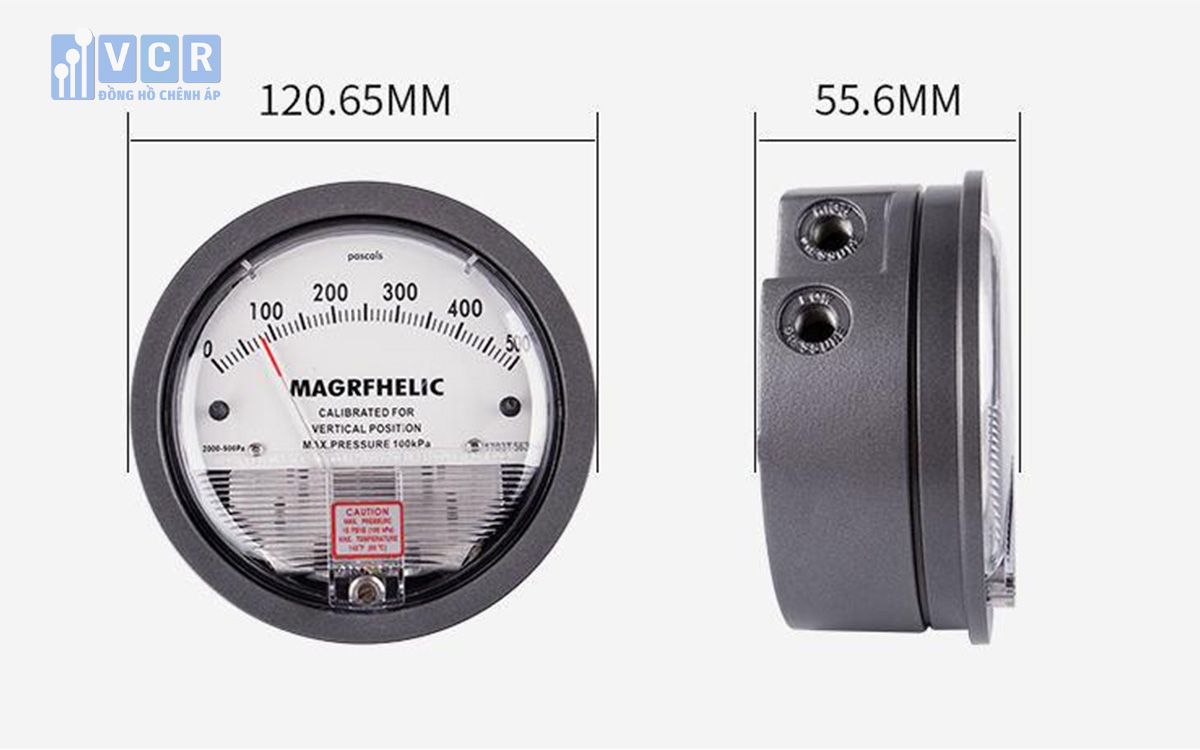
A Differential Pressure Gauge Is More Than a Measuring Device
Many businesses assume that choosing a gauge with a seemingly suitable scale is enough. However, in cleanroom environments, a differential pressure gauge is part of the environmental control system. It helps confirm whether pressure is being maintained according to the design, whether air is moving in the correct direction, and whether the filtration system is operating stably.
If an unsuitable gauge is used, many operational problems may occur. A measuring range that is too large makes small changes difficult to observe. A range that is too small may cause the pointer to exceed the scale when the system changes. An unstable gauge that is difficult to calibrate or lacks technical documentation may also create difficulties during internal inspections, GMP audits, or system acceptance.
A cleanroom equipment specialist does not simply sell a product; they provide consulting based on the actual application. They can help determine whether the gauge is used for a cleanroom, cleanroom equipment, or an HVAC system, and then recommend a more suitable gauge type, measuring range, and installation method.
Benefits of Buying from a Cleanroom Equipment Specialist
The first benefit is selecting the correct measuring range. Differential pressure between a cleanroom and a corridor is often different from differential pressure across HEPA filters, AHU - Air Handling Unit, or FFU - Fan Filter Unit. A specialized supplier can recommend a suitable range so the reading is easy to observe, sensitive enough, and aligned with the control objective.
The second benefit is reducing the risk of incorrect pressure tapping point installation. For room differential pressure measurement, tapping points should avoid locations affected by doors, air diffusers, or direct airflow. For filter differential pressure measurement, the two pressure ports must be placed correctly before and after the filter. If tapping points are incorrect, the gauge may still display a value, but that value may have little practical operational meaning.
The third benefit is choosing the right gauge type based on usage requirements. For areas that only require on-site observation, a mechanical differential pressure gauge may be suitable. For areas requiring alarms, signal transmission, or continuous monitoring, electronic gauges, differential pressure sensors, or gauges with alarm contacts should be considered.
The fourth benefit is better suitability for GMP, ISO 14644, and cross-contamination control requirements. In cleanrooms, pressure is not only a technical operating parameter but also a factor related to product quality. Buying from a supplier that understands cleanrooms helps businesses reduce the risk of using the wrong device in critical areas.
Risks of Buying from a Non-Specialized Supplier
The most common risk is choosing the wrong scale. Many suppliers sell based on available models without evaluating the actual application. As a result, the gauge may be difficult to read, insufficiently sensitive, or unsuitable for the differential pressure level that needs to be controlled.
The second risk is lack of installation guidance. A differential pressure gauge is only valuable when the pressure tapping points are arranged correctly. If the supplier does not understand cleanrooms, HVAC systems, HEPA filtration, or room pressure control, the business may have to handle the technical details by itself, increasing the risk of mistakes.
The third risk is limited after-sales support. During operation, businesses may need advice on calibration, pressure tubing inspection, zero-return issues, fluctuating readings, or how to evaluate abnormal differential pressure. Non-specialized suppliers often cannot provide in-depth support for these issues.
The fourth risk is poor compatibility with quality documentation requirements. In GMP factories, hospitals, laboratories, or strictly controlled areas, measuring devices should have clear documentation, technical specifications, and calibration capability. If an unsuitable device is purchased, the business may face difficulties during audits, acceptance, or record traceability.
When Should Businesses Prioritize a Cleanroom Equipment Specialist?
Businesses should prioritize a cleanroom equipment specialist when the differential pressure gauge is installed in areas with strict pressure control requirements. These areas may include GMP cleanrooms, airlocks, clean corridors, weighing rooms, preparation rooms, filling rooms, laboratories, isolation rooms, operating rooms, HEPA filter boxes, Pass Boxes, Air Showers, AHU - Air Handling Unit, and FFU - Fan Filter Unit systems.
A specialized supplier is also important when the business is unsure whether to use a mechanical or electronic gauge, what measuring range is suitable, where pressure tapping points should be placed, or whether alarm functions are required. These factors directly affect the accuracy and operational value of the device.
For new projects, cleanroom renovation, or replacement of old devices, proper consulting from the beginning helps reduce correction costs. A suitable differential pressure gauge supports long-term operation, is easier to inspect and maintain, and provides real value in environmental control.
What Are the Benefits of Buying from VCR Cleanroom Equipment?
VCR Cleanroom Equipment can recommend differential pressure gauges based on each customer’s actual application. Instead of simply choosing a generic model, VCR helps determine whether the device is used for room pressure measurement, HEPA filter differential pressure, AHU - Air Handling Unit, FFU - Fan Filter Unit, Pass Boxes, Air Showers, or other cleanroom equipment.
VCR can support customers in selecting the measuring range, gauge type, installation position, calibration requirements, alarm needs, and system connection capability if required. This helps businesses reduce the risk of choosing the wrong device, installing tapping points incorrectly, or using a gauge that does not match actual operating conditions.
For pharmaceutical, food, cosmetic, electronics, semiconductor, hospital, laboratory, and controlled-environment facilities, buying from a cleanroom equipment specialist makes device selection safer and more practical. Businesses are not only buying a gauge; they are receiving guidance so the device can perform its proper role in the cleanroom system.
Frequently Asked Questions
Is It Necessary to Buy a Differential Pressure Gauge from a Cleanroom Equipment Specialist?
Yes. A differential pressure gauge in cleanrooms is related to room pressure, airflow, HEPA filtration, and cross-contamination control, so it should be selected according to the actual application. A cleanroom equipment specialist can recommend a more suitable measuring range, gauge type, and tapping point arrangement than simply buying an available model. VCR Cleanroom Equipment can support businesses in selecting the right device for each application area.
How Is a Cleanroom Differential Pressure Gauge Different from a Regular Gauge?
A cleanroom differential pressure gauge is usually selected based on a low measuring range, clear readability, stability, and suitability for pressure-controlled environments. The device does not only display pressure; it also supports evaluation of cleanroom status, HEPA filter condition, or HVAC system performance. Therefore, it should be selected from a supplier that understands cleanroom applications to avoid using the wrong device.
Why Shouldn’t Businesses Choose a Differential Pressure Gauge Only Based on Low Price?
Choosing a differential pressure gauge only based on low price may lead to the wrong measuring range, poor readability, insufficient documentation, calibration difficulty, or poor suitability for cleanroom environments. When a measuring device is not reliable, operators may misjudge pressure conditions and detect abnormalities too late. For GMP, ISO 14644, or cross-contamination control areas, suitability and technical consulting should be prioritized.
Can a Cleanroom Equipment Specialist Help Select the Measuring Range?
Yes. This is one of the key benefits of buying from a specialized supplier. The measuring range of a differential pressure gauge must match the application, such as room pressure monitoring, HEPA filter monitoring, AHU - Air Handling Unit, FFU - Fan Filter Unit, or cleanroom equipment. VCR Cleanroom Equipment can recommend a suitable range so the reading is clear and operationally meaningful.
What Information Should Be Provided When Buying a Differential Pressure Gauge?
When buying a differential pressure gauge, businesses should provide the installation location, measurement purpose, expected pressure difference, room or equipment type, calibration requirements, alarm requirements, and actual operating conditions. This information helps the supplier select the correct gauge type and measuring range. If the information is not yet complete, VCR Cleanroom Equipment can help define the requirements based on the specific application.
Which Industries Are Suitable for Differential Pressure Gauges from VCR?
Differential pressure gauges from VCR Cleanroom Equipment are suitable for pharmaceutical, food, cosmetic, electronics, semiconductor, hospital, laboratory, vaccine, biopharmaceutical, and other facilities with cleanrooms or pressure-controlled areas. VCR can provide consulting for cleanrooms, HEPA filter boxes, AHU - Air Handling Unit, FFU - Fan Filter Unit, Pass Boxes, Air Showers, and related HVAC applications.
Conclusion
Buying a differential pressure gauge from a cleanroom equipment specialist helps businesses select the right device, measuring range, installation position, and application method. This is important for controlling room pressure, airflow, HEPA filtration, HVAC systems, and cross-contamination risks in strictly controlled environments.
If your business needs differential pressure gauges for cleanrooms, GMP factories, hospitals, laboratories, HEPA filter boxes, AHU - Air Handling Unit, FFU - Fan Filter Unit, or other cleanroom equipment, contact VCR Cleanroom Equipment for support in selecting the right solution for actual operating needs.