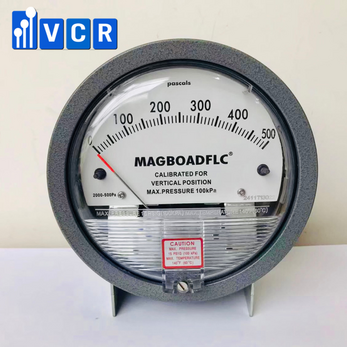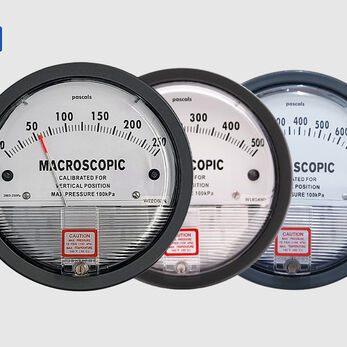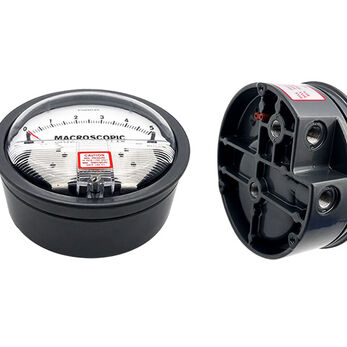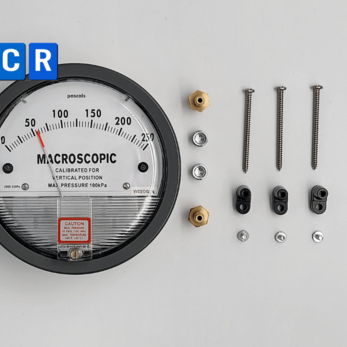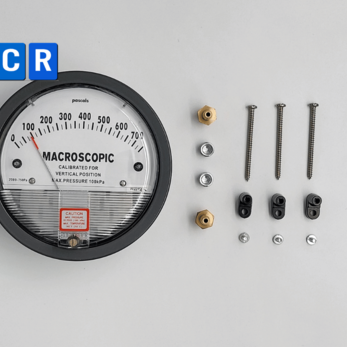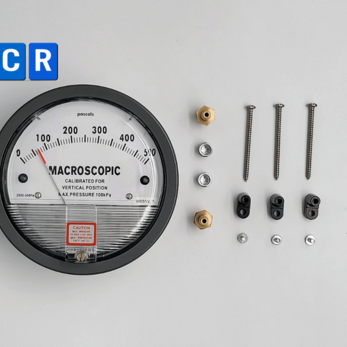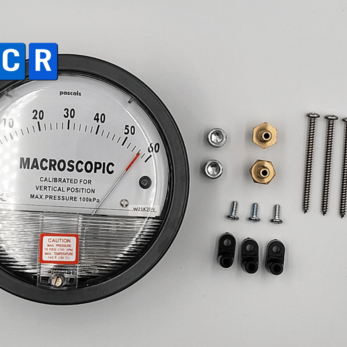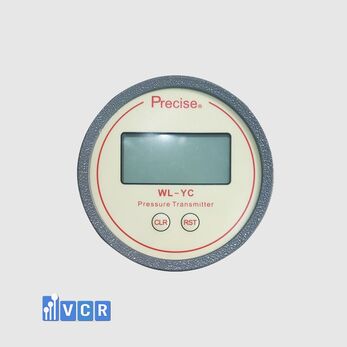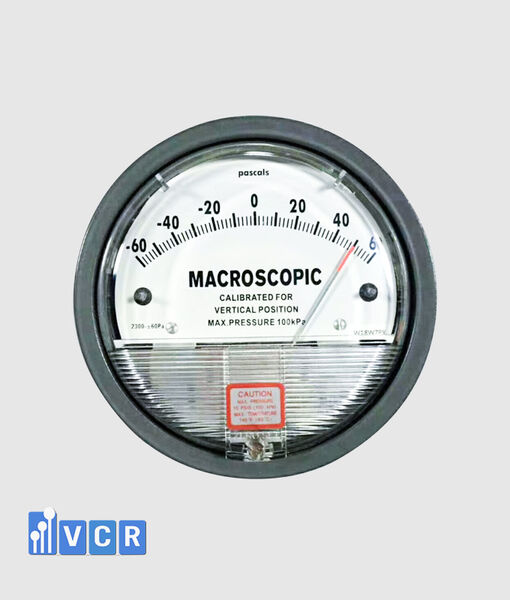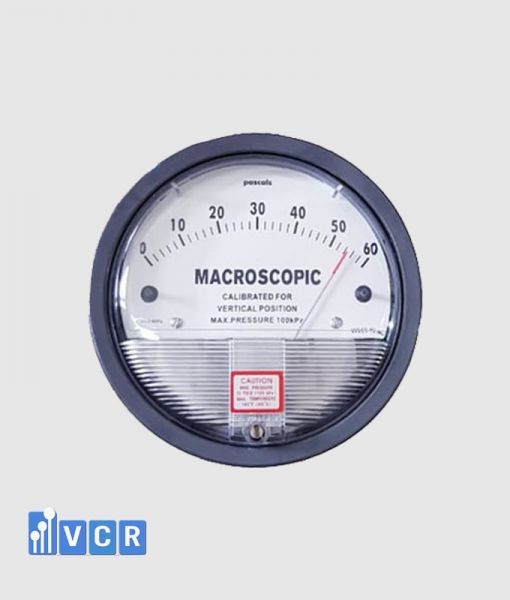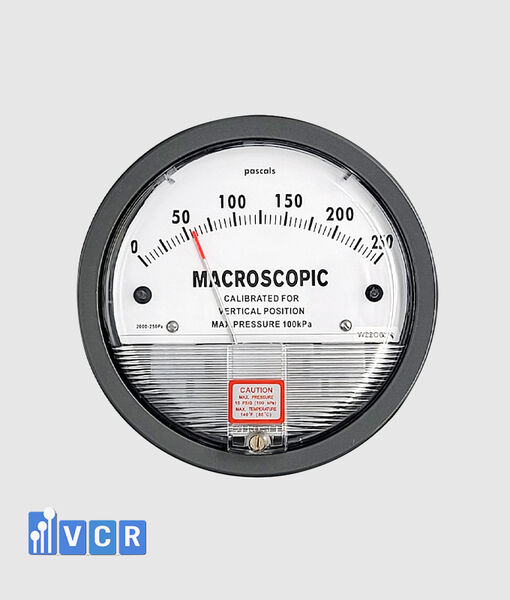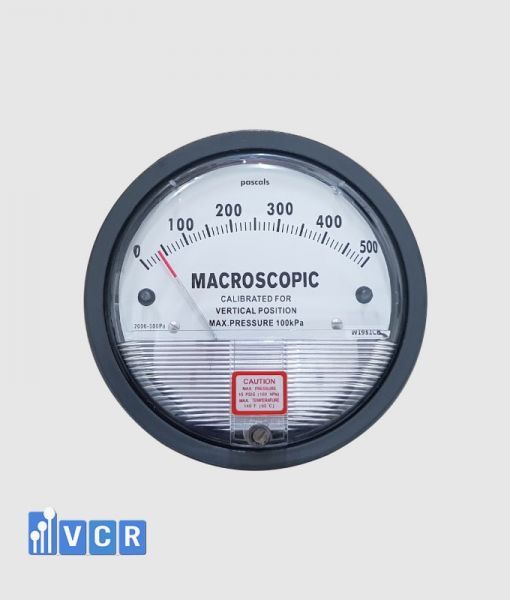

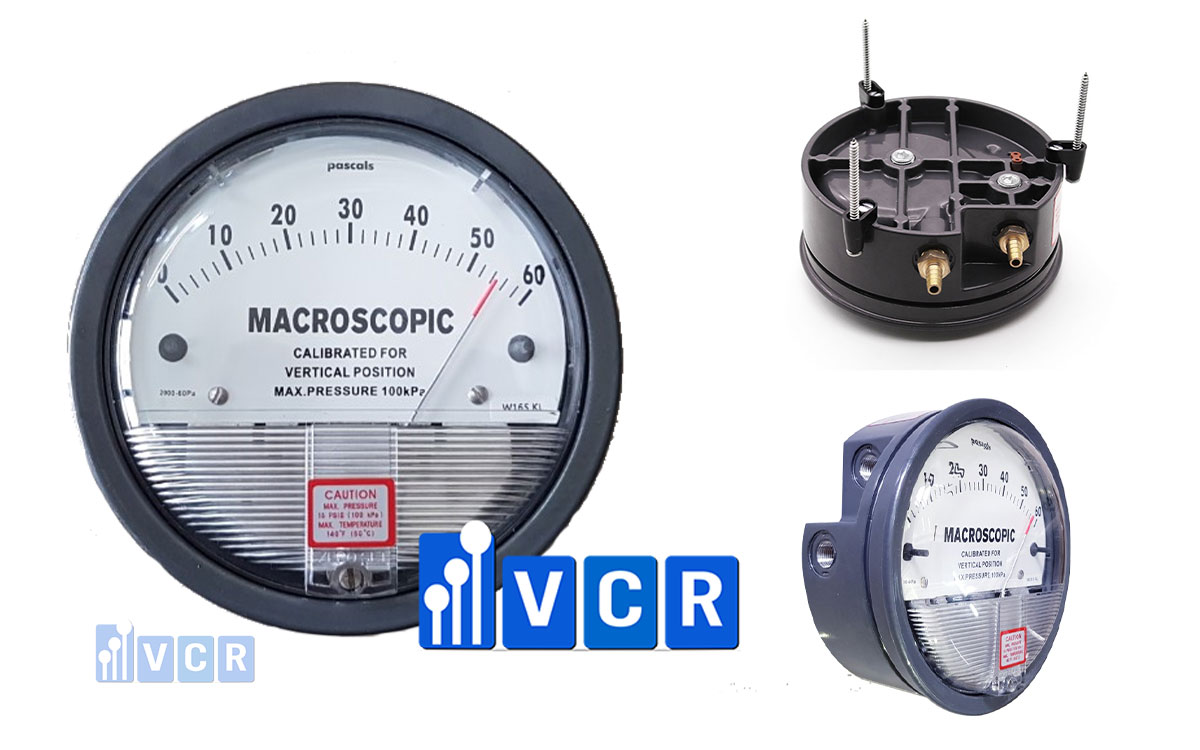
A differential pressure gauge for cleanroom gowning areas helps control pressure between gowning rooms, clean corridors, buffer rooms, and production areas. It supports proper airflow direction and reduces dust, particles, and cross-contamination risks before personnel enter the cleanroom.
- What Is a Differential Pressure Gauge for Cleanroom Gowning Areas?
- Why Do Cleanroom Gowning Areas Need Differential Pressure Monitoring?
- Installation Position in Cleanroom Gowning Areas
- What Measuring Range Should Be Selected?
- Mechanical Gauge or Electronic Sensor?
- Installation Considerations for Gowning Rooms
- Common Mistakes When Selecting Gauges for Gowning Areas
- Where to Buy Differential Pressure Gauges for Cleanroom Gowning Areas?
- Frequently Asked Questions
- Conclusion
What Is a Differential Pressure Gauge for Cleanroom Gowning Areas?
A differential pressure gauge for cleanroom gowning areas is a device used to monitor pressure difference between the gowning room and adjacent areas such as corridors, buffer rooms, airlocks, or clean production rooms. It helps operators check whether the gowning area pressure is maintained according to the design.
The gowning area is where personnel transition from the outside environment into the cleanroom. This area can carry dust, hair, fibers, particles, and microorganisms into the cleanroom system if it is not properly controlled. Therefore, besides gowning procedures, Air Showers, interlocks, and personal hygiene, pressure control is also important.
A differential pressure gauge helps verify airflow direction between different zones. When pressure is maintained correctly, air moves in the designed direction, reducing the risk of contamination moving from less clean areas into cleaner areas.
Why Do Cleanroom Gowning Areas Need Differential Pressure Monitoring?
Cleanroom gowning areas need differential pressure monitoring because they are transition zones between the outside environment and the cleanroom. If pressure is not controlled, air from less clean areas may enter cleaner areas, increasing the risk of dust and particles entering production rooms.
In pharmaceutical, cosmetic, food, medical device, electronics, and semiconductor factories, personnel are one of the major particle sources. Therefore, gowning areas should be designed to gradually reduce contamination risk before operators enter the cleanroom.
A differential pressure gauge helps engineering and QA/QC teams monitor the pressure status of the gowning area. When readings drop, fluctuate, or move outside the expected range, the facility can inspect doors, sealing gaskets, interlocks, HVAC systems, air diffusers, HEPA filters, or pressure tubing.
Installation Position in Cleanroom Gowning Areas
A differential pressure gauge is usually installed in an easy-to-observe position, near doors or on cleanroom panels. Operators, engineers, or QA/QC staff can quickly check the reading before entering production areas or during periodic inspections.
Common monitoring points include between the external corridor and the first gowning room, between the gowning room and buffer room, between the clean gowning room and clean corridor, or between the gowning area and production room. If the gowning area has multiple stages such as shoe changing, hand washing, clean garment changing, and airlock, each transition point may require separate pressure monitoring.
Pressure tapping points should represent the actual pressure of each area. They should not be placed too close to frequently opened doors, supply air diffusers, return air grilles, or strong airflow zones because readings may fluctuate and fail to reflect actual pressure status.
What Measuring Range Should Be Selected?
Cleanroom gowning areas usually require a sensitive measuring range because pressure differences between rooms are often not very large. Ranges such as 0–60 Pa or 0–125 Pa are commonly considered for monitoring pressure between gowning rooms, buffer rooms, and clean corridors, depending on the pressure design of each project.
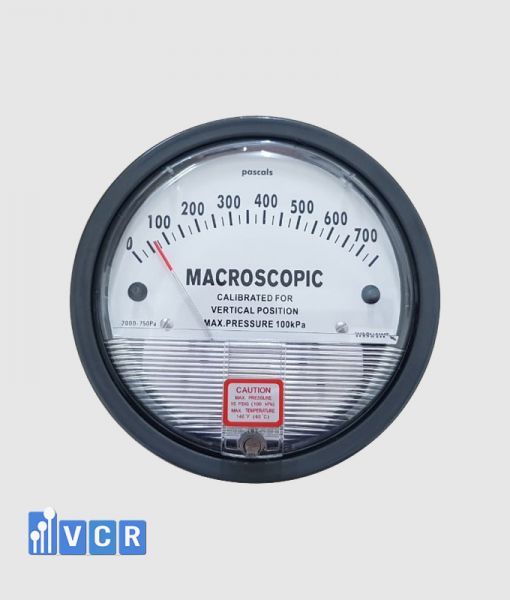
If the gowning area is a positive pressure room, a suitable positive range may be selected. If the area needs to monitor both negative and positive pressure, a negative-positive range should be considered. Large ranges such as 0–500 Pa or 0–750 Pa should not be selected for room pressure monitoring because the pointer may move very little during small pressure changes.
The practical principle is that the normal operating value should fall within an easy-to-read area on the gauge. If the correct range is unclear, businesses should provide pressure zoning diagrams, installation positions, and measurement purposes so VCR Cleanroom Equipment can advise more accurately.
Mechanical Gauge or Electronic Sensor?
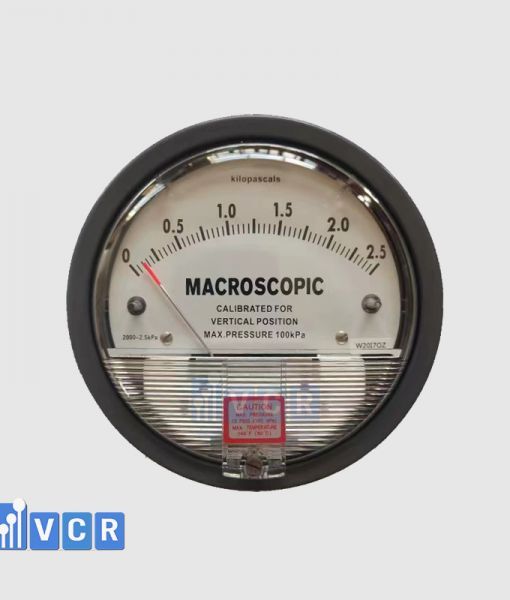
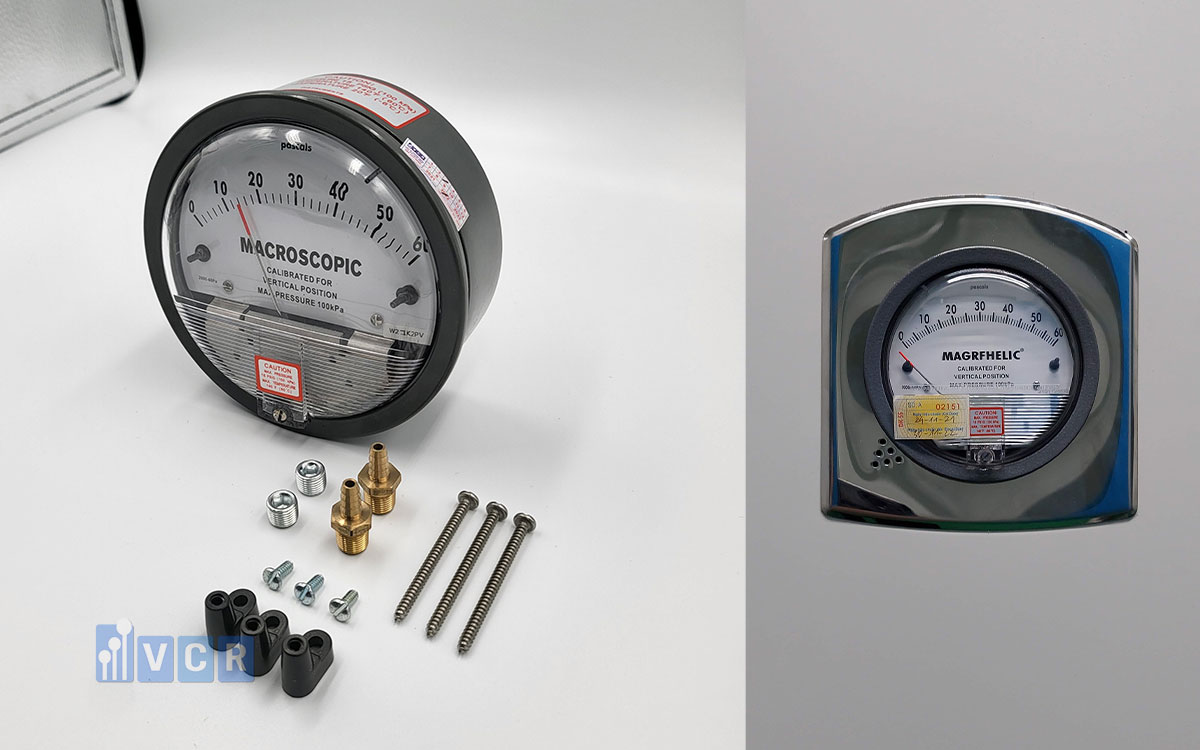
For cleanroom gowning areas, mechanical differential pressure gauges are commonly used because they are easy to read, easy to install, cost-effective, and suitable for local observation. Operators can directly observe the reading to know whether pressure between areas is stable.
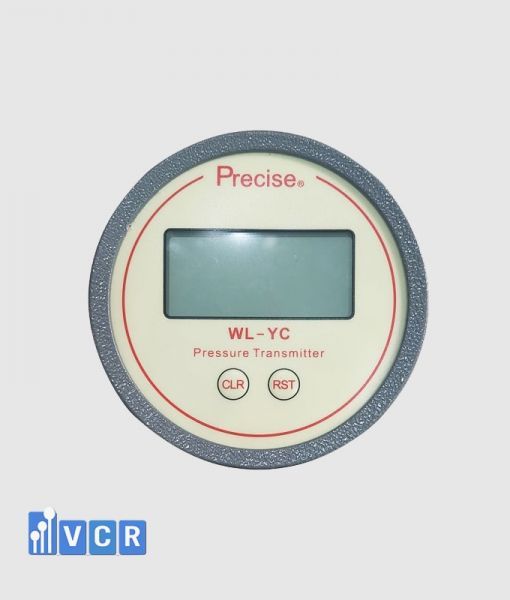
However, if the gowning area belongs to a critical GMP facility, requires alarms when pressure exceeds limits, data logging, or BMS/EMS connection, an electronic differential pressure gauge or sensor with 4-20mA signal should be considered. This supports continuous monitoring and data traceability during quality assessments.
In many projects, a suitable solution is to use mechanical gauges at local observation points and electronic sensors at critical monitoring points. This balances cost, operation, and data management requirements.
Installation Considerations for Gowning Rooms
When installing a differential pressure gauge for a gowning room, high and low pressure ports must be connected correctly. If reversed, the gauge may display the wrong direction and cause operators to misunderstand the pressure status between areas.
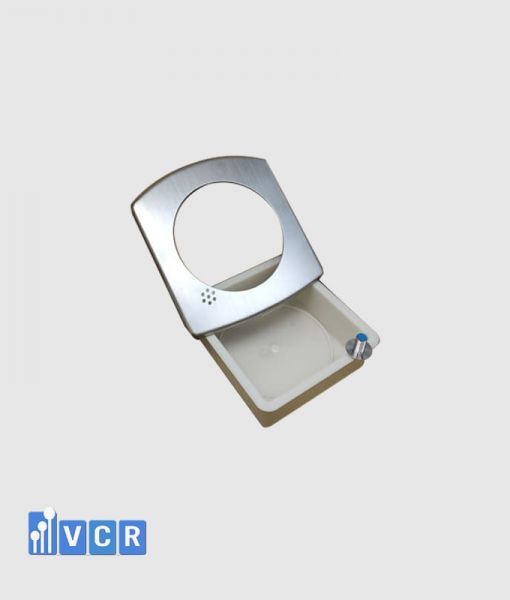
Pressure tubing should be securely installed without bending, blockage, leakage, or strong vibration influence. In gowning areas, the installation position should not obstruct gowning operations, cleaning, personnel movement, or material carts.
The gauge should be clearly labeled to show which two areas are being measured, such as “Gowning Room / Clean Corridor” or “Gowning Room / Airlock.” Clear labeling helps operators understand the reading correctly and supports periodic inspection.
Common Mistakes When Selecting Gauges for Gowning Areas
The first mistake is selecting a range that is too large. Gowning areas usually need to monitor small pressure differences, so an oversized range makes pointer movement difficult to observe.
The second mistake is not defining the reference area clearly. A gauge is meaningful only when it is clear which area the gowning room is being compared with. Without clear labeling, operators may misunderstand pressure status.
The third mistake is placing pressure tapping points in disturbed airflow zones. If tapping points are near air diffusers, doors, or strong airflow, readings may fluctuate and become unstable.
The fourth mistake is installing the gauge without periodic inspection. Gauges, pressure tubing, or ports may drift, become blocked, or leak over time. Therefore, the device should be included in an appropriate inspection and calibration plan.
Where to Buy Differential Pressure Gauges for Cleanroom Gowning Areas?
Businesses can buy differential pressure gauges for cleanroom gowning areas from VCR Cleanroom Equipment. VCR provides application-based consulting to help customers select the correct measuring range, installation position, gauge type, and documentation requirements.
VCR Cleanroom Equipment supplies differential pressure gauges for gowning rooms, buffer rooms, airlocks, clean corridors, GMP cleanrooms, positive pressure rooms, negative pressure rooms, HEPA Boxes, AHU - Air Handling Unit, FFU - Fan Filter Unit, Pass Boxes, Air Showers, and Clean Booths.
When requesting consultation, businesses should provide installation position, reference area, cleanliness class, required range, quantity, CO/CQ requirements, calibration certificate needs, and BMS/EMS connection requirements if any. From there, VCR can recommend a suitable solution for actual operation needs.
Frequently Asked Questions
Does a Cleanroom Gowning Area Need a Differential Pressure Gauge?
Yes. A gowning area is a transition zone between the outside environment and the cleanroom, so differential pressure monitoring is needed to control airflow direction. A differential pressure gauge helps detect pressure loss, poor door sealing, or HVAC imbalance. VCR Cleanroom Equipment can advise on the suitable range for each gowning area.
Where Should the Gauge Be Installed in a Gowning Room?
The gauge should be installed in an easy-to-read position, usually near doors or on cleanroom panels, while pressure tapping points must correctly represent the two measured areas. Common positions include between the gowning room and corridor, between the gowning room and buffer room, or between the gowning room and airlock. Avoid tapping points near air diffusers or frequently opened doors.
Should a Gowning Room Use a 0–60 Pa or 0–125 Pa Range?
The 0–60 Pa range is suitable for small and sensitive pressure differences. The 0–125 Pa range is suitable when the designed pressure difference is higher or pressure fluctuates more. An oversized range should be avoided for room pressure monitoring. Businesses should refer to pressure zoning design or contact VCR Cleanroom Equipment for advice.
Should a 4-20mA Sensor Be Used for Gowning Areas?
A 4-20mA sensor can be used if the gowning area requires continuous monitoring, automatic alarms, data logging, or BMS/EMS connection. If only local reading is required, a mechanical gauge is suitable and more cost-effective. For GMP facilities or important zones, combining local display with central monitoring may be more effective.
Conclusion
A differential pressure gauge for cleanroom gowning areas helps control pressure, airflow direction, and contamination risks before personnel enter production areas. When selecting the device, businesses should consider measuring range, installation position, pressure tapping points, reference area, calibration capability, and monitoring requirements.
If your business needs differential pressure gauges for gowning rooms, buffer rooms, airlocks, or GMP cleanrooms, contact VCR Cleanroom Equipment for support in selecting the correct range, application, and solution for actual operating needs.