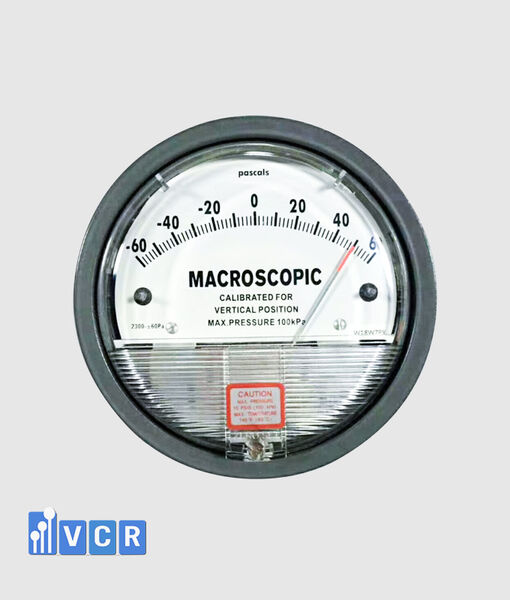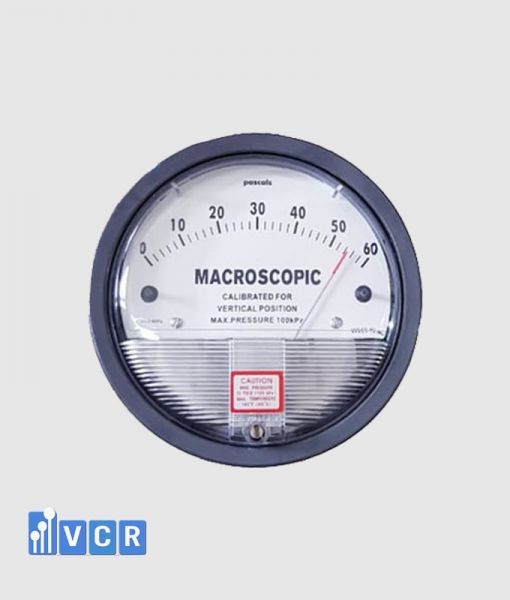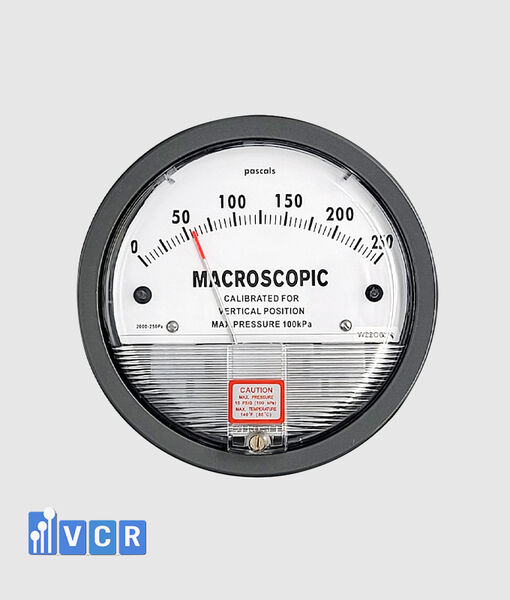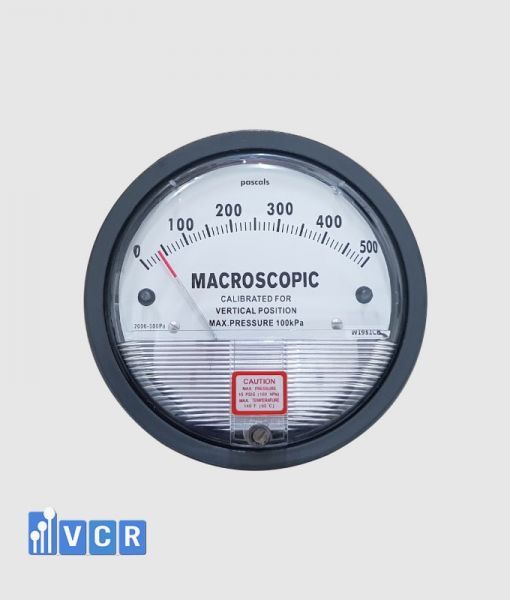

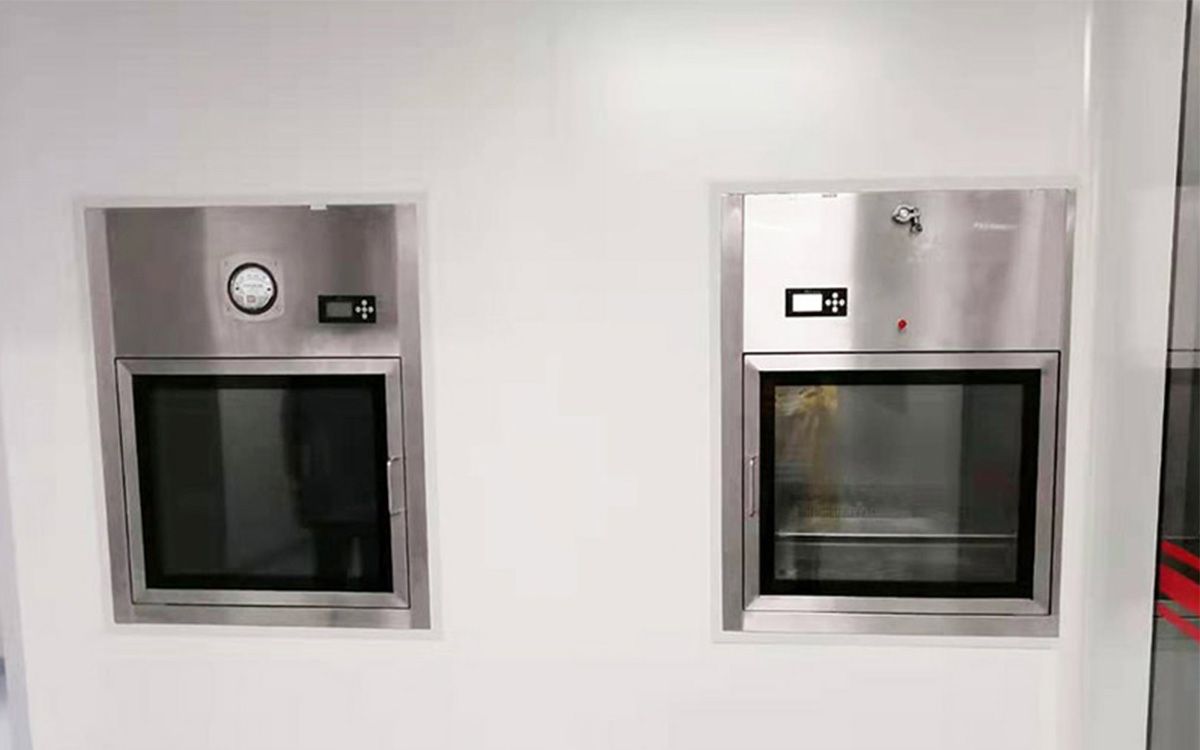
A differential pressure gauge for sterile rooms should be selected based on range, alarm function, calibration, GMP monitoring, and data requirements.
- What Type of Differential Pressure Gauge Should Be Selected for Sterile Rooms?
- Why Does a Sterile Room Need a Differential Pressure Gauge?
- Mechanical or Electronic Gauge for Sterile Rooms?
- How to Select the Measuring Range for Sterile Rooms
- Should a Sterile Room Use a Gauge with Alarm?
- When Should a 4-20mA Type Be Selected for Sterile Rooms?
- Installation Position in Sterile Rooms
- Calibration and Documentation Requirements for Sterile Rooms
- Common Mistakes When Selecting Gauges for Sterile Rooms
- Where to Buy Differential Pressure Gauges for Sterile Rooms
- Frequently Asked Questions
- What Type of Differential Pressure Gauge Should Be Used for Sterile Rooms?
- Does a Sterile Room Need a Differential Pressure Gauge with Alarm?
- Is a Mechanical Gauge Suitable for Sterile Rooms?
- Should a Sterile Room Use a Positive or Negative-Positive Range?
- Does a Sterile Room Differential Pressure Gauge Need Calibration?
- What Are the Benefits of Buying Sterile Room Gauges from VCR?
- Conclusion
What Type of Differential Pressure Gauge Should Be Selected for Sterile Rooms?
A differential pressure gauge for sterile rooms should have suitable sensitivity, clear display, accurate measuring range, calibration capability, and continuous monitoring options if the area is high-risk. A sterile room is a strictly controlled area commonly used in pharmaceutical production, vaccines, biopharmaceuticals, medical devices, filling rooms, sterile formulation rooms, or process areas where products must be protected from dust, microorganisms, and cross-contamination.
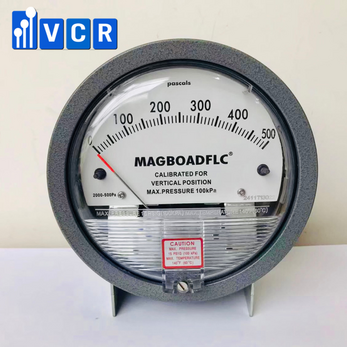
For locations requiring only local observation, a high-quality mechanical gauge may meet basic monitoring needs. However, for GMP sterile rooms, filling areas, ISO 5 zones, rooms requiring alarms, or areas where data recording is needed, an electronic differential pressure gauge or differential pressure sensor connected to BMS/EMS should be considered.
The device should not be selected only by price or available model. Selection should be based on measurement purpose, positive or negative pressure design, designed pressure difference, alarm requirement, calibration requirement, quality documentation, and actual operating conditions. VCR Cleanroom Equipment can advise on suitable differential pressure gauges for each sterile room application.
![dong-ho-chenh-ap-1.[1]](/vcr-dhc-media/2024/3/14/dong-ho-chenh-ap-1.%5B1%5D.jpg)
Why Does a Sterile Room Need a Differential Pressure Gauge?
A sterile room needs a differential pressure gauge to control airflow direction and maintain product protection. In sterile manufacturing, air usually needs to move from cleaner areas to less clean areas to prevent dust, microorganisms, or particles from entering critical process zones.
If room pressure is not properly maintained, air from corridors, buffer rooms, or less clean areas may flow back into the sterile room. This increases contamination risk, affects product quality, and creates difficulties during GMP assessment.
A differential pressure gauge helps operators detect early signs of pressure loss, poor door sealing, incorrect interlock operation, dust-loaded HEPA filters, reduced fan performance, or HVAC imbalance. Therefore, it is an important device for sterile room environmental control.
Mechanical or Electronic Gauge for Sterile Rooms?
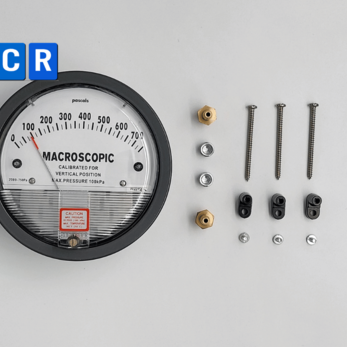
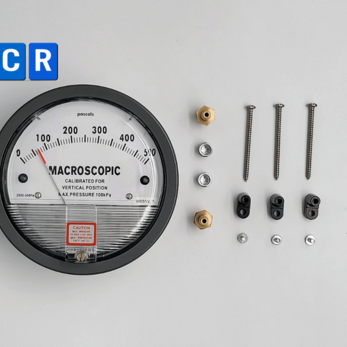
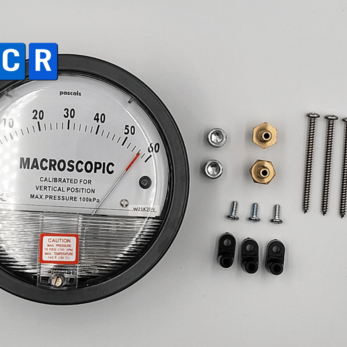
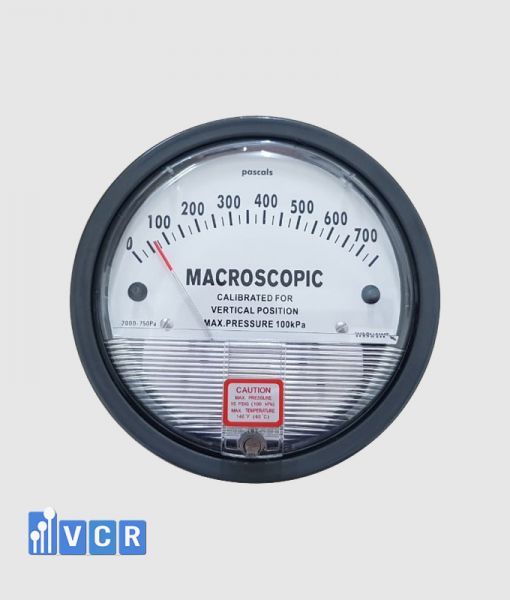
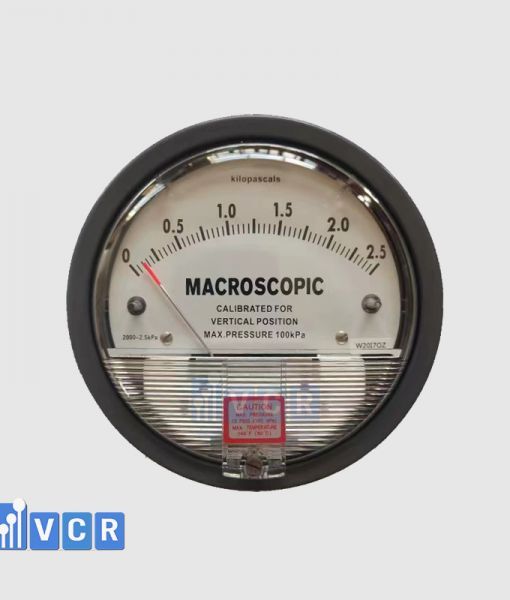
If the sterile room only requires local pressure observation, a mechanical gauge may be suitable because it is easy to read, easy to install, cost-effective, and visually clear for operators. This type is often suitable for buffer rooms, airlocks, clean corridors, or locations requiring simple pressure indication.
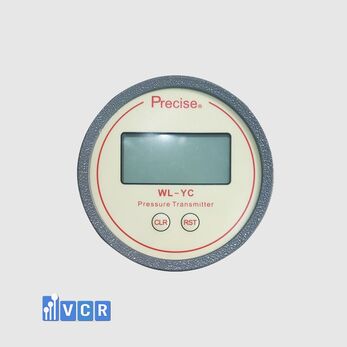
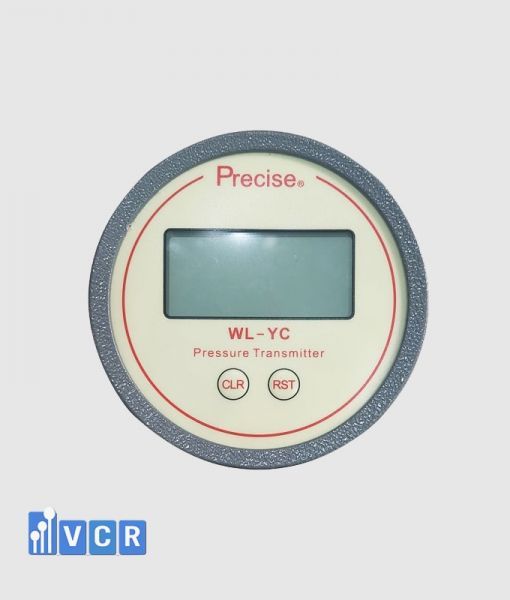
If the sterile room is a critical area, requires alarms when pressure exceeds limits, needs data recording, or must connect to a monitoring system, an electronic differential pressure gauge or differential pressure sensor should be selected. This type can transmit 4-20mA, 0-10V, alarm relay, or BMS/EMS communication depending on configuration.
In GMP factories, a good solution often combines local display and central monitoring. Operators can read pressure quickly at the room, while BMS/EMS continuously records data and triggers alarms when pressure deviates from the limit.
How to Select the Measuring Range for Sterile Rooms
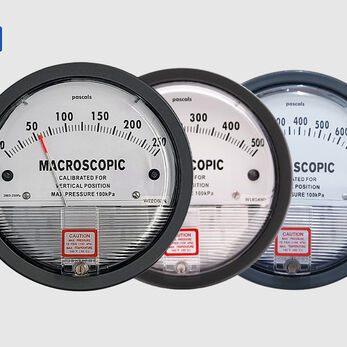
The measuring range of a differential pressure gauge for sterile rooms should match the designed pressure difference between the room and the reference area. If the range is too large, the pointer or displayed value may move very little, making small abnormalities difficult to detect. If the range is too small, the gauge may exceed scale when doors open or the HVAC system changes.
For positive pressure sterile rooms, a positive range suitable for the required pressure level may be selected. For sterile rooms requiring two-direction monitoring or areas that may fluctuate between negative and positive pressure, a negative-positive range should be considered. For HEPA filter differential pressure monitoring, the range is usually different from room pressure monitoring.
A practical principle is that the normal operating value should fall within an easy-to-read area on the gauge display. If HVAC drawings, pressure zoning diagrams, URS, or internal GMP requirements are available, they should be used to select the measuring range more accurately.
Should a Sterile Room Use a Gauge with Alarm?
Yes. For important sterile rooms, a differential pressure gauge with alarm function or monitoring system connection should be considered. Alarms help operators detect early when pressure drops below limits, exceeds limits, or fluctuates abnormally.
Alarms may be integrated directly in the device, handled through relay output, or processed by BMS/EMS after receiving a 4-20mA signal. Depending on room criticality, factories may set different alert limits and action limits. Alert limits indicate abnormal trends, while action limits indicate that immediate intervention is required.
For sterile rooms, alarms should not be configured too sensitively, otherwise short door openings may trigger frequent alarms. On the other hand, if alarm limits are too wide, problems may be detected too late. Alarm thresholds should be based on HVAC design and actual operating data.
When Should a 4-20mA Type Be Selected for Sterile Rooms?
A 4-20mA type should be selected when a sterile room requires continuous monitoring, data logging, automatic alarms, or BMS/EMS connection. This is suitable for sterile filling rooms, sterile formulation rooms, ISO 5 areas, high-risk rooms, or areas requiring data traceability during audits.
A 4-20mA signal transmits pressure data from the device to the central monitoring system. This allows operations, QA/QC, and engineering teams to monitor pressure in real time, store historical data, and respond to alarms when abnormalities occur.
When selecting a 4-20mA type, measuring range, power supply, 2-wire or 3-wire signal type, accuracy, calibration capability, and compatibility with existing BMS/EMS should be checked. If configured incorrectly, the monitoring screen may not reflect actual pressure correctly.
Installation Position in Sterile Rooms
A differential pressure gauge is usually installed in an easy-to-observe position, near doors or transition areas between the sterile room and buffer room, clean corridor, or airlock. Operators should be able to read the value without affecting sterile room conditions.
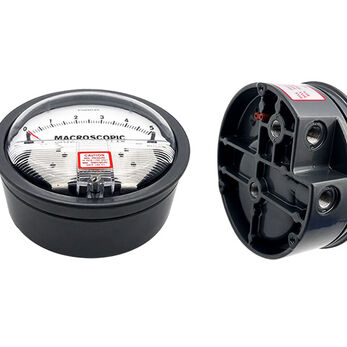
Pressure tapping points must correctly represent the two measured areas. One pressure point is connected to the sterile room, while the other is connected to a reference area such as a buffer room, clean corridor, or airlock. Tapping points should avoid supply air diffusers, return air grilles, frequently opened doors, or disturbed airflow zones.
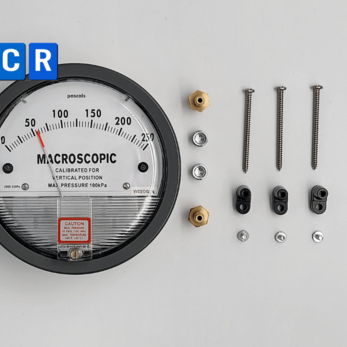
Pressure tubing should be securely installed, without bending, blockage, leakage, or reversed high-low pressure ports. If pressure tapping points or tubing are incorrect, the gauge may display inaccurate readings even if the device itself is working properly.
Calibration and Documentation Requirements for Sterile Rooms
A differential pressure gauge used in sterile rooms should have clear technical specifications, complete documentation, and suitable calibration capability. In GMP factories, measuring devices are often included in the measuring equipment management plan, with periodic checks and records.
Depending on project requirements, businesses may need CO, CQ, catalogues, datasheets, installation manuals, warranty documents, calibration certificates, or related technical documents. If a 4-20mA type is used, wiring diagrams, power supply specifications, and signal configuration instructions should also be available.
Calibration helps ensure reliable pressure readings, especially in critical areas such as filling rooms, sterile formulation rooms, airlocks, buffer rooms, and ISO 5 zones. If the gauge has zero drift, abnormal fluctuation, or readings inconsistent with actual conditions, inspection and calibration should be performed promptly.
Common Mistakes When Selecting Gauges for Sterile Rooms
The first mistake is selecting the gauge only by price. A sterile room is a critical area, so the device must match the measuring range, accuracy, alarm requirement, calibration requirement, and quality documentation needs.
The second mistake is using mechanical gauges for every location. Mechanical gauges are suitable for local observation, but areas requiring continuous monitoring, alarms, or data recording should use electronic gauges or differential pressure sensors.
The third mistake is selecting the wrong measuring range. A range that is too large makes small changes difficult to detect; a range that is too small may exceed scale when the system changes. For sterile rooms, the range should closely match the designed pressure difference.
The fourth mistake is not checking pressure tapping points. If tapping points are incorrectly placed, readings may fluctuate or fail to reflect actual room pressure.
The fifth mistake is ignoring GMP documentation. Devices without technical documents, calibration records, or required certificates may create difficulties during acceptance, audits, and quality management.
Where to Buy Differential Pressure Gauges for Sterile Rooms
Businesses should buy differential pressure gauges for sterile rooms from a cleanroom equipment specialist because the device is directly related to room pressure, cross-contamination control, HEPA filtration, HVAC systems, and GMP documentation. Selecting the right device from the beginning helps reduce operational risks and supports project acceptance.
VCR Cleanroom Equipment can advise and supply differential pressure gauges for sterile rooms, GMP cleanrooms, filling rooms, formulation rooms, buffer rooms, airlocks, clean corridors, HEPA Boxes, AHU - Air Handling Unit, FFU - Fan Filter Unit, Pass Boxes, Air Showers, and Clean Booths.
When requesting consultation, businesses should provide room type, cleanliness class, measurement purpose, reference area, desired measuring range, alarm requirement, 4-20mA signal requirement, calibration requirement, and documentation needs. From there, VCR Cleanroom Equipment can recommend a suitable gauge for each actual installation point.
Frequently Asked Questions
What Type of Differential Pressure Gauge Should Be Used for Sterile Rooms?
A sterile room should use a differential pressure gauge with a suitable range, good sensitivity, clear readability, and calibration capability. For local observation, a high-quality mechanical gauge may be used. For critical GMP areas, filling rooms, ISO 5 zones, or areas requiring data recording, an electronic gauge or sensor with BMS/EMS signal output should be considered.
Does a Sterile Room Need a Differential Pressure Gauge with Alarm?
Yes, especially for important sterile rooms. Alarm functions help detect early when pressure moves outside allowable limits, reducing cross-contamination risk or loss of control status. Alarms can be integrated in the device, through relay output, or through BMS/EMS. VCR Cleanroom Equipment can recommend suitable solutions based on each room’s risk level.
Is a Mechanical Gauge Suitable for Sterile Rooms?
A mechanical gauge may be suitable if the room only requires local pressure observation and does not need alarms or data logging. However, for GMP sterile rooms, filling areas, ISO 5 zones, or locations requiring data traceability, electronic gauges or differential pressure sensors should be considered. Selection should be based on operational risk and documentation requirements.
Should a Sterile Room Use a Positive or Negative-Positive Range?
If the sterile room is designed as a positive pressure room to protect products, a suitable positive range may be used. If the area may fluctuate in both directions, involves buffer room monitoring, or requires negative pressure in certain operating modes, a negative-positive range should be selected. The range should be based on HVAC design and pressure zoning.
Does a Sterile Room Differential Pressure Gauge Need Calibration?
Yes. A differential pressure gauge in a sterile room should be inspected and calibrated according to the factory’s measuring equipment management plan. Calibration helps ensure reliable pressure data, especially in GMP areas, filling rooms, sterile formulation rooms, buffer rooms, and airlocks. If readings are abnormal or the pointer does not return to zero, inspection should be performed promptly.
What Are the Benefits of Buying Sterile Room Gauges from VCR?
When buying from VCR Cleanroom Equipment, customers receive advice based on cleanliness class, measurement purpose, measuring range, room type, alarm requirement, calibration requirement, and GMP documentation needs. VCR can support differential pressure gauges for sterile rooms, GMP cleanrooms, HEPA Boxes, AHU - Air Handling Unit, FFU - Fan Filter Unit, Pass Boxes, Air Showers, and related cleanroom equipment.
Conclusion
A differential pressure gauge for sterile rooms should be selected according to the risk level and monitoring requirements of each area. For basic observation, a mechanical gauge may be suitable. For critical GMP areas requiring alarms, data logging, or BMS/EMS integration, an electronic differential pressure gauge or sensor with signal output should be selected.
If your business needs differential pressure gauges for sterile rooms, GMP cleanrooms, filling rooms, buffer rooms, airlocks, or HEPA systems, contact VCR Cleanroom Equipment for support in selecting the right solution for actual operating needs.