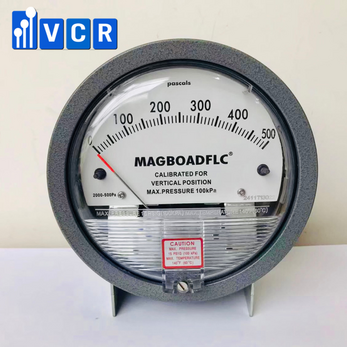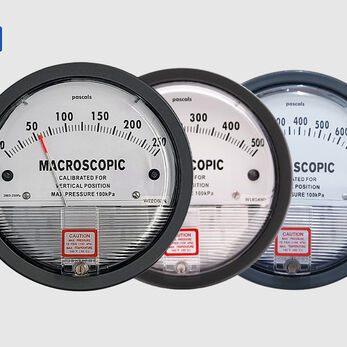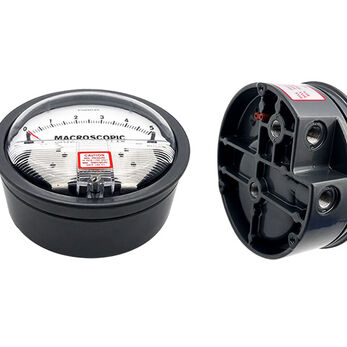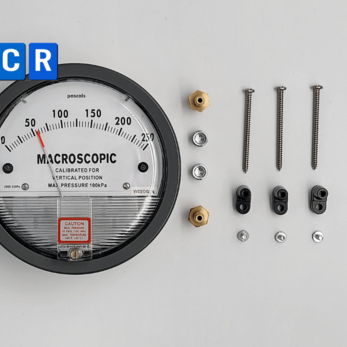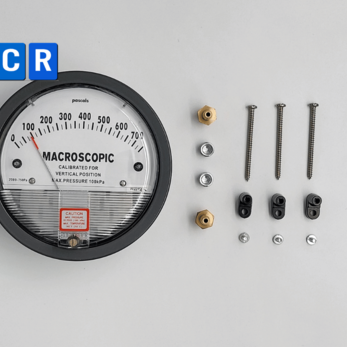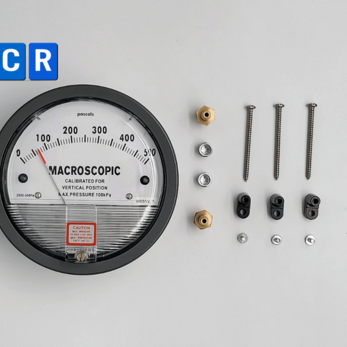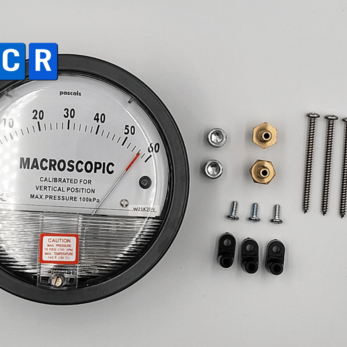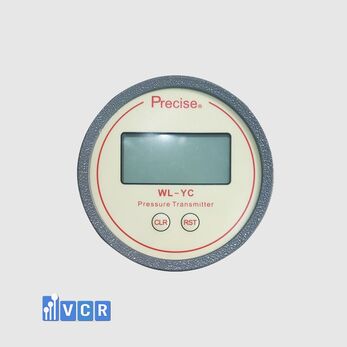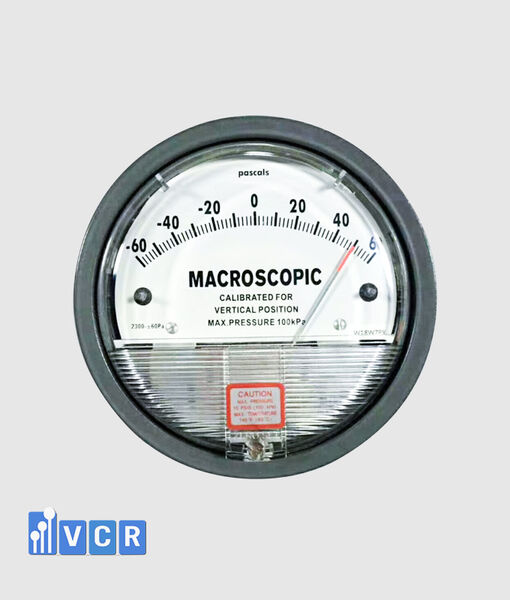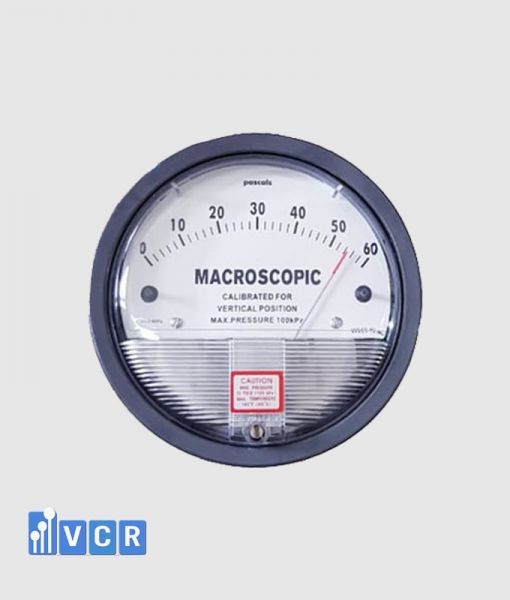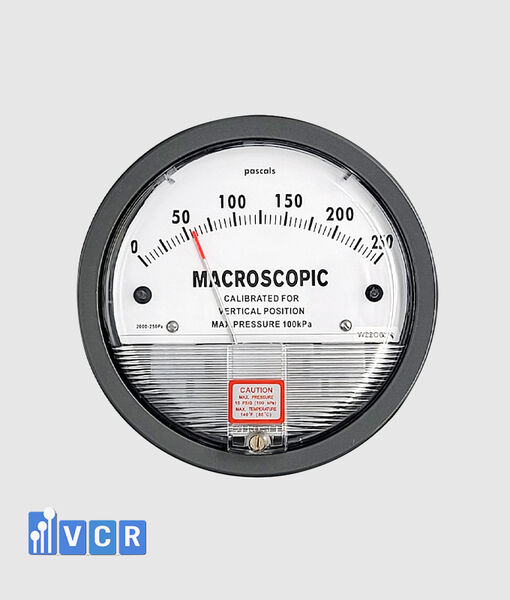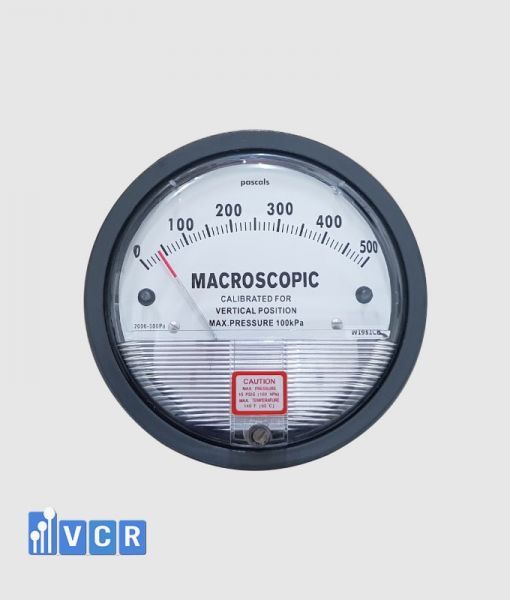

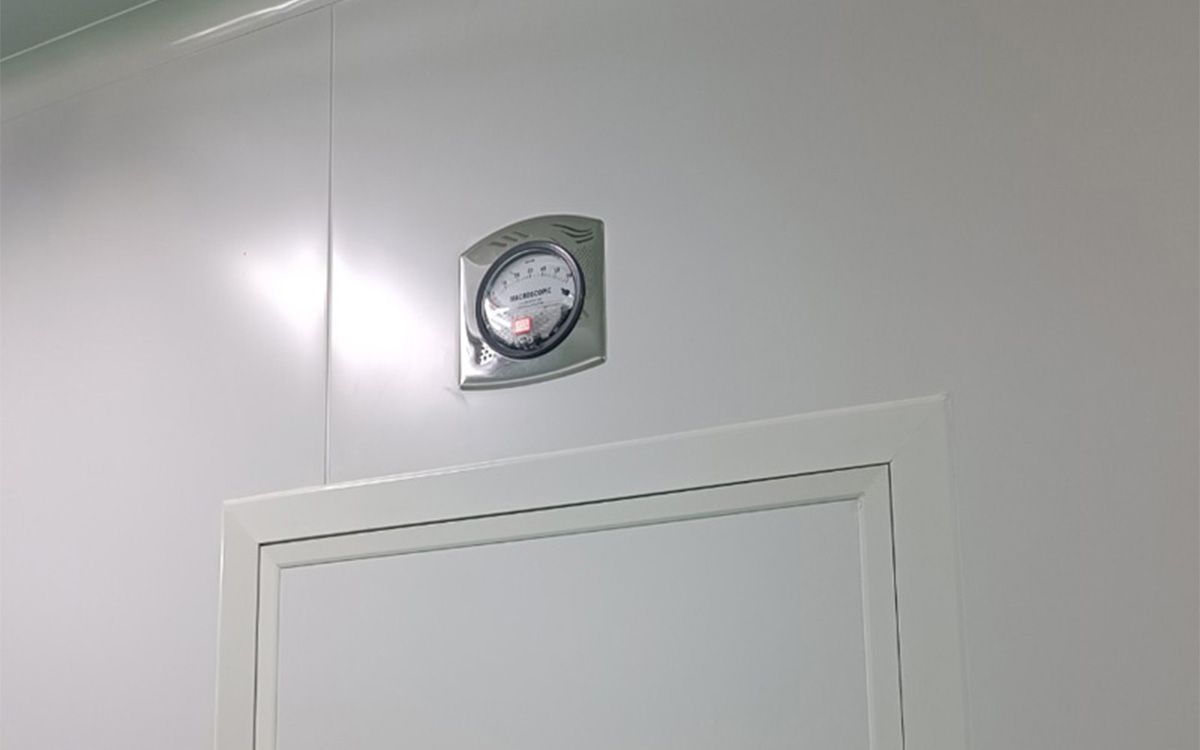
Buying a differential pressure gauge for pharmaceutical cleanrooms requires careful attention to measuring range, installation position, calibration, documentation, and GMP requirements. Selecting the right device helps maintain room pressure, airflow direction, HEPA filtration performance, and cross-contamination control.
- What to Consider When Buying a Differential Pressure Gauge for Pharmaceutical Cleanrooms
- Define the Measurement Purpose Before Buying
- Select the Correct Measuring Range
- Mechanical Gauge or Electronic Gauge?
- Installation Position and Pressure Tapping Points
- Calibration and GMP Documentation
- Alarm and BMS/EMS Connection
- Positive and Negative Pressure Room Considerations
- Common Mistakes When Buying Gauges for Pharmaceutical Cleanrooms
- Where to Buy Differential Pressure Gauges for Pharmaceutical Cleanrooms
- Frequently Asked Questions
- What Should Be Considered When Buying a Gauge for Pharmaceutical Cleanrooms?
- Should Pharmaceutical Cleanrooms Use Mechanical or Electronic Gauges?
- How Should the Measuring Range Be Selected?
- Does the Gauge Need CO, CQ, and Calibration?
- Should a 4-20mA Type Be Used for Pharmaceutical Cleanrooms?
- What Are the Benefits of Buying from VCR Cleanroom Equipment?
- Conclusion
What to Consider When Buying a Differential Pressure Gauge for Pharmaceutical Cleanrooms
When buying a differential pressure gauge for pharmaceutical cleanrooms, businesses should consider measuring range, application purpose, installation position, calibration capability, documentation, and GMP suitability. This is not only a pressure display device; it is also a tool for controlling airflow direction, room pressure, HEPA filter condition, and cross-contamination risks in pharmaceutical manufacturing.
In pharmaceutical cleanrooms, differential pressure gauges are commonly used in production rooms, buffer rooms, airlocks, clean corridors, weighing rooms, formulation rooms, filling rooms, packaging rooms, testing rooms, sterile rooms, and negative pressure areas. If the wrong device is selected, readings may be difficult to interpret, unreliable, or unsuitable for operation records.
Businesses should buy from a cleanroom equipment specialist such as VCR Cleanroom Equipment to receive application-based advice. VCR can support differential pressure gauge selection for GMP cleanrooms, HEPA Boxes, AHU - Air Handling Unit, FFU - Fan Filter Unit, Pass Boxes, Air Showers, Clean Booths, Dispensing Booths, and related cleanroom equipment.
![dong-ho-chenh-ap-1.[1]](/vcr-dhc-media/2024/3/14/dong-ho-chenh-ap-1.%5B1%5D.jpg)
Define the Measurement Purpose Before Buying
The first consideration is identifying what the gauge is used to measure. A differential pressure gauge can be used to measure pressure between two rooms, between a cleanroom and a corridor, between a buffer room and a production area, between a negative pressure room and surrounding areas, or across a HEPA filter.
Each purpose requires a different measuring range and pressure tapping arrangement. Room-to-room pressure monitoring usually requires a small, sensitive, and easy-to-read range. HEPA filter monitoring usually requires a higher range because the filter creates greater airflow resistance.
In pharmaceutical cleanrooms, the measurement purpose should be linked to pressure zoning, cleanliness class, GMP requirements, and cross-contamination risks. Before purchasing, the facility should prepare information about installation location, reference area, designed pressure difference, and monitoring requirements.
Select the Correct Measuring Range
Measuring range is a very important factor when buying a differential pressure gauge for pharmaceutical cleanrooms. If the range is too large, the pointer or displayed value changes very little when pressure fluctuates, making abnormalities difficult to detect. If the range is too small, the gauge may exceed scale when doors open, fans change, or the HVAC system fluctuates.
For room differential pressure monitoring, the range should match the designed pressure difference between two areas. For negative pressure rooms, a negative or negative-positive range should be selected to display room status correctly. For HEPA filter, HEPA Box, FFU - Fan Filter Unit, or AHU - Air Handling Unit monitoring, the range should be based on filter resistance and airflow volume.
A practical principle is that normal operating values should fall within an easy-to-read area on the gauge display, not too close to the beginning or end of the scale. If uncertain, businesses can send system information to VCR Cleanroom Equipment for proper range selection.
Mechanical Gauge or Electronic Gauge?
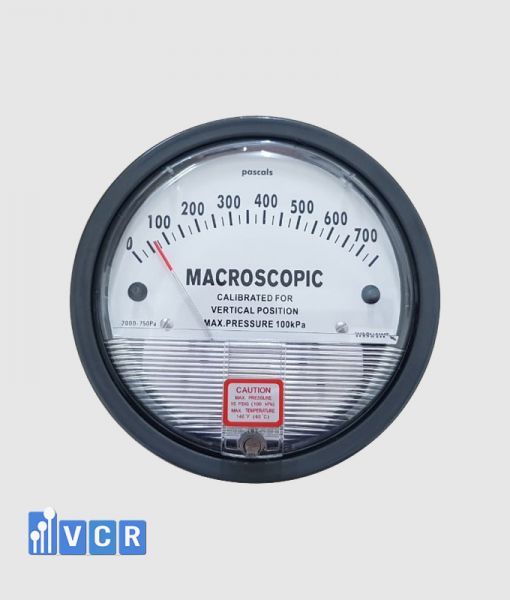
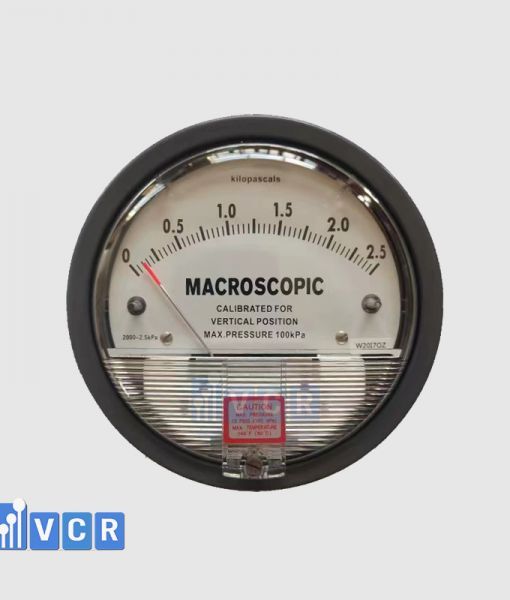
A mechanical differential pressure gauge is suitable for locations requiring local observation, clear reading, reasonable cost, and no signal transmission. It is commonly used at cleanroom entrances, buffer rooms, airlocks, clean corridors, weighing rooms, formulation rooms, or HEPA filter monitoring points.
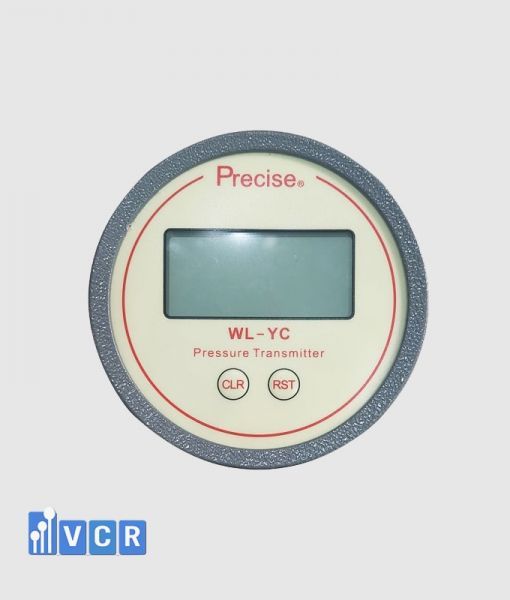
An electronic gauge or differential pressure sensor is suitable for areas requiring alarms, continuous monitoring, 4-20mA or 0-10V signal transmission, or BMS/EMS connection. This type is often suitable for sterile rooms, filling rooms, critical GMP areas, negative pressure rooms, or areas requiring data records for audits.
In many pharmaceutical factories, an effective solution combines local display with central monitoring. Operators can quickly read values at the installation point, while BMS/EMS continuously records data and generates alarms when pressure exceeds limits.
Installation Position and Pressure Tapping Points
The gauge installation position should be easy to observe, easy to clean, and convenient for periodic inspection. Gauges are often installed near doors, on cleanroom panels, at transition areas between two rooms, or near the equipment being monitored. However, pressure tapping points should not be placed too close to doors, supply air diffusers, return air grilles, fans, or disturbed airflow zones.
One pressure tapping point should be connected to the controlled area, while the other is connected to the reference area. For HEPA filter monitoring, one tapping point should be before the filter and the other after the filter. High and low pressure ports must be connected correctly to avoid reversed readings.
Pressure tubing should be securely installed, without bending, blockage, leakage, or strong vibration influence. In pharmaceutical cleanrooms, incorrect readings caused by faulty pressure tubing may lead the facility to misjudge the room control status.
Calibration and GMP Documentation
When buying a differential pressure gauge for pharmaceutical cleanrooms, calibration capability and technical documentation should be considered. Measuring devices in GMP areas usually require clear specifications, easy inspection, calibration capability, and operating records during use.
Businesses should request catalogues, datasheets, technical specifications, installation instructions, warranty documents, CO, CQ if required, VAT invoices, and calibration certificates if needed. For electronic gauges or 4-20mA sensors, wiring diagrams, power supply specifications, and signal configuration instructions should also be available.
Equipment documentation helps QA/QC, engineering, and purchasing teams verify model, measuring range, accuracy, origin, quality, and project suitability. This is very important for acceptance, internal inspection, and GMP audits.
Alarm and BMS/EMS Connection
For critical pharmaceutical areas, gauges with alarm functions or sensors connected to BMS/EMS should be considered. Areas such as sterile rooms, filling rooms, formulation rooms, powder weighing rooms, negative pressure rooms, and critical airlocks often require continuous monitoring.
When using 4-20mA or 0-10V signals, compatibility with the existing BMS/EMS should be checked. Power supply, signal type, scaling, display unit, alert limit, action limit, and alarm delay must be defined. If configured incorrectly, the displayed data in the system may not match actual pressure.
Alarm limits should not be too sensitive because short door openings can cause pressure fluctuation. However, limits should not be too wide, otherwise issues may be detected too late. Alarm settings should be based on HVAC design, GMP requirements, and actual operating data.
Positive and Negative Pressure Room Considerations
Positive pressure rooms are usually used to protect products from air entering from less clean areas. When buying gauges for positive pressure rooms, the measuring range should match the designed positive pressure level and be easy to read.
Negative pressure rooms are usually used to prevent dust, active ingredients, chemical vapors, or risk agents from spreading outward. For negative pressure rooms, a negative or negative-positive range should be selected so operators can correctly identify room status.
One-direction gauges should not be used for every area if the facility has both positive and negative pressure rooms. It is important to define which rooms are designed to protect products and which are designed to protect operators or the surrounding environment.
Common Mistakes When Buying Gauges for Pharmaceutical Cleanrooms
The first mistake is choosing based only on low price without checking measuring range, accuracy, calibration capability, and technical documentation. In pharmaceutical cleanrooms, the measuring device must support stable operation and GMP documentation, not just serve as a simple accessory.
The second mistake is using the same measuring range for room pressure and HEPA filter monitoring. These are different applications. Room pressure monitoring requires a more sensitive range, while HEPA filter monitoring requires a range suitable for filter resistance.
The third mistake is not defining the reference area. A gauge is meaningful only when it is clear which two areas are being measured. Without clear labeling, operators may misunderstand pressure direction.
The fourth mistake is ignoring calibration requirements. The gauge may develop zero drift, fluctuate, or lose accuracy over time. Pharmaceutical factories need appropriate inspection and calibration plans.
The fifth mistake is buying from a supplier that does not understand cleanrooms. A non-specialist supplier may only provide a model without advising on application, installation position, accessories, documentation, and GMP operation requirements.
Where to Buy Differential Pressure Gauges for Pharmaceutical Cleanrooms
Businesses should buy differential pressure gauges for pharmaceutical cleanrooms from a cleanroom equipment specialist. The device is directly related to room pressure, HVAC systems, HEPA filtration, cleanliness class, cross-contamination control, and GMP documentation.
VCR Cleanroom Equipment can advise and supply differential pressure gauges for pharmaceutical cleanrooms, GMP cleanrooms, sterile rooms, filling rooms, formulation rooms, weighing rooms, buffer rooms, airlocks, clean corridors, HEPA Boxes, AHU - Air Handling Unit, FFU - Fan Filter Unit, Pass Boxes, Air Showers, Clean Booths, and Weighing Booths.
When requesting consultation, businesses should provide installation location, measurement purpose, desired range, cleanliness class, reference area, calibration requirement, 4-20mA requirement, alarm requirement, CO, CQ, and required documents. From there, VCR Cleanroom Equipment can recommend a suitable solution for actual operating needs.
Frequently Asked Questions
What Should Be Considered When Buying a Gauge for Pharmaceutical Cleanrooms?
Businesses should consider measurement purpose, measuring range, pressure tapping position, positive or negative pressure design, mechanical or electronic type, calibration capability, and accompanying documents. In pharmaceutical cleanrooms, the device must be suitable for GMP requirements, HVAC systems, HEPA filtration, and operation records. VCR Cleanroom Equipment can advise based on each actual installation point.
Should Pharmaceutical Cleanrooms Use Mechanical or Electronic Gauges?
If only local reading is needed, a mechanical gauge is suitable because it is easy to read and cost-effective. If the area requires alarms, continuous monitoring, 4-20mA signal transmission, or data logging, an electronic gauge or differential pressure sensor should be selected. For sterile rooms, filling rooms, and critical GMP areas, BMS/EMS connection is often more suitable.
How Should the Measuring Range Be Selected?
The range should be selected according to the designed pressure difference and measurement purpose. Room pressure monitoring usually requires a sensitive, easy-to-read range. HEPA filter, HEPA Box, AHU - Air Handling Unit, or FFU - Fan Filter Unit monitoring usually requires a higher range. One common range should not be used for the entire factory if applications differ.
Does the Gauge Need CO, CQ, and Calibration?
It depends on project requirements, but pharmaceutical cleanrooms should prepare complete documentation such as catalogues, datasheets, warranty documents, CO and CQ if needed, and calibration certificates for critical measuring points. Complete documentation supports acceptance, internal inspection, audits, and measuring equipment management.
Should a 4-20mA Type Be Used for Pharmaceutical Cleanrooms?
A 4-20mA type should be used if the area requires continuous monitoring, automatic alarms, data logging, or BMS/EMS connection. It is suitable for sterile rooms, filling rooms, negative pressure rooms, critical airlocks, or GMP areas requiring data traceability. If only local observation is required, a mechanical gauge may be sufficient.
What Are the Benefits of Buying from VCR Cleanroom Equipment?
When buying from VCR Cleanroom Equipment, customers receive advice based on pharmaceutical application, cleanliness class, installation position, measuring range, calibration requirement, 4-20mA needs, alarms, and documentation. VCR can support differential pressure gauges for GMP cleanrooms, HEPA Boxes, AHU - Air Handling Unit, FFU - Fan Filter Unit, Pass Boxes, Air Showers, and related cleanroom equipment.
Conclusion
When buying a differential pressure gauge for pharmaceutical cleanrooms, businesses should look beyond price. The device should have the correct range, installation position, measurement purpose, calibration capability, documentation, and GMP suitability. Choosing the right device helps cleanrooms operate more stably, improves cross-contamination control, and supports clear quality records.
If your business needs differential pressure gauges for pharmaceutical cleanrooms, GMP cleanrooms, sterile rooms, buffer rooms, airlocks, HEPA Boxes, or cleanroom HVAC systems, contact VCR Cleanroom Equipment for support in selecting the right solution for actual operating needs.