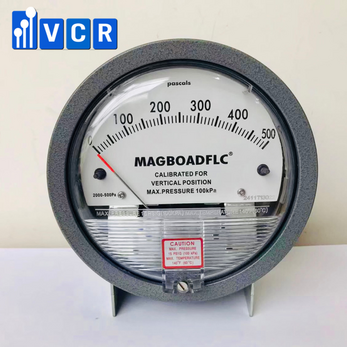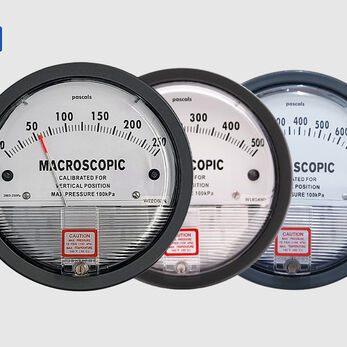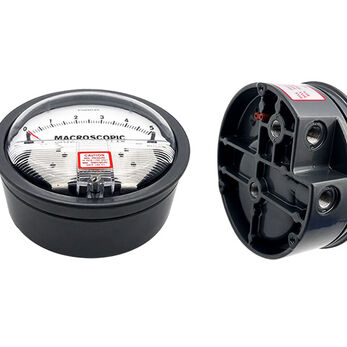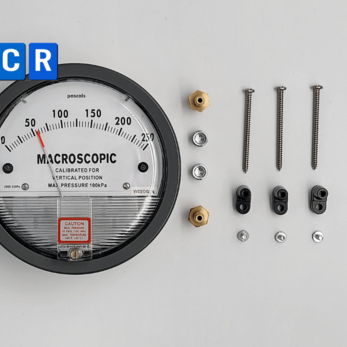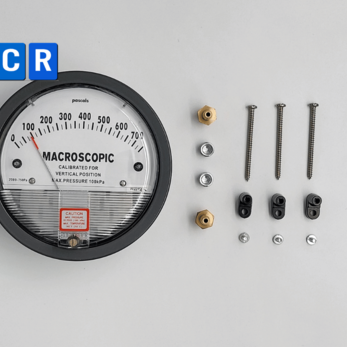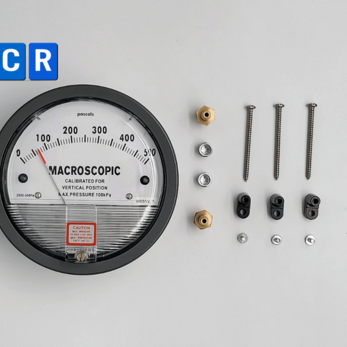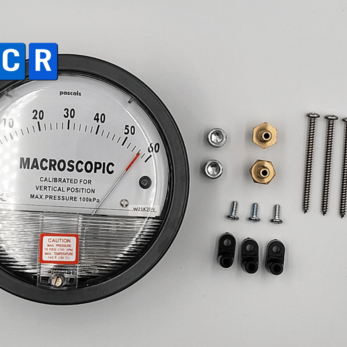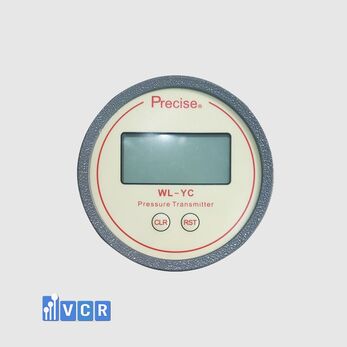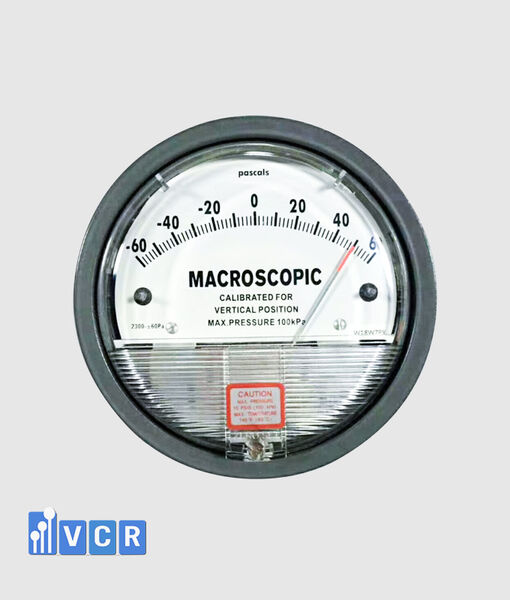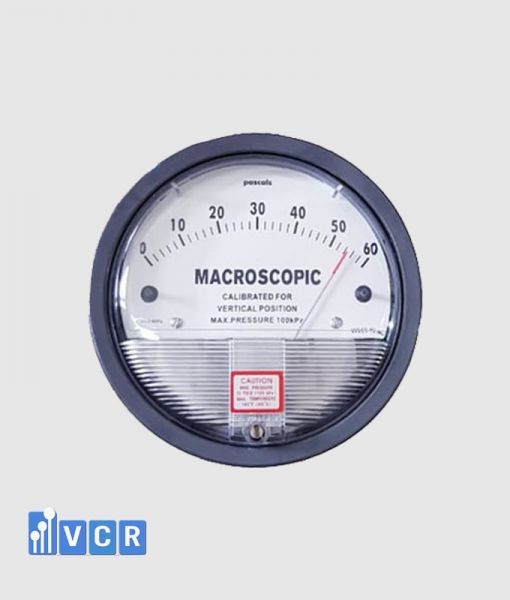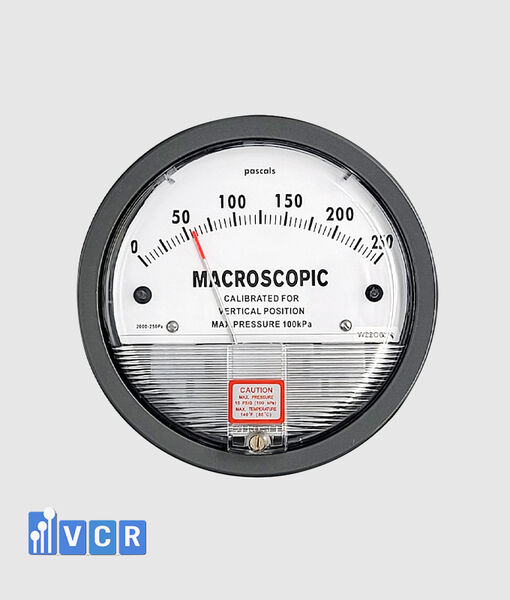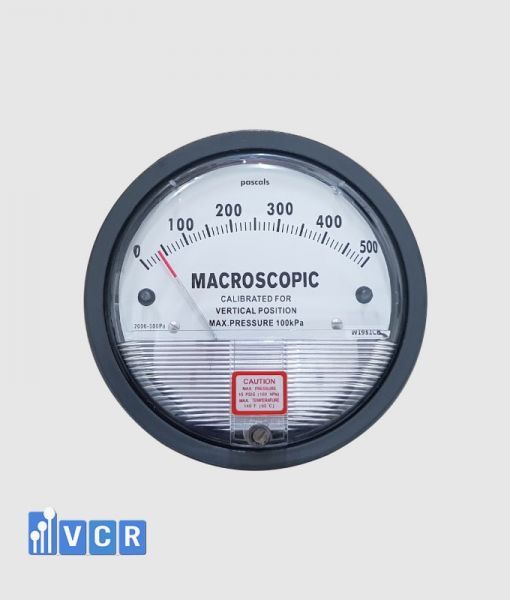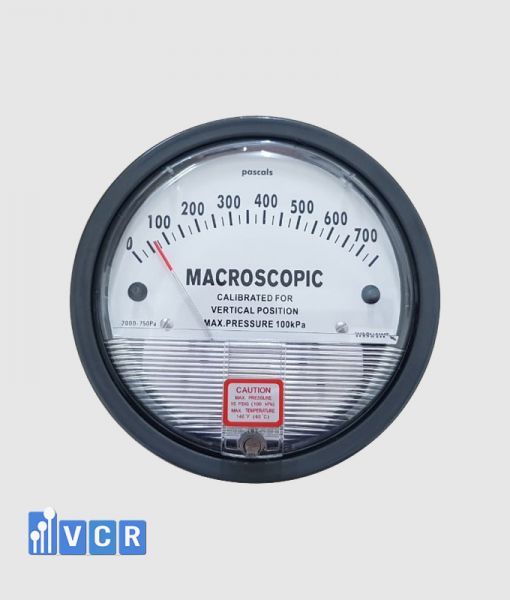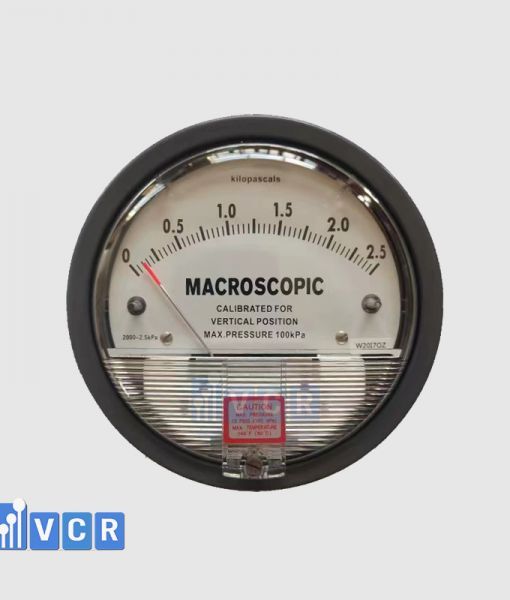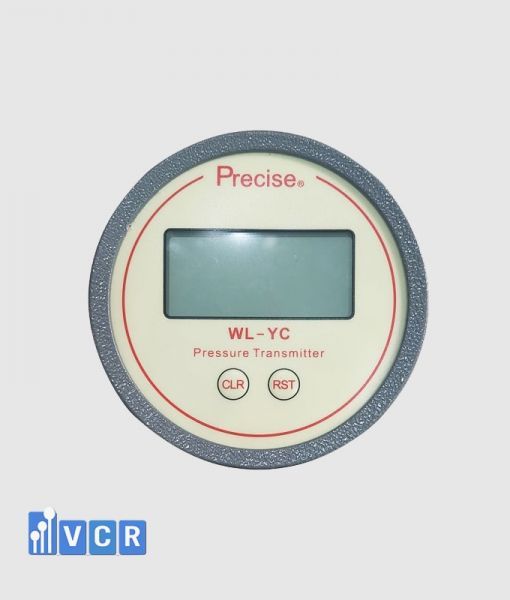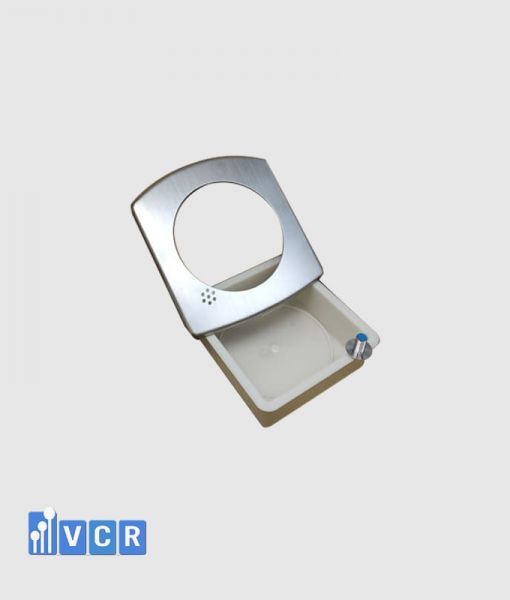

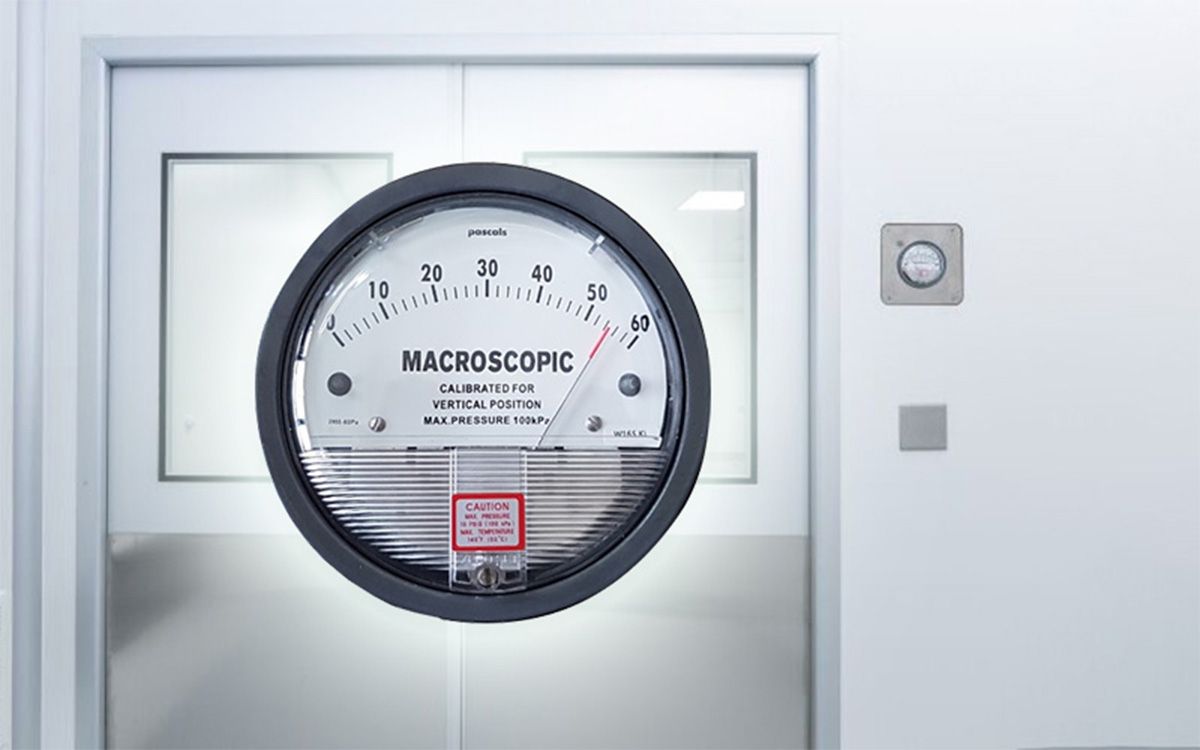
The installation position of differential pressure gauges for HEPA filter boxes and HEPA Boxes helps monitor filter condition, pressure, and clean air supply performance.
- Installation Position of Differential Pressure Gauges for HEPA Filter Boxes and HEPA Boxes
- Why Does a HEPA Box Need a Differential Pressure Gauge?
- Principle of Pressure Tapping for HEPA Filter Boxes
- Gauge Installation Position on a HEPA Box
- Gauge Installation for HEPA Filters in AHU, FFU, and Air Supply Systems
- How to Select the Measuring Range for HEPA Box Gauges
- Common Mistakes When Installing Gauges for HEPA Boxes
- When Should the Gauge and HEPA Filter Be Checked?
- Where to Buy Differential Pressure Gauges for HEPA Filter Boxes and HEPA Boxes
- Frequently Asked Questions
- Where Is a Differential Pressure Gauge Installed on a HEPA Box?
- How Should the High and Low Pressure Ports Be Connected?
- Is a Differential Pressure Gauge Mandatory for Every HEPA Box?
- How Should the Measuring Range Be Selected for HEPA Filter Boxes?
- What Does High Differential Pressure Across a HEPA Filter Mean?
- What Are the Benefits of Buying HEPA Box Gauges from VCR?
- Conclusion
Installation Position of Differential Pressure Gauges for HEPA Filter Boxes and HEPA Boxes
The installation position of a differential pressure gauge for HEPA filter boxes and HEPA Boxes is usually in an easy-to-observe area, near the device or on a technical panel related to the clean air supply system. The main purpose is to monitor pressure difference between the upstream and downstream sides of the HEPA filter, thereby evaluating airflow resistance and filter loading condition.
In cleanrooms, HEPA filter boxes and HEPA Boxes are important devices for supplying clean air into controlled areas. As a HEPA filter operates over time, dust and airborne particles accumulate on the filter surface, increasing airflow resistance. A differential pressure gauge helps operators identify this change so they can inspect, maintain, or plan filter replacement at the right time.
If pressure tapping points are installed incorrectly, the gauge may not display the actual filter condition. Therefore, when installing a differential pressure gauge for a HEPA filter box or HEPA Box, two pressure points must be correctly identified: one before the HEPA filter and one after the HEPA filter or on the clean air side, depending on the equipment design.
![dong-ho-chenh-ap-1.[1]](/vcr-dhc-media/2024/3/14/dong-ho-chenh-ap-1.%5B1%5D.jpg)
Why Does a HEPA Box Need a Differential Pressure Gauge?
A HEPA Box needs a differential pressure gauge to monitor airflow resistance across the HEPA filter. When the filter is clean, the differential pressure reading usually stays within the normal operating range. When the filter becomes dust-loaded, resistance increases and the differential pressure reading tends to rise. This is an important signal for the engineering team to evaluate filter condition.
In GMP cleanrooms, pharmaceutical, cosmetic, food, electronics, semiconductor, hospital, and laboratory applications, supply air quality directly affects the production or testing environment. If the HEPA filter becomes clogged, airflow may decrease, air change rate may be affected, and airborne particle control performance may decline.
A differential pressure gauge does not replace HEPA filter leak testing, airflow measurement, or cleanroom classification testing, but it is an important operating indicator. It helps detect abnormal trends early so the facility can inspect the system before it affects the cleanroom environment.
Principle of Pressure Tapping for HEPA Filter Boxes
The basic principle is that one pressure tapping point is placed upstream of the HEPA filter, where air has not yet passed through the filter, while the other is placed downstream of the HEPA filter, where filtered clean air exits. The differential pressure gauge then displays pressure drop across the HEPA filter.
The high-pressure port is usually connected to the upstream side of the filter, where pressure is higher due to resistance created by the filter media. The low-pressure port is usually connected to the downstream side, where pressure is lower after air passes through the filter. If the ports are reversed, the gauge may display the wrong direction and cause confusion during operation.
Pressure tapping points should avoid turbulent airflow areas, locations too close to high-velocity discharge points, disturbed airflow zones, or points that do not represent actual pressure before and after the filter. Pressure tubing should be short, secure, free from bending, blockage, leakage, and strong vibration influence.
Gauge Installation Position on a HEPA Box
For ceiling-mounted HEPA Boxes, the differential pressure gauge may be installed on the box body, on a nearby technical panel, or at an easy-to-observe position outside the clean area. The objective is to allow operators to read the value without affecting cleanroom operation.
If the HEPA Box is installed above the cleanroom ceiling, accessibility for inspection, maintenance, and calibration should be considered. The gauge should not be installed in a position that is too difficult to observe or requires excessive disassembly to read. In GMP areas, the installation position should support routine data recording.
If the HEPA Box already has integrated pressure test ports, the ports designed by the manufacturer should be used. If the equipment does not have test ports, pressure tapping points should be installed correctly without affecting box tightness, filter gasket sealing, or cleanroom panel surfaces.
Gauge Installation for HEPA Filters in AHU, FFU, and Air Supply Systems
For HEPA filters in AHU - Air Handling Unit systems or air supply ducts, the differential pressure gauge is usually installed to monitor pressure before and after the filter. The installation location should allow the engineering team to inspect the gauge during operation and maintenance.
For FFU - Fan Filter Unit applications, monitoring differential pressure across the HEPA filter helps evaluate filter condition and local clean air supply performance. Depending on the design, pressure tapping points may be located upstream inside the FFU chamber and downstream on the clean air supply side. Pressure tapping must not affect sealing or clean airflow.
For systems with multiple HEPA Boxes, each gauge should be clearly labeled to match its corresponding filter box. This helps operators identify which filter has abnormal differential pressure and prevents confusion during maintenance or filter replacement.
How to Select the Measuring Range for HEPA Box Gauges
The measuring range of a differential pressure gauge for a HEPA Box should match HEPA filter resistance and designed airflow volume. A range that is too small should be avoided because differential pressure may increase as the filter becomes loaded and exceed the gauge scale. A range that is too large should also be avoided because operators may find it difficult to identify small changes.
Unlike room differential pressure monitoring, HEPA filter differential pressure monitoring usually requires a larger measuring range. This is because HEPA filters create significant airflow resistance, especially after long-term operation or under high airflow volume.
When selecting the range, the HEPA filter datasheet, designed airflow volume, manufacturer recommendations, and internal alert limits should be considered. VCR Cleanroom Equipment can support suitable range selection for each HEPA Box, HEPA filter box, FFU - Fan Filter Unit, or AHU - Air Handling Unit application.
Common Mistakes When Installing Gauges for HEPA Boxes
The first mistake is installing pressure tapping points incorrectly. If the two pressure points do not correctly represent the upstream and downstream sides of the HEPA filter, the displayed value will not reflect the actual filter condition. This may cause the facility to misjudge maintenance or replacement timing.
The second mistake is reversing the high and low pressure ports. For HEPA filter differential pressure monitoring, the upstream side is usually connected to the high-pressure port, while the downstream side is connected to the low-pressure port. If connected incorrectly, the gauge may display the wrong direction or confuse operators.
The third mistake is using an unsuitable measuring range. A range that is too large reduces the ability to observe small changes, while a range that is too small may exceed scale when the filter becomes loaded. Therefore, the same range should not be used everywhere if filters have different airflow volumes and filter types.
The fourth mistake is allowing pressure tubing to bend, clog, loosen, or leak. When tubing is not airtight, gauge readings may fluctuate or become lower than actual values. This is a common but often overlooked maintenance issue.
The fifth mistake is relying only on differential pressure without checking other factors. HEPA filter pressure drop should be evaluated together with airflow volume, fan condition, filter sealing, leak test results, and HVAC system operating status.
When Should the Gauge and HEPA Filter Be Checked?
The gauge and HEPA filter should be checked when differential pressure readings increase abnormally, decrease abnormally, fluctuate strongly, the pointer does not return to zero, or the reading does not match actual operating conditions. These may indicate filter loading, leakage, incorrect filter installation, reduced fan performance, blocked pressure tubing, or gauge drift.
After replacing a HEPA filter, cleaning the system, adjusting airflow, repairing a HEPA Box, replacing an FFU, or maintaining an AHU - Air Handling Unit, differential pressure should be checked again to confirm the new operating condition. Recording the initial reading after filter replacement also provides a baseline for future monitoring.
In GMP factories, hospitals, laboratories, or cleanrooms with strict control requirements, differential pressure gauges for HEPA Boxes should be included in the periodic inspection plan. When required, the device should be calibrated to ensure the reliability of operating data.
Where to Buy Differential Pressure Gauges for HEPA Filter Boxes and HEPA Boxes
Businesses should buy differential pressure gauges for HEPA filter boxes and HEPA Boxes from a supplier specializing in cleanroom equipment. The device must be selected according to actual application, measuring range, pressure tapping position, HEPA Box type, airflow volume, calibration requirements, and operating conditions.
VCR Cleanroom Equipment can advise and supply differential pressure gauges for HEPA filter boxes, HEPA Boxes, FFU - Fan Filter Unit, AHU - Air Handling Unit, Pass Boxes, Air Showers, Clean Booths, GMP cleanrooms, hospitals, laboratories, pharmaceutical, cosmetic, food, electronics, and semiconductor facilities.
When requesting consultation, businesses should provide the HEPA Box type, installation position, measurement purpose, desired range, airflow volume, HEPA filter type, calibration requirements, documentation requirements, and operating conditions. From there, VCR Cleanroom Equipment can recommend a more suitable gauge for each specific application.
Frequently Asked Questions
Where Is a Differential Pressure Gauge Installed on a HEPA Box?
A differential pressure gauge for a HEPA Box is usually installed in an easy-to-observe position on the box body, technical panel, or near the HEPA Box installation area. The two pressure tapping points should be placed before and after the HEPA filter to correctly measure airflow resistance across the filter. The exact position should be based on filter box design and cleanroom operating requirements.
How Should the High and Low Pressure Ports Be Connected?
When measuring differential pressure across a HEPA filter, the high-pressure port is usually connected to the upstream side, where air has not yet passed through the filter and pressure is higher. The low-pressure port is connected to the downstream side, where filtered air exits and pressure is lower. If connected in reverse, the gauge may display the wrong direction or confuse operators.
Is a Differential Pressure Gauge Mandatory for Every HEPA Box?
Not every HEPA Box is always required to have a differential pressure gauge, but in GMP cleanrooms, laboratories, hospitals, or strictly controlled areas, it is strongly recommended. The gauge helps monitor HEPA filter condition, detect filter loading trends, and support maintenance or filter replacement planning.
How Should the Measuring Range Be Selected for HEPA Filter Boxes?
The measuring range should be selected according to HEPA filter resistance, designed airflow volume, and system operating limits. A range that is too large makes small changes difficult to observe, while a range that is too small may exceed scale when the filter becomes loaded. VCR Cleanroom Equipment can recommend suitable ranges based on HEPA Box type and cleanroom application.
What Does High Differential Pressure Across a HEPA Filter Mean?
High differential pressure across a HEPA filter usually indicates increased airflow resistance, which may be caused by dust-loaded filters, airflow changes, blocked ducts, or heavier fan load. When the reading rises abnormally, the HEPA filter, fan, damper, pressure tubing, and HVAC system operation should be checked.
What Are the Benefits of Buying HEPA Box Gauges from VCR?
When buying from VCR Cleanroom Equipment, customers receive advice based on HEPA Box type, installation position, measuring range, measurement purpose, and operating conditions. VCR can support differential pressure gauges for HEPA Boxes, HEPA filter boxes, FFU - Fan Filter Unit, AHU - Air Handling Unit, Pass Boxes, Air Showers, Clean Booths, and related cleanroom equipment.
Conclusion
The installation position of a differential pressure gauge for HEPA filter boxes and HEPA Boxes should ensure correct pressure measurement before and after the HEPA filter. When pressure tapping points are installed correctly, the measuring range is properly selected, and periodic inspection is performed, the device helps monitor filter condition, evaluate airflow resistance, and support effective cleanroom maintenance.
If your business needs differential pressure gauges for HEPA filter boxes, HEPA Boxes, FFU - Fan Filter Unit, AHU - Air Handling Unit, or cleanroom systems, contact VCR Cleanroom Equipment for support in selecting the right solution for actual operating needs.