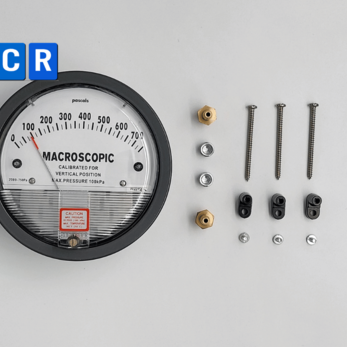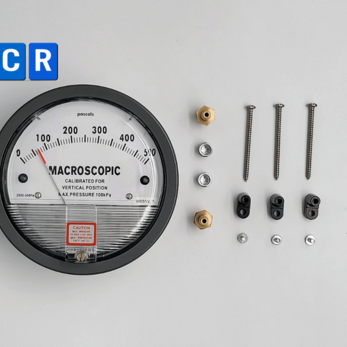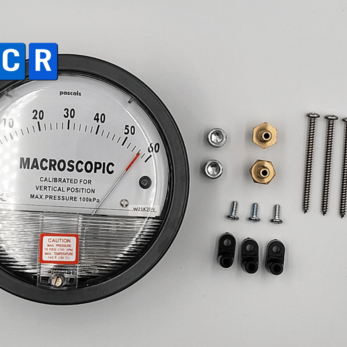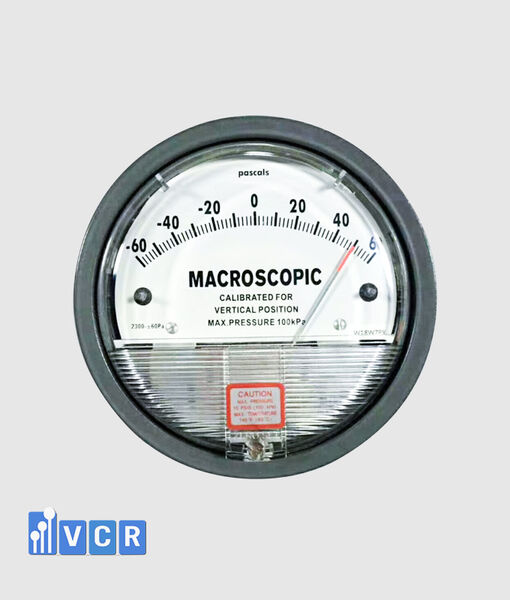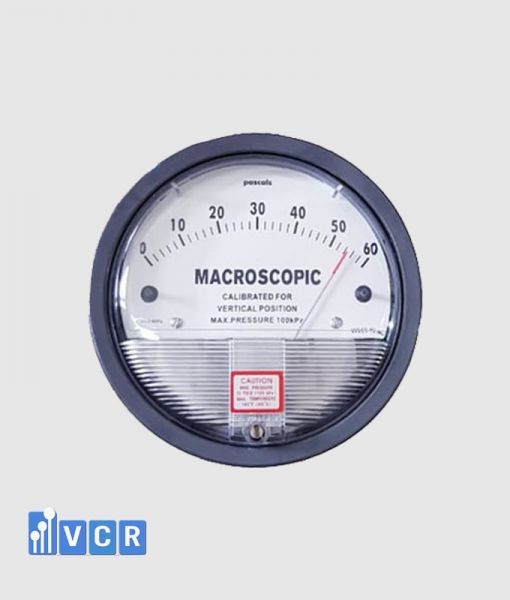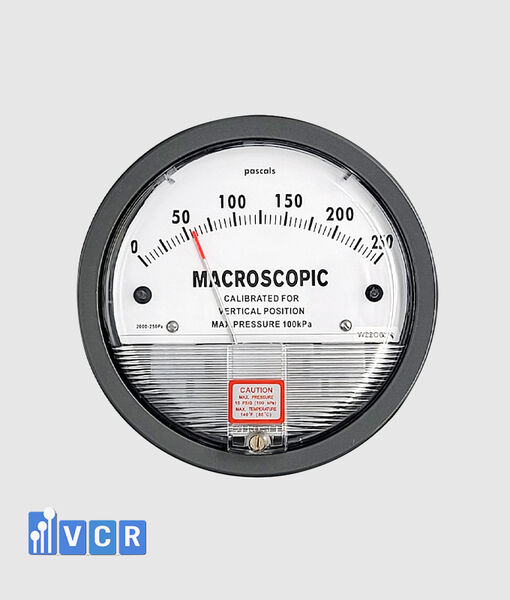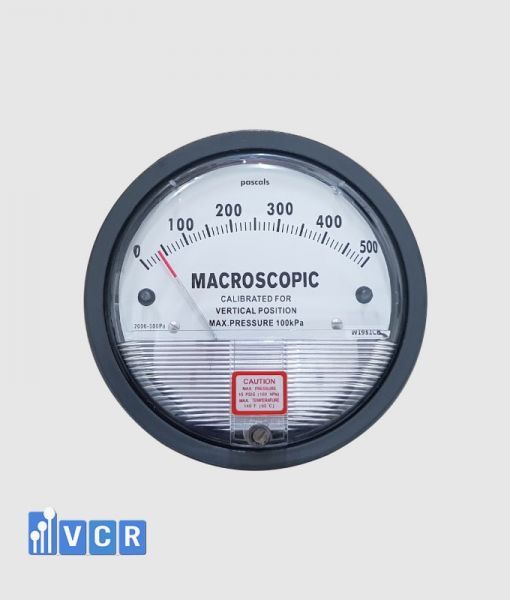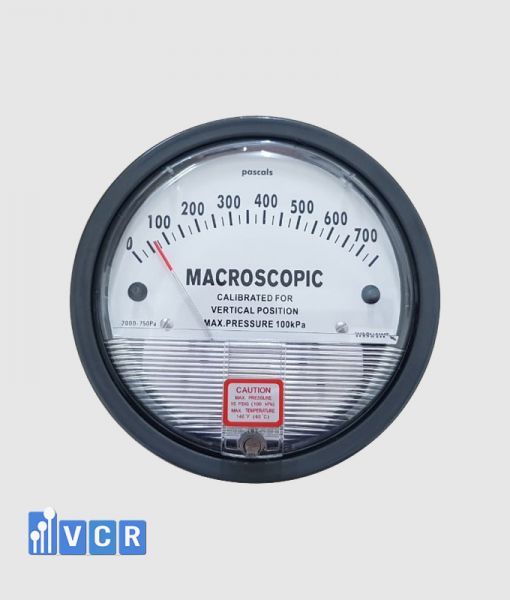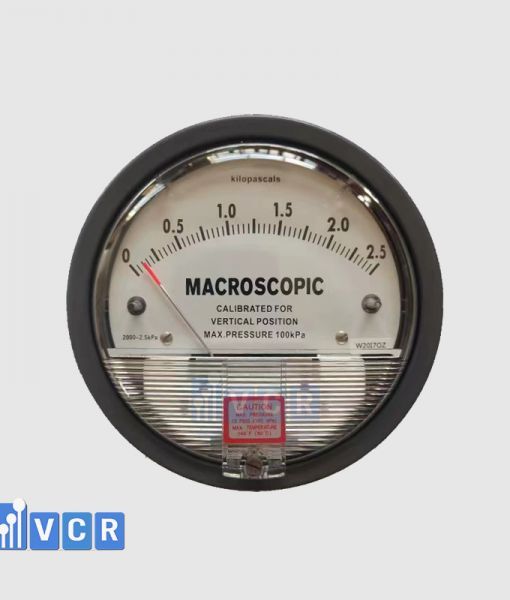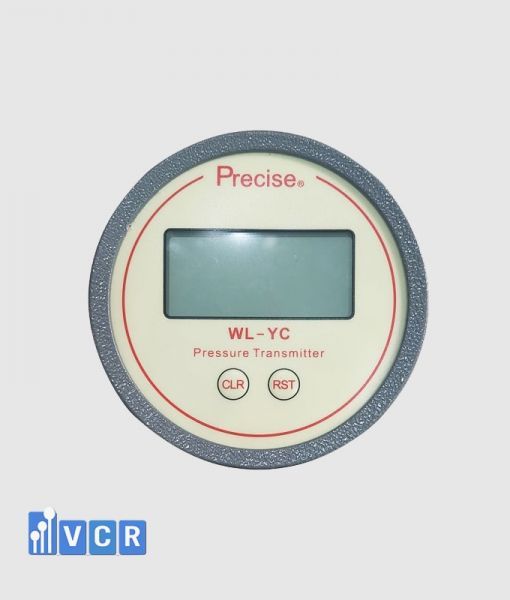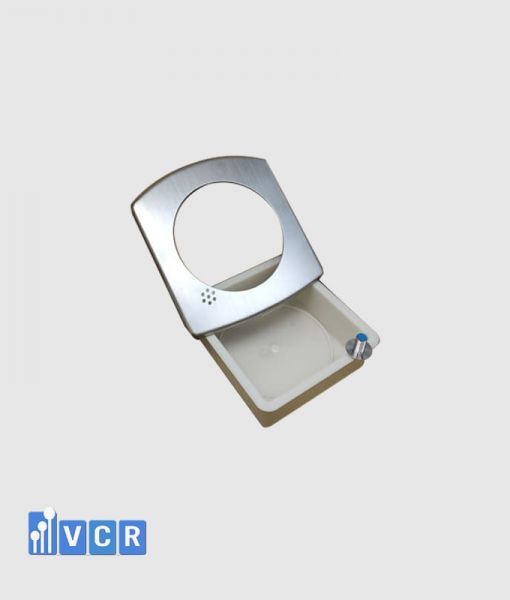

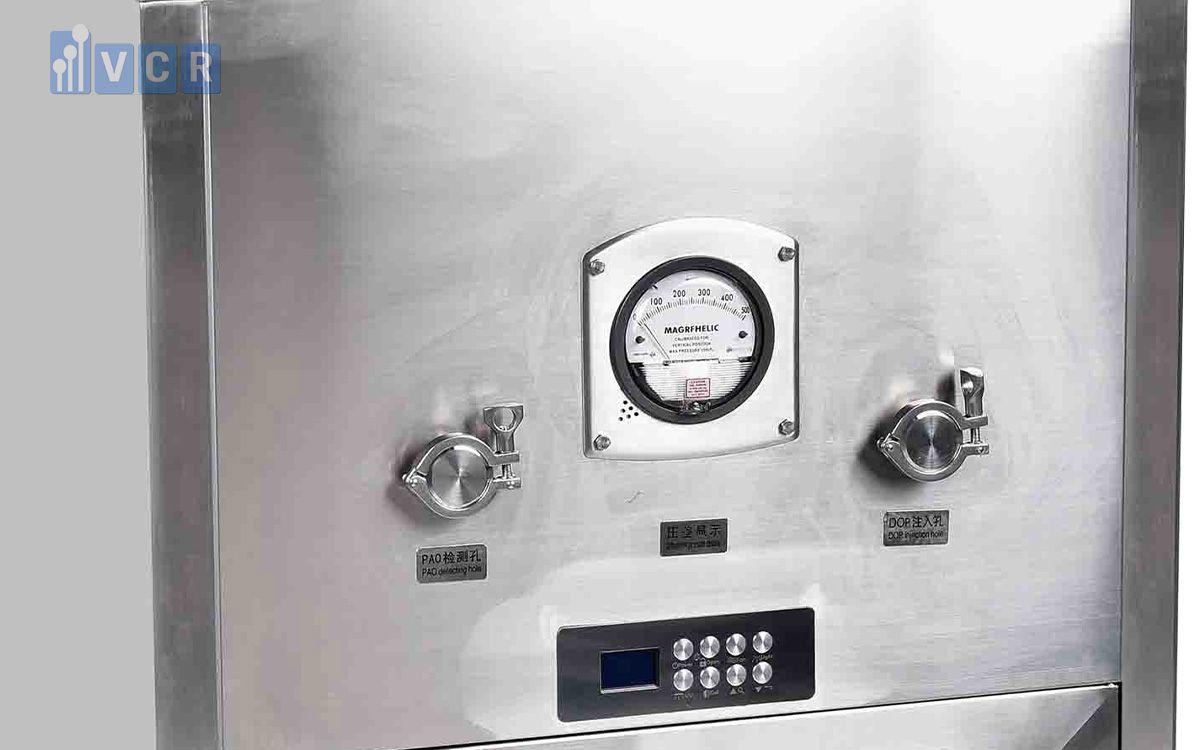
A differential pressure gauge in the pharmaceutical industry helps control cleanroom pressure, airflow, HEPA filtration, and cross-contamination risks.
- What Is a Differential Pressure Gauge in the Pharmaceutical Industry?
- Why Does the Pharmaceutical Industry Need Differential Pressure Gauges?
- The Role of Differential Pressure Gauges in Pharmaceutical Cleanrooms
- Where Are Differential Pressure Gauges Installed in Pharmaceutical Factories?
- Applications of Differential Pressure Gauges in the Pharmaceutical Industry
- How to Choose a Differential Pressure Gauge for the Pharmaceutical Industry
- Common Mistakes When Using Differential Pressure Gauges in Pharmaceutical Factories
- Where to Buy Differential Pressure Gauges for the Pharmaceutical Industry
- Frequently Asked Questions
- Do Pharmaceutical Factories Need Differential Pressure Gauges?
- What Is a Differential Pressure Gauge Used for in the Pharmaceutical Industry?
- What Differential Pressure Level Is Suitable for Pharmaceutical Cleanrooms?
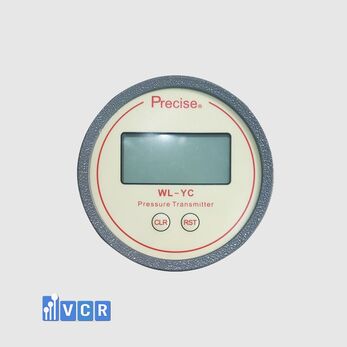
- Should Pharmaceutical Factories Use Mechanical or Electronic Gauges?
- When Should a Differential Pressure Gauge Be Calibrated?
- What Are the Benefits of Buying Pharmaceutical Differential Pressure Gauges from VCR?
- Conclusion
What Is a Differential Pressure Gauge in the Pharmaceutical Industry?
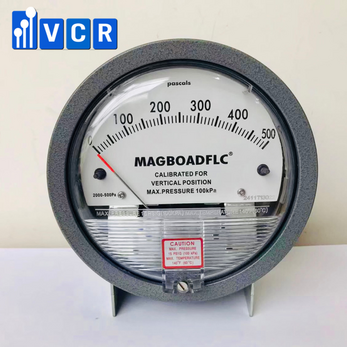
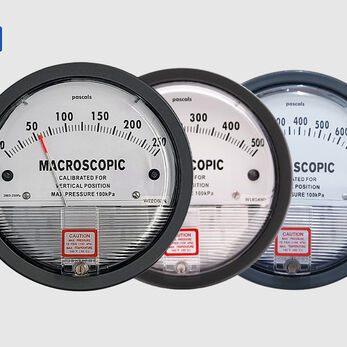
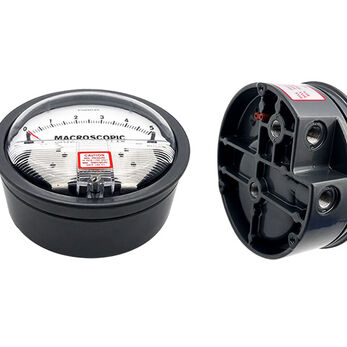
A differential pressure gauge in the pharmaceutical industry is a device used to monitor pressure differences between two areas, two rooms, two cleanliness zones, or two sides of a filter in a cleanroom system. It helps operators determine whether pressure is being maintained according to the design, thereby supporting airflow control, cross-contamination prevention, and stable production conditions.
In pharmaceutical factories, cleanroom pressure is a critical factor because it is directly related to product quality, operator safety, and environmental control status. Areas such as formulation rooms, weighing rooms, filling rooms, packaging rooms, microbiology laboratories, airlocks, buffer rooms, clean corridors, and negative pressure zones may all require differential pressure monitoring.
A differential pressure gauge is not only a display device. In the pharmaceutical industry, it is part of the contamination control system, helping the factory detect early signs of room pressure loss, dust-loaded HEPA filters, HVAC imbalance, or airflow moving in the wrong direction.
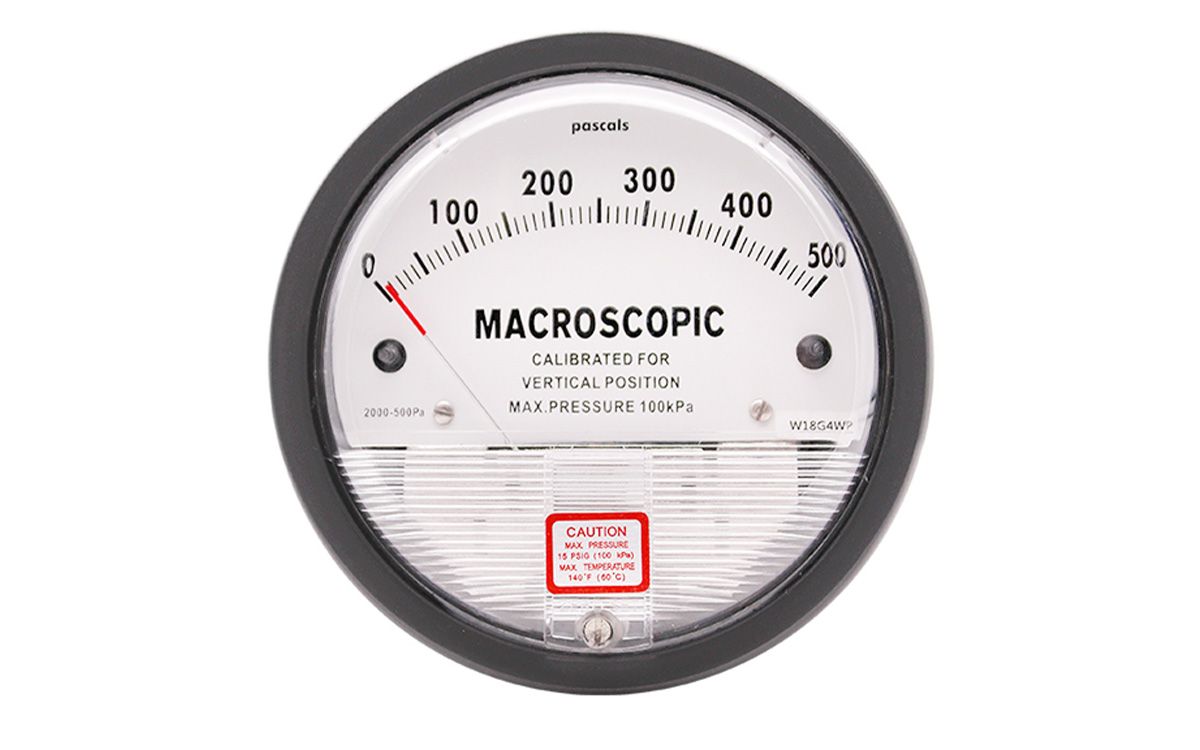
Why Does the Pharmaceutical Industry Need Differential Pressure Gauges?
The pharmaceutical industry needs differential pressure gauges to control cleanroom pressure, maintain airflow direction, and reduce cross-contamination risks between production areas. When pressure is unstable, dust, microorganisms, particles, or chemical vapors may move from one area to another, affecting product quality and GMP audit results.
In pharmaceutical manufacturing, each area often has different cleanliness classes, risk levels, and control objectives. Cleaner areas usually need protection from air coming from less clean areas. Conversely, areas handling potent active ingredients, solvents, powders, or materials with dispersion risks may require negative pressure control to prevent release into the surrounding environment.
A differential pressure gauge provides production, QA/QC, and engineering teams with a visual indicator to monitor cleanroom status. When readings change abnormally, the factory can check doors, fans, dampers, HEPA filters, AHU - Air Handling Unit, FFU - Fan Filter Unit, pressure tubing, or room tightness before the issue affects production.
The Role of Differential Pressure Gauges in Pharmaceutical Cleanrooms
The first role is controlling airflow direction. In pharmaceutical cleanrooms, air must move according to the designed direction, usually from cleaner areas to less clean areas or from safe areas to specially controlled areas. The gauge helps confirm that the differential pressure supports the intended airflow direction.
The second role is supporting cross-contamination control. Cross-contamination in pharmaceutical production may occur between products, between raw materials and intermediates, between clean and less clean areas, or between areas with different risk levels. Maintaining the correct differential pressure helps reduce the risk of air carrying dust, microorganisms, or active ingredients in the wrong direction.
The third role is monitoring HEPA filters and HVAC system condition. When HEPA filters become dust-loaded, differential pressure across the filter may increase. When the reading drops abnormally, leakage, filter installation, sealing gaskets, fans, or pressure tubing should be checked. This allows the engineering team to detect issues early before cleanliness level or room pressure is affected.
The fourth role is supporting GMP documentation. Pressure readings in critical areas may be recorded periodically for internal inspections, qualification, operational evaluation, and traceability when incidents occur. This is why differential pressure gauges are considered important devices in environmental condition management for pharmaceutical factories.
Where Are Differential Pressure Gauges Installed in Pharmaceutical Factories?
Differential pressure gauges are usually installed at transition points between two areas with different pressure requirements. Common locations include between cleanrooms and corridors, between production rooms and buffer rooms, between airlocks and production areas, between higher-grade and lower-grade clean areas, or between negative pressure zones and surrounding areas.
In pharmaceutical factories, common monitoring locations include weighing rooms, formulation rooms, mixing rooms, granulation rooms, tablet compression rooms, coating rooms, filling rooms, primary packaging rooms, microbiology laboratories, sampling rooms, gowning rooms, material airlocks, clean corridors, and potent compound handling areas.
In addition to room differential pressure, the device is also used to monitor differential pressure across HEPA filters, HEPA filter boxes, AHU - Air Handling Unit, FFU - Fan Filter Unit, Pass Boxes, Air Showers, Clean Booths, Dispensing Booths, Weighing Booths, and related cleanroom equipment. Each application requires a different pressure tapping position and measuring range.
Applications of Differential Pressure Gauges in the Pharmaceutical Industry
The first application is GMP cleanroom pressure control. The gauge helps confirm whether a room is maintaining positive or negative pressure according to the design. This is important in production areas that require strict cleanliness and contamination control.
The second application is airlock and buffer room control. Airlocks help reduce the risk of direct air exchange between two areas. A differential pressure gauge helps operators monitor pressure between the airlock, cleanroom, and corridor to ensure that pressure zoning is maintained correctly.
The third application is HEPA filter monitoring. In pharmaceutical factories, HEPA filters are commonly used in HEPA filter boxes, FFU - Fan Filter Unit, AHU - Air Handling Unit, LAF units, Clean Booths, or filling areas. Monitoring differential pressure across filters helps evaluate dust loading and plan maintenance properly.
The fourth application is controlling weighing, formulation, and powder handling areas. These areas may generate drug dust, active ingredients, or powder raw materials. A differential pressure gauge helps control airflow direction, limit dispersion, and reduce cross-contamination risks.
The fifth application is supporting inspection, qualification, and GMP audits. Differential pressure readings can be recorded in operation logs, qualification documents, inspection checklists, or monitoring systems. When abnormalities occur, this data helps the factory trace and evaluate possible causes.
How to Choose a Differential Pressure Gauge for the Pharmaceutical Industry
The first criterion is a suitable measuring range. The measuring range should be based on the application: room-to-room differential pressure, HEPA filter differential pressure, cleanroom equipment monitoring, or HVAC system monitoring. One common range should not be used for all positions because each application has different pressure levels.
The second criterion is the gauge type. Mechanical gauges are suitable for locations that require direct observation, easy reading, and reasonable cost. Electronic gauges or differential pressure sensors are suitable for areas requiring alarms, signal transmission, continuous monitoring, or connection to BMS, EMS, and cleanroom monitoring systems.
The third criterion is stability and calibration capability. In the pharmaceutical industry, measuring devices should be suitable for periodic inspection and measuring equipment management plans. A gauge with clear specifications, easy calibration, and complete technical documentation is more convenient for operation and GMP evaluation.
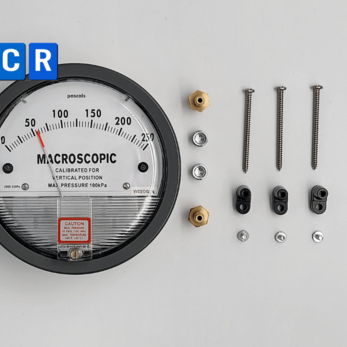
The fourth criterion is installation position and pressure tapping points. Pressure tapping points should avoid airflow disturbance, air diffusers, doors, or direct airflow. For HEPA filter monitoring, the two pressure ports must be placed correctly before and after the filter so the reading has practical value.
The fifth criterion is operating conditions. In pharmaceutical environments, the gauge should be easy to observe, easy to clean, suitable for cleanroom panels or equipment, limit dust accumulation points, and avoid interfering with area cleaning procedures.
Common Mistakes When Using Differential Pressure Gauges in Pharmaceutical Factories
The most common mistake is choosing the wrong measuring range. If the range is too large, operators may find it difficult to identify small changes. If the range is too small, the gauge may exceed its scale when the system changes. This reduces the monitoring value of the device.
The second mistake is installing pressure tapping points incorrectly. If the tapping point is placed near a door, air diffuser, fan, or pressure-disturbed area, the reading may fluctuate and fail to reflect actual pressure. For HEPA filter monitoring, incorrect placement before and after the filter can make filter condition evaluation inaccurate.
The third mistake is not checking pressure tubing. Bent, blocked, loose, leaking, or dust-loaded pressure tubing can distort the reading. In pharmaceutical factories, this error may lead to an incorrect assessment of the controlled status of an area.
The fourth mistake is observing only the gauge without evaluating the entire system. Differential pressure should be reviewed together with airflow, air change rate, cleanliness class, room tightness, door condition, HEPA filter status, and environmental monitoring results. If only one parameter is used, the conclusion may be incomplete.
The fifth mistake is neglecting calibration. A gauge may still display readings but no longer be accurate after long-term use. In GMP areas, periodic inspection and calibration improve the reliability of operational data.
Where to Buy Differential Pressure Gauges for the Pharmaceutical Industry
When purchasing differential pressure gauges for the pharmaceutical industry, businesses should choose a supplier that understands cleanrooms, GMP, HVAC systems, HEPA filtration, and cross-contamination control requirements. Device selection should not be based only on model or price, but also on measurement purpose, measuring range, installation position, operating conditions, calibration requirements, and alarm needs.
VCR Cleanroom Equipment can advise on suitable differential pressure gauges for pharmaceutical factories, GMP cleanrooms, weighing rooms, formulation rooms, filling rooms, packaging rooms, microbiology laboratories, airlocks, buffer rooms, HEPA filter boxes, AHU - Air Handling Unit, FFU - Fan Filter Unit, Pass Boxes, Air Showers, Clean Booths, and Weighing Booths.
If a pharmaceutical factory needs to buy a differential pressure gauge, it should provide information about the installation area, measurement purpose, desired pressure range, room or equipment type, calibration requirements, alarm requirements, and current HVAC system condition. From there, VCR Cleanroom Equipment can propose a solution that better matches actual operating needs.
Frequently Asked Questions
Do Pharmaceutical Factories Need Differential Pressure Gauges?
Yes. Pharmaceutical factories need differential pressure gauges to monitor cleanroom pressure, control airflow direction, and reduce cross-contamination risks. The device is commonly installed in cleanrooms, airlocks, buffer rooms, weighing rooms, formulation rooms, filling rooms, microbiology laboratories, and HEPA filter boxes. VCR Cleanroom Equipment can recommend suitable gauges based on each actual application area.
What Is a Differential Pressure Gauge Used for in the Pharmaceutical Industry?
A differential pressure gauge in the pharmaceutical industry is used to monitor pressure differences between two rooms, between a cleanroom and corridor, between an airlock and production area, or across a HEPA filter. It helps operators confirm whether pressure is stable, airflow is moving in the correct direction, and HEPA filters show signs of dust loading. This is an important parameter in GMP environmental control.
What Differential Pressure Level Is Suitable for Pharmaceutical Cleanrooms?
The suitable differential pressure level depends on HVAC design, cleanliness class, contamination control objectives, product type, and internal procedures of each factory. A single value should not be applied to every area. Positive pressure rooms, negative pressure rooms, airlocks, weighing rooms, formulation rooms, and filling areas may have different requirements. Gauge selection should be based on design documents and actual operating needs.
Should Pharmaceutical Factories Use Mechanical or Electronic Gauges?
If only on-site observation is needed, a mechanical gauge is suitable because it is easy to read, easy to install, and cost-effective. If the area requires alarms, signal transmission, continuous monitoring, or data logging, an electronic gauge or differential pressure sensor will be more suitable. For critical areas in pharmaceutical factories, VCR Cleanroom Equipment can advise on the appropriate option based on control requirements.
When Should a Differential Pressure Gauge Be Calibrated?
A differential pressure gauge should be calibrated according to the factory’s measuring equipment management plan or when abnormal signs appear, such as the pointer not returning to zero, fluctuating readings, device impact, loose pressure tubing, or readings that do not match operating conditions. In GMP areas, periodic calibration improves parameter reliability and supports quality documentation.
What Are the Benefits of Buying Pharmaceutical Differential Pressure Gauges from VCR?
When purchasing from VCR Cleanroom Equipment, customers receive advice based on actual pharmaceutical applications rather than simply selecting a generic model. VCR can support determination of measuring range, gauge type, pressure tapping position, calibration requirements, alarms, and compatibility with GMP cleanrooms, HVAC systems, HEPA filtration, or cleanroom equipment. This helps factories reduce the risk of choosing the wrong device and operate the system more stably.
Conclusion
A differential pressure gauge in the pharmaceutical industry is an important device for controlling cleanroom pressure, airflow direction, HEPA filter condition, and cross-contamination risks. When selected with the correct measuring range, installed in the right position, and calibrated periodically, it helps the factory operate more stably and provides a clearer basis for environmental control.
If your business needs differential pressure gauges for pharmaceutical factories, GMP cleanrooms, airlocks, buffer rooms, weighing rooms, formulation rooms, filling rooms, HEPA filter boxes, AHU - Air Handling Unit, FFU - Fan Filter Unit, or related cleanroom equipment, contact VCR Cleanroom Equipment for support in selecting the right solution for actual operating needs.