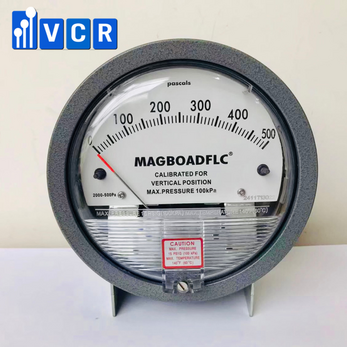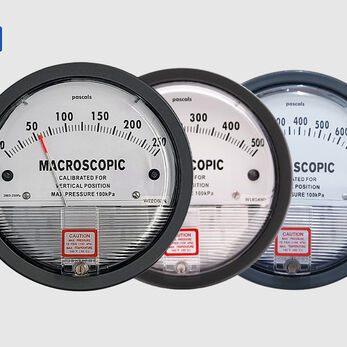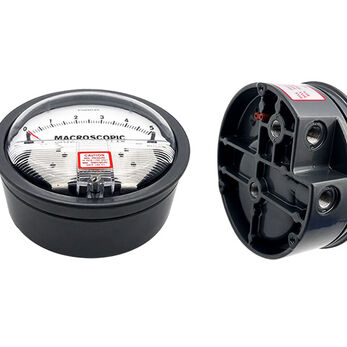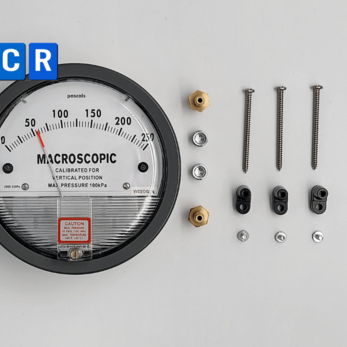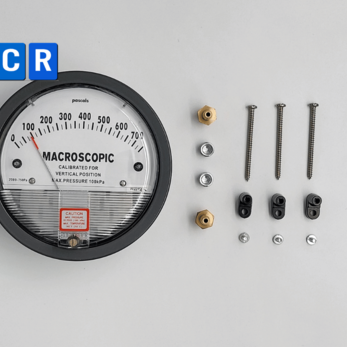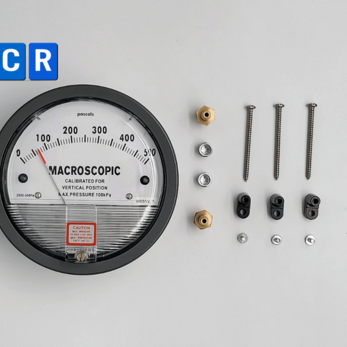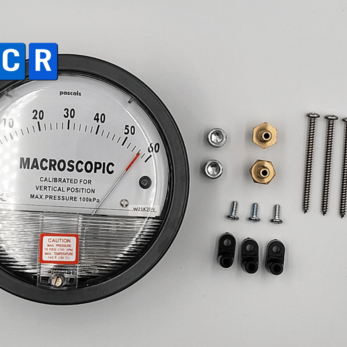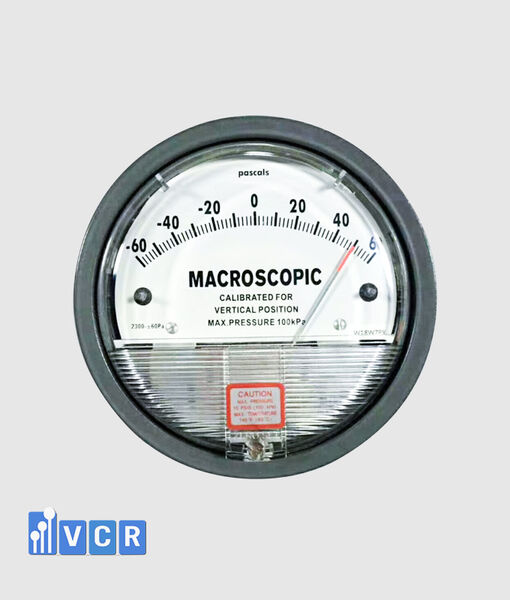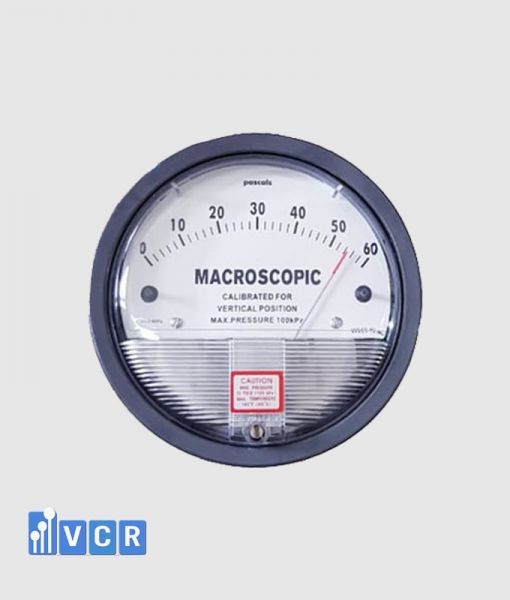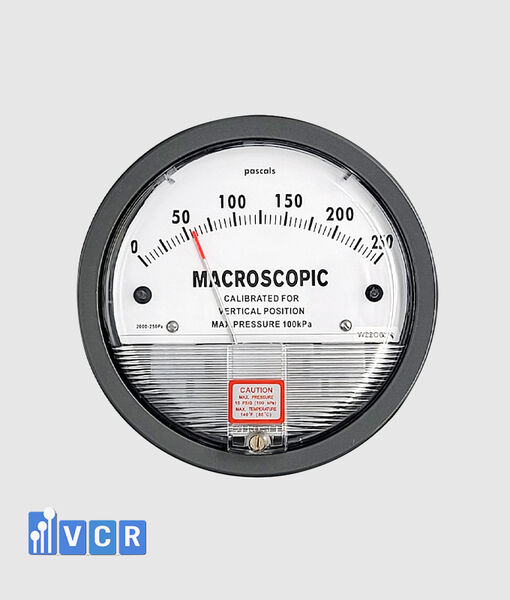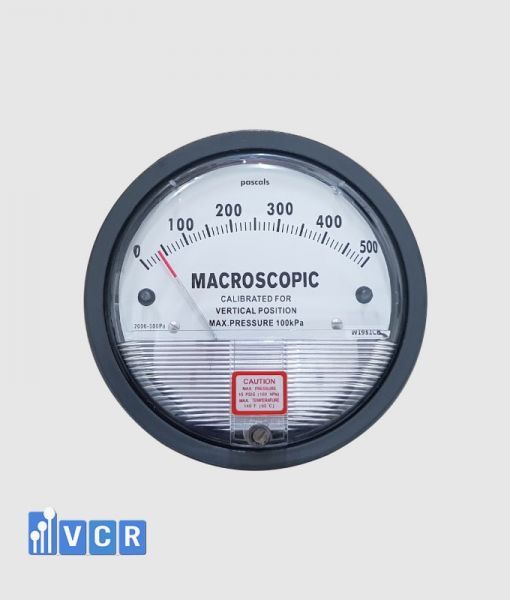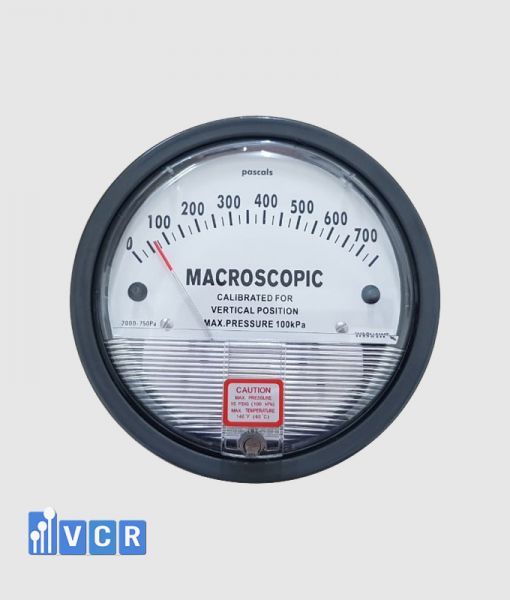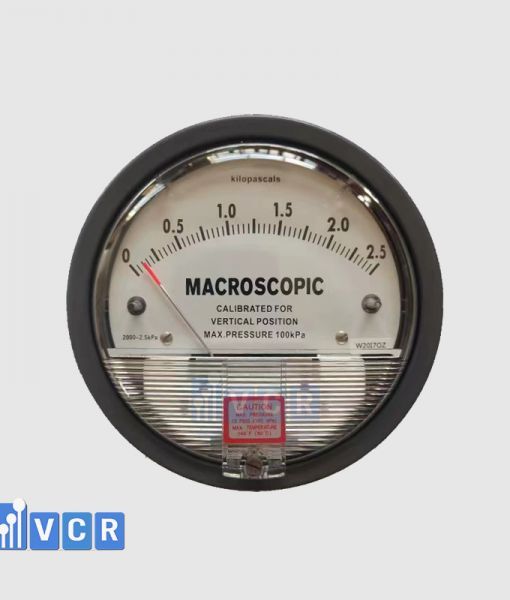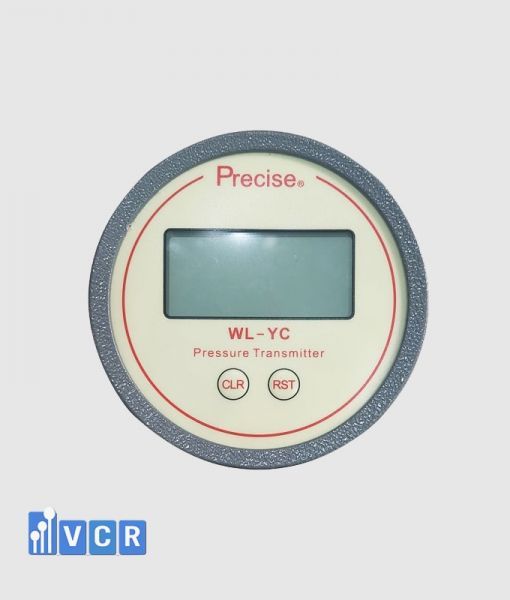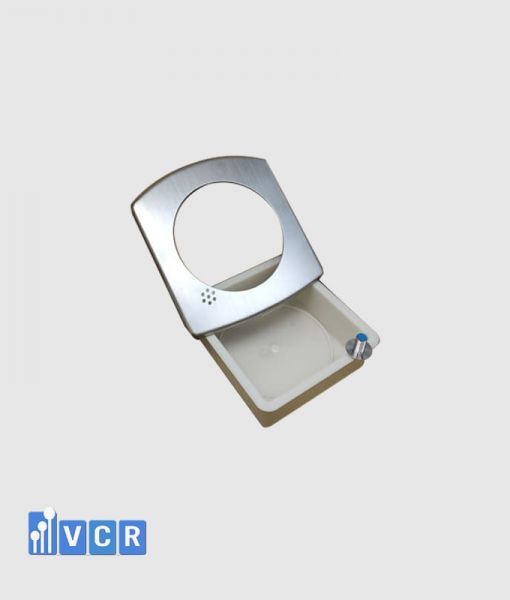

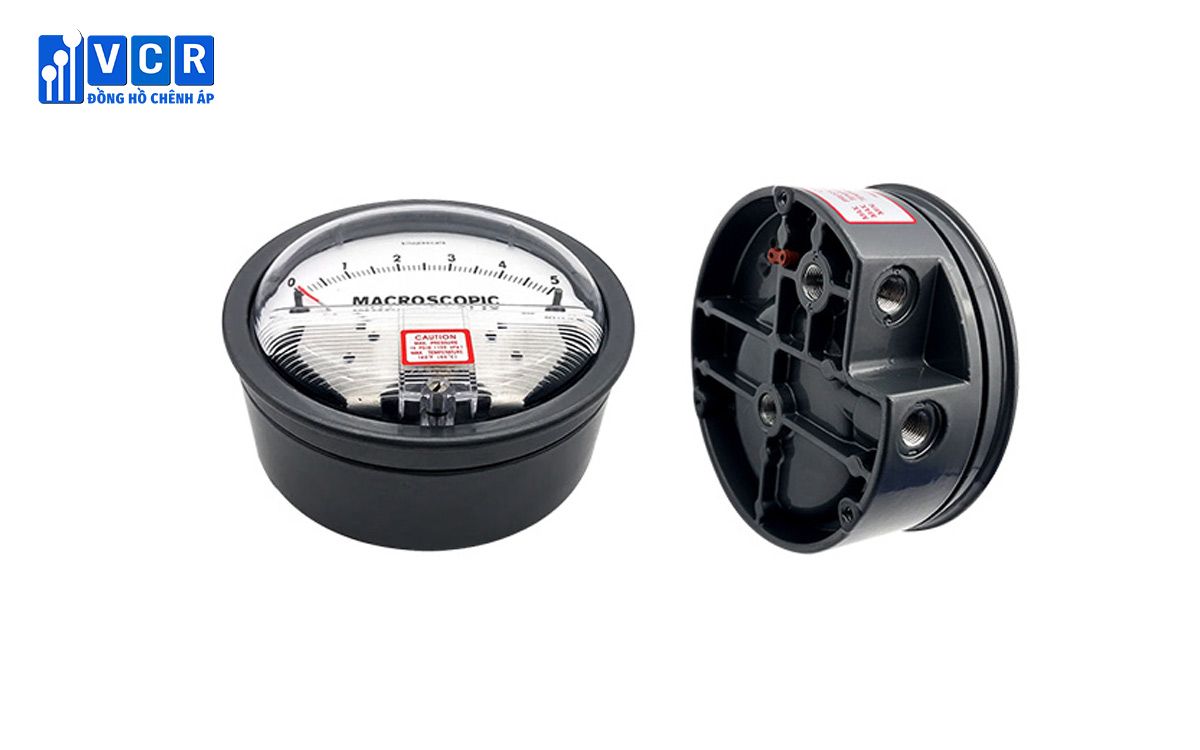
A differential pressure gauge in the electronics and semiconductor industry helps control pressure, fine particles, airflow, and cleanroom environments.
- What Is a Differential Pressure Gauge in the Electronics and Semiconductor Industry?
- Why Does the Electronics and Semiconductor Industry Need Differential Pressure Gauges?
- The Role of Differential Pressure Gauges in Electronics and Semiconductor Cleanrooms
- Where Are Differential Pressure Gauges Installed in Electronics and Semiconductor Facilities?
- Applications of Differential Pressure Gauges in Electronics and Semiconductor Manufacturing
- How to Choose a Differential Pressure Gauge for Electronics and Semiconductor Applications
- Mechanical Gauge or Differential Pressure Sensor?
- Common Mistakes When Selecting Differential Pressure Gauges in Electronics and Semiconductor Facilities
- Where to Buy Differential Pressure Gauges for Electronics and Semiconductor Facilities
- Frequently Asked Questions
- Does the Electronics and Semiconductor Industry Need Differential Pressure Gauges?
- Where Are Differential Pressure Gauges Used in Semiconductor Factories?
- Should Electronics Cleanrooms Use Mechanical Gauges or Electronic Sensors?
- Can Differential Pressure Gauges Be Used for FFU Systems?
- How Should the Measuring Range Be Selected for Semiconductor Cleanrooms?
- What Are the Benefits of Buying Electronics and Semiconductor Gauges from VCR?
- Conclusion
What Is a Differential Pressure Gauge in the Electronics and Semiconductor Industry?
A differential pressure gauge in the electronics and semiconductor industry is a device used to monitor pressure difference between two areas, two rooms, or two sides of a filter in a cleanroom system. It helps operators check whether pressure is maintained according to design, thereby controlling airflow direction, fine dust, airborne particles, and contamination risks during production.
In electronics and semiconductor manufacturing, products are highly sensitive to dust, tiny particles, static electricity, humidity, and environmental fluctuations. Even very small particles may affect components, circuit boards, sensors, displays, chips, or high-precision processes. Therefore, cleanrooms in this industry require strict control of airflow and pressure between areas.
Differential pressure gauges are commonly installed between cleanrooms and clean corridors, between production rooms and buffer rooms, between airlocks and production areas, or across HEPA/ULPA filters. The device helps detect early signs of pressure loss, filter loading, reduced fan performance, poor door sealing, or HVAC imbalance.
![dong-ho-chenh-ap-1.[1]](/vcr-dhc-media/2024/3/14/dong-ho-chenh-ap-1.%5B1%5D.jpg)
Why Does the Electronics and Semiconductor Industry Need Differential Pressure Gauges?
The electronics and semiconductor industry needs differential pressure gauges to control airflow direction and maintain a stable clean environment. When pressure between areas is properly maintained, air moves in the designed direction, helping prevent dust, airborne particles, and impurities from entering sensitive production areas.
In circuit board, electronic component, display, sensor, battery, wafer, chip, and semiconductor device manufacturing, the production environment must be strictly controlled. If room pressure is unstable, air from less clean areas may enter cleaner areas, increasing the risk of product defects.
A differential pressure gauge helps engineering, operations, and QA/QC teams monitor cleanroom status daily. When readings change abnormally, the factory can check AHU - Air Handling Unit, FFU - Fan Filter Unit, HEPA/ULPA filters, doors, interlocks, dampers, pressure tubing, or room tightness before the issue affects production.
The Role of Differential Pressure Gauges in Electronics and Semiconductor Cleanrooms
The first role is pressure zoning control. In electronics and semiconductor cleanrooms, areas are often divided by cleanliness class, process sensitivity, and particle control requirements. The gauge confirms whether pressure between areas is maintained according to design.
The second role is supporting airborne particle control. When airflow moves in the wrong direction, dust and fine particles from support areas may enter main production areas. Differential pressure monitoring helps detect pressure imbalance so the factory can respond in time.
The third role is monitoring HEPA/ULPA filter condition. In semiconductor and precision electronics facilities, air filtration systems often have high requirements. When filters become dust-loaded, differential pressure across the filter increases, showing that airflow resistance has changed. This data is important for maintenance or filter replacement planning.
The fourth role is supporting operational monitoring. In factories with BMS/EMS, differential pressure gauges or differential pressure sensors can transmit signals to central systems, enabling continuous monitoring, alarms, and operating data logging.
Where Are Differential Pressure Gauges Installed in Electronics and Semiconductor Facilities?
Differential pressure gauges are usually installed at transition points between two areas with different pressure requirements. Common locations include between cleanrooms and clean corridors, between production rooms and buffer rooms, between airlocks and production areas, between gowning rooms and corridors, or between areas with different cleanliness classes.
In electronics and semiconductor factories, common monitoring areas include component production rooms, assembly rooms, inspection rooms, SMT areas, wafer rooms, chip packaging rooms, quality control areas, ISO 5/ISO 6/ISO 7/ISO 8 cleanrooms, buffer rooms, airlocks, and clean corridors.
In addition to room pressure monitoring, the device is also used to monitor differential pressure across HEPA Boxes, HEPA filter boxes, ULPA filters, FFU - Fan Filter Unit, AHU - Air Handling Unit, Clean Booths, Clean Benches, Pass Boxes, and Air Showers. Each location has a different measurement purpose, so the measuring range and pressure tapping points must be selected correctly.
Applications of Differential Pressure Gauges in Electronics and Semiconductor Manufacturing
The first application is cleanroom control for electronic component manufacturing. The gauge monitors pressure between production areas and clean corridors, ensuring that air moves in the intended direction to reduce dust and airborne particles.
The second application is semiconductor cleanroom control. In wafer processing, chip packaging, IC testing, or sensor manufacturing areas, the clean environment must remain stable. Differential pressure monitoring helps maintain clean zoning and detect early abnormalities in the air system.
The third application is FFU - Fan Filter Unit and HEPA/ULPA filter monitoring. Many electronics cleanrooms use ceiling FFU systems to supply clean air. Differential pressure monitoring helps evaluate filter condition and clean air supply performance.
The fourth application is Clean Booth and localized clean production control. Some sensitive processes may be placed in Clean Booths or localized clean zones. Differential pressure gauges help confirm that these areas are properly protected from the surrounding environment.
The fifth application is BMS/EMS monitoring support. With differential pressure sensors using 4-20mA or 0-10V signals, factories can monitor pressure continuously, set alarms, and record data for operation, maintenance, and quality management.
How to Choose a Differential Pressure Gauge for Electronics and Semiconductor Applications
The first criterion is identifying the measurement purpose. Is the gauge used for room pressure monitoring, pressure difference between two areas, HEPA/ULPA filter monitoring, FFU monitoring, HEPA Box, Clean Booth, or AHU system monitoring? Each application requires a different measuring range and device type.
The second criterion is selecting the correct measuring range. For room pressure monitoring, a sensitive range should be selected to detect small changes. For HEPA/ULPA filters or FFU - Fan Filter Unit monitoring, the range should match filter resistance and designed airflow volume.
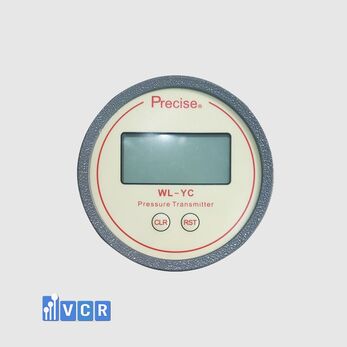
The third criterion is choosing between mechanical and electronic devices. Mechanical gauges are suitable for local observation, clear reading, and reasonable cost. Electronic gauges or differential pressure sensors are suitable for areas requiring alarms, signal transmission, continuous monitoring, or BMS/EMS connection.
The fourth criterion is stability and calibration capability. In electronics and semiconductor manufacturing, the production environment often requires continuous control. Therefore, the device should have clear specifications, stable performance, easy inspection, and suitability for the factory’s measuring equipment management plan.
The fifth criterion is compatibility with the existing cleanroom system. If the factory uses many FFUs, HEPA Boxes, Clean Booths, or central monitoring systems, the gauge or sensor should integrate well with the actual operating design.
Mechanical Gauge or Differential Pressure Sensor?
A mechanical differential pressure gauge is suitable for locations requiring direct on-site reading, such as cleanroom entrances, buffer rooms, clean corridors, gowning areas, or HEPA filter monitoring points. Its advantages include easy observation, simple installation, no need for complex monitoring systems, and reasonable cost.
A differential pressure sensor or electronic gauge is suitable for areas requiring continuous monitoring, automatic alarms, data transmission, or BMS/EMS connection. In electronics and semiconductor factories, critical areas often require stable data and early warning when pressure exceeds limits.
A suitable solution may combine both. Local display helps operators check pressure quickly, while sensors transmitting data to the central monitoring system allow engineering teams to monitor continuously and analyze pressure trends.
Common Mistakes When Selecting Differential Pressure Gauges in Electronics and Semiconductor Facilities
The first mistake is selecting a measuring range that is too large. When the range is too large, small changes are difficult to observe, while electronics and semiconductor cleanrooms often need to monitor very small pressure variations.
The second mistake is using the same range for room pressure and HEPA/ULPA filter monitoring. These are different applications. Room pressure monitoring requires a more sensitive range, while filter monitoring requires a range suitable for filter resistance.
The third mistake is installing pressure tapping points in disturbed airflow areas. If tapping points are near doors, diffusers, fans, FFUs, or strong airflow, readings may fluctuate and fail to represent actual room pressure.
The fourth mistake is ignoring central monitoring requirements. In modern electronics and semiconductor factories, many areas need BMS/EMS connection. If only mechanical gauges are used in critical areas, the factory may lack alarm and traceability data.
The fifth mistake is neglecting periodic inspection. Gauges or sensors may drift over time. Pressure tubing may become blocked, loose, or leak. Periodic inspection helps ensure reliable pressure data.
Where to Buy Differential Pressure Gauges for Electronics and Semiconductor Facilities
Businesses should buy differential pressure gauges for electronics and semiconductor facilities from a cleanroom equipment specialist because the device is directly related to airborne particle control, airflow direction, HEPA/ULPA filtration, FFU, AHU, and pressure zoning. Selecting the correct device helps cleanrooms operate more stably and reduces product risk.
VCR Cleanroom Equipment can advise and supply differential pressure gauges for electronics factories, semiconductor factories, ISO 5/ISO 6/ISO 7/ISO 8 cleanrooms, buffer rooms, airlocks, clean corridors, HEPA Boxes, AHU - Air Handling Unit, FFU - Fan Filter Unit, Clean Booths, Clean Benches, Pass Boxes, and Air Showers.
When requesting consultation, businesses should provide the installation area, cleanroom class, measurement purpose, desired range, HEPA/ULPA filter type, 4-20mA signal requirement, alarm requirement, calibration requirement, and documentation needs. From there, VCR Cleanroom Equipment can recommend a suitable device for each application.
Frequently Asked Questions
Does the Electronics and Semiconductor Industry Need Differential Pressure Gauges?
Yes. Electronics and semiconductor facilities need differential pressure gauges to control cleanroom pressure, airflow direction, and the risk of fine particles entering production areas. The device helps detect early signs of room pressure loss, HEPA/ULPA filter loading, or HVAC imbalance. VCR Cleanroom Equipment can recommend suitable devices based on cleanroom class and application.
Where Are Differential Pressure Gauges Used in Semiconductor Factories?
In semiconductor factories, differential pressure gauges are commonly used in cleanrooms, clean corridors, airlocks, buffer rooms, wafer areas, chip packaging areas, inspection areas, HEPA Boxes, FFU - Fan Filter Unit, and Clean Booths. The device helps monitor pressure zoning and maintain a stable clean environment for sensitive processes.
Should Electronics Cleanrooms Use Mechanical Gauges or Electronic Sensors?
If only local observation is required, a mechanical gauge is suitable. If the area requires continuous monitoring, alarms, data transmission, or BMS/EMS connection, a differential pressure sensor or electronic gauge should be used. For sensitive production areas, a combination of local display and central signal transmission is often more suitable.
Can Differential Pressure Gauges Be Used for FFU Systems?
Yes. Differential pressure gauges can be used to monitor pressure difference across HEPA/ULPA filters in FFU - Fan Filter Unit systems. This reading helps evaluate filter condition, airflow resistance, and filter loading trends. When readings rise abnormally, filters, fans, pressure tubing, and clean air supply system operation should be checked.
How Should the Measuring Range Be Selected for Semiconductor Cleanrooms?
The measuring range should be selected based on measurement purpose. For room-to-room pressure monitoring, a sensitive range should be used to observe small changes. For HEPA/ULPA filter, FFU, or AHU monitoring, the range should match filter resistance and airflow volume. One range should not be used for the entire factory if applications are different.
What Are the Benefits of Buying Electronics and Semiconductor Gauges from VCR?
When buying from VCR Cleanroom Equipment, customers receive advice based on cleanroom class, installation location, measurement purpose, measuring range, alarm requirement, 4-20mA signal needs, and documentation requirements. VCR can support differential pressure gauges for electronics factories, semiconductor facilities, HEPA Boxes, FFU - Fan Filter Unit, AHU - Air Handling Unit, Clean Booths, Pass Boxes, and Air Showers.
Conclusion
A differential pressure gauge in the electronics and semiconductor industry is an important device for controlling pressure, airflow direction, airborne particles, and HEPA/ULPA filter condition. When the correct range, installation location, and device type are selected, the factory can maintain a more stable clean environment, reduce product defect risks, and improve operational control.
If your business needs differential pressure gauges for electronics factories, semiconductor facilities, ISO cleanrooms, HEPA Boxes, FFU - Fan Filter Unit, AHU - Air Handling Unit, or cleanroom systems, contact VCR Cleanroom Equipment for support in selecting the right solution for actual operating needs.