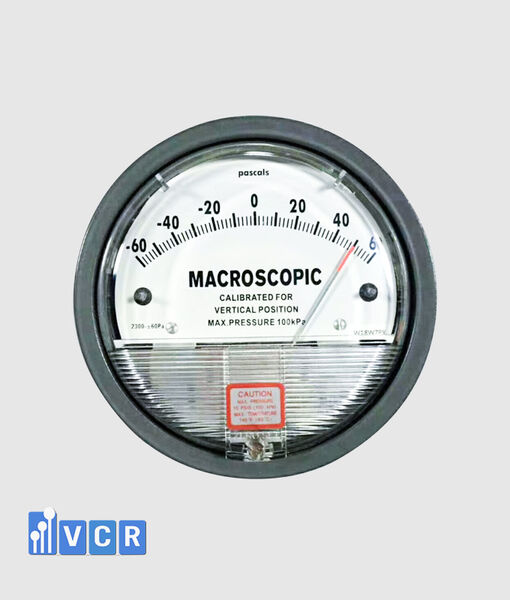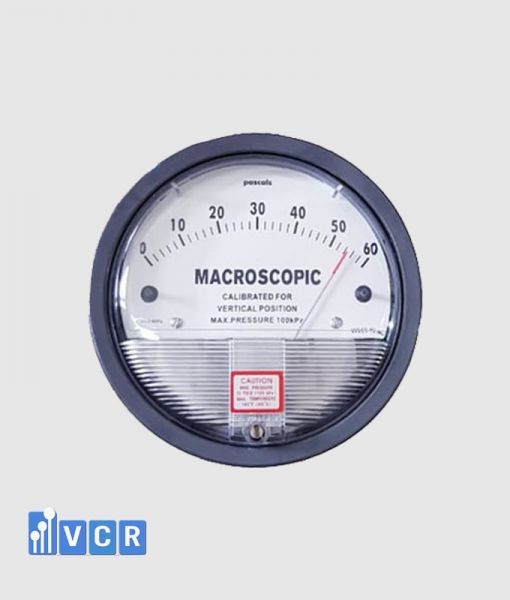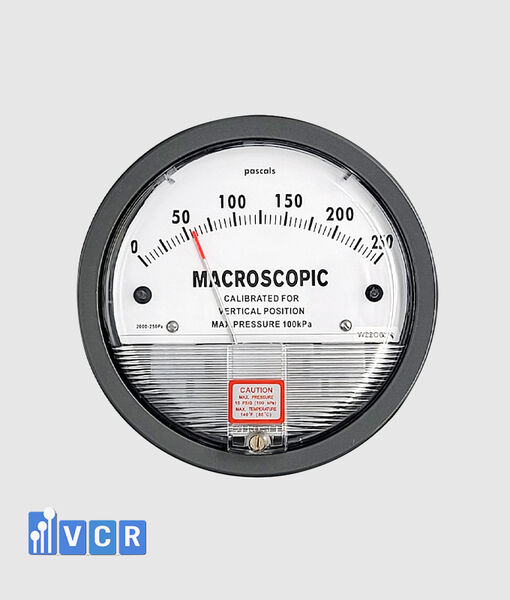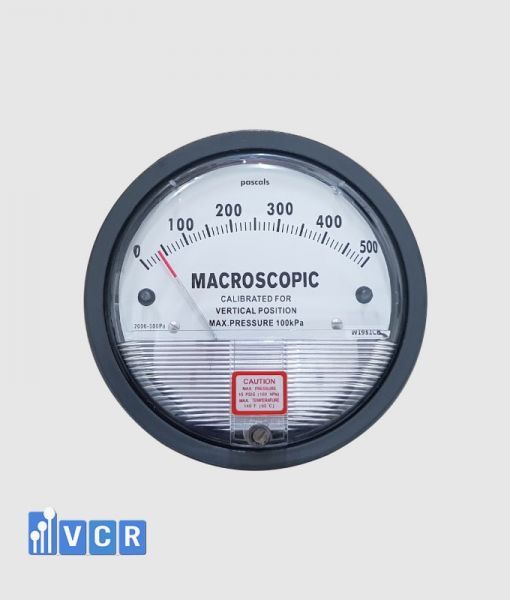

A differential pressure gauge in the cosmetics industry helps control cleanroom pressure, airflow, HEPA filtration, and cross-contamination risks.
- What Is a Differential Pressure Gauge in the Cosmetics Industry?
- Why Does the Cosmetics Industry Need Differential Pressure Gauges?
- The Role of Differential Pressure Gauges in Cosmetics Cleanrooms
- Where Are Differential Pressure Gauges Installed in Cosmetics Factories?
- Applications of Differential Pressure Gauges in the Cosmetics Industry
- How to Choose a Differential Pressure Gauge for the Cosmetics Industry
- Common Mistakes When Using Differential Pressure Gauges in Cosmetics Factories
- Where to Buy Differential Pressure Gauges for the Cosmetics Industry
- Frequently Asked Questions
- Do Cosmetics Factories Need Differential Pressure Gauges?
- What Is a Differential Pressure Gauge Used for in the Cosmetics Industry?
- Does a Cosmetics Formulation Room Need Differential Pressure Monitoring?
- Should a Cosmetics Filling Room Use a Mechanical or Electronic Gauge?
- When Should a Differential Pressure Gauge Be Calibrated in a Cosmetics Factory?
- What Are the Benefits of Buying Cosmetics Differential Pressure Gauges from VCR?
- Conclusion
What Is a Differential Pressure Gauge in the Cosmetics Industry?
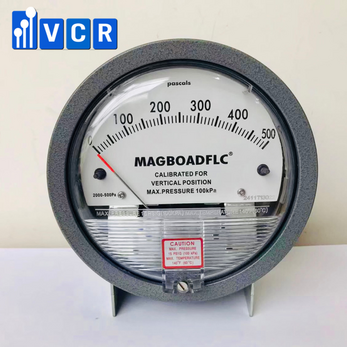
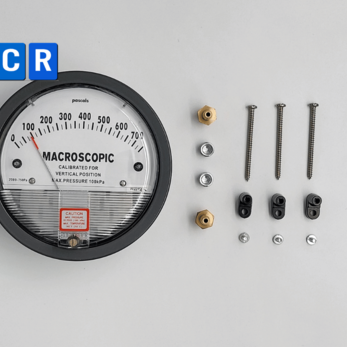
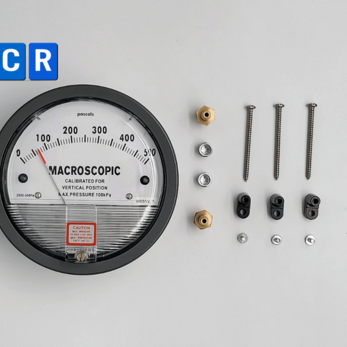
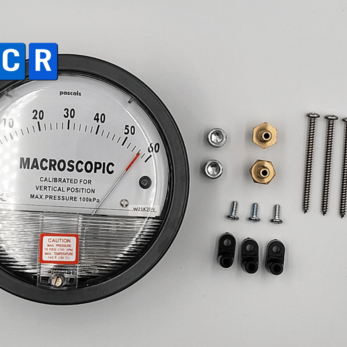
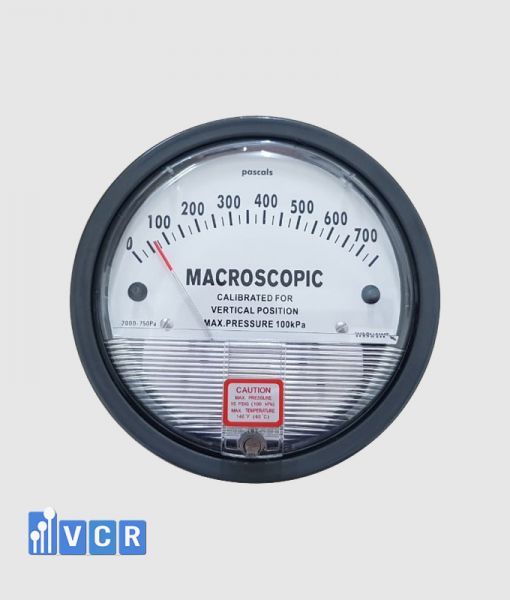
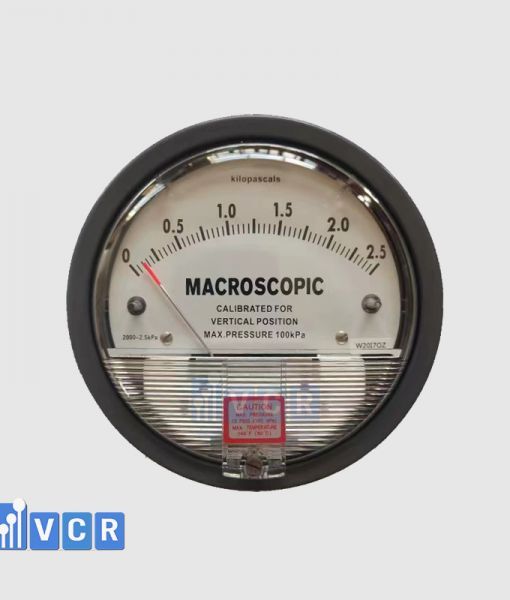
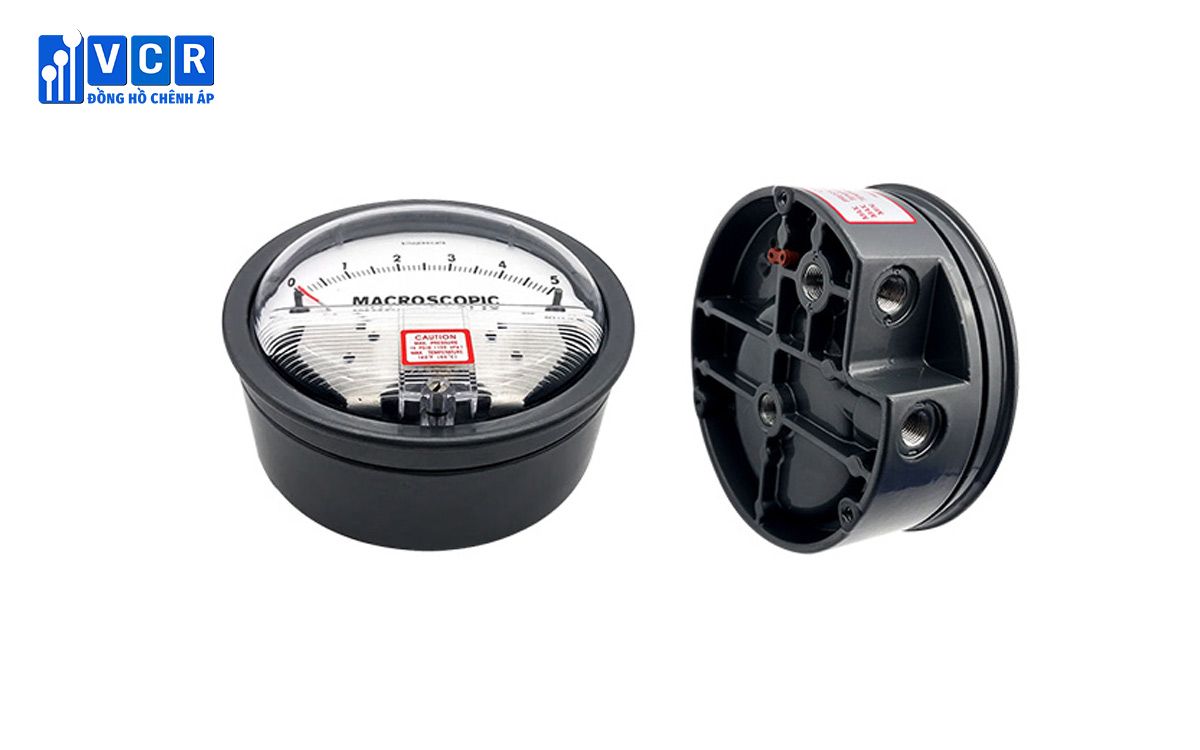
A differential pressure gauge in the cosmetics industry is a device used to monitor pressure differences between two areas, two rooms, or two sides of a filter in a cleanroom system. It helps operators determine whether room pressure is being maintained according to the design, thereby supporting airflow control, dust control, microbial control, and cross-contamination prevention during cosmetics manufacturing.
In cosmetics factories, many areas require clean and stable environments, such as raw material weighing rooms, formulation rooms, emulsification rooms, filling rooms, primary packaging rooms, testing laboratories, sample storage rooms, gowning rooms, buffer rooms, and clean corridors. If pressure between areas is not controlled, air from less clean areas may move into cleaner areas and affect product quality.
A differential pressure gauge is not only a display device. In cosmetics production, it is an environmental control tool that helps detect early signs of room pressure loss, dust-loaded HEPA filters, reduced fan performance, poor door sealing, or HVAC system imbalance.
![dong-ho-chenh-ap-1.[1]](/vcr-dhc-media/2024/3/14/dong-ho-chenh-ap-1.%5B1%5D.jpg)
Why Does the Cosmetics Industry Need Differential Pressure Gauges?
The cosmetics industry needs differential pressure gauges to control cleanroom pressure, maintain airflow direction, and reduce cross-contamination risks between production areas. Cosmetic products come into direct contact with skin, hair, lips, or sensitive areas of the body, so manufacturing conditions must be controlled to reduce dust, microorganisms, impurities, and odors entering the product from other areas.
In the production of creams, serums, facial cleansers, shampoos, perfumes, lipsticks, masks, skincare products, or powder cosmetics, each area has different risk levels. Formulation and filling areas often need better protection than support areas. Areas handling powders, fragrances, or solvents may require airflow control to limit dispersion.
A differential pressure gauge provides operators, QA/QC, and engineering teams with a visual indicator to monitor cleanroom status. When readings change abnormally, the factory can check doors, fans, dampers, HEPA filters, AHU - Air Handling Unit, FFU - Fan Filter Unit, pressure tubing, or room tightness before the issue affects product quality.
The Role of Differential Pressure Gauges in Cosmetics Cleanrooms
The first role is controlling airflow direction. In cosmetics factories, air should move according to the designed direction, usually from cleaner areas to less clean areas. This helps reduce the risk of dust, microorganisms, or odors from support areas moving back into main production areas.
The second role is supporting cross-contamination control. Cross-contamination in cosmetics manufacturing may occur between raw materials, between different batches, between powder areas and liquid areas, or between areas with strong fragrances and sensitive product areas. Maintaining suitable differential pressure helps control airflow direction and reduce unwanted spread.
The third role is monitoring HEPA filters and HVAC system condition. When HEPA filters become dust-loaded, differential pressure across the filter may increase. When room pressure drops abnormally, fans, filters, dampers, doors, sealing gaskets, or pressure tubing should be checked. This allows the engineering team to detect problems early before the cleanroom loses its controlled state.
The fourth role is supporting operation records and quality assessments. For cosmetics factories applying GMP, ISO 22716, or internal quality management standards, monitoring and recording pressure in critical areas improves traceability and process control.
Where Are Differential Pressure Gauges Installed in Cosmetics Factories?
Differential pressure gauges are usually installed at transition points between two areas with different pressure requirements. Common locations include between cleanrooms and corridors, between production rooms and buffer rooms, between formulation rooms and support areas, between filling rooms and clean corridors, or between dispersion-risk areas and surrounding spaces.
In cosmetics factories, common monitoring areas include raw material weighing rooms, formulation rooms, emulsification rooms, mixing rooms, filling rooms, primary packaging rooms, microbiology testing rooms, sample storage rooms, gowning rooms, material buffer rooms, and clean corridors.
In addition to room pressure monitoring, the device is also used to monitor differential pressure across HEPA filters, HEPA filter boxes, AHU - Air Handling Unit, FFU - Fan Filter Unit, Pass Boxes, Air Showers, Clean Booths, Dispensing Booths, and Weighing Booths. Each position has a different measurement objective, so the measuring range and pressure tapping arrangement must be selected correctly.
Applications of Differential Pressure Gauges in the Cosmetics Industry
The first application is cleanroom control in cosmetics manufacturing. The gauge helps confirm whether pressure between areas is maintained according to the design. This is important for protecting formulation, filling, and primary packaging areas from contamination risks from surrounding spaces.
The second application is controlling weighing rooms and powder handling areas. Some cosmetic raw materials, pigments, active ingredients, or fragrances may disperse during weighing and mixing. Differential pressure monitoring helps control airflow direction, reduce dust spread, and support operational safety.
The third application is monitoring HEPA filters. In cosmetics cleanrooms, HEPA filters are commonly used in HEPA filter boxes, FFU - Fan Filter Unit, AHU - Air Handling Unit, Clean Booths, or filling areas. Monitoring differential pressure across filters helps evaluate dust loading and plan maintenance properly.
The fourth application is controlling odor or solvent areas. Some cosmetic products use fragrances, alcohol, solvents, or volatile ingredients. Pressure monitoring helps reduce odor or chemical vapor transfer to other areas and supports clearer production zoning.
The fifth application is supporting inspection, acceptance, and factory assessment. Differential pressure readings may be recorded in operation logs, inspection checklists, or maintenance records. When abnormalities occur, this data helps the factory trace causes and implement appropriate corrective actions.
How to Choose a Differential Pressure Gauge for the Cosmetics Industry
The first criterion is defining the measurement purpose. Is the gauge used to measure pressure between two rooms, between a cleanroom and a corridor, across a HEPA filter, in a weighing room, or on cleanroom equipment? Each purpose requires a different measuring range, pressure tapping position, and gauge type.
The second criterion is selecting a suitable measuring range. If measuring room differential pressure, the range should be sensitive enough to observe small changes. If measuring differential pressure across a HEPA filter, the range should match filter resistance and airflow volume. One common range should not be used across the whole factory if different locations have different measurement purposes.
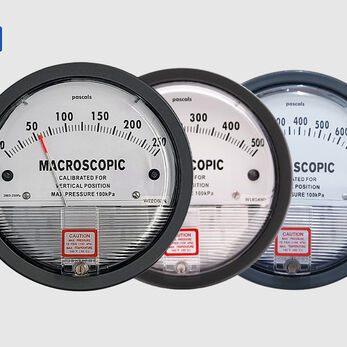
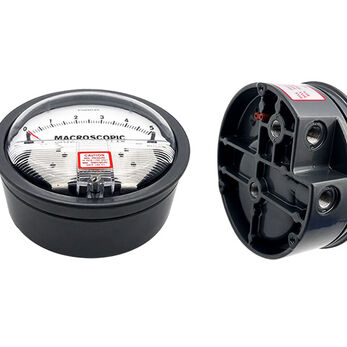
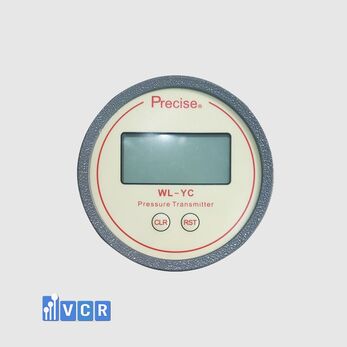
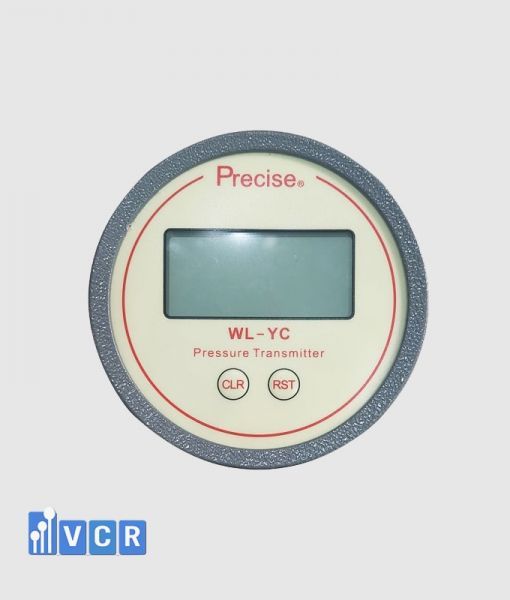
The third criterion is choosing the suitable gauge type. Mechanical gauges are suitable for direct on-site observation, clear reading, and reasonable cost. Electronic gauges or differential pressure sensors are suitable for areas requiring alarms, signal transmission, continuous monitoring, or connection to a management system.
The fourth criterion is calibration capability and technical documentation. For cosmetics factories with GMP, ISO 22716, or quality management requirements, the gauge should have clear specifications, be easy to inspect, and be suitable for the measuring equipment management plan.
The fifth criterion is suitability for the production environment. Some cosmetics areas may involve humidity, fragrances, solvents, or cleaning chemicals. Therefore, installation position, accessory materials, pressure tubing, and cleanability should be considered to ensure stable gauge operation.
Common Mistakes When Using Differential Pressure Gauges in Cosmetics Factories
The most common mistake is choosing the wrong measuring range. If the range is too large, operators may find it difficult to detect small changes. If the range is too small, the gauge may exceed its scale when the system changes. This reduces the monitoring value of the device.
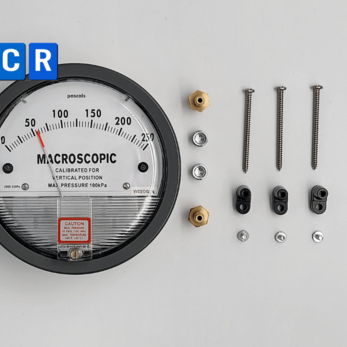
The second mistake is installing pressure tapping points incorrectly. If a tapping point is placed near a door, air diffuser, fan, or direct airflow, readings may fluctuate and fail to reflect actual pressure. For HEPA filter monitoring, the two pressure ports must be correctly placed before and after the filter.
The third mistake is ignoring pressure tubing. Bent, blocked, loose, leaking, or dust-loaded pressure tubing can distort the reading. In cosmetics factories, this error may cause operators to misjudge the controlled status of an area.
The fourth mistake is relying only on the gauge without evaluating the entire system. Differential pressure should be reviewed together with airflow, HEPA filter condition, room tightness, door status, cleaning results, and actual operating conditions. If only one parameter is used, the conclusion may be incomplete.
The fifth mistake is neglecting periodic inspection. A gauge may still display readings but may no longer be accurate after long-term use. Periodic inspection, pressure tubing cleaning, and calibration when required help improve the reliability of operating data.
Where to Buy Differential Pressure Gauges for the Cosmetics Industry
When purchasing differential pressure gauges for the cosmetics industry, businesses should choose a supplier that understands cleanrooms, HVAC systems, HEPA filtration, cleanroom equipment, and contamination control requirements in production. Device selection should not be based only on model or price, but also on measurement purpose, measuring range, installation position, operating conditions, calibration requirements, and documentation needs.
VCR Cleanroom Equipment can advise on suitable differential pressure gauges for cosmetics factories, cosmetics cleanrooms, weighing rooms, formulation rooms, emulsification rooms, filling rooms, packaging rooms, testing laboratories, buffer rooms, HEPA filter boxes, AHU - Air Handling Unit, FFU - Fan Filter Unit, Pass Boxes, Air Showers, Clean Booths, and Weighing Booths.
If a cosmetics factory needs to buy a differential pressure gauge, it should provide information about the installation area, measurement purpose, desired pressure range, room or equipment type, calibration requirements, alarm requirements, and current HVAC system condition. From there, VCR Cleanroom Equipment can propose a solution that better matches actual operating needs.
Frequently Asked Questions
Do Cosmetics Factories Need Differential Pressure Gauges?
Yes. Cosmetics factories should use differential pressure gauges in areas that require clean control, such as weighing rooms, formulation rooms, filling rooms, primary packaging rooms, testing laboratories, buffer rooms, and clean corridors. The device helps monitor pressure, airflow direction, HEPA filter condition, and cross-contamination risks. VCR Cleanroom Equipment can recommend suitable gauges based on each actual application area.
What Is a Differential Pressure Gauge Used for in the Cosmetics Industry?
A differential pressure gauge in the cosmetics industry is used to monitor pressure between two rooms, between a cleanroom and a corridor, between a buffer room and a production room, or across a HEPA filter. It helps confirm whether airflow is moving in the correct direction, whether room pressure is stable, and whether HEPA filters show signs of dust loading.
Does a Cosmetics Formulation Room Need Differential Pressure Monitoring?
Yes. A cosmetics formulation room is usually an important area because it is directly related to semi-finished product quality. Differential pressure monitoring helps control airflow direction and limit dust, microorganisms, odors, or chemical vapors from entering from other areas. For sensitive products such as serums, creams, skincare products, or products used near the eyes, environmental control should be given more attention.
Should a Cosmetics Filling Room Use a Mechanical or Electronic Gauge?
If only on-site observation is needed, a mechanical gauge is suitable because it is easy to read, easy to install, and cost-effective. If the filling room is a critical area requiring alarms, continuous monitoring, or data logging, an electronic differential pressure gauge or sensor should be considered. VCR Cleanroom Equipment can advise on the appropriate option based on cleanroom class, product type, and operating requirements.
When Should a Differential Pressure Gauge Be Calibrated in a Cosmetics Factory?
A differential pressure gauge should be inspected and calibrated according to the factory’s measuring equipment management plan or when abnormal signs appear, such as the pointer not returning to zero, fluctuating readings, device impact, loose pressure tubing, or readings that do not match operating conditions. Calibration improves pressure data reliability and supports quality documentation.
What Are the Benefits of Buying Cosmetics Differential Pressure Gauges from VCR?
When buying from VCR Cleanroom Equipment, customers receive advice based on actual cosmetics manufacturing applications rather than selecting a generic model. VCR can support measuring range selection, gauge type, pressure tapping position, calibration requirements, alarm needs, and compatibility with cleanrooms, HVAC systems, HEPA filtration, or cleanroom equipment. This helps factories reduce the risk of selecting the wrong device and operate more stably.
Conclusion
A differential pressure gauge in the cosmetics industry is an important device for controlling cleanroom pressure, airflow direction, HEPA filter condition, and cross-contamination risks. When selected with the correct measuring range, installed in the right position, and inspected periodically, it helps cosmetics factories maintain a more stable and professional manufacturing environment.
If your business needs differential pressure gauges for cosmetics factories, cosmetics cleanrooms, weighing rooms, formulation rooms, filling rooms, packaging rooms, HEPA filter boxes, AHU - Air Handling Unit, FFU - Fan Filter Unit, or related cleanroom equipment, contact VCR Cleanroom Equipment for support in selecting the right solution for actual operating needs.