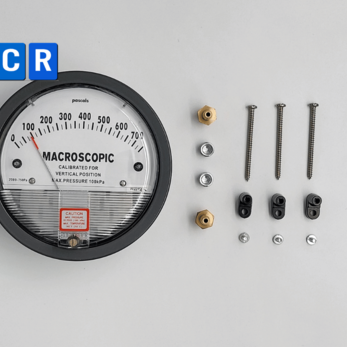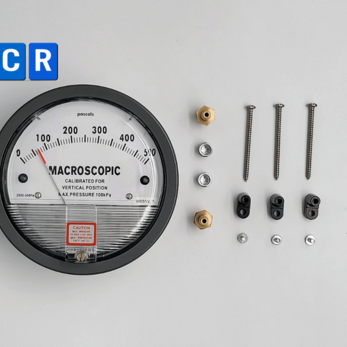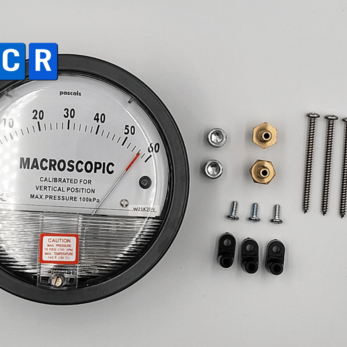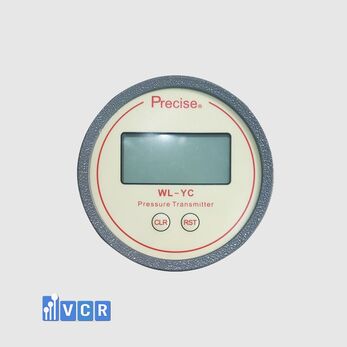

A differential pressure gauge in medical device manufacturing helps control pressure, airflow, HEPA filtration, and cross-contamination risks.
- What Is a Differential Pressure Gauge in Medical Device Manufacturing?
- Why Does Medical Device Manufacturing Need Differential Pressure Gauges?
- The Role of Differential Pressure Gauges in Medical Device Factories
- Where Are Differential Pressure Gauges Installed in Medical Device Manufacturing?
- Applications in Medical Device Manufacturing Areas
- How to Choose a Differential Pressure Gauge for Medical Device Manufacturing
- Mechanical Gauge or Differential Pressure Sensor?
- Common Mistakes When Selecting and Using Differential Pressure Gauges
- Where to Buy Differential Pressure Gauges for Medical Device Manufacturing
- Frequently Asked Questions
- Does Medical Device Manufacturing Need Differential Pressure Gauges?
- Where Are Differential Pressure Gauges Used in Medical Device Factories?
- Should Medical Device Factories Use Mechanical or Electronic Gauges?
- Can Differential Pressure Gauges Be Used in Medical Device Packaging Rooms?
- Do Medical Device Differential Pressure Gauges Need Calibration?
- What Are the Benefits of Buying Medical Device Gauges from VCR?
- Conclusion
What Is a Differential Pressure Gauge in Medical Device Manufacturing?
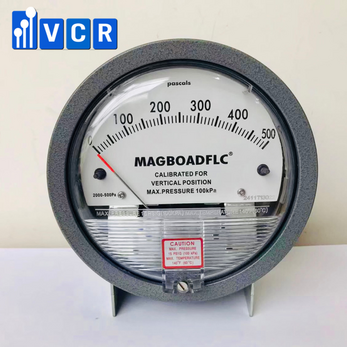
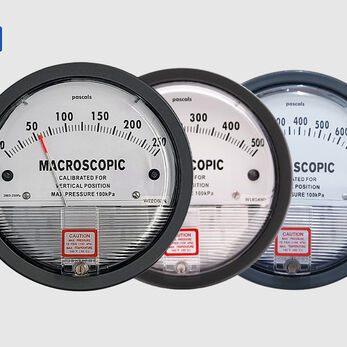
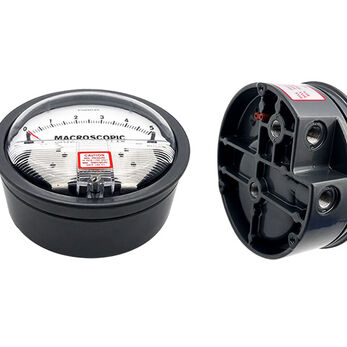
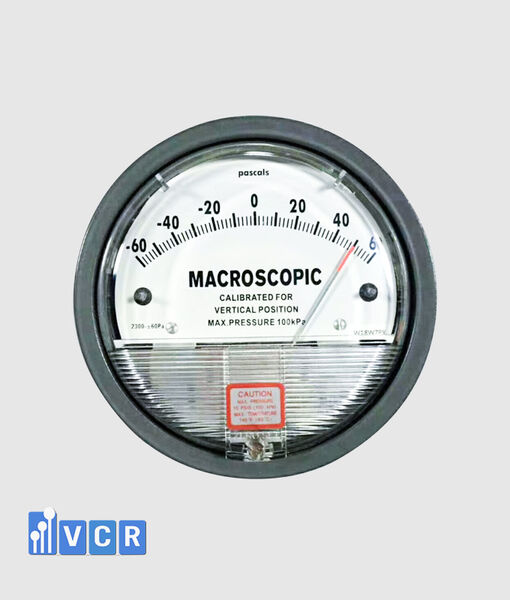
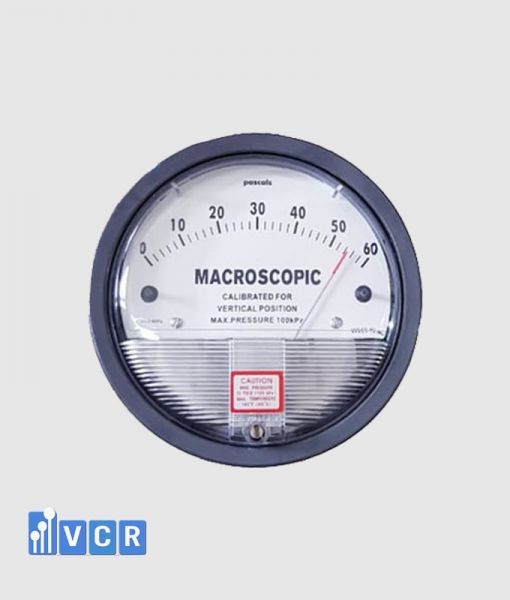
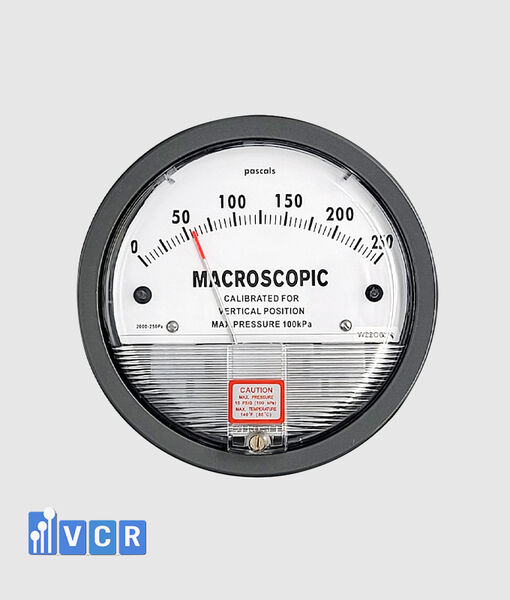
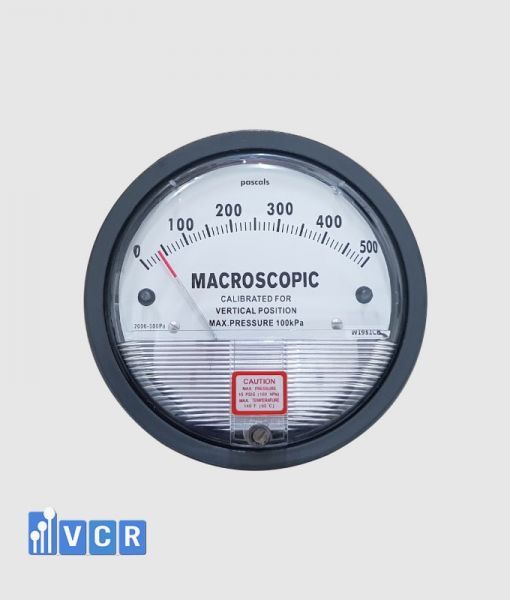
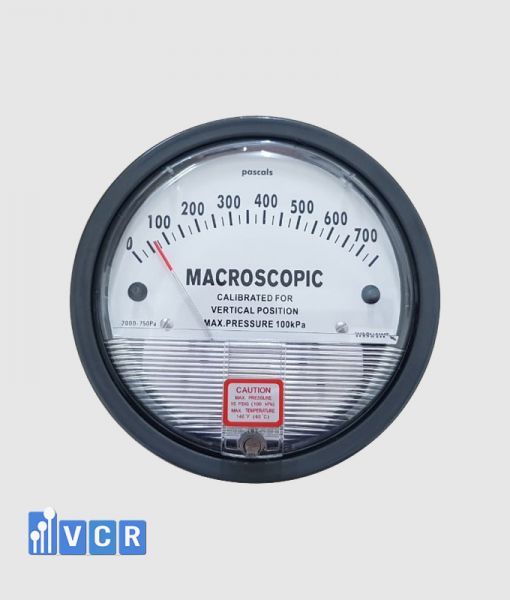
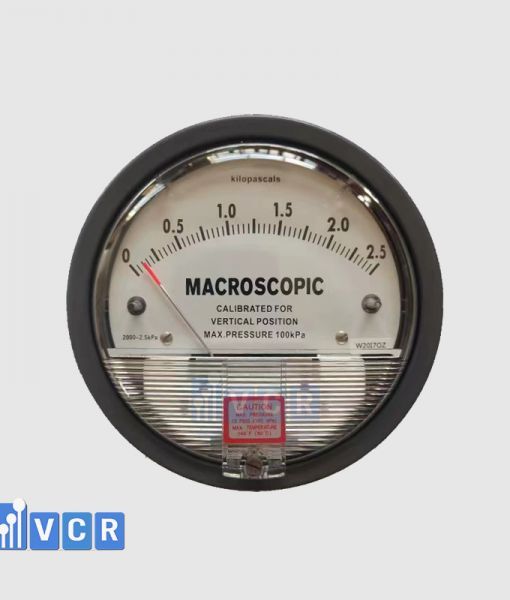
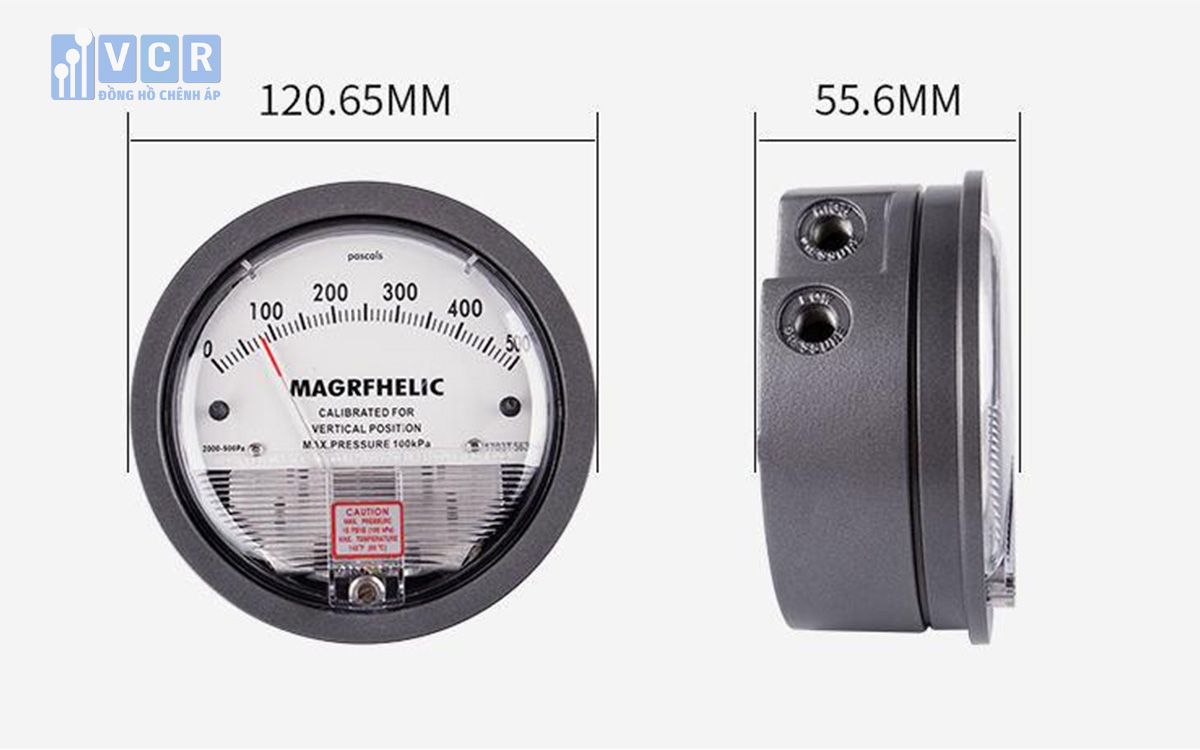
A differential pressure gauge in medical device manufacturing is a device used to monitor pressure difference between two areas, two rooms, or two sides of a filter in a cleanroom system. It helps operators verify whether pressure is being maintained according to design, supporting airflow direction control, dust control, microbial control, particle control, and cross-contamination prevention during production.
In medical device manufacturing, many products require a strictly controlled clean environment, such as medical consumables, surgical instruments, catheters, syringes, infusion sets, medical masks, diagnostic devices, sterile packaging, and components that come into direct contact with patients. If cleanroom pressure is unstable, air from less clean areas may enter the production area and increase the risk of product contamination.
Differential pressure gauges are commonly installed in cleanrooms, buffer rooms, airlocks, clean corridors, gowning rooms, packaging rooms, assembly rooms, inspection rooms, sterile rooms, HEPA filter boxes, HEPA Boxes, AHU - Air Handling Unit, and FFU - Fan Filter Unit systems. They are important devices for maintaining a stable controlled environment.
![dong-ho-chenh-ap-1.[1]](/vcr-dhc-media/2024/3/14/dong-ho-chenh-ap-1.%5B1%5D.jpg)
Why Does Medical Device Manufacturing Need Differential Pressure Gauges?
Medical device manufacturing needs differential pressure gauges to control airflow direction and reduce contamination risks in cleanrooms. Medical devices are directly related to user health, so the production environment must be controlled for dust, airborne particles, microorganisms, and impurities.
When pressure between areas is maintained correctly, air moves in the designed direction, usually from cleaner areas to less clean areas. This helps reduce the possibility of dust or microorganisms from corridors, buffer rooms, support areas, or outside spaces entering the main production area.
A differential pressure gauge helps operations, QA/QC, and engineering teams detect abnormalities early, such as room pressure loss, poor door sealing, incorrect interlock operation, dust-loaded HEPA filters, reduced fan performance, incorrect damper position, or HVAC imbalance. This allows the facility to respond in time before product quality and documentation are affected.
The Role of Differential Pressure Gauges in Medical Device Factories
The first role is pressure zoning control. In medical device factories, areas are usually divided according to cleanliness class, product risk level, and production process. The gauge confirms whether pressure between areas is maintained according to design.
The second role is supporting cross-contamination control. Cross-contamination may occur between raw material areas, assembly areas, primary packaging areas, sterile areas, inspection areas, or support areas. Maintaining appropriate differential pressure helps control airflow direction and reduce unwanted contamination transfer between areas.
The third role is monitoring HEPA filter condition. When a HEPA filter becomes dust-loaded, differential pressure across the filter may increase, indicating a change in airflow resistance. This information is important for engineering teams to inspect, maintain, or replace filters at the right time.
The fourth role is supporting operating records and quality assessment. In medical device factories, recording pressure in critical areas improves traceability and supports internal inspections, acceptance, customer audits, or quality management system assessments.
Where Are Differential Pressure Gauges Installed in Medical Device Manufacturing?
Differential pressure gauges are usually installed at transition points between two areas with different pressure requirements. Common locations include between cleanrooms and clean corridors, between production rooms and buffer rooms, between airlocks and production areas, between gowning rooms and corridors, or between areas with different cleanliness classes.
In medical device factories, common monitoring areas include assembly rooms, primary packaging rooms, sterile packaging rooms, inspection rooms, sterilization-related areas, gowning rooms, material buffer rooms, testing rooms, clean storage areas, and clean corridors.
In addition to room pressure monitoring, the device is also used to monitor differential pressure across HEPA filter boxes, HEPA Boxes, FFU - Fan Filter Unit, AHU - Air Handling Unit, Clean Booths, Clean Benches, Pass Boxes, Air Showers, and related cleanroom equipment. Each location has a different measurement purpose, so the measuring range and pressure tapping arrangement must be selected correctly.
Applications in Medical Device Manufacturing Areas
In medical device assembly areas, differential pressure gauges help maintain a stable clean environment and reduce dust and particle impact on products. This is especially important for small components, sensitive parts, or products that directly contact the human body.
In primary packaging areas, the device helps control pressure between the packaging room and surrounding areas. Primary packaging protects the product, so the packaging environment should reduce contamination from air, personnel, and support areas.
In sterile production or sterile packaging areas, differential pressure gauges help confirm that airflow moves in the correct direction. If pressure is not achieved, less clean air may enter the clean zone, affecting the controlled status of the area.
In buffer rooms and airlocks, gauges help control pressure as personnel, materials, or semi-finished products move between areas. This is important for limiting direct air exchange between clean and less clean areas.
In HEPA filter boxes and FFU areas, gauges help monitor filter condition and airflow resistance. When differential pressure readings rise abnormally, filters, fans, dampers, pressure tubing, and the clean air supply system should be checked.
How to Choose a Differential Pressure Gauge for Medical Device Manufacturing
The first criterion is identifying the measurement purpose. Is the gauge used for room pressure monitoring, pressure difference between two areas, HEPA filter monitoring, HEPA Box, FFU - Fan Filter Unit, AHU - Air Handling Unit, Pass Box, or Air Shower monitoring? Each application requires a different measuring range and installation method.
The second criterion is selecting the correct measuring range. For room pressure monitoring, a sensitive range should be selected to observe small changes. For HEPA filter or clean air supply systems, the range should match filter resistance and designed airflow volume.
The third criterion is choosing between mechanical and electronic devices. Mechanical gauges are suitable for local reading, easy observation, and reasonable cost. Electronic gauges or differential pressure sensors are suitable for areas requiring alarms, continuous monitoring, 4-20mA signal transmission, or BMS/EMS connection.
The fourth criterion is calibration capability and technical documentation. Medical device factories usually require clear measuring equipment control records. Therefore, the gauge should have technical specifications, product documents, calibration capability, and certificates suitable for acceptance or quality management requirements.
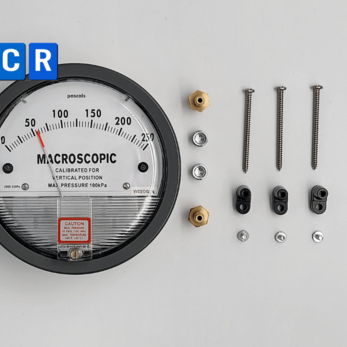
The fifth criterion is actual installation conditions. Installation location, pressure tapping points, pressure tubing, cleaning environment, readability, maintainability, and integration with existing monitoring systems should be considered.
Mechanical Gauge or Differential Pressure Sensor?
A mechanical differential pressure gauge is suitable for locations requiring local display, such as cleanroom entrances, buffer rooms, airlocks, clean corridors, HEPA filter boxes, or technical areas. Its advantages include clear reading, simple installation, and suitability for many basic cleanroom applications.
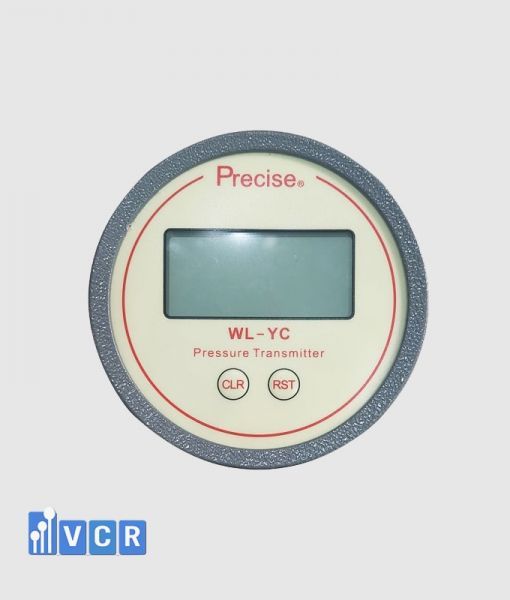
A differential pressure sensor or electronic gauge is suitable for areas requiring continuous monitoring, automatic alarms, data transmission, or operating history records. For medical device factories requiring data traceability, sterile areas, or critical production areas, devices with 4-20mA signals or BMS/EMS connection are often more suitable.
In many projects, an effective solution is to combine both: local display for quick operator observation and signal transmission to the monitoring system for QA/QC and engineering teams. This improves safety and control capability.
Common Mistakes When Selecting and Using Differential Pressure Gauges
The first mistake is selecting the wrong measuring range. If the range is too large, operators may find it difficult to detect small changes. If the range is too small, the gauge may exceed scale when the system changes. For medical device cleanrooms, the range should closely match the actual measurement purpose.
The second mistake is using the same gauge for every location. Room pressure monitoring, HEPA filter monitoring, FFU monitoring, airlock monitoring, and negative pressure room monitoring are different applications. One measuring range should not be used for all locations.
The third mistake is installing pressure tapping points incorrectly. Tapping points near doors, supply air diffusers, return air grilles, or disturbed airflow areas may cause fluctuating readings and fail to represent actual pressure.
The fourth mistake is not distinguishing positive and negative pressure. If high and low pressure ports are connected incorrectly, the gauge may display the opposite reading and cause operational misunderstanding.
The fifth mistake is neglecting periodic inspection. Gauges, sensors, or pressure tubing may drift, become blocked, leak, or fail over time. Periodic inspection helps ensure reliable pressure data.
Where to Buy Differential Pressure Gauges for Medical Device Manufacturing
Businesses should buy differential pressure gauges for medical device manufacturing from a cleanroom equipment specialist. The device must not only match the required model but also fit the measurement purpose, cleanliness class, pressure range, installation location, HEPA filtration system, calibration needs, and quality documentation requirements.
VCR Cleanroom Equipment can advise and supply differential pressure gauges for medical device factories, GMP cleanrooms, ISO cleanrooms, assembly rooms, packaging rooms, sterile rooms, buffer rooms, airlocks, clean corridors, HEPA Boxes, AHU - Air Handling Unit, FFU - Fan Filter Unit, Pass Boxes, Air Showers, Clean Booths, and Clean Benches.
When requesting consultation, businesses should provide installation area, cleanroom class, measurement purpose, desired range, alarm requirement, 4-20mA signal requirement, calibration requirement, documentation needs, and actual operating conditions. From there, VCR Cleanroom Equipment can recommend a suitable device for each application.
Frequently Asked Questions
Does Medical Device Manufacturing Need Differential Pressure Gauges?
Yes. Medical device manufacturing should use differential pressure gauges in areas requiring pressure, airflow, dust, and microbial control. The device helps monitor pressure between cleanrooms and adjacent areas, supporting cross-contamination control and a stable production environment. VCR Cleanroom Equipment can recommend suitable gauges based on cleanliness class and production process.
Where Are Differential Pressure Gauges Used in Medical Device Factories?
Differential pressure gauges are commonly used in cleanrooms, buffer rooms, airlocks, clean corridors, assembly rooms, primary packaging rooms, sterile packaging rooms, inspection rooms, HEPA Boxes, FFU - Fan Filter Unit, and AHU - Air Handling Unit systems. They help control pressure zoning and detect early abnormalities in the air system.
Should Medical Device Factories Use Mechanical or Electronic Gauges?
If only local observation is needed, a mechanical gauge is suitable because it is easy to read and cost-effective. If the area requires alarms, continuous monitoring, data logging, or BMS/EMS connection, an electronic gauge or differential pressure sensor should be selected. For sterile areas or critical cleanrooms, 4-20mA signal devices are often more suitable.
Can Differential Pressure Gauges Be Used in Medical Device Packaging Rooms?
Yes. Medical device packaging rooms, especially primary packaging or sterile packaging areas, should monitor differential pressure to control airflow and reduce contamination. The device helps confirm whether the packaging room maintains suitable pressure compared with corridors, buffer rooms, or surrounding areas.
Do Medical Device Differential Pressure Gauges Need Calibration?
Yes. Differential pressure gauges should be inspected and calibrated according to the factory’s measuring equipment management plan. Calibration helps ensure reliable pressure data, especially in cleanrooms, sterile rooms, buffer rooms, airlocks, and areas requiring quality documentation. If readings are abnormal or the pointer does not return to zero, inspection should be performed promptly.
What Are the Benefits of Buying Medical Device Gauges from VCR?
When buying from VCR Cleanroom Equipment, customers receive advice based on cleanliness class, installation location, measurement purpose, measuring range, alarm requirements, 4-20mA signal, calibration, and documentation needs. VCR can support differential pressure gauges for medical device factories, GMP cleanrooms, HEPA Boxes, FFU - Fan Filter Unit, AHU - Air Handling Unit, Pass Boxes, Air Showers, and Clean Booths.
Conclusion
A differential pressure gauge in medical device manufacturing is an important device for controlling pressure, airflow direction, HEPA filtration, airborne particles, and cross-contamination risks. When the correct range, installation position, and device type are selected, the factory can maintain a more stable production environment and better support quality documentation.
If your business needs differential pressure gauges for medical device factories, GMP cleanrooms, ISO cleanrooms, assembly rooms, packaging rooms, sterile rooms, HEPA Boxes, FFU - Fan Filter Unit, or AHU - Air Handling Unit systems, contact VCR Cleanroom Equipment for support in selecting the right solution for actual operating needs.