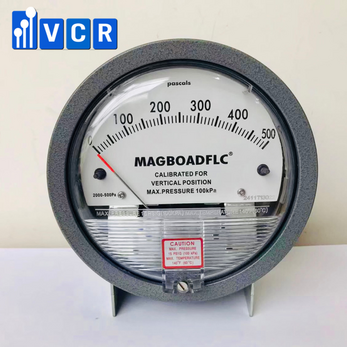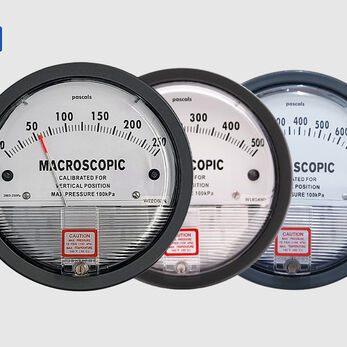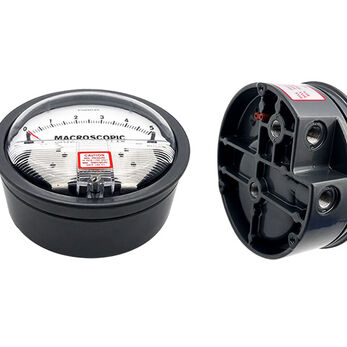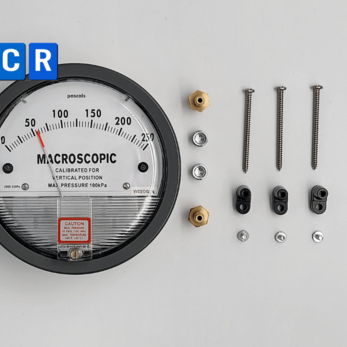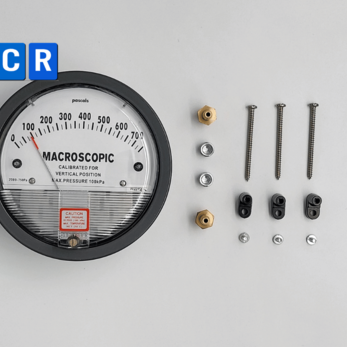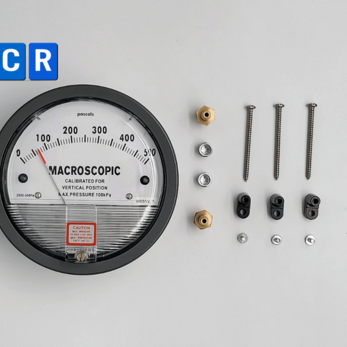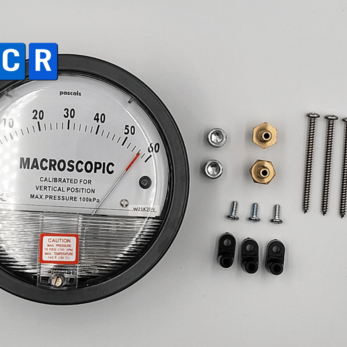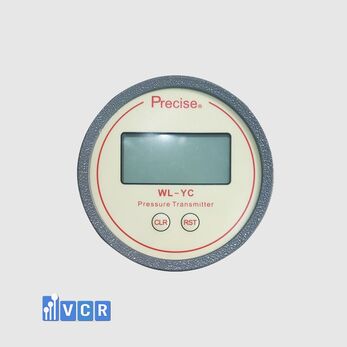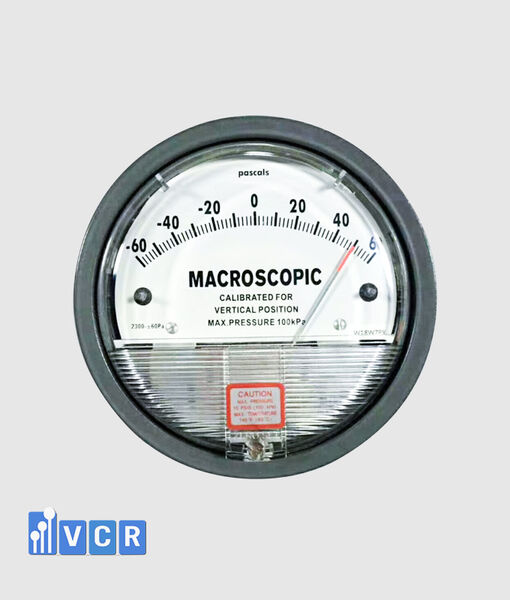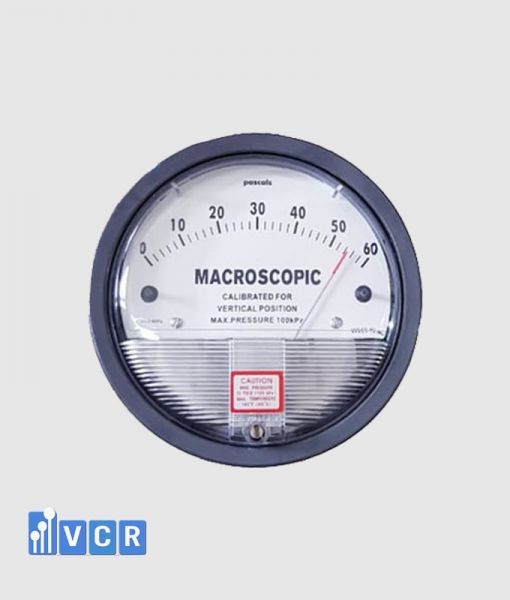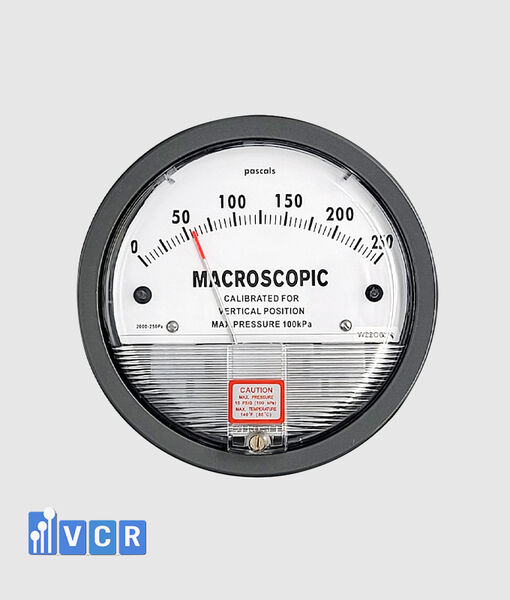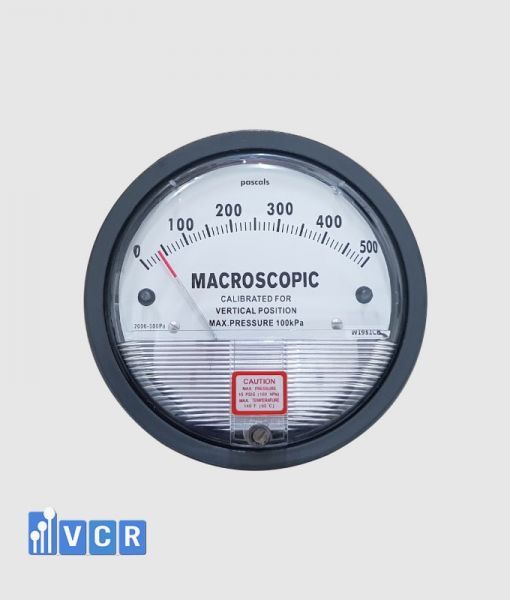

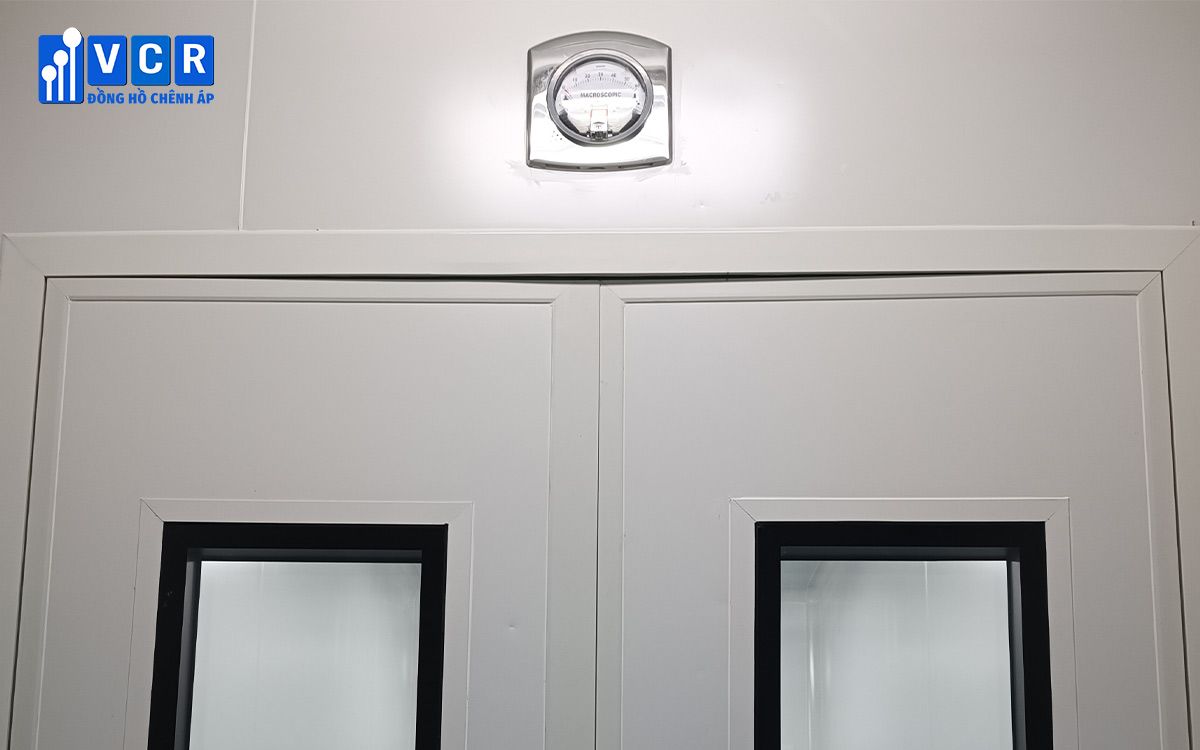
A differential pressure gauge in hospitals helps control room pressure, airflow, isolation rooms, and cross-contamination risks.
- What Is a Differential Pressure Gauge in Hospitals?
- Why Do Hospitals Need Differential Pressure Gauges?
- The Role of Differential Pressure in Infection Control
- Where Are Differential Pressure Gauges Installed in Hospitals?
- Applications of Differential Pressure Gauges in Hospitals
- Suitable Types of Differential Pressure Gauges for Hospitals
- How to Choose a Differential Pressure Gauge for Hospitals
- Common Mistakes When Choosing and Installing Differential Pressure Gauges in Hospitals
- When Should a Differential Pressure Gauge Be Calibrated or Replaced?
- Where to Buy Differential Pressure Gauges for Hospitals
- Frequently Asked Questions
- Do Hospitals Need Differential Pressure Gauges?
- How Is a Differential Pressure Gauge Used in a Negative Pressure Isolation Room?
- Does an Operating Room Need a Differential Pressure Gauge?
- Should Hospitals Use Mechanical or Electronic Gauges?
- Can a Differential Pressure Gauge Help Control Cross-Contamination?
- When Should a Differential Pressure Gauge in Hospitals Be Calibrated?
- What Are the Benefits of Buying Differential Pressure Gauges for Hospitals from VCR?
- Conclusion
What Is a Differential Pressure Gauge in Hospitals?
A differential pressure gauge in hospitals is a device used to monitor pressure differences between rooms, areas, or air filtration systems in order to control the direction of airflow. This device is commonly installed in isolation rooms, operating rooms, intensive care areas, laboratories, sterile areas, medical cleanrooms, clean corridors, or areas that require infection control.
In hospital environments, room pressure is not only related to air-conditioning comfort. It is an important factor in infection control, helping limit the unwanted movement of microorganisms, aerosols, fine particles, or pathogens between areas. Depending on the protection objective, hospitals may use positive pressure to protect patients, products, or sterile areas; or negative pressure to contain infectious agents inside isolation areas.
A differential pressure gauge helps operation, engineering, and infection control teams identify pressure status directly at the installation point. When the reading is within the allowable range, the area is being controlled according to the design. When the reading changes abnormally, doors, HVAC systems, HEPA filters, AHU - Air Handling Unit, FFU - Fan Filter Unit, exhaust fans, dampers, pressure tubing, or room tightness should be checked.
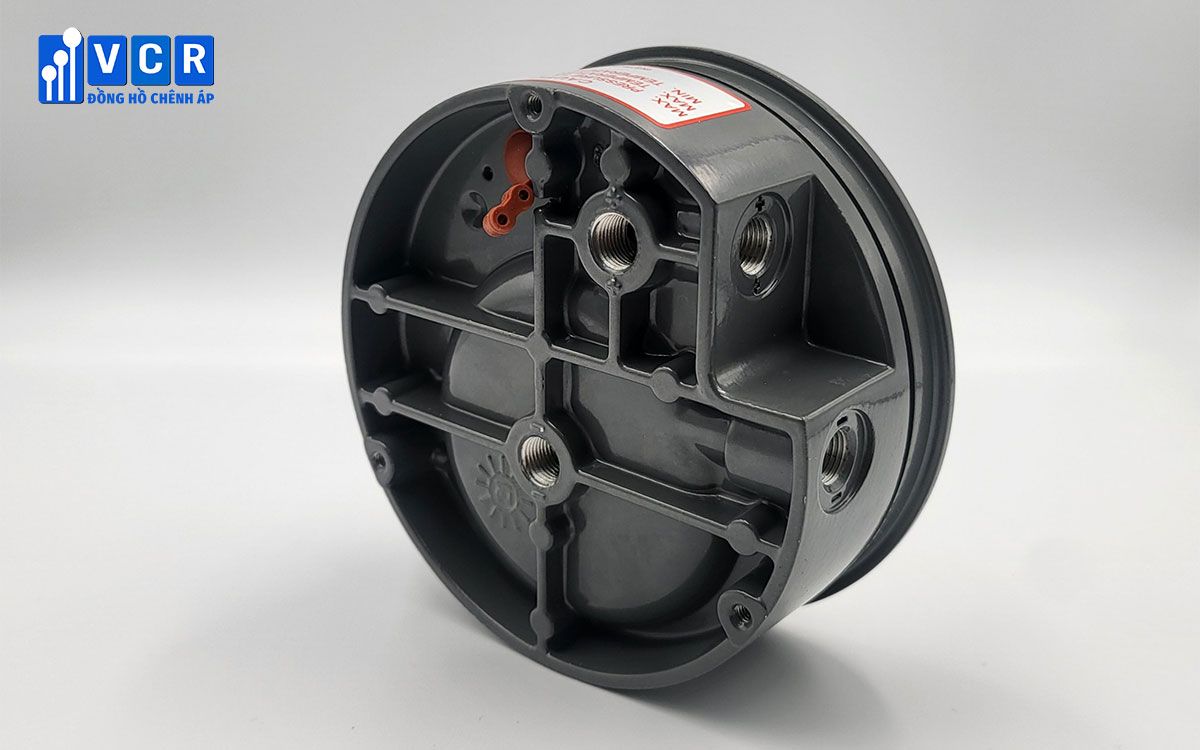
Why Do Hospitals Need Differential Pressure Gauges?
Hospitals need differential pressure gauges to control airflow direction, maintain room pressure, and reduce cross-contamination risks between areas. The device is especially important in negative pressure isolation rooms, positive pressure operating rooms, intensive care units, microbiology laboratories, and areas with strict infection control requirements.
The Role of Differential Pressure in Infection Control
Differential pressure helps direct airflow between two areas. When a room is maintained at positive pressure compared with the surrounding area, air tends to move from inside the room to the outside. This control method is commonly used to protect clean areas, sterile zones, operating rooms, sterile drug preparation rooms, or areas that must prevent less clean air from entering.
Conversely, when a room is maintained at negative pressure, air tends to move from the outside into the room and is treated through an appropriate exhaust, filtration, or discharge system. This control method is commonly used in infectious isolation rooms, laboratories with biological risks, specimen handling rooms, or areas that need to prevent infectious agents from spreading outside.
In actual operation, frequent door opening, continuous movement of people, dust-loaded filters, reduced fan performance, HVAC imbalance, or insufficient room tightness can all cause differential pressure to change. Without a visual monitoring device, operators may not realize that a room has lost pressure or that airflow is moving in the wrong direction. A differential pressure gauge helps detect this condition early so corrective action can be taken promptly.
Where Are Differential Pressure Gauges Installed in Hospitals?
Differential pressure gauges are usually installed in areas with clear pressure control requirements. Common locations include between isolation rooms and corridors, between operating rooms and buffer areas, between laboratories and external areas, between medical cleanrooms and corridors, or between sterile areas and support areas.
In hospitals, typical installation locations include negative pressure isolation rooms, operating rooms, intensive care units, microbiology laboratories, sampling areas, specimen handling areas, drug preparation rooms, CSSD areas, medical cleanrooms, buffer rooms, airlocks, and infection control zones. Each location may have a different pressure control objective, so pressure tapping points must be designed correctly.
In addition to room spaces, differential pressure gauges can also be installed on air filtration systems or related equipment. For example, the device can be used to monitor differential pressure across HEPA filter boxes, AHU - Air Handling Unit, FFU - Fan Filter Unit, biological safety cabinets, fume hoods, specimen transfer boxes, mobile cleanrooms, or exhaust air treatment systems. If the pressure tapping point is incorrect, the displayed reading may not reflect the actual control status.
Applications of Differential Pressure Gauges in Hospitals
The first application is negative pressure isolation room control. This area needs to keep potentially contaminated air inside the room and prevent it from spreading to corridors or shared areas. The gauge helps medical and technical staff confirm that the room is maintaining negative pressure before and during use.
The second application is operating room and sterile area control. In areas that need to protect patients, instruments, drugs, or sterile procedures, positive pressure is often used to prevent less clean air from entering. A differential pressure gauge helps monitor this condition and supports stable operation.
The third application is laboratory and specimen handling area monitoring. Microbiology, molecular biology, or specimen processing areas may need pressure control to reduce the risk of biological agent dispersion. The gauge helps operators detect early when pressure is no longer maintained according to the design.
The fourth application is monitoring HEPA filters and HVAC system condition. When filters become dust-loaded, differential pressure across the filter may increase. When differential pressure is abnormally low, leakage, filter installation, sealing gaskets, fans, or pressure tubing should be checked. Monitoring differential pressure helps the technical team maintain the system at the right time.
The fifth application is supporting infection control records. Differential pressure readings in critical areas can be recorded periodically for internal inspection, operational evaluation, or traceability when an incident occurs. In hospitals with central monitoring systems, differential pressure data can also be connected to provide alarms when pressure exceeds allowable limits.
Suitable Types of Differential Pressure Gauges for Hospitals
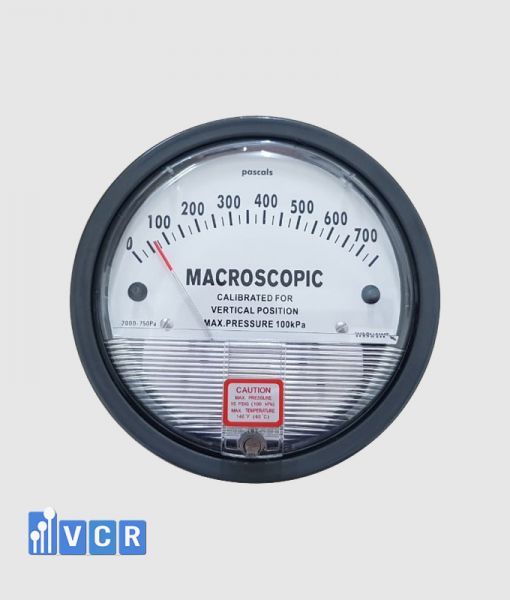
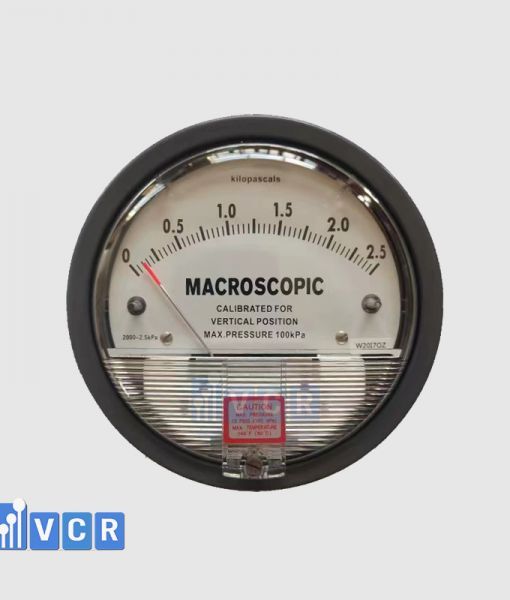
Mechanical differential pressure gauges are suitable for locations that require direct on-site observation. This type is easy to read, easy to install, does not require power for basic display functions, and can be used in isolation rooms, buffer rooms, clean corridors, technical rooms, or on HEPA filter boxes.
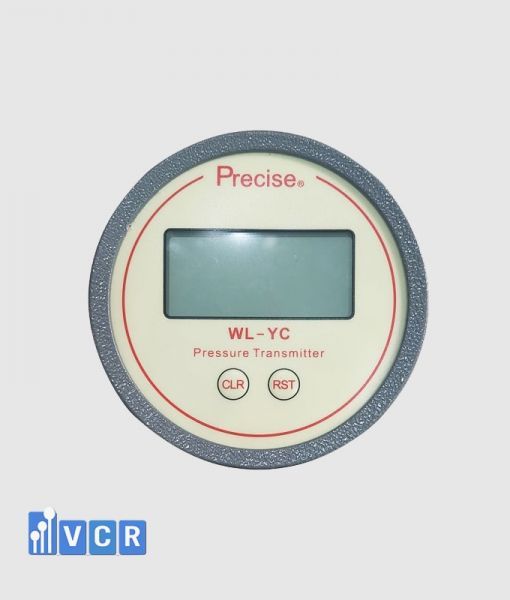
Electronic differential pressure gauges are suitable for areas that require continuous monitoring, alarms, or signal transmission to BMS, EMS, or hospital management systems. This type is especially useful in isolation rooms, operating rooms, laboratories, or areas that require fast alerts when pressure changes.
Differential pressure gauges with alarm contacts are suitable for critical areas. When pressure exceeds or falls below the set threshold, the device can send a signal so technical staff can check promptly. This option is worth considering for negative pressure isolation rooms, operating rooms, microbiology laboratories, or areas with high infection control requirements.
In addition to gauge type, hospitals should consider measuring range, stability, calibration capability, technical documentation, installation position, and surface hygiene requirements. A suitable device should not only display the parameter but also support stable operation in medical environments.
How to Choose a Differential Pressure Gauge for Hospitals
The first criterion is the measurement purpose. It is necessary to determine whether the gauge is used to measure differential pressure between a room and a corridor, between a room and a buffer area, across a HEPA filter, inside an AHU - Air Handling Unit, on an FFU - Fan Filter Unit, or inside infection control equipment. Each measurement purpose requires different pressure tapping positions and measuring ranges.
The second criterion is the measuring range. The range must match the differential pressure level that needs to be controlled in each area. Differential pressure between an isolation room and a corridor is usually different from differential pressure across a HEPA filter or inside an HVAC system. If the range is too large, operators may find it difficult to identify small changes. If the range is too small, the gauge may exceed its scale when the system changes.
The third criterion is visibility and alarm capability. For standard areas, a mechanical gauge may meet on-site observation needs. For isolation rooms, operating rooms, or important laboratories, electronic gauges, differential pressure sensors, or devices with alarms should be considered to quickly detect when pressure does not meet requirements.
The fourth criterion is cleanability and compatibility with hospital environments. The device should have an easy-to-clean surface, limit dust accumulation, be installed neatly, and avoid creating gaps that are difficult to clean. In sterile or high infection control areas, the installation method should be carefully considered so it does not affect cleaning procedures.
The fifth criterion is calibration and equipment records. In hospitals, measuring devices related to infection control should be checked periodically to ensure reliability. When selecting a gauge, calibration capability, technical documents, equipment origin, and after-sales support should be considered.
Common Mistakes When Choosing and Installing Differential Pressure Gauges in Hospitals
The most common mistake is choosing the wrong measuring range. Some facilities use the same gauge type for many different areas without considering the actual differential pressure level. This can make readings difficult to observe, insufficiently sensitive, or unsuitable for the control objective.
The second mistake is installing pressure tapping points incorrectly. If the pressure tapping point is placed near a door, air diffuser, fan, direct airflow, or pressure-disturbed area, the reading may fluctuate and fail to reflect actual room pressure. For differential pressure across filters, the two pressure ports must be placed correctly before and after the filter.
The third mistake is ignoring pressure tubing. Bent, blocked, loose, leaking, or dust-loaded pressure tubing can cause incorrect gauge readings. In infection control areas, even a small error can lead to an incorrect assessment of room safety status.
The fourth mistake is observing the gauge without checking the system. Differential pressure is an important parameter, but it should be evaluated together with airflow, air change rate, room tightness, door condition, HEPA filters, fans, dampers, and environmental monitoring results. If only the gauge is considered, the evaluation may be incomplete.
The fifth mistake is not calibrating periodically. A gauge may still display readings but no longer be accurate after long-term use, impact, or changes in operating conditions. In hospitals and infection control areas, calibration helps ensure that differential pressure readings are reliable when making operational decisions.
When Should a Differential Pressure Gauge Be Calibrated or Replaced?
A differential pressure gauge should be checked when the pointer does not return to zero, the reading fluctuates abnormally, the gauge face is cracked or damaged, the device has been impacted, the pressure tubing is loose, or the displayed result does not match the actual operating condition. These are signs that inspection, calibration, or replacement is needed.
Calibration frequency depends on the hospital’s internal regulations, the importance of the installation area, and infection control requirements. For negative pressure isolation rooms, operating rooms, microbiology laboratories, sterile areas, or high infection risk areas, periodic inspection should be prioritized.
In addition to the gauge, pressure tubing, connectors, HEPA filters, AHU - Air Handling Unit, FFU - Fan Filter Unit, exhaust fans, dampers, doors, sealing gaskets, and room tightness should also be checked. In many cases, abnormal readings are not caused by a faulty gauge but by an imbalanced air system or room structure.
Where to Buy Differential Pressure Gauges for Hospitals
When purchasing differential pressure gauges for hospitals and infection control areas, buyers should choose a supplier that understands cleanroom equipment, HVAC systems, HEPA filtration, room pressure, and medical environment operating requirements. Selecting the right device is not only about the model; it also requires defining the measurement purpose, measuring range, installation position, alarm requirements, calibration requirements, and actual usage conditions.
VCR Cleanroom Equipment can advise on selecting suitable differential pressure gauges for isolation rooms, operating rooms, laboratories, intensive care areas, sterile areas, buffer rooms, HEPA filter boxes, AHU - Air Handling Unit, FFU - Fan Filter Unit, biological safety cabinets, fume hoods, and infection control areas in hospitals.
If a hospital needs differential pressure gauges for infection control areas, it should provide information about the room type, measurement purpose, desired pressure status, pressure range, alarm requirements, calibration requirements, and existing HVAC system. From there, VCR Cleanroom Equipment can propose a more suitable solution for long-term operation.
Frequently Asked Questions
Do Hospitals Need Differential Pressure Gauges?
Yes. Hospitals should install differential pressure gauges in areas that require airflow control, isolation rooms, operating rooms, laboratories, and infection control zones. The device helps operators identify pressure status on site and supports early detection when a room loses pressure or airflow moves in the wrong direction. VCR Cleanroom Equipment can recommend suitable gauges for each application area.
How Is a Differential Pressure Gauge Used in a Negative Pressure Isolation Room?
A negative pressure isolation room uses a differential pressure gauge to confirm that the room is maintained at a lower pressure than the surrounding area. When negative pressure is maintained correctly, air tends to move from the corridor into the room and is treated through an appropriate exhaust, filtration, or discharge system. If the reading does not meet requirements, doors, exhaust fans, filters, dampers, pressure tubing, and room tightness should be checked before continued use.
Does an Operating Room Need a Differential Pressure Gauge?
An operating room should have a differential pressure gauge to support positive pressure control and prevent less clean air from entering the surgical area. The gauge helps operators monitor pressure status before and during room use. For operating rooms with higher control requirements, electronic gauges or alarm systems can be considered to quickly detect when pressure does not meet requirements.
Should Hospitals Use Mechanical or Electronic Gauges?
If only on-site differential pressure observation is needed, a mechanical gauge is suitable because it is easy to read, easy to install, and cost-effective. If the area requires alarms, signal transmission, continuous monitoring, or data logging, an electronic gauge or differential pressure sensor will be more suitable. For isolation rooms, operating rooms, laboratories, or critical areas, VCR Cleanroom Equipment can advise on the appropriate option based on operating requirements.
Can a Differential Pressure Gauge Help Control Cross-Contamination?
Yes. A differential pressure gauge supports cross-contamination control by helping maintain the correct airflow direction between areas. In positive pressure rooms, it helps protect clean areas from outside air. In negative pressure rooms, it helps contain infectious agents inside the controlled area. However, it should be combined with HVAC, HEPA filtration, cleaning, entry and exit procedures, and environmental monitoring to achieve comprehensive effectiveness.
When Should a Differential Pressure Gauge in Hospitals Be Calibrated?
A differential pressure gauge in hospitals should be calibrated according to the measuring equipment management plan or when abnormal signs appear, such as the pointer not returning to zero, fluctuating readings, device impact, loose pressure tubing, or results that do not match operating conditions. For isolation rooms, operating rooms, microbiology laboratories, and sterile areas, periodic calibration improves the reliability of control parameters.
What Are the Benefits of Buying Differential Pressure Gauges for Hospitals from VCR?
When purchasing from VCR Cleanroom Equipment, customers receive advice based on actual hospital and infection control applications rather than simply selecting a generic gauge model. VCR can support determination of measuring range, gauge type, pressure tapping position, alarm requirements, calibration requirements, and compatibility with isolation rooms, operating rooms, HVAC, HEPA filtration, or cleanroom equipment. This helps hospitals reduce the risk of choosing the wrong device and operate the system more stably.
Conclusion
A differential pressure gauge in hospitals and infection control areas is an important device for maintaining room pressure, directing airflow, and reducing cross-contamination risks. When selected, installed, and calibrated correctly, it helps operators monitor room status more clearly, detect abnormalities early, and support a safer medical environment.
To choose the right differential pressure gauge for hospitals, it is necessary to consider the measurement purpose, measuring range, pressure tapping position, alarm requirements, calibration capability, and operating conditions of each area. If you need advice on suitable equipment for isolation rooms, operating rooms, laboratories, or infection control systems, contact VCR Cleanroom Equipment for support in choosing the right solution for your actual needs.