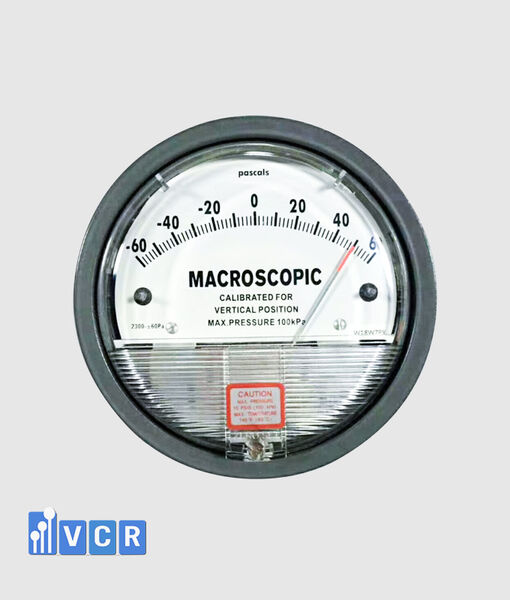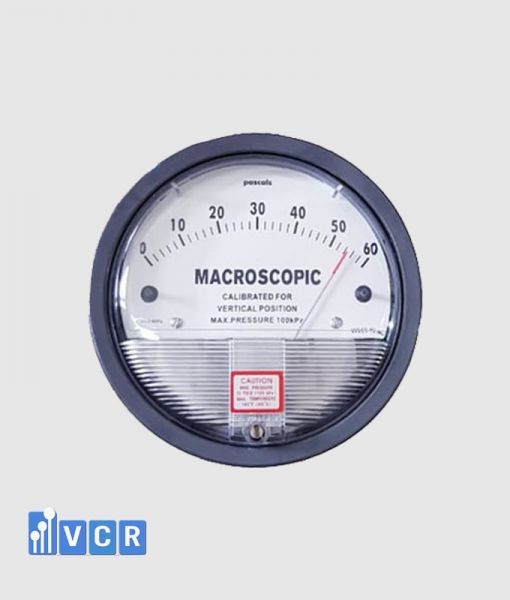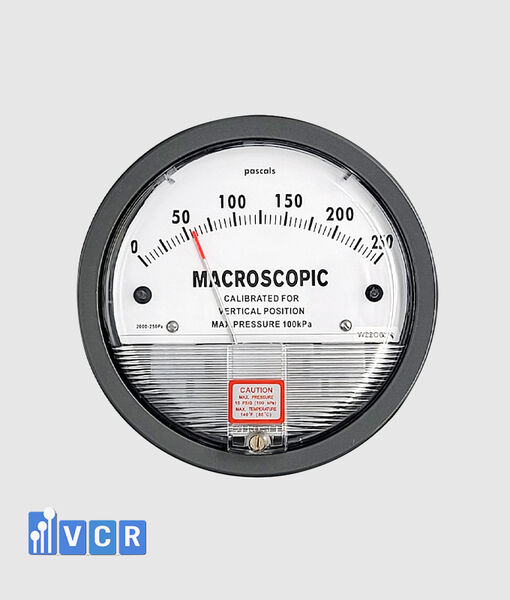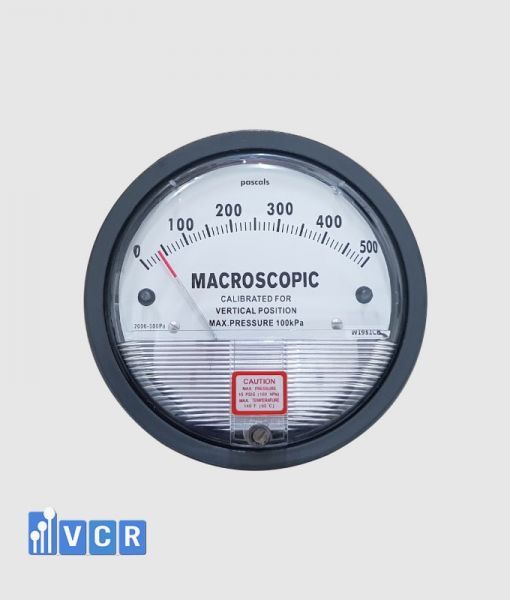

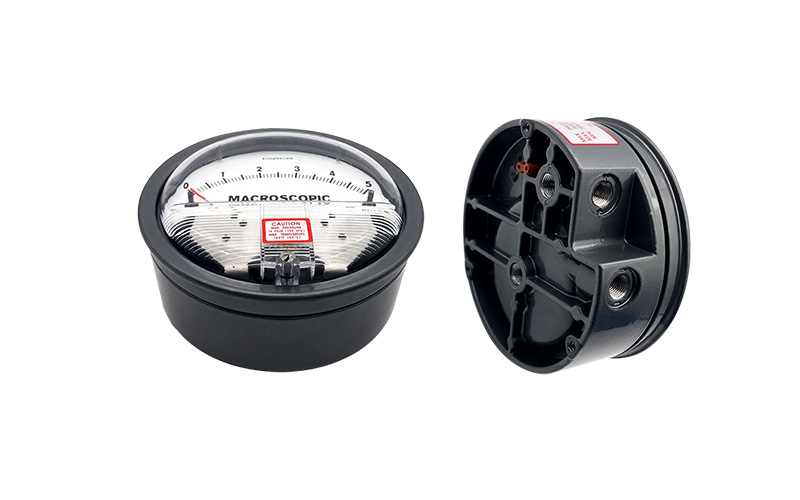
A differential pressure gauge for Pass Boxes helps control pressure, airflow, and cross-contamination in GMP cleanrooms for pharmaceutical, food, and electronics production
- What Is a Differential Pressure Gauge for a Pass Box?
- Why Does a Pass Box Need a Differential Pressure Gauge?
- The Role of Pass Boxes in Cleanrooms
- Why Does a Pass Box Need Differential Pressure Control?
- Where Is a Differential Pressure Gauge Installed on a Pass Box?
- Applications of Differential Pressure Gauges in Pass Boxes
- Suitable Types of Differential Pressure Gauges for Pass Boxes
- How to Choose a Differential Pressure Gauge for a Pass Box
- Common Mistakes When Choosing and Installing Differential Pressure Gauges for Pass Boxes
- When Should a Differential Pressure Gauge for a Pass Box Be Calibrated or Replaced?
- Where to Buy Differential Pressure Gauges for Pass Boxes
- Frequently Asked Questions About Differential Pressure Gauges for Pass Boxes
- Is a Pass Box Required to Have a Differential Pressure Gauge?
- Where Should a Differential Pressure Gauge for a Pass Box Be Installed?
- Should a Mechanical or Electronic Differential Pressure Gauge Be Used for a Pass Box?
- Can a Differential Pressure Gauge Be Used to Check the HEPA Filter in a Pass Box?
- What Measuring Range Is Suitable for a Differential Pressure Gauge on a Pass Box?
- When Should a Differential Pressure Gauge for a Pass Box Be Calibrated?
- What Are the Benefits of Buying a Differential Pressure Gauge for a Pass Box from VCR Cleanroom Equipment?
- Conclusion
What Is a Differential Pressure Gauge for a Pass Box?
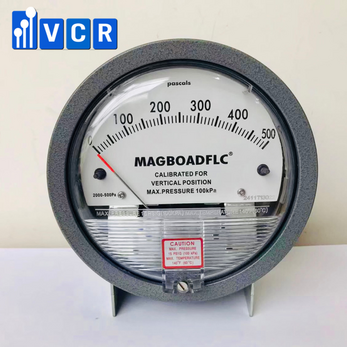
A differential pressure gauge for a Pass Box is a device used to monitor the pressure difference between the inside of the Pass Box and the surrounding area, or between two spaces connected by the Pass Box. This device helps operators identify pressure status, control airflow, and reduce the risk of cross-contamination when transferring materials, tools, semi-finished products, or test samples between clean areas.
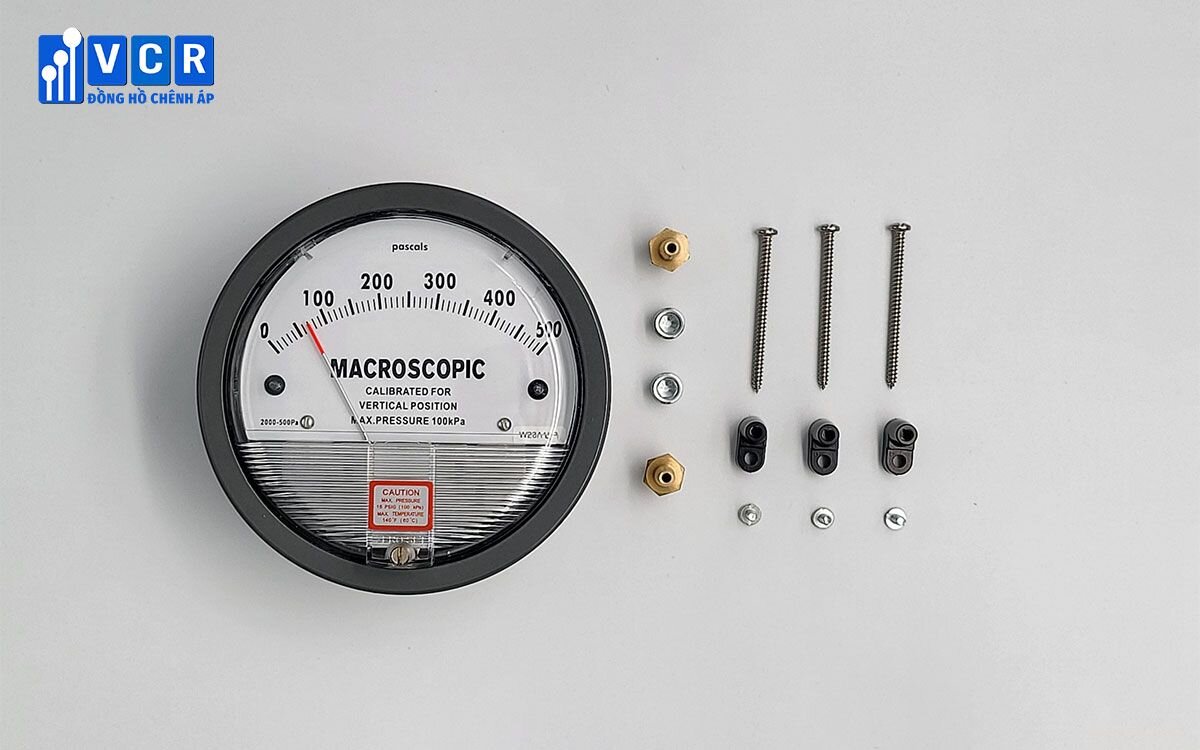
In a cleanroom, a Pass Box is not merely a transfer chamber for materials. It is an interface between two areas that may have different cleanliness classes, pressure levels, or contamination control requirements. Therefore, installing a differential pressure gauge on a Pass Box gives the system a clear visual basis for monitoring, instead of relying only on subjective observation or manual checks.
For pharmaceutical, food, cosmetic, electronics, semiconductor, biotechnology, or laboratory facilities, a differential pressure gauge is an important part of the cleanroom control system. It helps detect early abnormalities such as insufficient pressure, clogged HEPA filters, unstable fan operation, or airflow that no longer follows the intended design direction.
Why Does a Pass Box Need a Differential Pressure Gauge?
A Pass Box needs a differential pressure gauge to monitor the pressure status between clean areas, control airflow, and reduce cross-contamination during material transfer. The device helps operators easily identify whether the pressure meets requirements, thereby ensuring that the Pass Box operates stably within the cleanroom system.
The Role of Pass Boxes in Cleanrooms
A Pass Box is used to transfer items between two areas without requiring personnel to move directly between them. As a result, it helps reduce the frequency of cleanroom door opening, limit pressure fluctuations, and minimize the risk of carrying dust, microorganisms, or contaminants from outside areas into controlled zones.
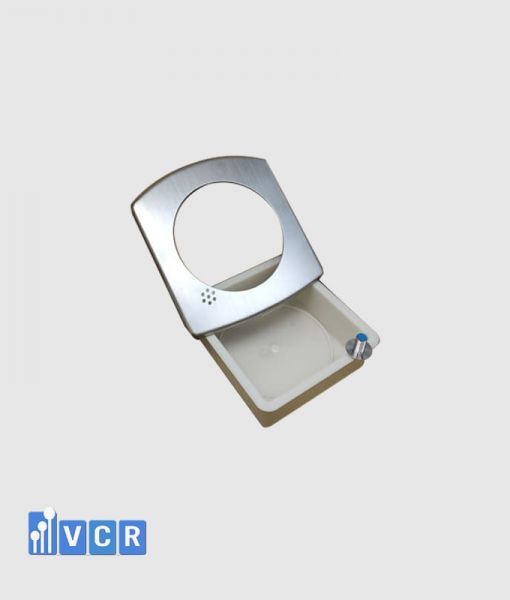
In GMP cleanrooms, Pass Boxes are commonly installed between corridors and production rooms, between airlocks and clean areas, between weighing rooms and preparation areas, or between quality control rooms and sample handling areas. Depending on usage requirements, a Pass Box may be a standard type, an interlocked type, a UV-equipped type, an air shower type, or a Dynamic Pass Box integrated with a HEPA filter.
For Pass Boxes with clean air blowing functions, the role of a differential pressure gauge becomes even clearer. The device helps monitor the pressure across the filter or between the Pass Box chamber and the surrounding environment, supporting evaluation of the air filtration system’s operating condition.
Why Does a Pass Box Need Differential Pressure Control?
In a cleanroom, differential pressure determines the direction of air movement. When pressure is properly controlled, air moves from cleaner areas to less clean areas, or in the direction designed by the HVAC system. Conversely, if pressure becomes unbalanced, dust, microorganisms, chemical vapors, or cross-contamination agents may flow back into the area that needs protection.
A Pass Box is a point where risks can easily arise because it frequently involves opening doors, placing items inside, and removing items. Even when a Pass Box has an interlock system, opening each door can still cause local pressure fluctuations. Without a monitoring device, operators may find it difficult to determine whether the pressure inside the Pass Box or between the two connected areas remains within the allowable range.
A differential pressure gauge helps solve this problem by directly displaying the pressure difference. When the reading is within the acceptable range, operators can be confident that the Pass Box is operating correctly. When the reading is abnormal, it indicates the need to check the filtration system, fan, pressure tubing, Pass Box doors, or cleanroom operating conditions.
Where Is a Differential Pressure Gauge Installed on a Pass Box?
The installation position of a differential pressure gauge depends on the type of Pass Box and the control purpose. For a standard Pass Box, the gauge may be used to monitor the differential pressure between the two areas on either side of the Pass Box, especially when the Pass Box is located between rooms with different cleanliness classes. For a Dynamic Pass Box or a Pass Box with a HEPA filter, the gauge is often used to monitor pressure across the filter or pressure inside the air-blowing chamber.
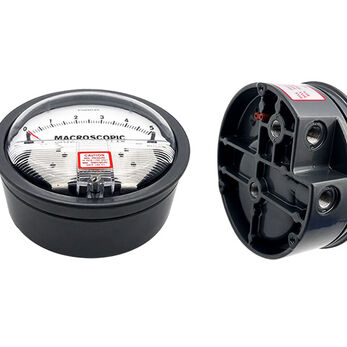
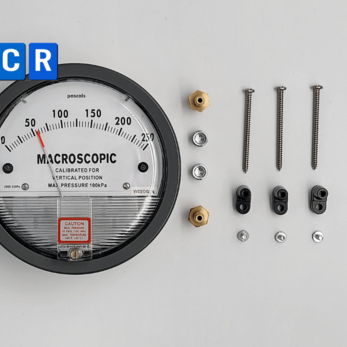
A common installation position is on the front face of the Pass Box, where operators can easily observe it. The two pressure ports are connected to the points that need to be measured, such as one port inside the Pass Box chamber and one port in the surrounding environment, or two ports before and after the HEPA filter. This installation method allows users to quickly check the differential pressure status before transferring items.
In some systems with strict monitoring requirements, the differential pressure gauge may be integrated with an alarm or connected to a central monitoring system. This is especially useful in pharmaceutical plants, biological cleanrooms, production areas with high cross-contamination risks, or production lines that require regular operating data recording.
Applications of Differential Pressure Gauges in Pass Boxes
A differential pressure gauge helps control the operating condition of a Pass Box in a visual and continuous way. Instead of only performing periodic checks with handheld devices, operators can observe the gauge reading directly at the time of use. This is especially important when the Pass Box is used many times during a production shift.
The first application is airflow direction control. If the Pass Box is located between two areas with different pressure requirements, the gauge helps confirm whether the pressure is being maintained according to the design. When the pressure direction is correct, the risk of air from a less clean area entering a cleaner area is reduced.
The second application is monitoring the HEPA filter condition in a Dynamic Pass Box. When the filter accumulates dust, the differential pressure across the filter may increase. If the reading exceeds the operating limit, users need to inspect, clean, maintain, or replace the filter according to procedure. Conversely, if the differential pressure is abnormally low, it may be necessary to check for leakage, filter installation issues, or fan operation.
The third application is supporting compliance evaluation in cleanroom operation. In facilities that require GMP, ISO 14644, or internal standard compliance, having a device that displays differential pressure at critical points makes the operating process more transparent. Managers, QA/QC personnel, or technical teams can easily monitor and record Pass Box status during production.
Suitable Types of Differential Pressure Gauges for Pass Boxes
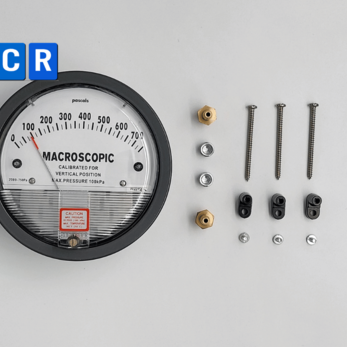
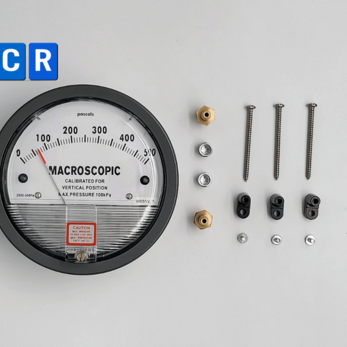
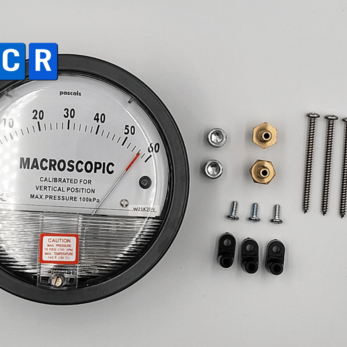
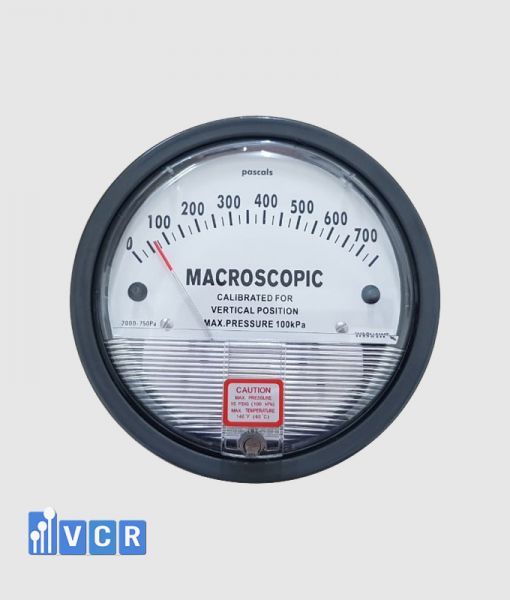
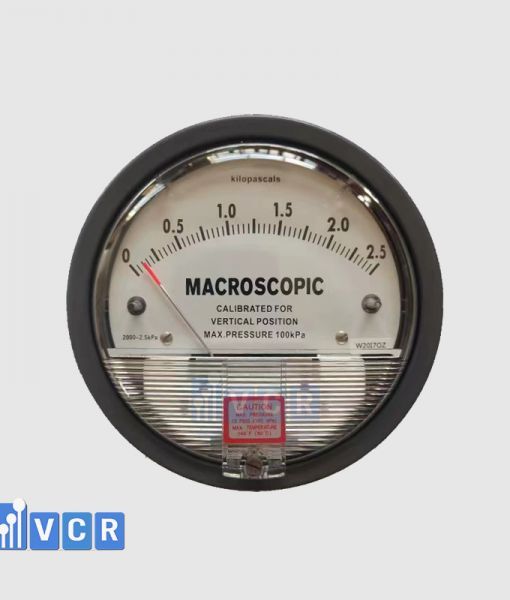
For Pass Boxes, the most commonly used type is the mechanical differential pressure gauge. This device is easy to observe, easy to install, does not require power for basic display functions, and is suitable for many cleanroom locations. For standard applications, a mechanical gauge is an economical and effective option.
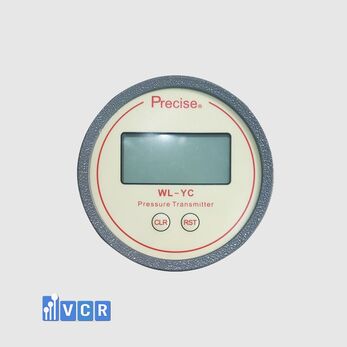
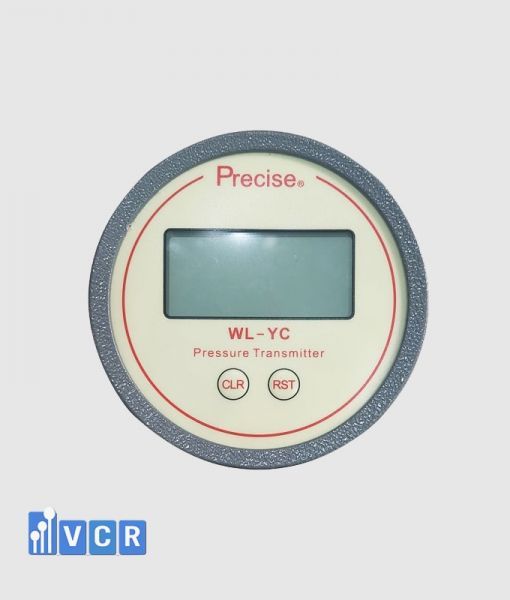
For areas requiring higher-level monitoring, an electronic differential pressure gauge can be used. This type is suitable when digital display, signal transmission, alarm integration, or monitoring system connection is required. In factories that require continuous data tracking, electronic gauges improve control capability and data traceability.
In addition, some Pass Boxes may require differential pressure gauges with alarm contacts. When pressure exceeds or falls below the set threshold, the system can send an alarm signal so operators can check it promptly. This type is suitable for important areas such as pharmaceutical production, biological products, vaccines, microbiology laboratories, or areas requiring strict cross-contamination control.
The choice of gauge should not be based only on price. The important point is to determine what the Pass Box is used for, whether it has a HEPA filter, whether local display or remote monitoring is required, whether the installation environment has GMP requirements, and what level of alarm the operator needs.
How to Choose a Differential Pressure Gauge for a Pass Box
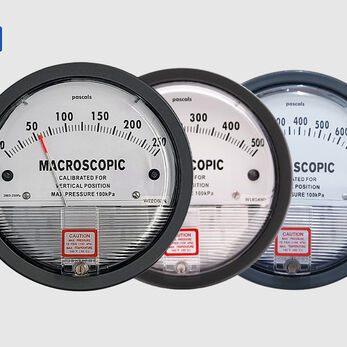
When choosing a differential pressure gauge for a Pass Box, the first criterion is the measuring range. The measuring range must match the actual differential pressure that needs to be controlled. If the range is too large, the pointer or displayed value will be difficult to read accurately in the low-pressure range. If the range is too small, the device may not respond properly when the system operates beyond the threshold.
The second criterion is accuracy and readability. In cleanrooms, operators often need to check readings quickly during operation, so the gauge face should be clear, the scale easy to read, and the measuring unit suitable. Common units include Pa, mmH2O, or inH2O, depending on design standards and operating habits.
The third criterion is the pressure tapping position. The gauge only displays correctly when the pressure tubing is installed in the correct position, in the correct direction, and without blockage. For Pass Boxes with HEPA filters, it is necessary to clearly determine whether the gauge is measuring differential pressure across the filter or between the Pass Box chamber and the surrounding environment. This is a point where many users can easily make mistakes during selection and installation.
The fourth criterion is operating requirements. If the Pass Box only needs local display, a mechanical gauge may be sufficient. If alarms, signal transmission, or monitoring system integration are required, an electronic gauge or a gauge with alarm contacts should be considered. For systems requiring quality documentation, certificates, calibration, and technical support should also be considered from the beginning.
Common Mistakes When Choosing and Installing Differential Pressure Gauges for Pass Boxes
The most common mistake is choosing the wrong measuring range. Many users select a gauge based on habit or available equipment without checking the actual differential pressure requirements. As a result, the gauge may display unclearly, be difficult to monitor, or fail to reflect the actual operating condition of the Pass Box.
The second mistake is misunderstanding the measurement purpose. For a Pass Box, it may be necessary to measure differential pressure between two rooms, between the Pass Box chamber and the surrounding environment, or across the HEPA filter. Each measurement purpose requires a different pressure tapping method. If the pressure tapping point is installed incorrectly, the displayed value may have no practical control value.
The third mistake is focusing only on price while ignoring stability, origin, documentation, and calibration capability. In cleanroom environments, measuring devices are not only used to view parameters but are also related to operation, inspection, evaluation, and quality traceability. An unsuitable device can cause difficulties during commissioning or system audits.
The fourth mistake is failing to conduct periodic checks after installation. A differential pressure gauge can be affected by dust, vibration, impact, blocked pressure tubing, or drift after a period of use. If it is not checked, operators may rely on a reading that is no longer accurate.
When Should a Differential Pressure Gauge for a Pass Box Be Calibrated or Replaced?
A differential pressure gauge should be checked when the pointer does not return to zero, the reading fluctuates abnormally, the gauge face is damaged, the pressure tubing becomes loose, the device is impacted, or the displayed result does not match the actual operating condition. These are signs that the device needs inspection, calibration, or replacement.
In GMP facilities, calibration may be performed according to the periodic schedule of the quality management system. Calibration frequency depends on internal regulations, the importance of the installation position, and the audit requirements of each facility. For Pass Boxes located in critical areas, periodic inspection should receive even greater attention.
In addition to calibrating the gauge, operators should also check the pressure tubing, connectors, installation position, and filter condition if the gauge is used to measure differential pressure across a HEPA filter. In many cases, abnormal readings are not caused by the gauge itself but by issues with the air system, filter, or pressure tapping point.
Where to Buy Differential Pressure Gauges for Pass Boxes
When purchasing a differential pressure gauge for a Pass Box, businesses should choose a supplier that understands both measuring devices and cleanroom systems. This is important because each Pass Box has a different design and purpose. A standard Pass Box used for material transfer has different requirements from a Dynamic Pass Box with a HEPA filter and clean air blower.
VCR Cleanroom Equipment can advise on selecting a suitable differential pressure gauge based on installation position, measuring range, Pass Box type, pressure control requirements, and operating standards of each facility. For cleanroom projects in pharmaceuticals, food, cosmetics, electronics, semiconductors, laboratories, or biotechnology, choosing the right device from the beginning helps reduce risks in operation, commissioning, and maintenance.
Instead of choosing only an available gauge model, buyers should provide information about the Pass Box type, installation position, measurement purpose, desired pressure range, and documentation requirements if any. From there, VCR Cleanroom Equipment can support a more suitable solution and help avoid choosing the wrong measuring range or device type.
Frequently Asked Questions About Differential Pressure Gauges for Pass Boxes
Is a Pass Box Required to Have a Differential Pressure Gauge?
A Pass Box is not always required to have a differential pressure gauge, but it is highly recommended in cleanrooms that require pressure control, air filtration, or cross-contamination prevention. Especially for Dynamic Pass Boxes, Pass Boxes with HEPA filters, or Pass Boxes located between two areas with different cleanliness classes, a gauge helps monitor operating status more clearly. VCR Cleanroom Equipment can advise on each type of Pass Box to determine whether a gauge is necessary.
Where Should a Differential Pressure Gauge for a Pass Box Be Installed?
A differential pressure gauge for a Pass Box is usually installed on the front face or another easy-to-observe position so operators can quickly check it before use. Pressure tapping points may be placed inside the Pass Box chamber, in the surrounding environment, before the HEPA filter, or after the HEPA filter, depending on the measurement purpose. If it is not yet clear whether room pressure, chamber pressure, or differential pressure across the filter needs to be measured, businesses should consult VCR Cleanroom Equipment for proper installation guidance.
Should a Mechanical or Electronic Differential Pressure Gauge Be Used for a Pass Box?
If the Pass Box only requires local differential pressure display, a mechanical differential pressure gauge is often suitable because it is easy to use, easy to read, and cost-effective. If the system requires alarms, signal transmission, or data monitoring, an electronic gauge will be more appropriate. For GMP areas or areas with high cross-contamination control requirements, VCR Cleanroom Equipment can recommend the suitable type of gauge based on actual operating needs.
Can a Differential Pressure Gauge Be Used to Check the HEPA Filter in a Pass Box?
Yes. For a Dynamic Pass Box or a Pass Box with an air-blowing system through a HEPA filter, a differential pressure gauge can be used to monitor the pressure difference across the filter. When the filter accumulates dust, the differential pressure often changes, and operators can use this information for inspection or maintenance. However, the pressure tapping points must be correctly installed before and after the filter for the reading to be meaningful. VCR Cleanroom Equipment can support measuring range selection and proper installation guidance.
What Measuring Range Is Suitable for a Differential Pressure Gauge on a Pass Box?
The suitable measuring range depends on the measurement purpose and the design of the Pass Box. If measuring differential pressure between cleanroom areas, the required range may differ from measuring differential pressure across a HEPA filter. Therefore, the measuring range should not be selected by guesswork or based only on common models. Buyers should provide information about the Pass Box type, pressure tapping position, and operating requirements so VCR Cleanroom Equipment can advise on the appropriate range.
When Should a Differential Pressure Gauge for a Pass Box Be Calibrated?
A differential pressure gauge for a Pass Box should be calibrated according to the facility’s measuring equipment management plan or when abnormal signs appear, such as the pointer not returning to zero, fluctuating readings, device impact, or measurement results that do not match actual operation. In GMP facilities, periodic calibration helps ensure the reliability of control parameters. VCR Cleanroom Equipment can advise on selecting devices suitable for inspection and operation requirements.
What Are the Benefits of Buying a Differential Pressure Gauge for a Pass Box from VCR Cleanroom Equipment?
When purchasing from VCR Cleanroom Equipment, customers are not only selecting a differential pressure gauge but also receiving advice based on the actual cleanroom application. VCR can support determination of measuring range, gauge type, installation position, measurement purpose, and suitable requirements for standard Pass Boxes, Dynamic Pass Boxes, or Pass Boxes with HEPA filters. This helps reduce the risk of choosing the wrong device and improves long-term operating efficiency.
Conclusion
A differential pressure gauge for a Pass Box is an important device in cleanroom systems, especially when pressure, airflow, HEPA filtration, and cross-contamination risks need to be controlled. The device allows operators to directly observe differential pressure status, detect abnormalities early, and support stable operating conditions.
To select the right differential pressure gauge for a Pass Box, businesses should consider the Pass Box type, measurement purpose, measuring range, pressure tapping position, alarm requirements, calibration requirements, and the facility’s operating standards. If you need advice on a suitable device for a cleanroom Pass Box, contact VCR Cleanroom Equipment for support in choosing a solution that matches your real application.