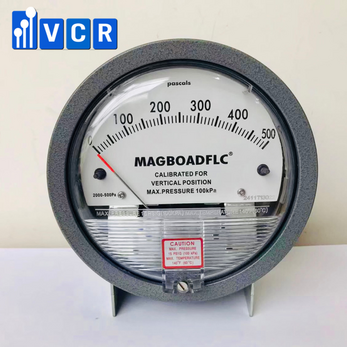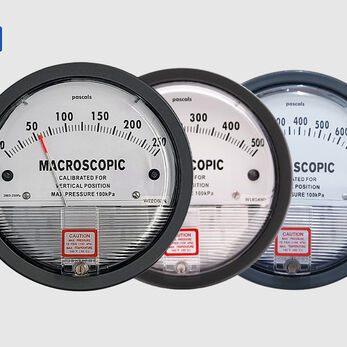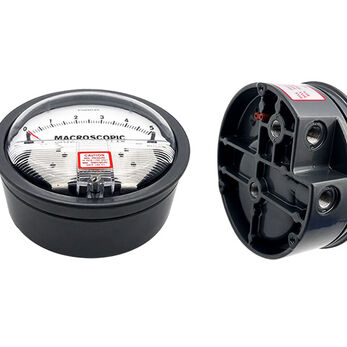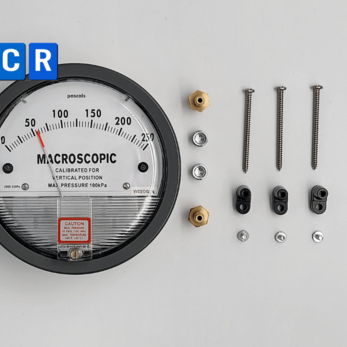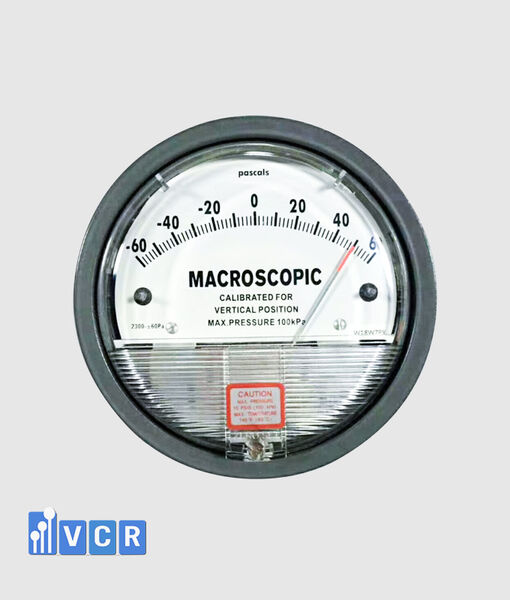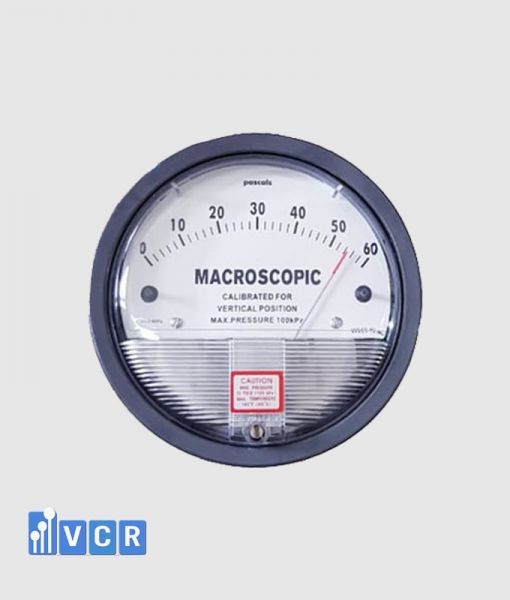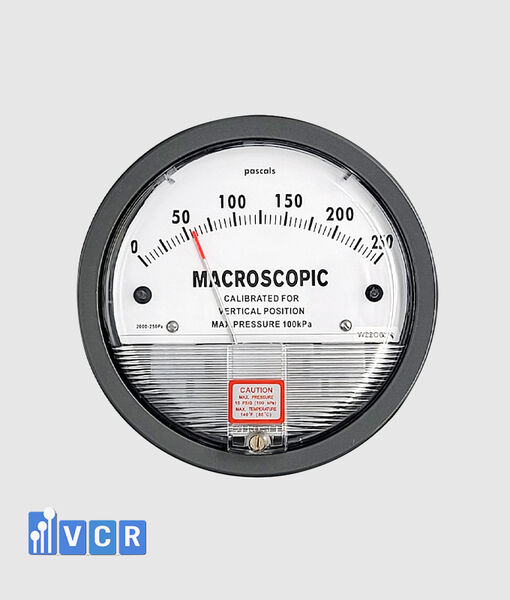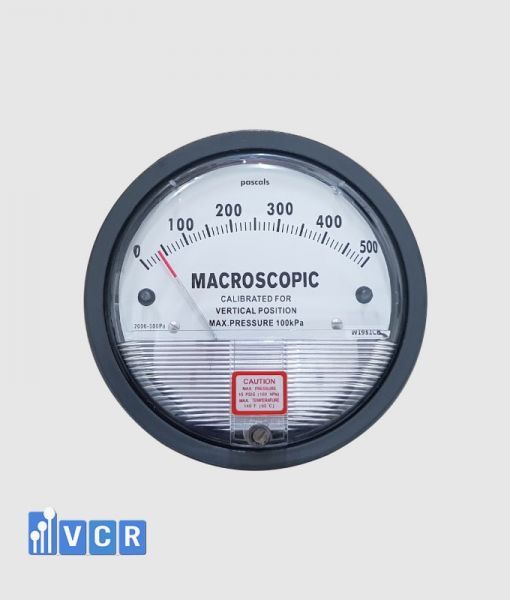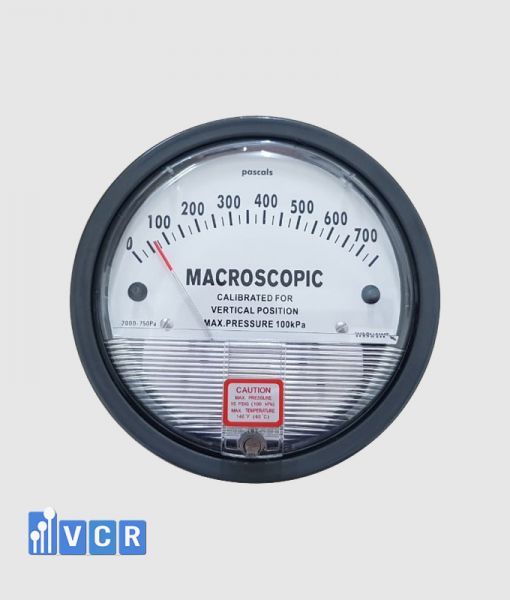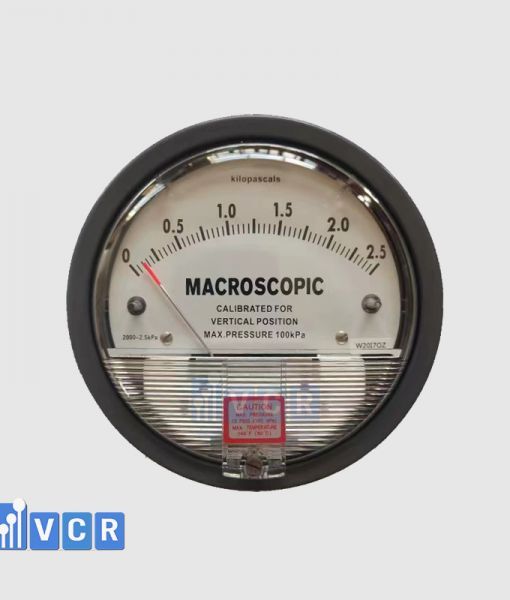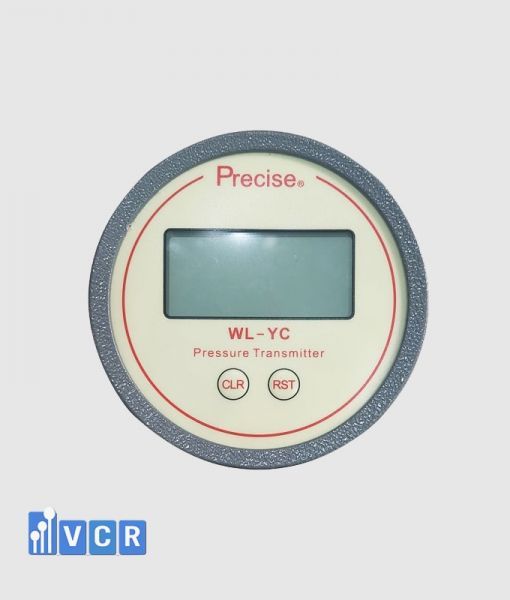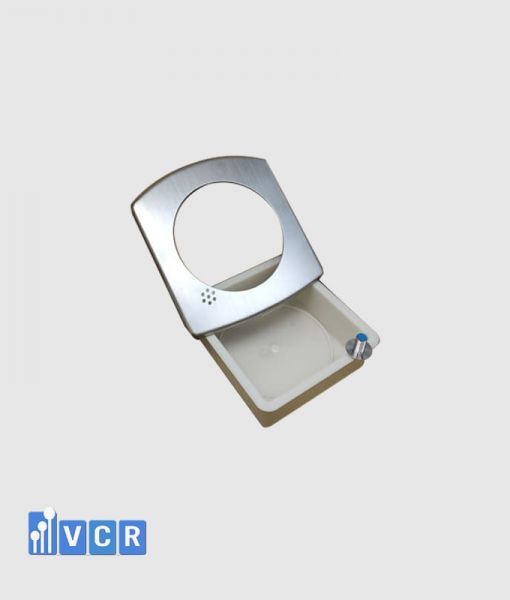

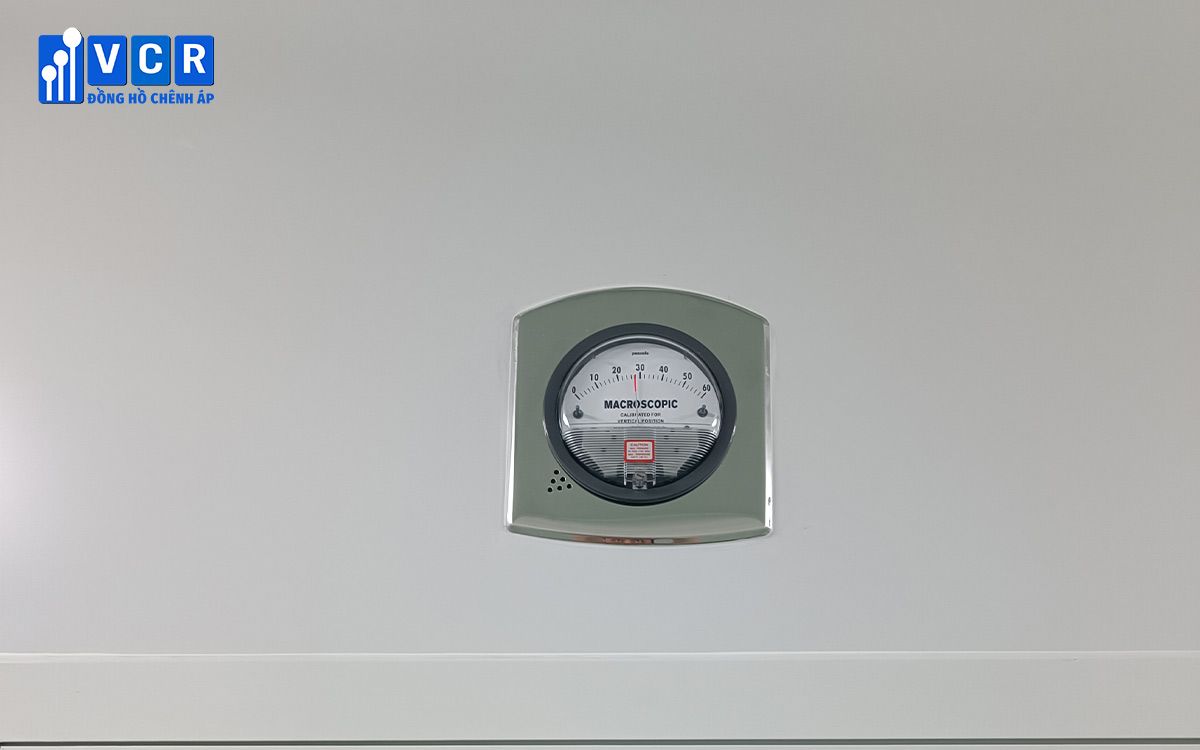
A differential pressure gauge for laboratories helps control pressure, airflow, HEPA filtration, biosafety, and cross-contamination risks.
- What Is a Differential Pressure Gauge for Laboratories?
- Why Do Laboratories Need Differential Pressure Gauges?
- The Role of Differential Pressure Gauges in Laboratories
- Where Are Differential Pressure Gauges Installed in Laboratories?
- Applications in Common Laboratory Types
- How to Choose a Differential Pressure Gauge for Laboratories
- Common Mistakes When Selecting and Using Differential Pressure Gauges
- Where to Buy Differential Pressure Gauges for Laboratories
- Frequently Asked Questions
- Does a Laboratory Need a Differential Pressure Gauge?
- What Is a Differential Pressure Gauge Used for in a Laboratory?
- Should a Microbiology Laboratory Use Positive or Negative Pressure?
- Does a PCR Laboratory Need Differential Pressure Monitoring?
- Should a Laboratory Use a Mechanical or Electronic Gauge?
- What Are the Benefits of Buying Laboratory Differential Pressure Gauges from VCR?
- Conclusion
What Is a Differential Pressure Gauge for Laboratories?
A differential pressure gauge for laboratories is a device used to monitor pressure difference between two areas, two rooms, or two sides of a filter in ventilation and cleanroom systems. It helps operators determine whether pressure is being maintained according to the design, thereby supporting airflow control, cross-contamination prevention, and safer laboratory operations.
In laboratories, pressure is not only related to working comfort but also directly affects sample safety, operator safety, and the reliability of the testing environment. Areas such as microbiology laboratories, testing rooms, PCR rooms, cell culture rooms, sample weighing rooms, chemical laboratories, sample preparation rooms, clean laboratories, and isolation rooms may all require differential pressure monitoring.
A differential pressure gauge helps detect early signs of room pressure loss, dust-loaded HEPA filters, reduced exhaust performance, poor door sealing, faulty pressure tubing, or HVAC imbalance. Therefore, it is an important device in laboratories that require environmental control, biosafety, contamination control, and clear operational records.
Why Do Laboratories Need Differential Pressure Gauges?
Laboratories need differential pressure gauges to control airflow direction, protect samples, protect operators, and prevent contaminants from moving into the wrong areas. When pressure is unstable, dust, microorganisms, chemical vapors, toxic gases, or biological agents may spread from one area to another, increasing cross-contamination or safety risks.
In clean laboratories, the gauge helps confirm whether air is moving from cleaner areas to less clean areas. In biosafety laboratories or areas handling risk agents, the gauge helps monitor negative pressure to prevent internal contaminants from escaping. In chemical laboratories or fume hood areas, the device can support exhaust and air filtration control.
A differential pressure gauge also gives the engineering team a basis for checking AHU - Air Handling Unit, FFU - Fan Filter Unit, HEPA filters, exhaust fans, dampers, doors, buffer rooms, and pressure tubing. This allows abnormal conditions to be detected before they affect test results or operational safety.
The Role of Differential Pressure Gauges in Laboratories
The first role is room pressure control. Depending on the purpose, a laboratory may need positive pressure to protect samples or negative pressure to protect operators and the surrounding environment. The gauge allows operators to observe pressure status in real time.
The second role is airflow control. In clean laboratories, airflow should move according to the designed direction to reduce cross-contamination. If pressure between areas is incorrect, air may carry dust, microorganisms, or chemical vapors in the wrong direction.
The third role is monitoring HEPA filter condition. When a HEPA filter becomes dust-loaded, differential pressure across the filter usually increases. If the reading is abnormally low, leakage, filter installation, sealing gaskets, fans, or pressure tubing should be checked. This information is important for air filtration system maintenance.
The fourth role is supporting operation records and quality assessment. In laboratories applying GLP, GMP, ISO, biosafety, or internal procedures, recording differential pressure improves traceability and helps demonstrate the controlled status of the area.
Where Are Differential Pressure Gauges Installed in Laboratories?
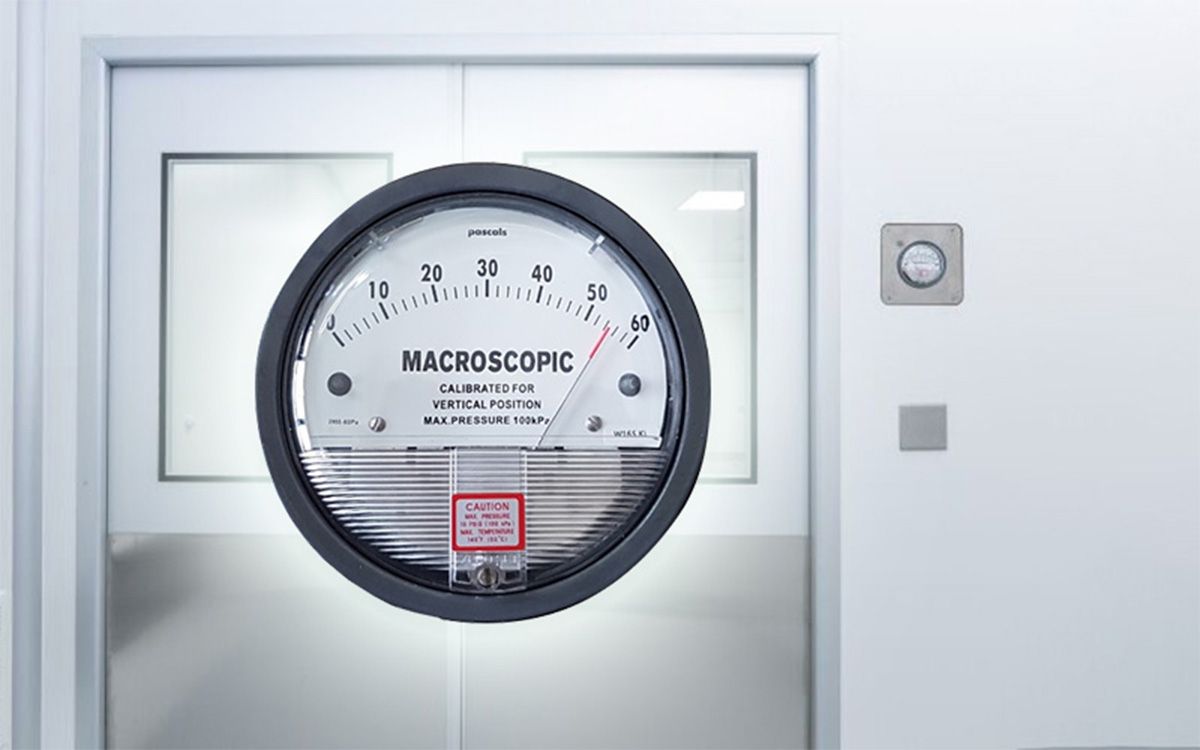
Differential pressure gauges are usually installed at transition points between two areas with different pressure requirements. Common locations include between a laboratory and a corridor, between a clean laboratory and a buffer room, between a PCR room and a sample preparation area, between a microbiology room and a support area, or between a negative pressure room and the outside area.
The device may also be installed to monitor differential pressure across HEPA filters, HEPA filter boxes, biological safety cabinets, fume hoods, clean benches, clean booths, AHU - Air Handling Unit, FFU - Fan Filter Unit, and other air control equipment in laboratories.
Pressure tapping points should avoid locations near doors, supply air diffusers, return air grilles, fans, fume hoods, or areas with disturbed airflow. If tapping points are incorrectly placed, readings may fluctuate or fail to reflect actual pressure. Pressure tubing should also be securely installed, without bending, blockage, or leakage.
Applications in Common Laboratory Types
In microbiology laboratories, differential pressure gauges help control pressure between the work area, buffer room, and outside areas. Depending on risk level, the room may require negative pressure to prevent microbial agents from escaping or positive pressure to protect samples from external contamination.
In PCR and molecular biology laboratories, pressure control helps reduce cross-contamination between sample preparation, master mix preparation, extraction, and amplification areas. Proper pressure zoning helps prevent airflow from carrying genetic material or contaminated samples into the wrong areas.
In chemical laboratories, differential pressure gauges can support room pressure control, exhaust systems, fume hoods, and areas handling volatile chemicals. If pressure or exhaust airflow is unstable, chemical vapors may affect operators and the working environment.
In clean laboratories, the device helps maintain pressure zoning according to cleanliness requirements. Areas such as weighing rooms, sample preparation rooms, testing rooms, buffer rooms, and clean corridors should be monitored to ensure that airflow moves in the correct direction.
How to Choose a Differential Pressure Gauge for Laboratories
The first criterion is defining the measurement purpose. Is the gauge used for room pressure monitoring, pressure difference between two areas, HEPA filter monitoring, biological safety cabinet monitoring, or fume hood monitoring? Each purpose requires a different measuring range, tapping point location, and gauge type.
The second criterion is selecting the correct measuring range. For room pressure monitoring, the range should be sensitive enough to observe small changes. For HEPA filters or exhaust systems, the range should match filter resistance, airflow volume, and equipment design. One common measuring range should not be used for every location.
The third criterion is choosing a display suitable for positive or negative pressure. Rooms designed to protect samples often use positive pressure, while rooms designed to control risk agents or chemical vapors often use negative pressure. If the room may change operating mode or both directions need to be monitored, a negative-positive range should be considered.
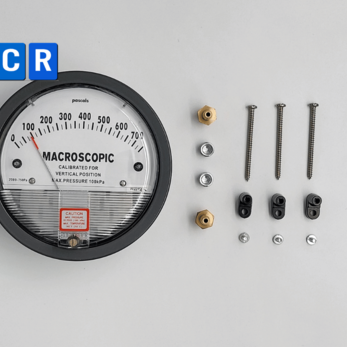
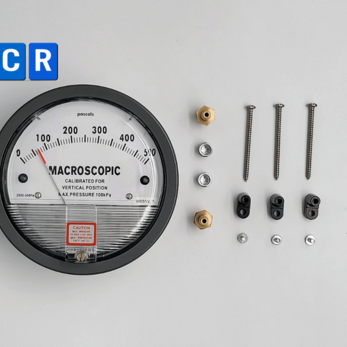
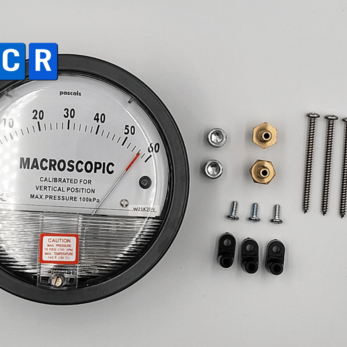
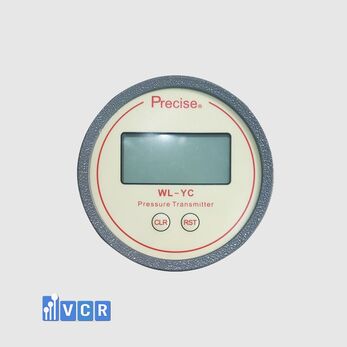
The fourth criterion is choosing between a mechanical or electronic gauge. Mechanical gauges are suitable for local observation, clear reading, and reasonable cost. Electronic gauges or differential pressure sensors are suitable for areas requiring alarms, continuous monitoring, signal transmission, or data logging.
The fifth criterion is calibration capability and technical documentation. For laboratories with GLP, GMP, ISO, or biosafety requirements, the gauge should have clear specifications, be easy to inspect, easy to calibrate, and suitable for the measuring equipment management plan.
Common Mistakes When Selecting and Using Differential Pressure Gauges
The most common mistake is choosing the wrong measuring range. If the range is too large, operators may find it difficult to detect small changes. If the range is too small, the gauge may exceed its scale when the system changes or doors open frequently.
The second mistake is installing pressure tapping points incorrectly. Tapping points placed near doors, air diffusers, fans, or disturbed airflow areas may cause fluctuating readings and fail to represent actual room pressure.
The third mistake is not distinguishing between positive and negative pressure rooms. If high and low pressure ports are connected incorrectly, the gauge may display the opposite reading, causing operators to misunderstand room status. This is especially risky in isolation rooms, microbiology rooms, or areas handling risk agents.
The fourth mistake is looking only at the gauge without evaluating the whole system. Differential pressure should be reviewed together with airflow volume, air velocity, HEPA filter status, door condition, fans, dampers, fume hoods, and operating procedures.
The fifth mistake is neglecting periodic inspection. A gauge may still display readings but no longer be accurate after long-term use. Inspection, pressure tubing cleaning, and calibration when needed help improve the reliability of operating data.
Where to Buy Differential Pressure Gauges for Laboratories
Businesses should buy differential pressure gauges for laboratories from a supplier specializing in cleanroom equipment and air control devices. The device must not only match the model requirement, but also the measurement purpose, pressure range, installation location, calibration requirements, biosafety needs, and actual operating conditions.
VCR Cleanroom Equipment can advise and supply differential pressure gauges for clean laboratories, microbiology rooms, PCR rooms, testing laboratories, chemical laboratories, sample weighing rooms, isolation rooms, biological safety cabinets, fume hoods, HEPA Boxes, AHU - Air Handling Unit, FFU - Fan Filter Unit, clean benches, and clean booths.
When requesting consultation, laboratories should provide the room type, measurement purpose, installation location, reference area, desired pressure range, alarm requirement, calibration requirement, and documentation needs. From there, VCR Cleanroom Equipment can propose a solution that matches actual operating requirements.
Frequently Asked Questions
Does a Laboratory Need a Differential Pressure Gauge?
Yes. A laboratory should use a differential pressure gauge if it requires pressure control, airflow control, biosafety, HEPA filtration, or cross-contamination prevention. The device helps monitor pressure between the room and adjacent areas and detect early signs of room pressure loss or abnormal air system conditions. VCR Cleanroom Equipment can recommend suitable gauges for different laboratory types.
What Is a Differential Pressure Gauge Used for in a Laboratory?
A differential pressure gauge in a laboratory is used to monitor pressure between two areas, between a laboratory and a corridor, between a cleanroom and a buffer room, or across a HEPA filter. It helps control airflow direction, protect samples, protect operators, and detect abnormalities in the ventilation, filtration, or HVAC system.
Should a Microbiology Laboratory Use Positive or Negative Pressure?
Whether a microbiology laboratory should use positive or negative pressure depends on the control objective. If the priority is to protect samples from external contamination, positive pressure may be used. If the priority is to prevent microbial agents from escaping, negative pressure may be required. The decision should be based on sample type, biosafety risk level, operating procedure, and laboratory design.
Does a PCR Laboratory Need Differential Pressure Monitoring?
Yes. A PCR laboratory should monitor differential pressure to reduce cross-contamination risk between areas such as sample preparation, extraction, reagent preparation, and amplification. If airflow moves in the wrong direction, samples or genetic material may spread to other areas. A differential pressure gauge helps operators verify pressure zoning more clearly.
Should a Laboratory Use a Mechanical or Electronic Gauge?
If only local observation is required, a mechanical gauge is suitable because it is easy to read, easy to install, and cost-effective. If the laboratory requires alarms, continuous monitoring, signal transmission, or data logging, an electronic gauge or differential pressure sensor should be selected. For high-risk areas, microbiology rooms, or negative pressure rooms, an alarm type is often more suitable.
What Are the Benefits of Buying Laboratory Differential Pressure Gauges from VCR?
When buying from VCR Cleanroom Equipment, customers receive advice based on room type, pressure objective, measuring range, pressure tapping position, and actual operating requirements. VCR can support differential pressure gauges for clean laboratories, microbiology rooms, PCR rooms, testing laboratories, biological safety cabinets, fume hoods, HEPA Boxes, AHU - Air Handling Unit, and FFU - Fan Filter Unit.
Conclusion
A differential pressure gauge for laboratories is an important device for controlling pressure, airflow direction, HEPA filtration, biosafety, and cross-contamination risks. When selected with the correct measuring range, installed with proper pressure tapping points, and inspected periodically, it helps laboratories operate more safely, stably, and with clearer control records.
If your business needs differential pressure gauges for clean laboratories, microbiology rooms, PCR rooms, testing laboratories, chemical laboratories, biological safety cabinets, fume hoods, or related cleanroom equipment, contact VCR Cleanroom Equipment for support in selecting the right solution for actual operating needs.