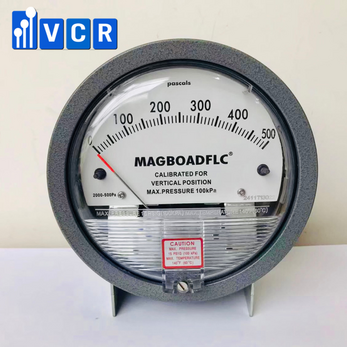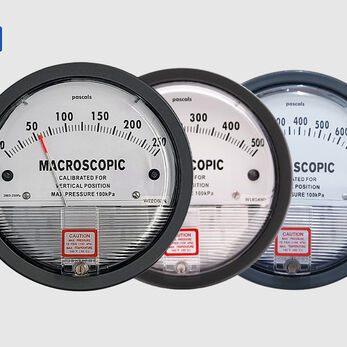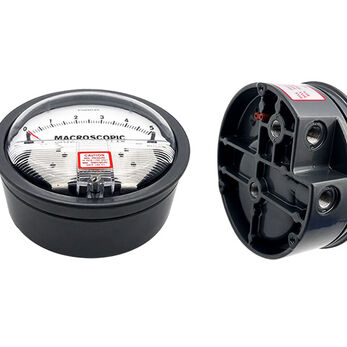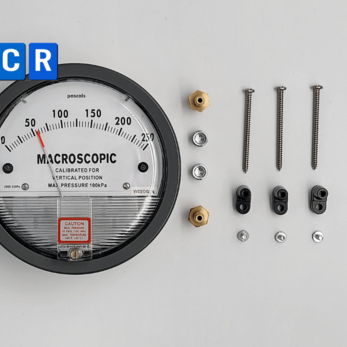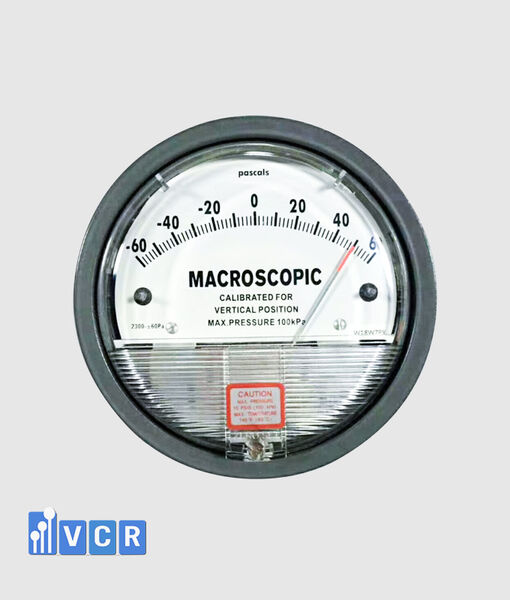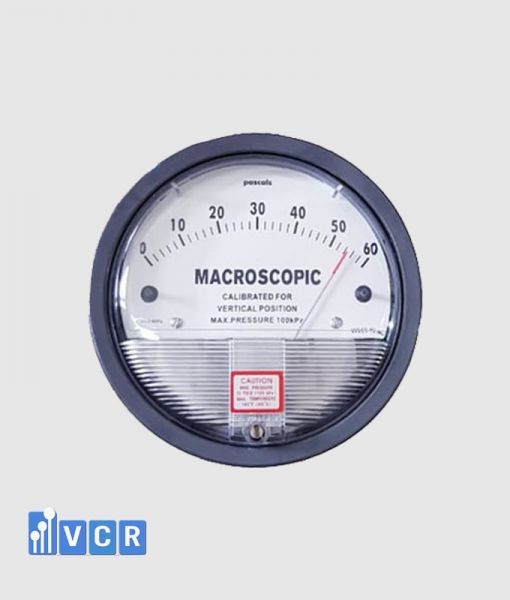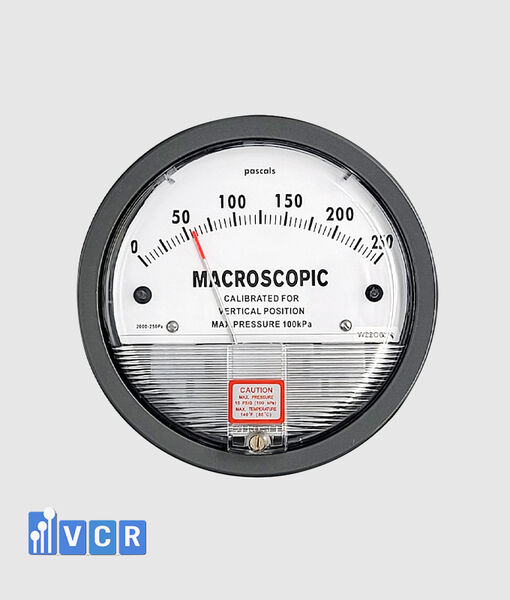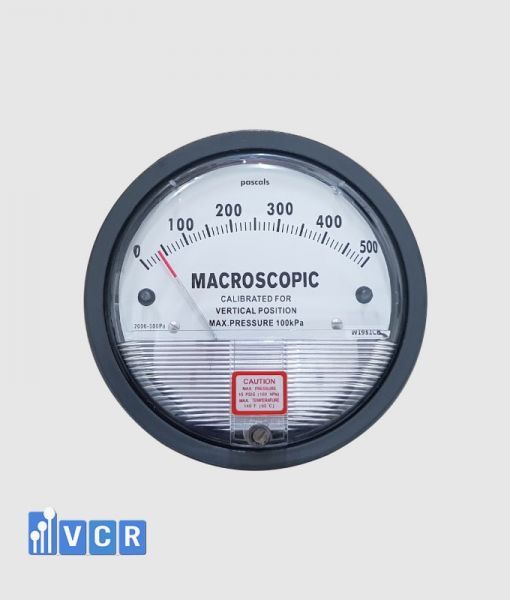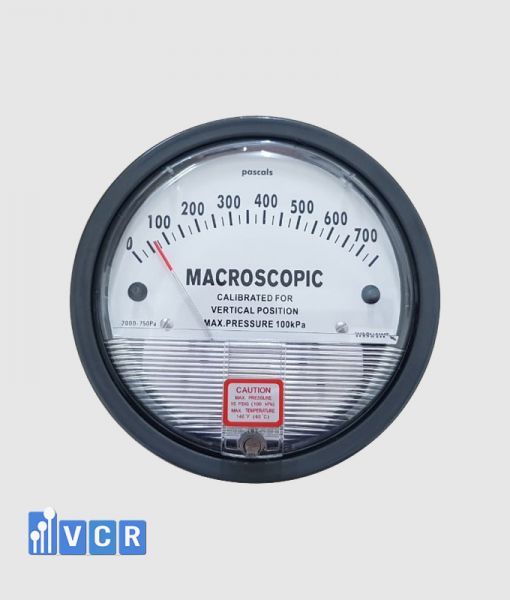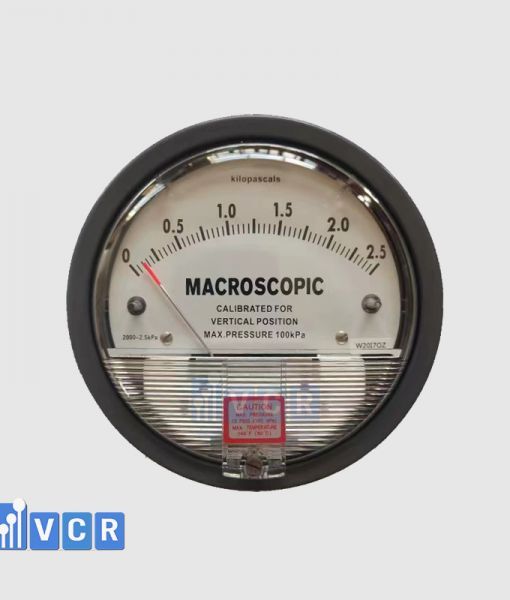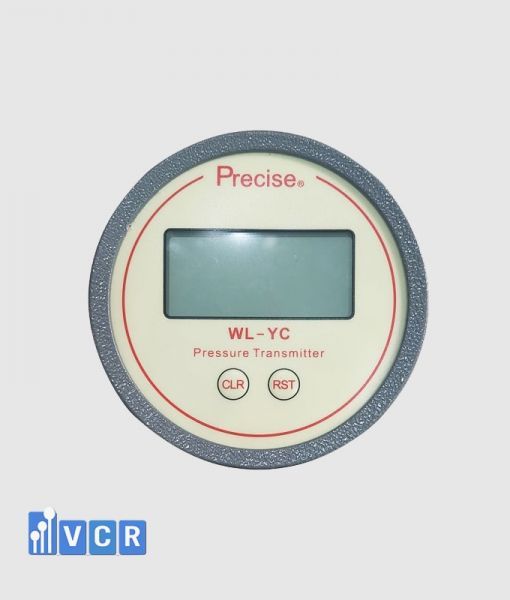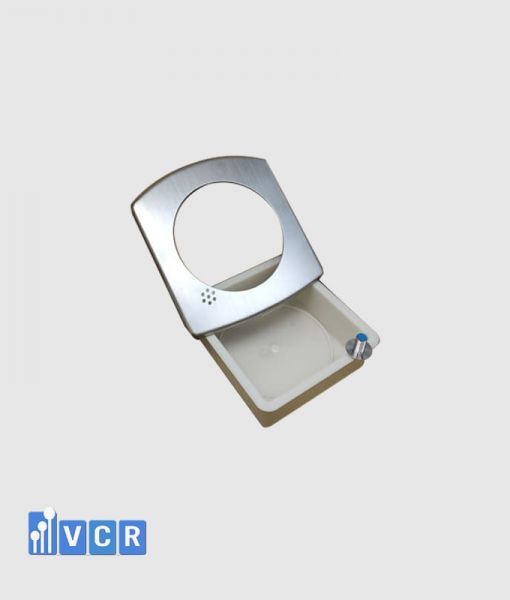

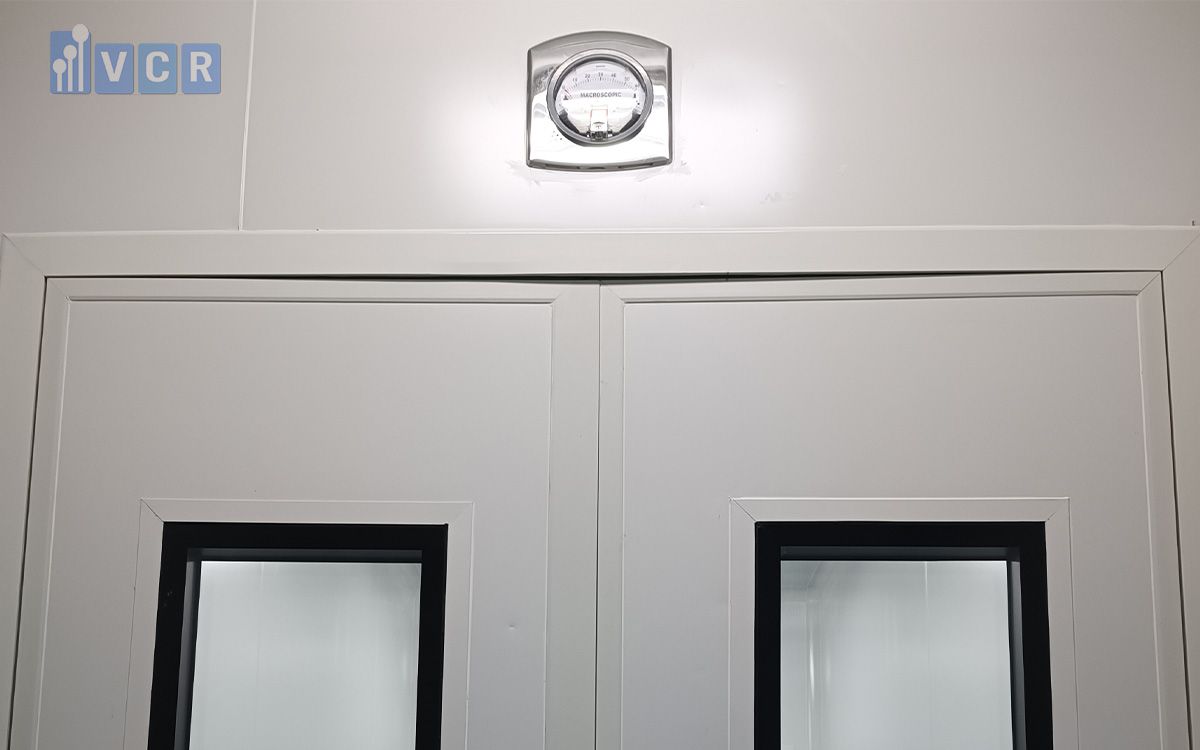
A differential pressure gauge for fume hoods helps monitor exhaust airflow, pressure, filters, and safety in laboratory environments.
- What Is a Differential Pressure Gauge for a Fume Hood?
- Why Does a Fume Hood Need a Differential Pressure Gauge?
- The Role of Differential Pressure in Laboratory Fume Hoods
- Where Is a Differential Pressure Gauge Installed on a Fume Hood?
- Applications of Differential Pressure Gauges for Fume Hoods
- How to Choose a Differential Pressure Gauge for a Fume Hood
- Common Mistakes When Choosing and Using Differential Pressure Gauges for Fume Hoods
- When Should the Gauge Be Checked, Calibrated, or Replaced?
- Where to Buy Differential Pressure Gauges for Fume Hoods
- Frequently Asked Questions
- Does a Fume Hood Need a Differential Pressure Gauge?
- What Does a Differential Pressure Gauge on a Fume Hood Measure?
- What Does High Differential Pressure on a Fume Hood Mean?
- Is Abnormally Low Differential Pressure on a Fume Hood Dangerous?
- Should a Mechanical or Electronic Gauge Be Used for a Laboratory Fume Hood?
- What Information Should Be Provided When Buying a Differential Pressure Gauge for a Fume Hood?
- Conclusion
What Is a Differential Pressure Gauge for a Fume Hood?
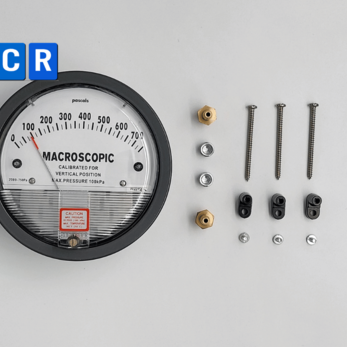
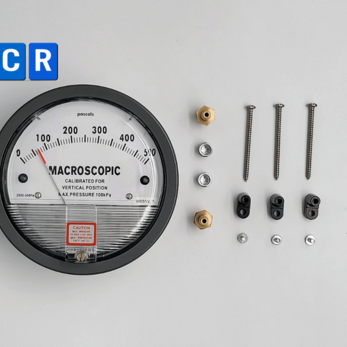
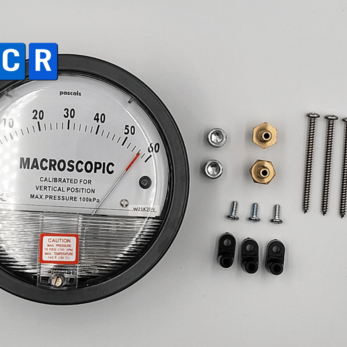
A differential pressure gauge for fume hoods and laboratory fume cabinets is a device used to monitor pressure differences in the exhaust system, work chamber, ductwork, or filtration section of the cabinet. It helps operators identify whether the exhaust airflow is stable, whether the filtration system is restricted, and whether the hood can still control chemical vapors, toxic gases, or airborne contaminants during laboratory operations.
In laboratories, fume hoods are commonly used to protect operators from solvent vapors, volatile chemicals, toxic gases, odors, fine particles, or substances that may affect health. An effective fume hood requires stable exhaust airflow, suitable face velocity, clear ductwork, and a properly operating filtration or exhaust system. A differential pressure gauge is one of the devices that supports monitoring of these conditions.
When differential pressure increases abnormally, the filter may be dirty, the ductwork may be restricted, the damper may be incorrectly positioned, or the exhaust fan may be operating under heavier load. When differential pressure is abnormally low, the exhaust fan may be weak, duct leakage may exist, the sash may be positioned incorrectly, pressure tubing may be faulty, or exhaust airflow may be insufficient. Therefore, a differential pressure gauge helps detect abnormalities early before they affect laboratory safety.
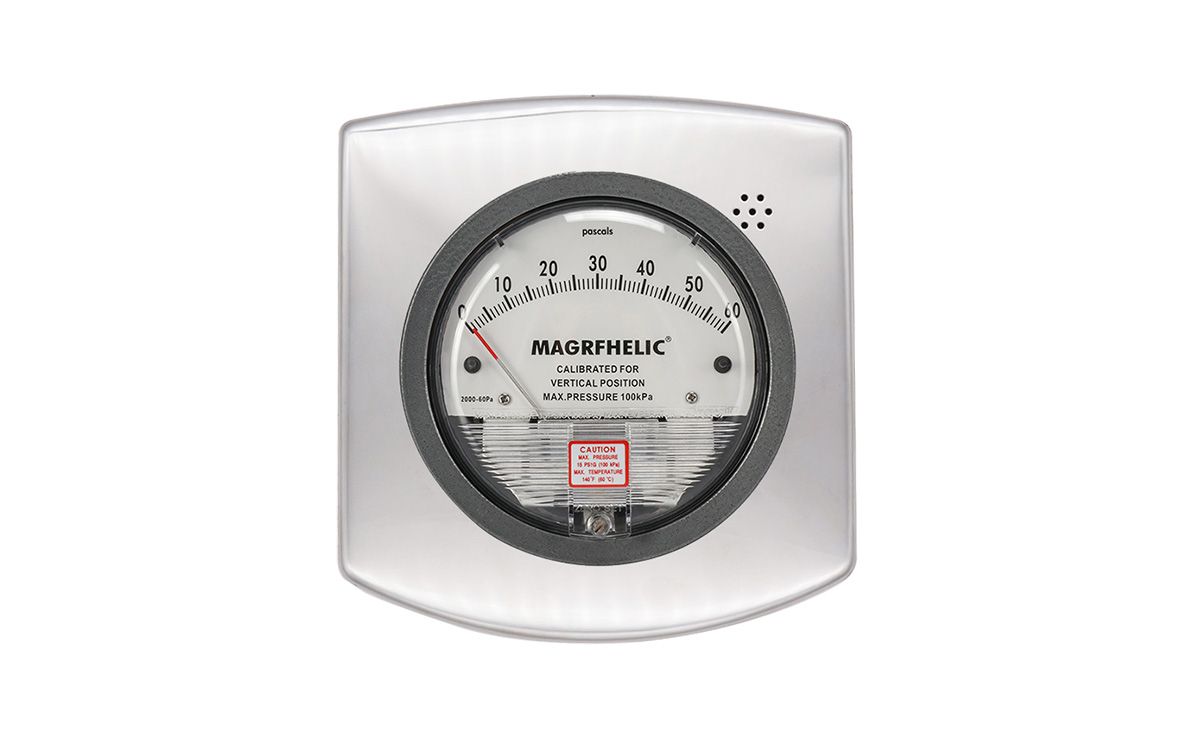
Why Does a Fume Hood Need a Differential Pressure Gauge?
A fume hood needs a differential pressure gauge to monitor exhaust airflow status, control pressure, and detect early abnormalities in the air system. When the differential pressure reading changes, operators can check the exhaust fan, filters, ductwork, dampers, sash, or pressure tubing to ensure that the hood maintains its ability to protect operators and the laboratory environment.
The Role of Differential Pressure in Laboratory Fume Hoods
Differential pressure in a laboratory fume hood reflects pressure changes between the work chamber, surrounding area, exhaust duct, or both sides of a filter. This parameter provides an initial indication of airflow resistance and the operating condition of the exhaust system.
For fume hoods, the most important objective is to maintain airflow from the operator side into the hood, then exhaust it through ductwork or an air treatment system. If exhaust airflow is too weak, chemical vapors or toxic gases may escape into the operator’s breathing zone. If airflow is too strong, work inside the hood may be affected, energy consumption may increase, and system operation may become less stable.
A differential pressure gauge does not fully replace face velocity testing, but it is an important indicator for monitoring system changes. When the reading changes from its normal operating condition, technicians can inspect the system early before the hood loses its protective performance.
Where Is a Differential Pressure Gauge Installed on a Fume Hood?
A differential pressure gauge can be installed at different positions depending on the control purpose. For fume hoods with filters, the gauge is often used to measure pressure difference before and after the filter to monitor dirt loading or blockage. When the filter becomes dust-loaded or absorbs large amounts of chemical vapor, resistance increases and the differential pressure reading may change.
For ducted fume hoods, the gauge may be used to monitor pressure in the work chamber, duct pressure, or pressure difference between the hood chamber and the laboratory. Some systems may use electronic differential pressure sensors to connect alarms when exhaust airflow does not meet requirements.
Pressure tapping points must be arranged according to the hood design and measurement objective. If the pressure port is placed in the wrong position, near turbulent airflow, blocked, leaking, or installed in reverse, the reading may not accurately reflect the operating condition. Therefore, when replacing or installing a new gauge, it is important to determine whether the measurement is for filter differential pressure, cabinet chamber pressure, or exhaust duct pressure.
Applications of Differential Pressure Gauges for Fume Hoods
The first application is monitoring filter condition. For fume hoods with activated carbon filters, chemical filters, dust filters, or other filtration stages, differential pressure helps identify airflow resistance across the filter. When differential pressure increases, the technical team has a basis for inspection, cleaning, or filter replacement according to actual operating conditions.
The second application is supporting exhaust airflow control. A fume hood must maintain stable airflow to prevent chemical vapors, odors, or toxic gases from escaping. A differential pressure gauge helps detect changes that may be related to the exhaust fan, ductwork, damper, sash, or filter.
The third application is supporting periodic maintenance. When the differential pressure reading changes abnormally, technicians can check the exhaust system before serious problems occur. This reduces the risk of operating the hood with weak airflow, clogged filters, or restricted exhaust ducts.
The fourth application is supporting laboratory safety records. In laboratories that require equipment management, GLP, GMP, ISO, or chemical safety procedures, differential pressure readings may be recorded during periodic checks. This data improves traceability and supports equipment status evaluation.
How to Choose a Differential Pressure Gauge for a Fume Hood
The first criterion is defining the measurement purpose. Is the gauge used to measure differential pressure across a filter, chamber pressure, exhaust duct pressure, or exhaust airflow status? Each purpose requires a different measuring range, pressure tapping position, and gauge type.
The second criterion is selecting the correct measuring range. The measuring range for a fume hood should not be assumed to be the same as that of a cleanroom, AHU - Air Handling Unit, or FFU - Fan Filter Unit. If the range is too large, small changes will be difficult to observe. If the range is too small, the gauge may exceed its scale when the filter becomes dirty or the exhaust system changes.
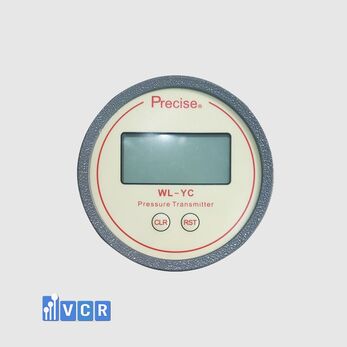
The third criterion is choosing the suitable gauge type. Mechanical gauges are suitable for on-site observation, clear reading, and simple operation. Electronic gauges or differential pressure sensors are more suitable for laboratories that require alarms, continuous monitoring, or signal transmission to a management system.
The fourth criterion is corrosion resistance and suitability for the operating environment. Fume hoods may be exposed to chemical vapors, solvents, or corrosive environments. Therefore, material selection, installation position, pressure tubing, and device protection should be considered to ensure more stable operation.
The fifth criterion is calibration capability and technical documentation. For laboratories with measuring equipment management requirements, the gauge should have clear specifications, be easy to inspect, easy to calibrate, and suitable for internal operating procedures.
Common Mistakes When Choosing and Using Differential Pressure Gauges for Fume Hoods
The most common mistake is choosing the wrong measuring range. If the range is too large, operators may find it difficult to identify small changes in the exhaust system. If the range is too small, the gauge may exceed its scale when the filtration system or ductwork changes. This makes hood condition evaluation less accurate.
The second mistake is installing pressure tapping points incorrectly. In a fume hood, tapping point locations must match the hood’s air structure and measurement purpose. If the tapping point is placed in a turbulent airflow area, near the sash opening, near the fan, or not correctly before and after the filter, the reading may not reflect the true operating condition.
The third mistake is ignoring pressure tubing. Bent, blocked, loose, leaking, or chemically affected pressure tubing can distort the reading. In laboratories, this error may cause operators to misjudge the exhaust performance and safety status of the hood.
The fourth mistake is relying only on the gauge without checking face velocity. Differential pressure is an important indicator, but it does not fully replace face velocity testing, smoke testing, fan inspection, damper inspection, and overall exhaust system evaluation. Multiple parameters should be combined to reach an accurate conclusion.
When Should the Gauge Be Checked, Calibrated, or Replaced?
A differential pressure gauge for fume hoods should be checked when the pointer does not return to zero, the reading fluctuates abnormally, the gauge face is damaged, the device is corroded, pressure tubing is loose, or the displayed result does not match the actual operating condition. These are signs that inspection, calibration, or replacement may be needed.
In addition to the gauge, the exhaust fan, ductwork, damper, filters, sash, cabinet chamber, sealing gaskets, pressure tubing, and air treatment system should also be checked. In many cases, abnormal readings are not caused by the gauge itself but by dirty filters, reduced fan performance, duct restrictions, or incorrect hood operating conditions.
For chemical laboratories, testing laboratories, R&D laboratories, clean laboratories, or areas using hazardous chemicals, periodic inspection of differential pressure gauges improves equipment reliability and supports operational safety management.
Where to Buy Differential Pressure Gauges for Fume Hoods
When purchasing differential pressure gauges for fume hoods and laboratory fume cabinets, buyers should choose a supplier that understands cleanroom equipment, laboratories, exhaust systems, air filtration, HVAC systems, and chemical safety requirements. Selecting the right device is not only about choosing a model; it requires determining the measurement purpose, measuring range, pressure tapping position, chemical exposure conditions, calibration requirements, and alarm needs.
VCR Cleanroom Equipment can advise on suitable differential pressure gauges for fume hoods, laboratory fume cabinets, biological safety cabinets, clean laboratories, testing laboratories, R&D laboratories, HEPA filter boxes, AHU - Air Handling Unit, FFU - Fan Filter Unit, and related air control equipment.
If a laboratory needs a differential pressure gauge for a fume hood, it should provide information about the hood type, measurement purpose, measurement position, desired pressure range, filter type if any, calibration requirements, alarm needs, and actual operating conditions. From there, VCR Cleanroom Equipment can propose a solution that better matches the application.
Frequently Asked Questions
Does a Fume Hood Need a Differential Pressure Gauge?
Yes. A fume hood should have a differential pressure gauge to monitor exhaust airflow, filter condition, and exhaust system status. The device helps detect early signs of dirty filters, duct restrictions, reduced fan performance, or abnormal operating pressure. For clean laboratories, testing laboratories, or areas using hazardous chemicals, VCR Cleanroom Equipment can recommend a suitable gauge.
What Does a Differential Pressure Gauge on a Fume Hood Measure?
The gauge can measure differential pressure across filters, chamber pressure, exhaust duct pressure, or pressure difference between the hood and the laboratory. The measurement purpose depends on the hood design and control requirements. If measuring across a filter, the two pressure ports must be placed correctly before and after the filter. If measuring chamber pressure, the tapping point should avoid turbulent airflow areas.
What Does High Differential Pressure on a Fume Hood Mean?
High differential pressure may indicate a dirty filter, restricted exhaust duct, incorrectly positioned damper, or an exhaust fan operating under high load. When the reading rises abnormally, filters, ductwork, fans, dampers, and pressure tubing should be checked. The conclusion should not be based only on differential pressure; face velocity and overall operating condition should also be evaluated.
Is Abnormally Low Differential Pressure on a Fume Hood Dangerous?
It can be. Abnormally low differential pressure may be related to a weak exhaust fan, duct leakage, incorrect sash position, loose pressure tubing, poor filter sealing, or insufficient exhaust airflow. If not checked promptly, chemical vapors or toxic gases may not be captured effectively. When this occurs, the exhaust system should be inspected before continuing work with hazardous chemicals.
Should a Mechanical or Electronic Gauge Be Used for a Laboratory Fume Hood?
If only on-site observation is needed, a mechanical gauge is suitable because it is easy to read, easy to install, and simple to operate. If the laboratory requires alarms, continuous monitoring, or data transmission to a management system, an electronic gauge or differential pressure sensor will be more suitable. For fume hoods used with hazardous chemicals, testing laboratories, or R&D laboratories, VCR Cleanroom Equipment can advise on the appropriate option.
What Information Should Be Provided When Buying a Differential Pressure Gauge for a Fume Hood?
Buyers should provide the fume hood type, measurement purpose, measurement position, desired pressure range, filter type if any, chemical environment, calibration requirements, alarm needs, and actual operating conditions. If replacing an old device, information about the old model, measuring range, and current pressure tapping position should also be provided so VCR Cleanroom Equipment can provide a more accurate recommendation.
Conclusion
A differential pressure gauge for fume hoods and laboratory fume cabinets is an important device for monitoring exhaust airflow, filter condition, chamber pressure, and abnormalities in the exhaust system. When selected with the correct measuring range, installed in the right position, and inspected periodically, the device improves operator safety and supports laboratory operation management.
If you need a differential pressure gauge for fume hoods, laboratory fume cabinets, clean laboratories, or related air control systems, contact VCR Cleanroom Equipment for support in selecting the right solution for your actual operating needs.