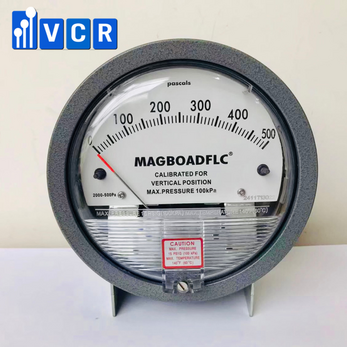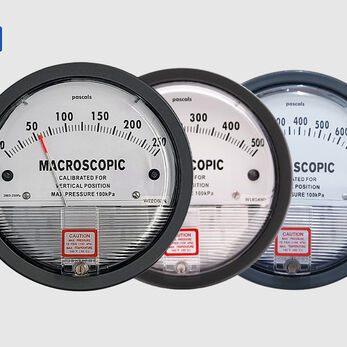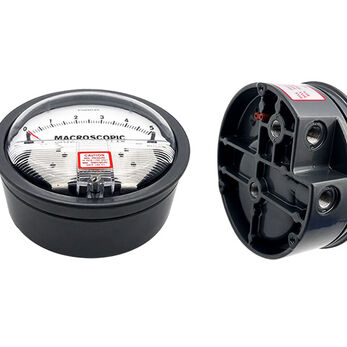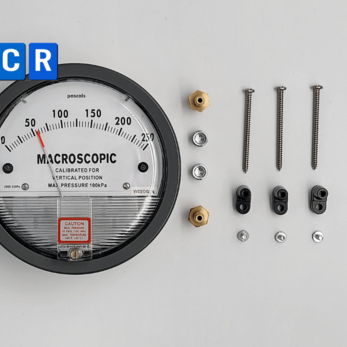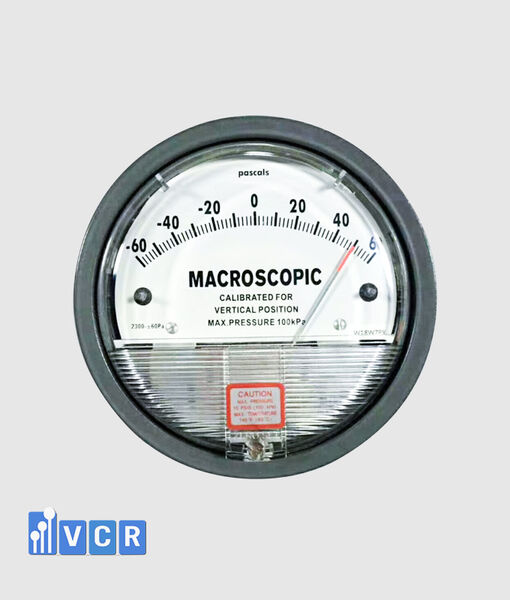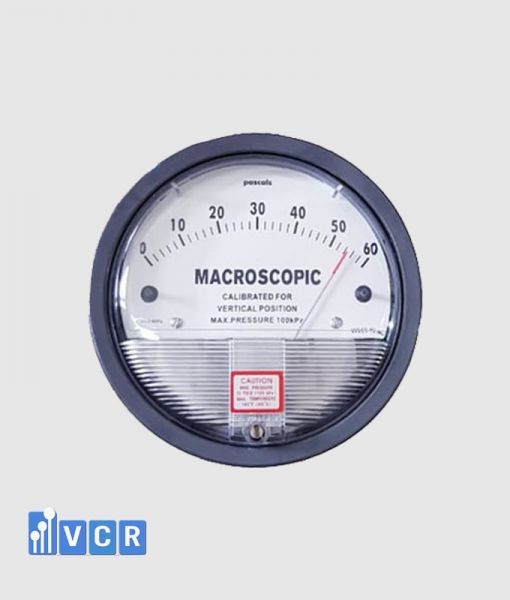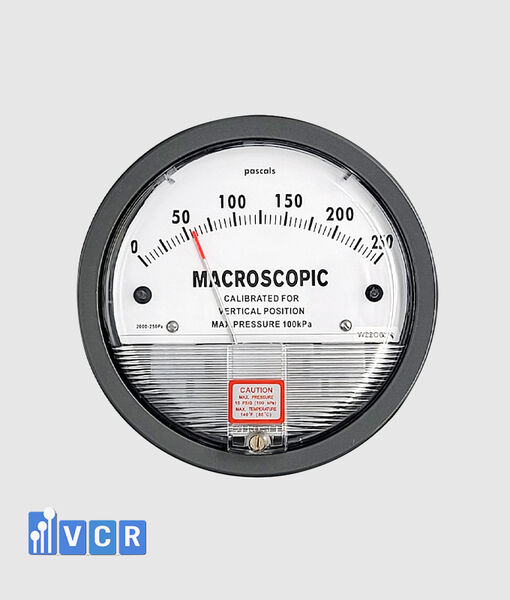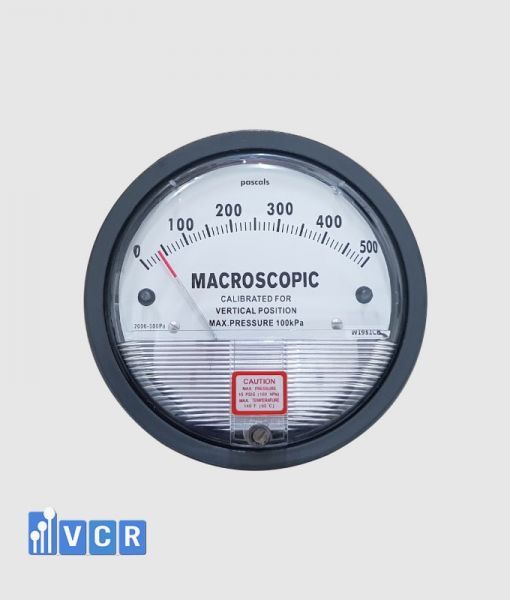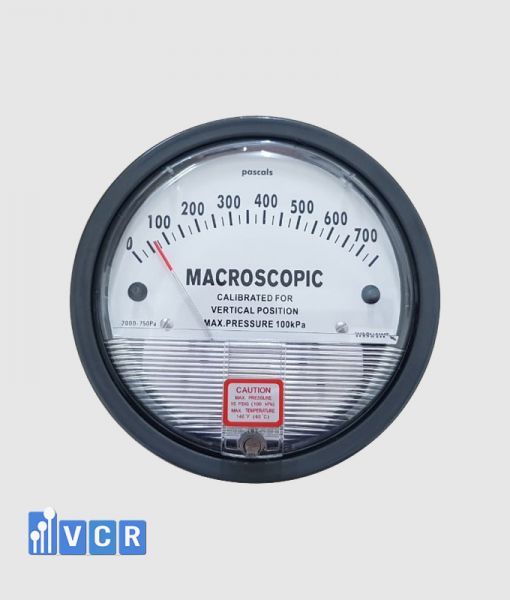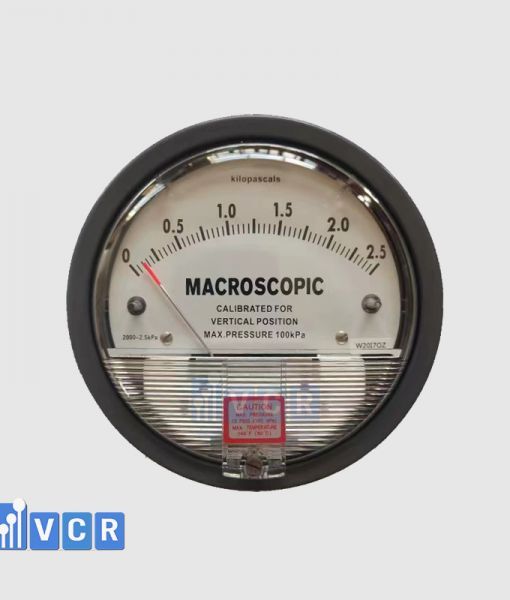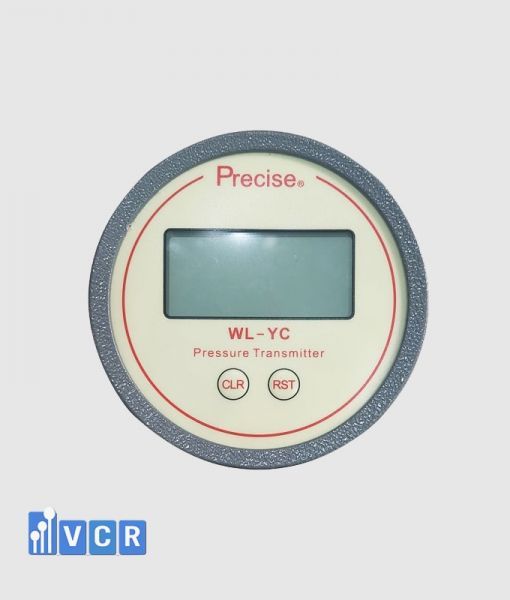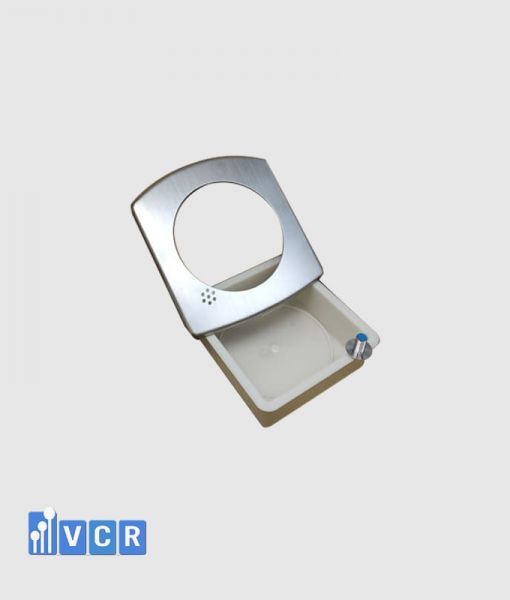

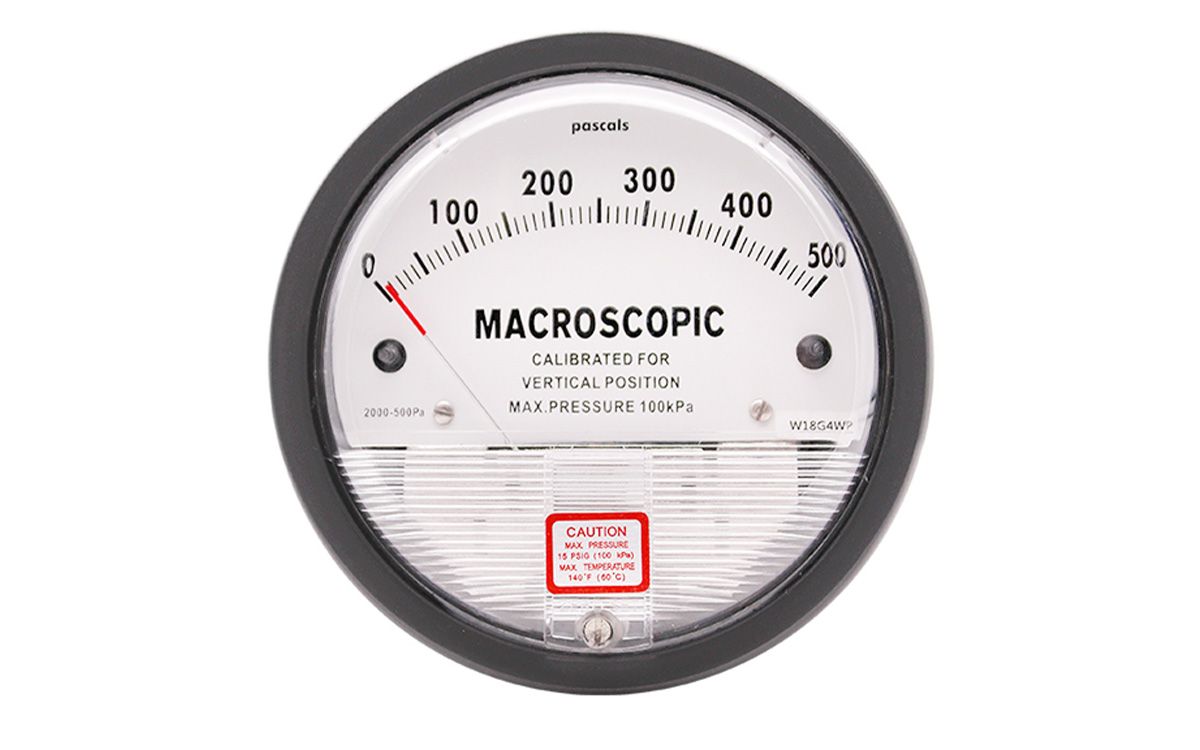
A differential pressure gauge for biological safety cabinets helps monitor HEPA filters, airflow, pressure, and safety in clean laboratories.
- What Is a Differential Pressure Gauge for a Biological Safety Cabinet?
- Why Does a Biological Safety Cabinet Need a Differential Pressure Gauge?
- The Role of Differential Pressure in Biological Safety Cabinets
- Where Is a Differential Pressure Gauge Installed on a Biological Safety Cabinet?
- Applications of Differential Pressure Gauges for Biological Safety Cabinets
- How to Choose a Differential Pressure Gauge for a Biological Safety Cabinet
- Common Mistakes When Choosing and Using Differential Pressure Gauges for Biological Safety Cabinets
- When Should the Gauge Be Checked, Calibrated, or Replaced?
- Where to Buy Differential Pressure Gauges for Biological Safety Cabinets
- Frequently Asked Questions
- Does a Biological Safety Cabinet Need a Differential Pressure Gauge?
- What Does a Differential Pressure Gauge on a Biological Safety Cabinet Measure?
- What Does High Differential Pressure on a Biological Safety Cabinet Mean?
- Is Abnormally Low Differential Pressure Dangerous?
- Should a Mechanical or Electronic Gauge Be Used for a Biological Safety Cabinet?
- What Information Should Be Provided When Buying a Differential Pressure Gauge for a Biological Safety Cabinet?
- Conclusion
What Is a Differential Pressure Gauge for a Biological Safety Cabinet?
A differential pressure gauge for a biological safety cabinet is a device used to monitor pressure differences within the cabinet’s air system, especially across the HEPA filter or between internal pressure zones. This reading helps operators identify airflow resistance, filter dust loading, and the stability of protective airflow during operation.
In clean laboratories, biological safety cabinets are commonly used to protect samples, operators, and the surrounding environment from microbial contamination, aerosols, or biological agents. For a cabinet to operate safely, airflow must be properly controlled, HEPA filtration must remain effective, and the fan system must operate stably. A differential pressure gauge is one of the devices that supports monitoring of these factors.
If the differential pressure across the filter becomes high, the HEPA filter may be dust-loaded or airflow may be restricted. If the reading is abnormally low, leakage, filter installation, sealing gaskets, fans, sensors, or pressure tubing should be checked. Therefore, a differential pressure gauge is not only a display device; it also helps detect abnormalities early before they affect biosafety and laboratory operating conditions.
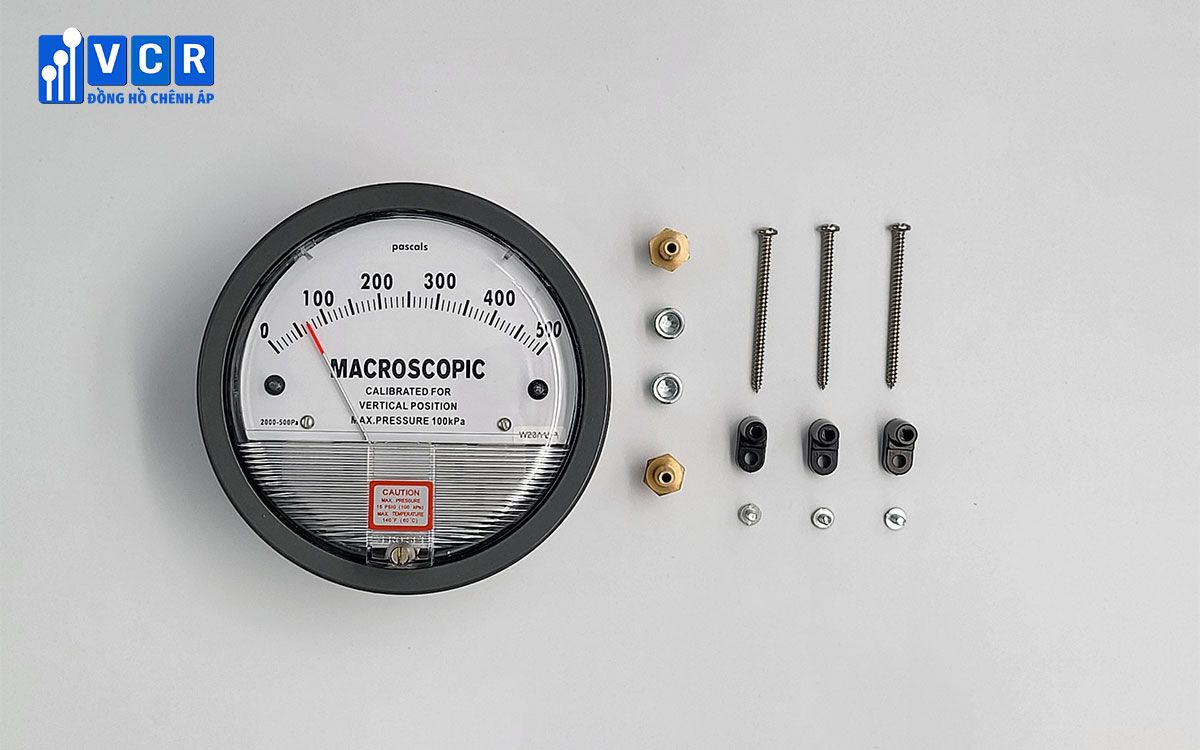
Why Does a Biological Safety Cabinet Need a Differential Pressure Gauge?
A biological safety cabinet needs a differential pressure gauge to monitor HEPA filter condition, control airflow, and detect early abnormalities in the air system. When differential pressure changes, operators can check filters, fans, sealing gaskets, or pressure tubing to ensure that the cabinet maintains protection for samples, operators, and the environment.
The Role of Differential Pressure in Biological Safety Cabinets
Differential pressure in a biological safety cabinet reflects airflow resistance through critical components, especially the HEPA filter. When the filter is clean and the air system is stable, the differential pressure reading usually remains within the designed operating range. As the filter gradually becomes dust-loaded, resistance increases and the gauge may display a higher differential pressure.
Differential pressure is also related to the ability to maintain protective airflow. In a biological safety cabinet, inflow, downflow, and filtered airflow all play important roles. If any of these airflow patterns becomes unstable, the protective performance may be reduced. A differential pressure gauge gives operators an additional indicator for checking the cabinet’s operating condition.
In clean laboratories, small changes in pressure, filtration, or airflow can affect the safety of laboratory operations. Therefore, differential pressure monitoring is an important part of biological safety cabinet operation, maintenance, and periodic inspection.
Where Is a Differential Pressure Gauge Installed on a Biological Safety Cabinet?
A differential pressure gauge is usually installed to monitor pressure difference across the HEPA filter or at pressure control points in the cabinet’s air system. One pressure port may be placed before the filter and the other after the filter to measure airflow resistance through the filter. The exact arrangement depends on the design of each cabinet type.
In some biological safety cabinets, the gauge is integrated on the front panel so operators can easily observe it. For systems with higher monitoring requirements, electronic differential pressure sensors may be used to connect alarms or transmit signals to a monitoring system. This is especially useful in clean laboratories, microbiology rooms, molecular biology laboratories, or areas that require continuous control.
Pressure tapping points must match the measurement purpose. If tapping points are incorrectly located, or if the pressure tubing is blocked, loose, or leaking, the displayed reading may not accurately reflect the filter and airflow condition of the cabinet. Therefore, when selecting or replacing a gauge, the measuring device, pressure tubing, and aerodynamic structure of the cabinet should all be considered.
Applications of Differential Pressure Gauges for Biological Safety Cabinets
The first application is monitoring HEPA filter condition. When the filter becomes dust-loaded, differential pressure across the filter tends to increase. This reading gives the technical team a basis for inspection, cleaning, evaluation, or filter replacement planning based on actual operating conditions.
The second application is supporting protective airflow control. A biological safety cabinet must maintain stable airflow to protect operators, samples, and the environment. A differential pressure gauge helps detect abnormal signs that may be related to the fan, filter, sash, air chamber, or exhaust system.
The third application is supporting periodic maintenance. When the differential pressure reading changes from normal operating status, technicians can check filters, pressure tubing, sealing gaskets, fans, motors, or related components. This reduces the risk of detecting problems only after the cabinet no longer provides adequate protection.
The fourth application is supporting clean laboratory records. In laboratories that require equipment management, GMP, GLP, ISO, or biosafety control, differential pressure readings may be recorded during operation or periodic inspection. This data improves traceability and supports evaluation of equipment status.
How to Choose a Differential Pressure Gauge for a Biological Safety Cabinet
The first criterion is a suitable measuring range. Differential pressure across a HEPA filter in a biological safety cabinet may differ from cleanroom pressure, AHU - Air Handling Unit, or FFU - Fan Filter Unit pressure. Therefore, one common measuring range should not be used for all applications. A suitable range helps operators read values clearly and detect meaningful small changes.
The second criterion is the measurement purpose. It is necessary to determine whether the gauge is used to monitor differential pressure across the HEPA filter, pressure inside the cabinet chamber, or another control point. Each measurement purpose requires a different pressure tapping location. If the purpose is incorrectly defined, the displayed reading may not help evaluate operating status correctly.
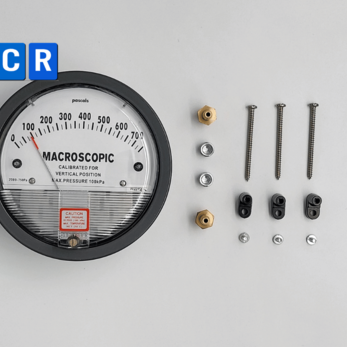
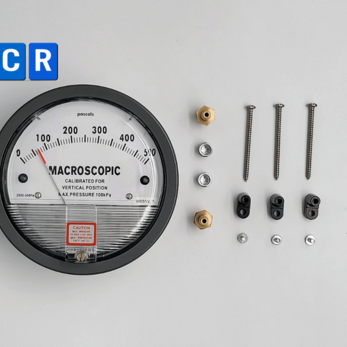
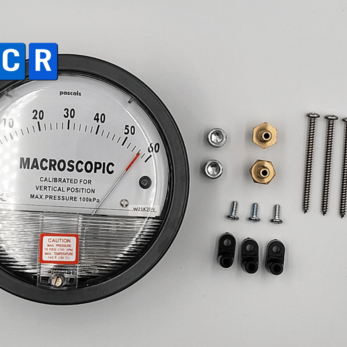
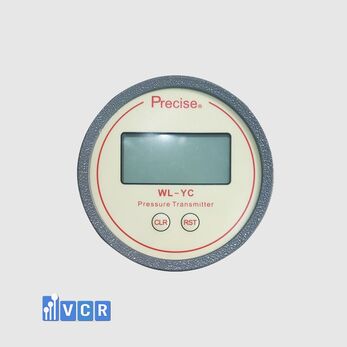
The third criterion is the gauge type. Mechanical gauges are suitable for on-site observation, clear reading, and simple operation. Electronic gauges or differential pressure sensors are more suitable for laboratories that require alarms, continuous monitoring, or data transmission to a management system. The choice should be based on the importance of the cabinet and the laboratory’s control requirements.
The fourth criterion is calibration capability and technical documentation. A biological safety cabinet is related to biosafety and contamination control, so the differential pressure gauge should have clear specifications, be easy to inspect, and be suitable for the laboratory’s measuring equipment management plan.
Common Mistakes When Choosing and Using Differential Pressure Gauges for Biological Safety Cabinets
The most common mistake is choosing the wrong measuring range. If the range is too large, small changes across the HEPA filter will be difficult to observe. If the range is too small, the gauge may exceed its scale when the filter becomes dust-loaded or when the air system changes. This makes cabinet condition evaluation less accurate.
The second mistake is installing pressure tapping points incorrectly. In a biological safety cabinet, tapping point locations must match the cabinet’s air structure and the measurement purpose. If the tapping point is incorrect, the gauge may display a reading that does not accurately reflect filter or airflow condition.
The third mistake is ignoring pressure tubing. Bent, blocked, loose, leaking, or dust-loaded pressure tubing can cause incorrect readings. In clean laboratories, this error may cause operators to misjudge the safety status of the cabinet.
The fourth mistake is relying only on the gauge without checking cabinet performance. Differential pressure is an important indicator, but it does not fully replace air velocity testing, HEPA filter leak testing, airflow visualization, fan maintenance, and overall performance evaluation. Multiple parameters should be combined to reach an accurate conclusion.
When Should the Gauge Be Checked, Calibrated, or Replaced?
A differential pressure gauge for a biological safety cabinet should be checked when the pointer does not return to zero, readings fluctuate abnormally, the gauge face is damaged, the device has been impacted, pressure tubing is loose, or the displayed result does not match the actual operating condition. These are signs that inspection, calibration, or replacement may be needed.
In addition to the gauge, HEPA filters, sealing gaskets, fans, motors, sashes, air chambers, pressure tubing, and related components should also be checked. In many cases, abnormal readings are not caused by the gauge itself but by dust-loaded filters, reduced fan performance, leakage, or air system problems inside the cabinet.
For clean laboratories, microbiology rooms, molecular biology laboratories, or biosafety-controlled areas, periodic inspection of differential pressure gauges improves equipment reliability and supports operational management records.
Where to Buy Differential Pressure Gauges for Biological Safety Cabinets
When purchasing differential pressure gauges for biological safety cabinets, buyers should choose a supplier that understands cleanroom equipment, clean laboratories, HEPA filtration, air systems, and biosafety control requirements. Selecting the right device is not only about choosing a model; it requires determining the measuring range, measurement purpose, pressure tapping position, calibration capability, and actual operating conditions.
VCR Cleanroom Equipment can advise on suitable differential pressure gauges for biological safety cabinets, microbiological safety cabinets, clean laboratories, testing laboratories, HEPA filter boxes, AHU - Air Handling Unit, FFU - Fan Filter Unit, and related cleanroom equipment. For each application, VCR supports customers in selecting the measuring range, gauge type, and installation approach more appropriately.
If a laboratory needs a differential pressure gauge for a biological safety cabinet, it should provide information about the cabinet type, measurement position, desired pressure range, filter condition, calibration requirements, and alarm needs if any. From there, VCR Cleanroom Equipment can propose a solution that matches actual operating conditions.
Frequently Asked Questions
Does a Biological Safety Cabinet Need a Differential Pressure Gauge?
Yes. A biological safety cabinet needs a differential pressure gauge to monitor HEPA filter condition, airflow, and pressure within the cabinet’s air system. The device helps operators detect early signs of dust-loaded filters, abnormal differential pressure, or unstable airflow. VCR Cleanroom Equipment can recommend a suitable gauge based on cabinet type and operating requirements.
What Does a Differential Pressure Gauge on a Biological Safety Cabinet Measure?
The gauge is usually used to measure differential pressure across the HEPA filter or important pressure points within the cabinet’s air system. This reading helps evaluate airflow resistance, filter dust loading, and relative air system stability. Depending on the cabinet design, pressure tapping locations may vary, so the gauge should be selected and installed according to the measurement purpose.
What Does High Differential Pressure on a Biological Safety Cabinet Mean?
High differential pressure usually indicates that the HEPA filter is dust-loaded, airflow resistance has increased, or the air system is restricted. When the reading rises abnormally, filters, fans, pressure tubing, sealing gaskets, and cabinet operating conditions should be checked. A conclusion should not be based on one reading alone; air velocity and overall cabinet performance should also be evaluated.
Is Abnormally Low Differential Pressure Dangerous?
It can be. Abnormally low differential pressure may be related to leakage, poor filter sealing, loose pressure tubing, reduced fan performance, or incorrect pressure tapping points. If not checked promptly, the cabinet may fail to maintain the required air conditions to protect samples, operators, or the environment. When this occurs, the cabinet’s air system should be inspected carefully instead of relying on assumptions.
Should a Mechanical or Electronic Gauge Be Used for a Biological Safety Cabinet?
If only on-site observation is required, a mechanical gauge is suitable because it is easy to read and simple to operate. If the laboratory requires alarms, continuous monitoring, or data connectivity, an electronic gauge or differential pressure sensor will be more suitable. For important areas such as microbiology rooms, molecular biology laboratories, or clean laboratories, VCR Cleanroom Equipment can advise on a more appropriate solution.
What Information Should Be Provided When Buying a Differential Pressure Gauge for a Biological Safety Cabinet?
Buyers should provide the biological safety cabinet type, measurement position, measurement purpose, desired pressure range, calibration requirements, alarm requirements, and actual operating conditions. If the gauge is used to replace an old device, information about the old model, measuring range, and current tapping position should also be provided. This information helps VCR Cleanroom Equipment provide more accurate recommendations.
Conclusion
A differential pressure gauge for biological safety cabinets is an important device in clean laboratories. It helps monitor HEPA filter condition, airflow, and abnormalities in the cabinet’s air system. When selected with the correct measuring range, installed in the right position, and inspected periodically, the device improves operational reliability and supports biosafety control.
If you need a differential pressure gauge for biological safety cabinets, microbiological safety cabinets, clean laboratories, or related air filtration equipment, contact VCR Cleanroom Equipment for support in selecting the right solution for your actual operating needs.