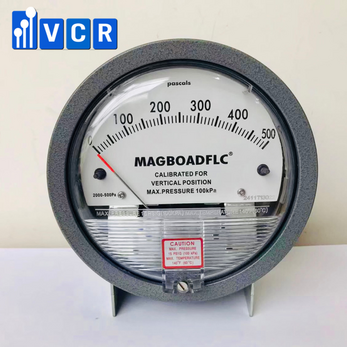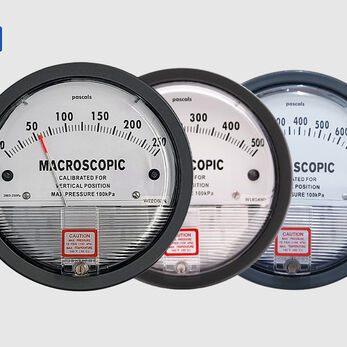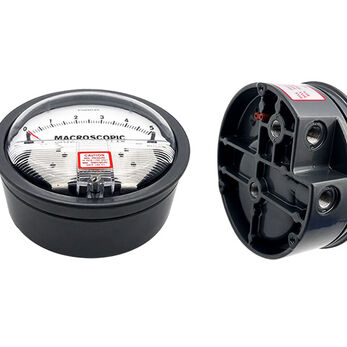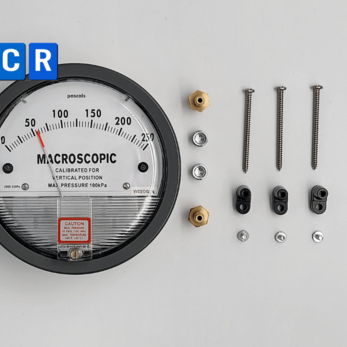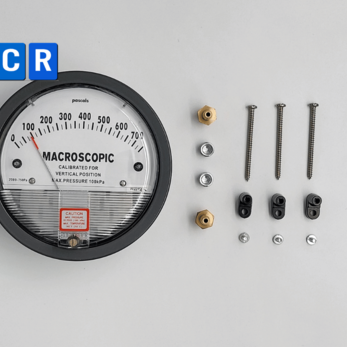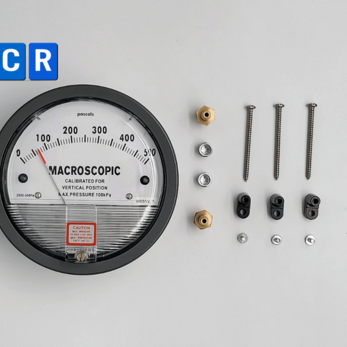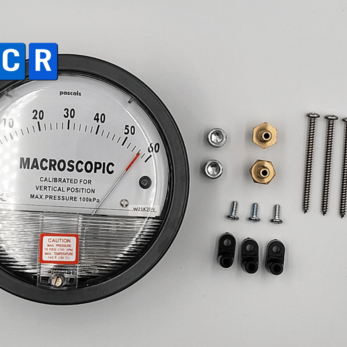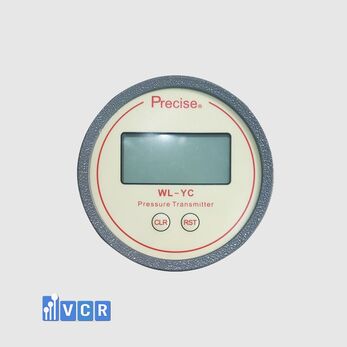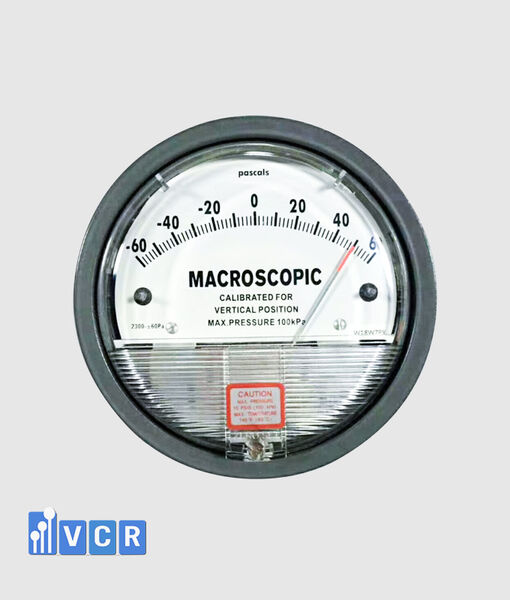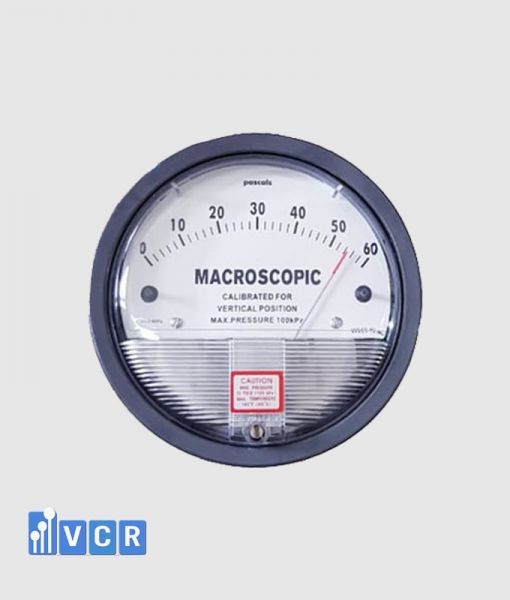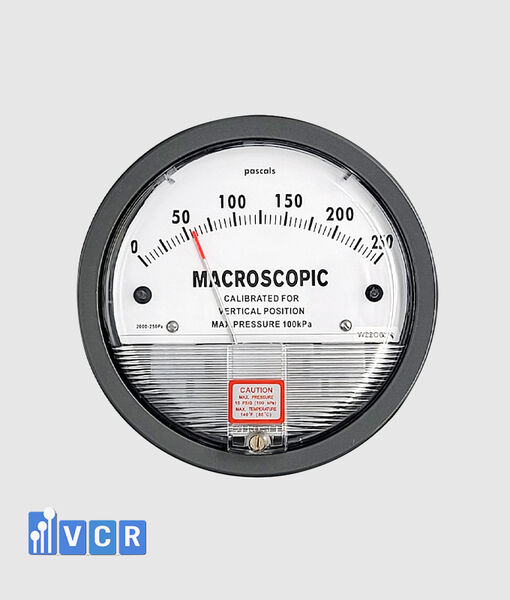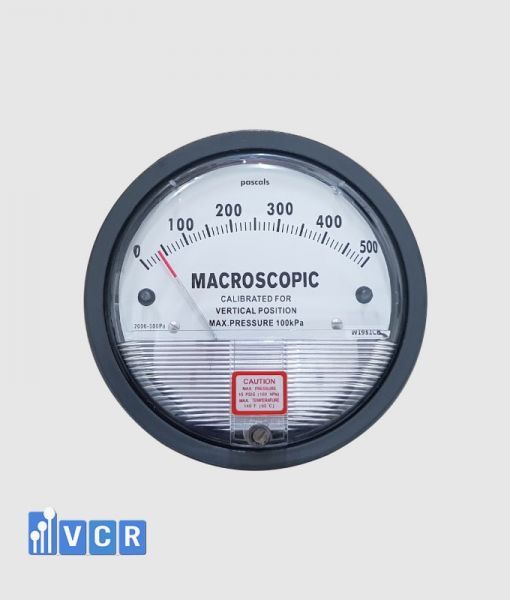

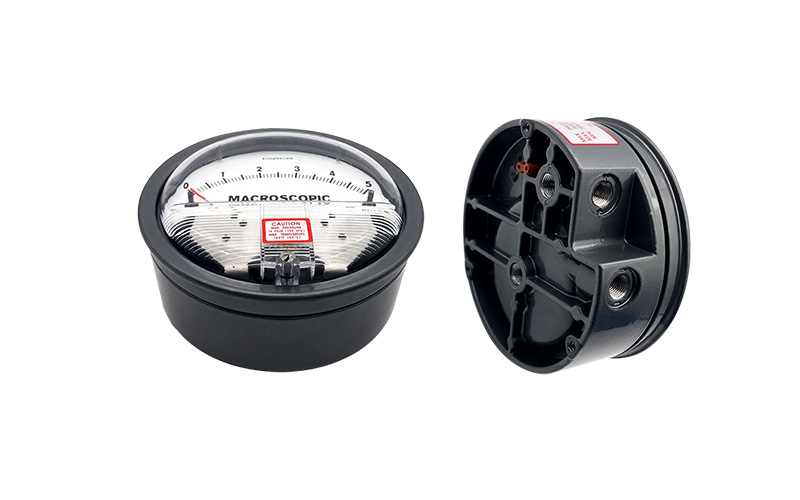
A differential pressure gauge for AHU - Air Handling Unit helps monitor air filters, control pressure, airflow, and clean air supply efficiency in cleanrooms.
- What Is a Differential Pressure Gauge for AHU - Air Handling Unit?
- Why Does an AHU - Air Handling Unit Need a Differential Pressure Gauge?
- The Role of AHU - Air Handling Unit in Clean Air Supply Systems
- Why Does an AHU - Air Handling Unit Need Differential Pressure Control?
- Where Is a Differential Pressure Gauge Installed in an AHU - Air Handling Unit?
- Applications of Differential Pressure Gauges in AHU - Air Handling Unit
- Suitable Types of Differential Pressure Gauges for AHU - Air Handling Unit
- How to Choose a Differential Pressure Gauge for AHU - Air Handling Unit
- Common Mistakes When Choosing and Installing Differential Pressure Gauges for AHU - Air Handling Unit
- When Should a Differential Pressure Gauge for AHU - Air Handling Unit Be Calibrated or Replaced?
- Where to Buy Differential Pressure Gauges for AHU - Air Handling Unit
- Frequently Asked Questions About Differential Pressure Gauges for AHU - Air Handling Unit
- Does an AHU - Air Handling Unit Need a Differential Pressure Gauge?
- Where Does a Differential Pressure Gauge for AHU - Air Handling Unit Usually Measure?
- What Does High Differential Pressure Across Filters in AHU - Air Handling Unit Mean?
- Is Abnormally Low Differential Pressure in AHU - Air Handling Unit a Good Sign?
- Should a Mechanical or Electronic Gauge Be Used for AHU - Air Handling Unit?
- When Should AHU - Air Handling Unit Filters Be Replaced Based on Differential Pressure?
- What Are the Benefits of Buying a Differential Pressure Gauge for AHU - Air Handling Unit from VCR?
- Conclusion
What Is a Differential Pressure Gauge for AHU - Air Handling Unit?
A differential pressure gauge for AHU - Air Handling Unit is a device used to monitor pressure differences at important points inside the Air Handling Unit, especially before and after air filter stages, coils, fan chambers, or other areas where pressure needs to be controlled in a clean air supply system. The device helps the operation team identify airflow resistance, the dust-loading condition of filters, and the stability of airflow supplied into the cleanroom.
In cleanroom systems, AHU - Air Handling Unit plays the central role in air treatment and air supply. Air passing through the AHU - Air Handling Unit may be filtered, cooled, heated, dehumidified, pressurized, and distributed to production areas, airlocks, clean corridors, or laboratories. If the AHU - Air Handling Unit does not operate stably, the entire downstream clean air supply system may be affected, including room pressure, air change rate, temperature, humidity, and cleanliness level.
A differential pressure gauge gives AHU - Air Handling Unit operation a clearer visual monitoring basis. When differential pressure across a filter increases, the technical team can identify that the filter may be dust-loaded or clogged. When differential pressure is abnormally low, leakage, filter installation, fan condition, belt condition, dampers, ductwork, or pressure tapping points should be checked. Therefore, this is an important device in cleanroom HVAC operation.
Why Does an AHU - Air Handling Unit Need a Differential Pressure Gauge?
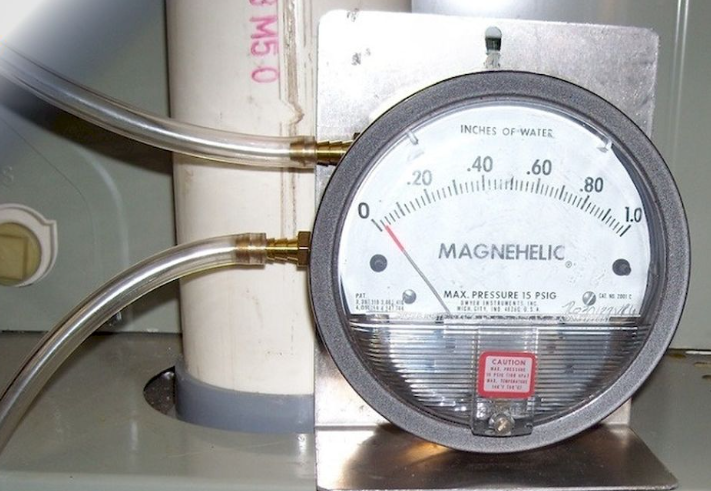
An AHU - Air Handling Unit needs a differential pressure gauge to monitor the condition of air filter stages, control airflow resistance, and detect abnormalities in the clean air supply system. When the differential pressure reading changes, operators can check filters, fans, dampers, coils, or ductwork to maintain airflow, room pressure, and cleanroom operating efficiency.
The Role of AHU - Air Handling Unit in Clean Air Supply Systems
An AHU - Air Handling Unit is the central equipment in the air treatment system of many cleanrooms. It receives fresh air, return air, or mixed air, then processes it through functional sections such as filtration, cooling, heating, dehumidification, pressurization, and air supply to the required areas. In pharmaceutical, food, cosmetic, electronics, semiconductor, biotechnology, or laboratory facilities, AHU - Air Handling Unit directly affects the quality of the production environment.
An AHU - Air Handling Unit used for cleanrooms is not simply an air supply device. It must coordinate with filter systems, ductwork, air dampers, sensors, fans, HEPA filter boxes, FFU - Fan Filter Unit equipment, and rooms with different pressure requirements. When the AHU - Air Handling Unit operates stably, the cleanroom can maintain airflow, cleanliness level, positive pressure or negative pressure, temperature, and humidity according to the design requirements.
If the AHU - Air Handling Unit fails, downstream areas may be affected at the same time. Clogged filters reduce airflow, weak fans cause insufficient pressure, incorrect damper positions create air imbalance, and dirty coils increase resistance and reduce treatment efficiency. Therefore, a differential pressure gauge for AHU - Air Handling Unit helps the technical team monitor important changes during operation.
Why Does an AHU - Air Handling Unit Need Differential Pressure Control?
Differential pressure inside the AHU - Air Handling Unit reflects the level of airflow resistance across each component. Common monitoring points include pre-filters, medium filters, fine filters, coils, fan chambers, or other functional sections. When air passes through these components, pressure changes indicate whether the system is clear, dust-loaded, obstructed, or showing abnormal signs.
For filter stages inside the AHU - Air Handling Unit, differential pressure is an important indicator for evaluating dust loading. As filters gradually capture dust and airborne particles, resistance increases and differential pressure across the filters rises. Without monitoring, filters may become clogged, causing reduced airflow, heavier fan operation, higher energy consumption, and insufficient air supply to the cleanroom.
Abnormally low differential pressure is also a sign that requires attention. It may indicate improperly sealed filters, leakage at the filter frame, missing filters, incorrect pressure tapping lines, weak fans, or insufficient airflow. In a clean air supply system, a low value is not always good, because if air does not pass through the correct filter stage or airflow is insufficient, the quality of air supplied into the cleanroom may be affected.
Where Is a Differential Pressure Gauge Installed in an AHU - Air Handling Unit?
A differential pressure gauge for AHU - Air Handling Unit is usually installed at positions where airflow resistance needs to be monitored. The most common locations are before and after air filter stages such as pre-filters, medium filters, or fine filters. One pressure port is placed before the filter, while the other is placed after the filter to measure differential pressure across the filter.
In addition to air filters, the gauge can also be used to monitor differential pressure across coils. When coils become dusty, dirty, or obstructed, airflow resistance changes and affects airflow rate. Monitoring differential pressure across the coil gives the technical team an additional basis for evaluating cleaning or maintenance needs.
In some systems, a differential pressure gauge may be installed to monitor fan chamber pressure, mixing chamber pressure, pressure before the fan, pressure after the fan, or differential pressure between the AHU - Air Handling Unit and the supply duct. However, each measurement purpose requires a different pressure tapping method. If the pressure tapping point is incorrect, the displayed reading will not reflect the true operating condition, leading to incorrect evaluation during maintenance or troubleshooting.
Applications of Differential Pressure Gauges in AHU - Air Handling Unit
The first application is monitoring the condition of air filter stages. This is the most common and important application in cleanroom AHU - Air Handling Unit systems. When pre-filters, medium filters, or fine filters accumulate dust, differential pressure gradually increases. The technical team can use this trend to plan filter cleaning, replacement, or system inspection before airflow drops significantly.
The second application is supporting supply airflow maintenance. An AHU - Air Handling Unit supplies air to many downstream areas, so when resistance inside the equipment increases, airflow may decrease. A differential pressure gauge helps detect this change earlier, supporting inspection of fans, belts, inverters, dampers, coils, and ductwork.
The third application is detecting abnormalities after maintenance or filter replacement. After replacing filters, cleaning coils, or adjusting the system, the differential pressure reading can provide a preliminary check of installation condition. If differential pressure is too low, filters may not be properly sealed or leakage may exist. If differential pressure is too high, the filter type may be incorrect, the filter may be installed in the wrong direction, or the air system may be obstructed.
The fourth application is supporting energy control. When filters or coils are clogged, fans must work under higher pressure to maintain airflow. Monitoring differential pressure helps the technical team maintain the system at the right time, avoiding situations where the system consumes more energy while clean air supply performance decreases.
Suitable Types of Differential Pressure Gauges for AHU - Air Handling Unit
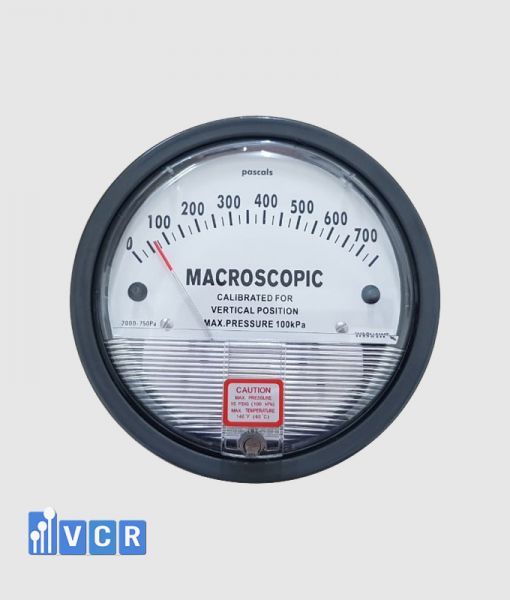
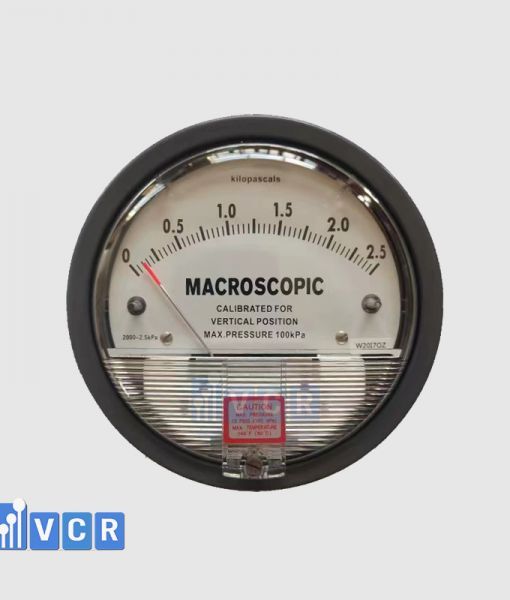
Mechanical differential pressure gauges are suitable for AHU - Air Handling Unit systems that require on-site reading. This type is easy to read, easy to install, simple to operate, and does not require power for basic display functions. For positions such as pre-filters, medium filters, or fine filters, mechanical gauges often meet periodic inspection needs well.
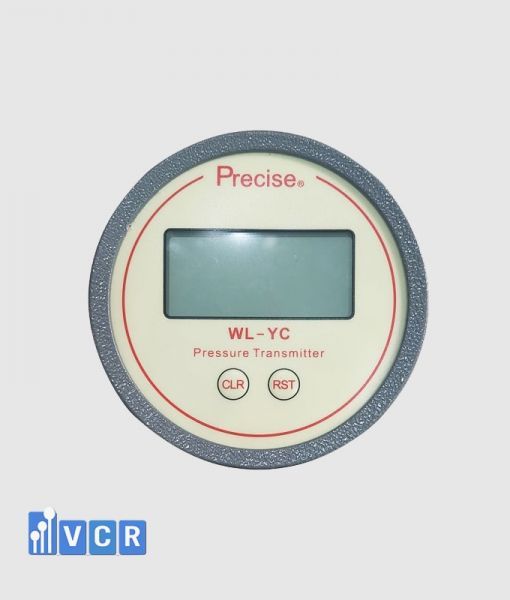
Electronic differential pressure gauges are suitable for AHU - Air Handling Unit systems that require continuous monitoring, alarms, or signal transmission to control cabinets, BMS, EMS, or cleanroom monitoring systems. This type is especially useful when the AHU - Air Handling Unit serves important areas, requires operating data monitoring, or needs alarms when differential pressure exceeds the threshold.
Differential pressure gauges with alarm contacts can be used in systems that require quick response. When differential pressure exceeds the set limit, the alarm signal helps the technical team check filters, coils, or fans promptly. This option is suitable for GMP factories, electronics cleanrooms, semiconductor facilities, biotechnology areas, or HVAC systems with high control requirements.
The choice of gauge type should be based on operating requirements. If only on-site inspection is needed, a mechanical gauge is a suitable choice. If automatic monitoring, data logging, alarms, or control integration is required, an electronic gauge or a device with signal output should be considered.
How to Choose a Differential Pressure Gauge for AHU - Air Handling Unit
The first criterion is the measuring range. The measuring range must match the position being monitored, because differential pressure across pre-filters, medium filters, fine filters, or coils can be different. If the range is too large, operators may find it difficult to identify small changes. If the range is too small, the device may exceed its scale when filters become dust-loaded or when the system operates at higher pressure.
The second criterion is the measurement purpose. It is necessary to clearly determine whether the gauge is used to measure differential pressure across filters, across coils, inside the fan chamber, or in the duct. Each measurement purpose requires different pressure tapping positions. Correctly defining the purpose ensures that the displayed reading has practical value in operation and maintenance.
The third criterion is installation conditions. AHU - Air Handling Unit equipment is often located in technical rooms, technical floors, or areas outside the cleanroom, where vibration, humidity, temperature changes, or limited installation space may exist. The gauge should be securely installed, with neat pressure tubing that is easy to inspect and not excessively affected by vibration.
The fourth criterion is alarm and connectivity requirements. For important AHU - Air Handling Unit systems, businesses should consider electronic gauges or differential pressure sensors with signals transmitted to a monitoring system. This helps detect abnormalities faster, especially when the AHU - Air Handling Unit operates continuously or serves multiple cleanroom areas at the same time.
The fifth criterion is documentation, calibration, and technical support. In GMP factories, measuring devices should be suitable for equipment control procedures, inspection, calibration, and record traceability when needed. This factor should be considered from the product selection stage.
Common Mistakes When Choosing and Installing Differential Pressure Gauges for AHU - Air Handling Unit
The most common mistake is choosing one measuring range for all positions. Inside an AHU - Air Handling Unit, each filter stage or component has a different differential pressure level. If the wrong range is selected, the gauge may be difficult to read, insufficiently sensitive, or may exceed its scale when the system changes.
The second mistake is installing pressure tapping points incorrectly. If the purpose is to measure differential pressure across a filter but the pressure tapping points are not positioned correctly before and after the filter, the displayed reading will not reflect the true filter condition. This can cause the operation team to misjudge the timing for cleaning or replacement.
The third mistake is ignoring the influence of pressure tubing. Bent, blocked, leaking, loose, or excessively long tubing can cause incorrect displayed values. For AHU - Air Handling Unit systems with vibration or continuously changing pressure, pressure tubing should be firmly fixed and inspected periodically.
The fourth mistake is relying only on differential pressure without checking airflow. Differential pressure is an important indicator, but it does not fully replace airflow measurement, air velocity checks, room pressure monitoring, and cleanliness testing. When evaluating an AHU - Air Handling Unit, multiple parameters should be combined to reach an accurate conclusion.
The fifth mistake is focusing only on equipment price. A differential pressure gauge for AHU - Air Handling Unit is directly related to HVAC and cleanroom operation. Therefore, stability, readability, documentation, calibration, and technical consulting should be considered instead of selecting only the lowest-cost product.
When Should a Differential Pressure Gauge for AHU - Air Handling Unit Be Calibrated or Replaced?
A differential pressure gauge for AHU - Air Handling Unit should be checked when the pointer does not return to zero, the reading fluctuates abnormally, the gauge face is damaged, the device has been impacted, the pressure tubing is loose, or the displayed result does not match the actual operating condition. These are signs that the device needs inspection, calibration, or replacement.
In facilities with GMP, ISO, or strict quality management requirements, differential pressure gauges may be included in the list of measuring devices requiring periodic control. Calibration frequency depends on internal regulations, the importance of the AHU - Air Handling Unit, and the audit requirements of each facility.
In addition to the gauge, air filters, coils, fans, belts, inverters, dampers, pressure tubing, and ductwork should also be checked. In many cases, abnormal differential pressure readings are not caused by the gauge itself, but by dust-loaded filters, dirty coils, reduced fan performance, incorrect damper position, or leakage in the system.
Where to Buy Differential Pressure Gauges for AHU - Air Handling Unit
When purchasing a differential pressure gauge for AHU - Air Handling Unit, businesses should choose a supplier that understands HVAC systems, cleanrooms, and differential pressure measuring devices. Choosing the right gauge should be based on measurement position, filter type, AHU - Air Handling Unit structure, pressure range, alarm requirements, connectivity capability, and actual operating conditions.
VCR Cleanroom Equipment can advise on selecting suitable differential pressure gauges for AHU - Air Handling Unit, FFU - Fan Filter Unit, HEPA filter boxes, Air Showers, Pass Boxes, weighing LAF, and related cleanroom systems. For each application, VCR helps customers determine the correct gauge type, measuring range, pressure tapping position, and operating requirements to reduce the risk of selecting the wrong device.
If a business needs a differential pressure gauge for AHU - Air Handling Unit in pharmaceutical, food, cosmetic, electronics, semiconductor, biotechnology, or laboratory facilities, it should provide information about the AHU - Air Handling Unit structure, measurement position, filter stages, measurement purpose, desired pressure range, and alarm requirements if any. From there, VCR Cleanroom Equipment can propose a more suitable solution for long-term operation.
Frequently Asked Questions About Differential Pressure Gauges for AHU - Air Handling Unit
Does an AHU - Air Handling Unit Need a Differential Pressure Gauge?
An AHU - Air Handling Unit should be equipped with differential pressure gauges, especially at air filter stages and positions where airflow resistance needs to be monitored. The gauge helps detect dust-loaded filters, clogged filters, abnormal airflow, or changes in the clean air supply system. For AHU - Air Handling Unit systems serving GMP cleanrooms, electronics facilities, semiconductor plants, or laboratories, VCR Cleanroom Equipment can recommend suitable gauges based on AHU - Air Handling Unit structure and operating requirements.
Where Does a Differential Pressure Gauge for AHU - Air Handling Unit Usually Measure?
A differential pressure gauge for AHU - Air Handling Unit usually measures before and after air filter stages such as pre-filters, medium filters, or fine filters. In addition, the device can be used to monitor differential pressure across coils, fan chambers, or important points in the duct system. Each measurement purpose requires different pressure tapping positions, so requirements should be clearly defined before installation to ensure that the displayed reading has practical control value.
What Does High Differential Pressure Across Filters in AHU - Air Handling Unit Mean?
High differential pressure across filters in AHU - Air Handling Unit usually indicates that the filters are heavily loaded with dust, airflow resistance is increasing, or the air path is obstructed. This condition may reduce supply airflow, make the AHU - Air Handling Unit operate under heavier load, and affect cleanroom pressure. When the reading increases abnormally, filters, fans, dampers, and pressure tubing should be checked. VCR Cleanroom Equipment can support suitable inspection recommendations.
Is Abnormally Low Differential Pressure in AHU - Air Handling Unit a Good Sign?
Abnormally low differential pressure is not necessarily a good sign. It may be related to improperly sealed filters, missing filters, leakage through the filter frame, weak fans, dampers not opening correctly, low airflow, or incorrect pressure tapping points. If not checked, the AHU - Air Handling Unit may not supply enough clean air or air may not pass through the correct filter stage. In cleanroom systems, the entire AHU - Air Handling Unit should be checked when differential pressure is abnormally low.
Should a Mechanical or Electronic Gauge Be Used for AHU - Air Handling Unit?
If only on-site differential pressure observation is needed, a mechanical differential pressure gauge is suitable because it is easy to read, easy to install, and cost-effective. If the AHU - Air Handling Unit requires alarms, signal transmission, or continuous monitoring through BMS/EMS, an electronic gauge or differential pressure sensor will be more suitable. VCR Cleanroom Equipment can advise on the gauge type based on measurement position, pressure range, and specific operating requirements of each system.
When Should AHU - Air Handling Unit Filters Be Replaced Based on Differential Pressure?
AHU - Air Handling Unit filters should not be replaced only based on guesswork or a fixed time interval without comparing actual operating conditions. When differential pressure across the filter rises above the allowable limit, airflow decreases, or the system cannot maintain room pressure, the filter should be inspected and replacement should be considered. A differential pressure gauge helps monitor dust-loading trends, while the decision to replace filters should be combined with design standards and internal procedures.
What Are the Benefits of Buying a Differential Pressure Gauge for AHU - Air Handling Unit from VCR?
When purchasing from VCR Cleanroom Equipment, customers receive advice based on the actual AHU - Air Handling Unit application rather than simply choosing a generic gauge model. VCR can support determination of measuring range, gauge type, pressure tapping position, alarm requirements, and compatibility with cleanroom HVAC systems. This helps businesses reduce the risk of choosing the wrong device, installing incorrect measuring points, and operating AHU - Air Handling Unit systems unstably.
Conclusion
A differential pressure gauge for AHU - Air Handling Unit is an important device in clean air supply systems because it helps monitor filter stages, coils, fans, and airflow resistance during operation. When selected and installed correctly, the device supports early abnormality detection, optimized maintenance, and stable cleanroom system operation.
To select the right differential pressure gauge for AHU - Air Handling Unit, businesses should consider measuring range, pressure tapping position, measurement purpose, AHU - Air Handling Unit structure, alarm requirements, calibration capability, and facility operating standards. If you need advice on suitable equipment for AHU - Air Handling Unit or clean air supply systems, contact VCR Cleanroom Equipment for support in choosing the right solution for your actual needs.