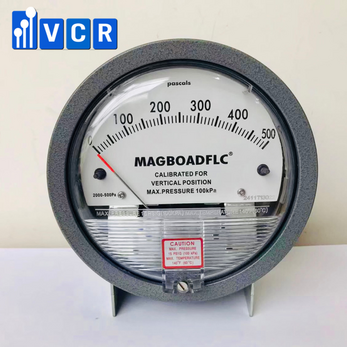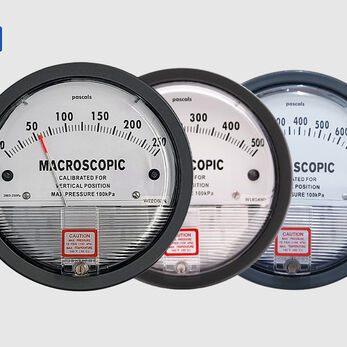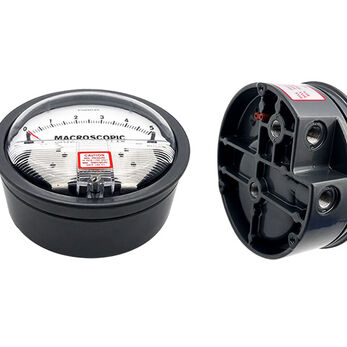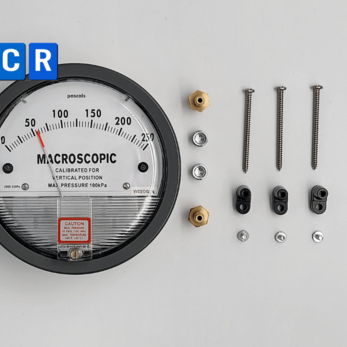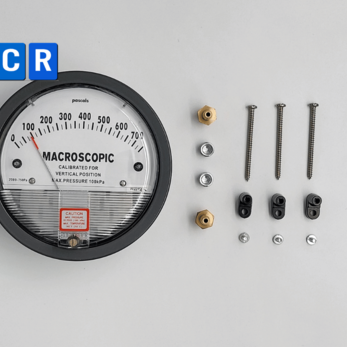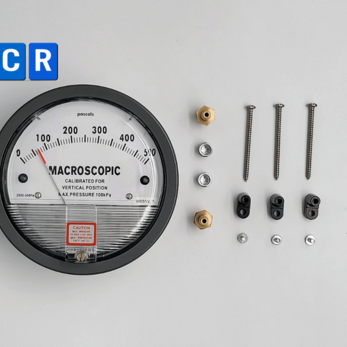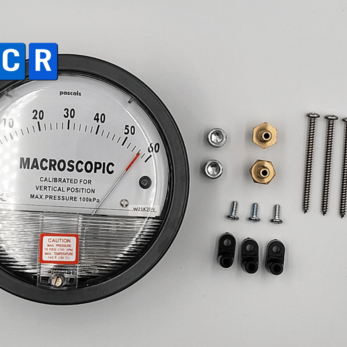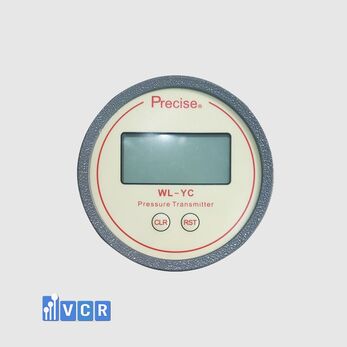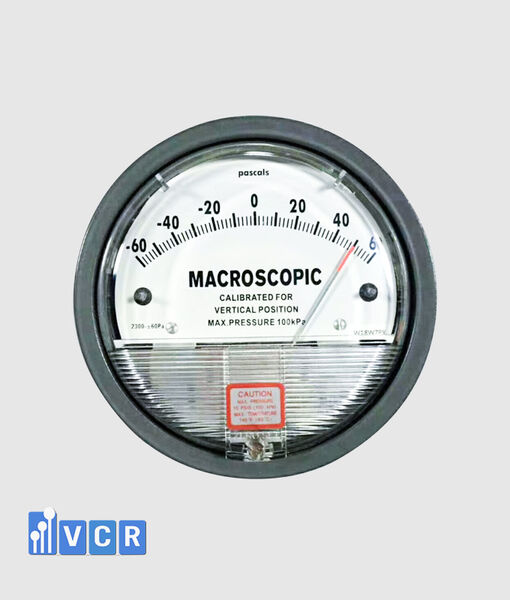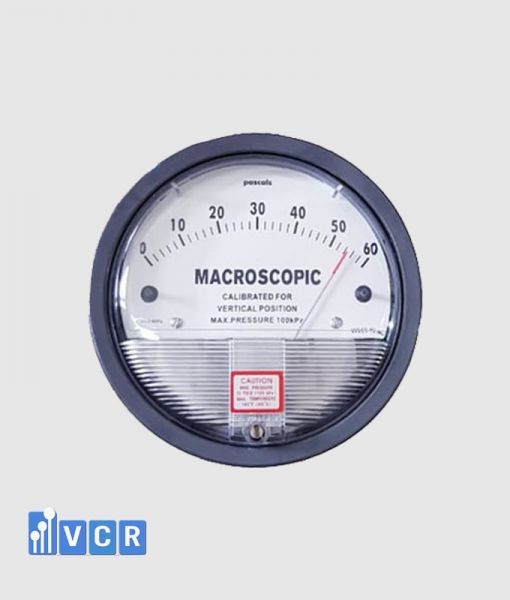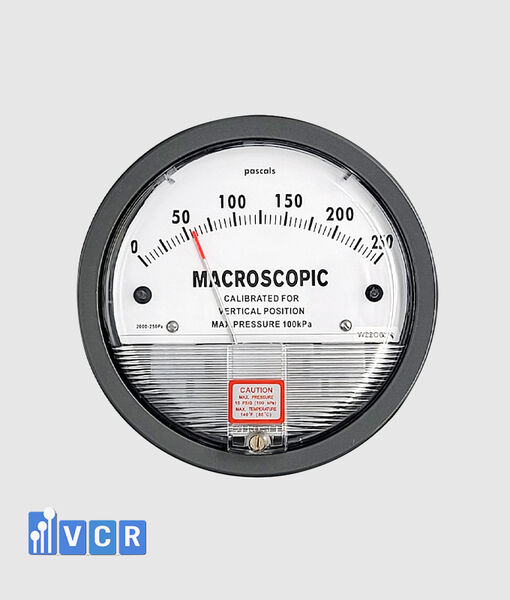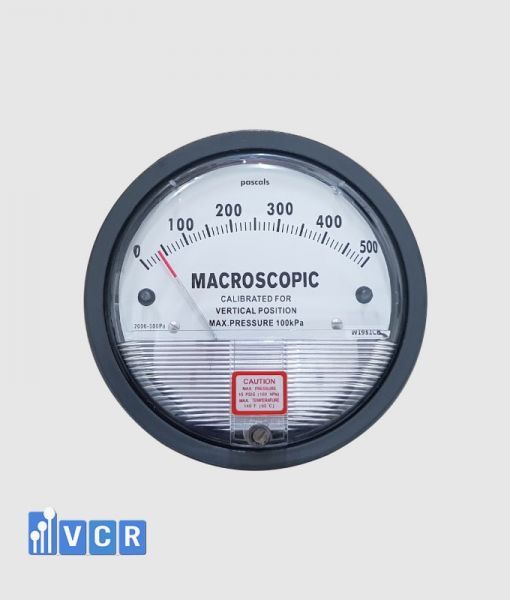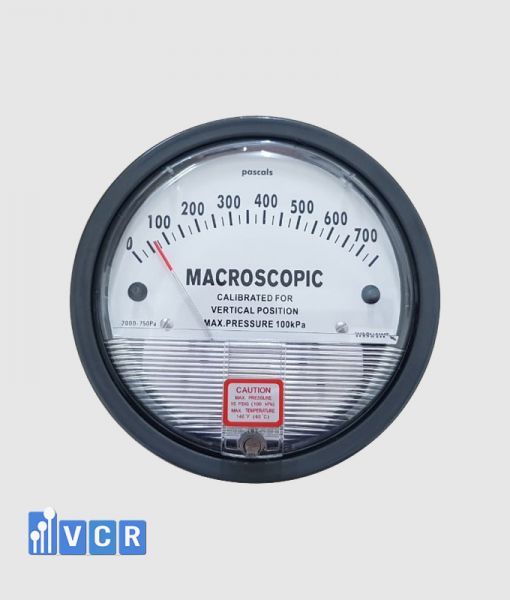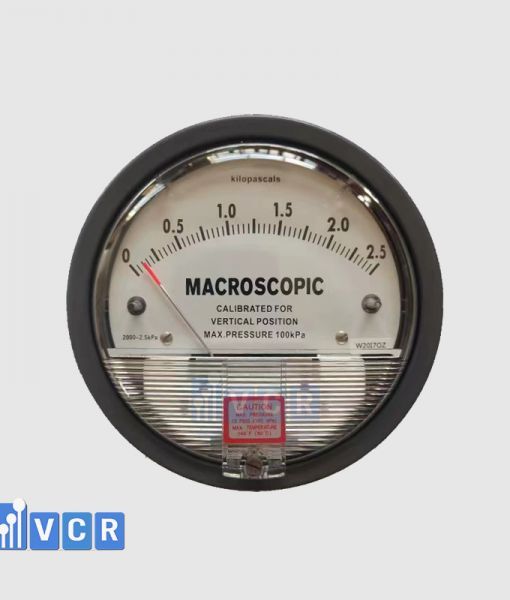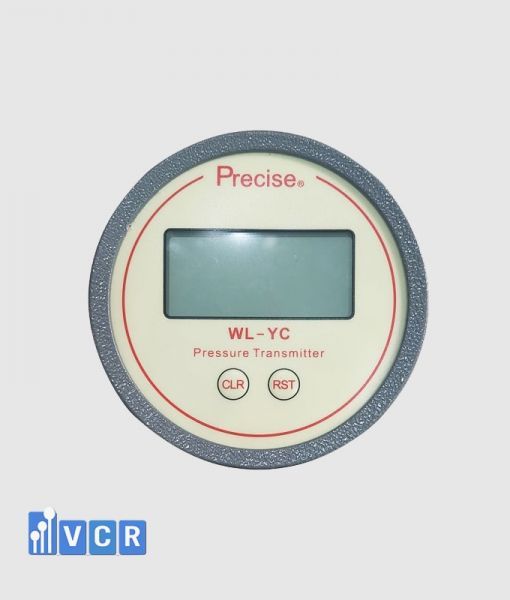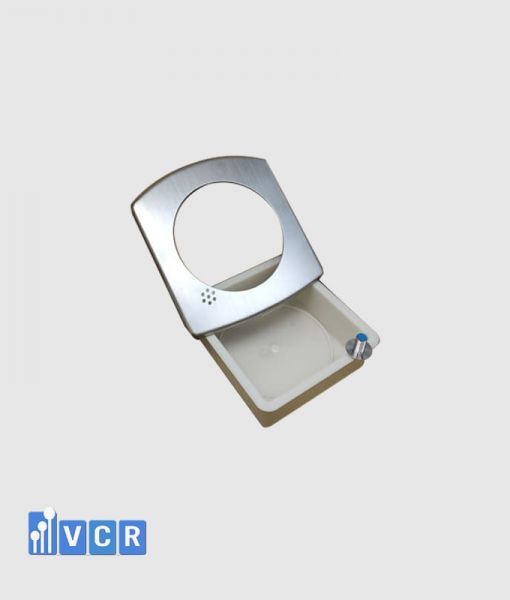

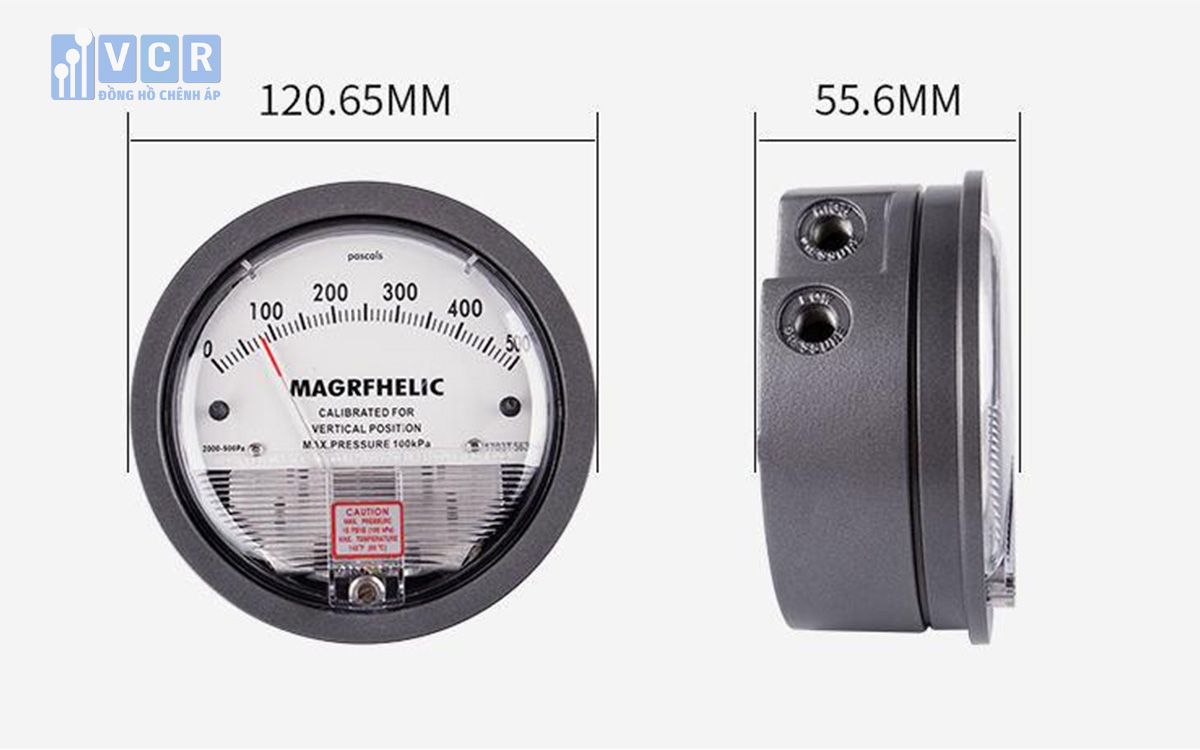
Buy differential pressure gauges with CO, CQ, and complete documentation from VCR Cleanroom Equipment, with support for range selection, cleanroom applications, and GMP documentation.
- Where to Buy Differential Pressure Gauges with CO, CQ, and Complete Documentation?
- What Are CO and CQ for Differential Pressure Gauges?
- Why Should Businesses Buy Gauges with Complete Documentation?
- What Documents Should Be Requested When Buying a Differential Pressure Gauge?
- What Should Be Considered When Buying Gauges with CO and CQ?
- Does VCR Cleanroom Equipment Supply Gauges with CO and CQ?
- Frequently Asked Questions
- Where Can I Buy Differential Pressure Gauges with CO and CQ?
- Are CO and CQ Mandatory When Buying Differential Pressure Gauges?
- Does a Differential Pressure Gauge Need a Calibration Certificate?
- What Documents Should Be Requested Besides CO and CQ?
- Why Buy Documented Gauges from a Cleanroom Specialist?
- What Information Should Be Provided for a Quotation?
- Conclusion
Where to Buy Differential Pressure Gauges with CO, CQ, and Complete Documentation?
Businesses should buy differential pressure gauges with CO, CQ, and complete documentation from a cleanroom equipment specialist to ensure that the device is suitable for technical requirements, quality documentation, and project acceptance. In cleanrooms, a differential pressure gauge is not only a measuring device; it is related to room pressure control, HEPA filtration, HVAC systems, airflow, and cross-contamination risks.
VCR Cleanroom Equipment supplies differential pressure gauges for cleanrooms, GMP factories, hospitals, laboratories, pharmaceutical, food, cosmetic, electronics, and semiconductor facilities. When customers require CO, CQ, and technical documents, VCR can provide consultation according to each model, brand, and specific documentation requirement.
CO, CQ, and accompanying documents help businesses verify product origin, quality, technical specifications, acceptance requirements, and equipment management during operation. Especially for GMP factories, ISO 14644 cleanrooms, pharmaceutical cleanrooms, testing laboratories, or strictly controlled areas, purchasing differential pressure gauges with complete documentation is very important.
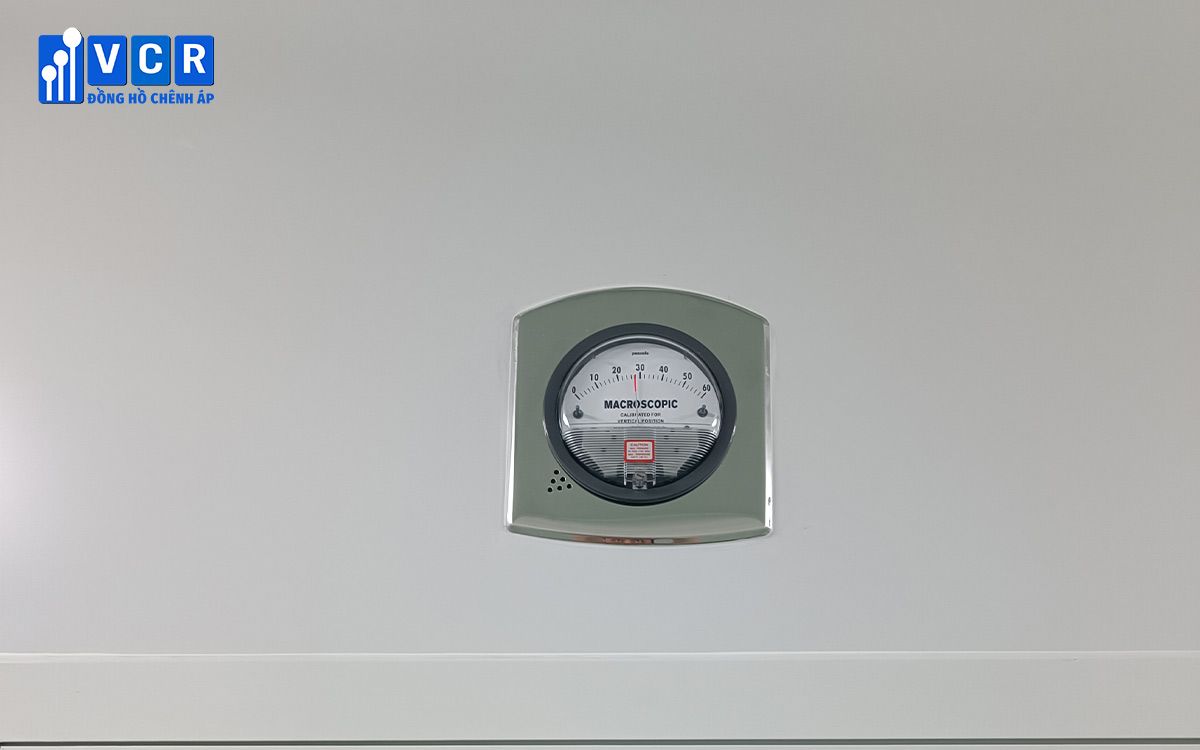
What Are CO and CQ for Differential Pressure Gauges?
CO stands for Certificate of Origin. This document confirms the origin of the product, including the country, manufacturer, or production region. For imported differential pressure gauges, CO is often required for purchasing records, project acceptance, origin verification, or quality management.
CQ stands for Certificate of Quality. This document indicates that the product meets certain quality criteria, technical specifications, or manufacturer standards. For measuring devices used in cleanrooms, CQ provides an additional basis for evaluating the product before installation and operation.
In addition to CO and CQ, businesses may also require catalogues, datasheets, installation manuals, technical specifications, import documents, warranty cards, delivery records, VAT invoices, or calibration certificates if required by the project. Depending on the brand and model, the documentation package may vary, so requirements should be clarified before ordering.
Why Should Businesses Buy Gauges with Complete Documentation?
Buying differential pressure gauges with complete documentation helps businesses handle equipment acceptance, documentation management, and traceability more easily. In cleanroom projects, especially GMP factories, equipment documentation is as important as the product itself. A gauge may have suitable specifications, but missing documents can create difficulties during acceptance or internal audits.
Complete documentation also helps QA, QC, engineering, and purchasing teams check whether the device matches the required model, measuring range, brand, and project specifications. This reduces the risk of buying the wrong device, using the wrong range, or facing difficulties during maintenance, replacement, or calibration.
For pharmaceutical, food, cosmetic, electronics, semiconductor, hospital, and laboratory cleanrooms, differential pressure gauges are often installed in important locations such as cleanrooms, airlocks, buffer rooms, HEPA filter boxes, AHU - Air Handling Unit, FFU - Fan Filter Unit, Pass Boxes, Air Showers, and Clean Booths. Therefore, accompanying documents make equipment management more transparent and professional.
What Documents Should Be Requested When Buying a Differential Pressure Gauge?
When buying a differential pressure gauge, businesses should request basic documents such as CO, CQ, catalogue, datasheet, technical specifications, and warranty documents. These documents help confirm product origin, quality, model, measuring range, pressure unit, accuracy, and operating conditions.
If the project has stricter requirements, businesses may also request a calibration certificate, inspection report, installation manual, or documents suitable for acceptance requirements. For GMP factories, it is important to clarify from the beginning which documents are mandatory, which are only needed for acceptance, and which must accompany each device.
One important point is that not every gauge type or brand provides the same documentation package. Therefore, when purchasing, customers should provide documentation requirements in advance so VCR Cleanroom Equipment can check and recommend the appropriate product line.
What Should Be Considered When Buying Gauges with CO and CQ?
The first consideration is to define mandatory documentation before ordering. Many projects require CO, CQ, VAT invoice, warranty documents, catalogue, and datasheet. Some GMP or pharmaceutical cleanroom projects may also require calibration or detailed technical documentation. If requirements are not clarified in advance, businesses may face difficulties during project acceptance.
The second consideration is not to choose only by price. A differential pressure gauge used in cleanrooms must have the correct measuring range, application suitability, installation position, and documentation. Buying a low-cost device without CO, CQ, or technical documents may create higher costs later than the initial savings.
The third consideration is to choose a supplier that understands cleanrooms. Gauges used for cleanrooms, HEPA filters, Pass Boxes, Air Showers, HEPA Boxes, AHU - Air Handling Unit, and FFU - Fan Filter Unit have different requirements. A cleanroom equipment specialist can provide better advice on measuring range, application, accessories, and required documentation.
Does VCR Cleanroom Equipment Supply Gauges with CO and CQ?
VCR Cleanroom Equipment can supply and advise on differential pressure gauges with CO, CQ, and suitable documentation according to project requirements. Depending on the brand, model, supply source, and documentation needs, VCR will check in advance and advise on the documentation package that can be provided.
VCR not only supports documentation but also provides application-based consulting for cleanroom use. Customers can receive support in selecting gauges for GMP cleanrooms, laboratories, hospitals, pharmaceutical, food, cosmetic, electronics, semiconductor factories, HEPA filter boxes, Pass Boxes, Air Showers, AHU - Air Handling Unit, FFU - Fan Filter Unit, and related cleanroom equipment.
When contacting VCR, customers should provide requirements for CO, CQ, invoices, calibration, measuring range, installation position, and application purpose. This helps VCR Cleanroom Equipment recommend the right product and prepare the appropriate documentation from the beginning.
Frequently Asked Questions
Where Can I Buy Differential Pressure Gauges with CO and CQ?
Businesses can buy differential pressure gauges with CO and CQ from VCR Cleanroom Equipment. VCR provides application-based consultation for cleanrooms, GMP factories, laboratories, hospitals, HEPA filter boxes, Pass Boxes, Air Showers, and HVAC systems. When purchasing, customers should clearly state documentation requirements so VCR can check and recommend a suitable model.
Are CO and CQ Mandatory When Buying Differential Pressure Gauges?
CO and CQ are not always mandatory for every use case, but they are highly recommended for cleanroom projects, GMP factories, hospitals, laboratories, or projects that require documentation for acceptance. CO confirms product origin, while CQ confirms product quality. If documentation is required, CO and CQ should be clarified during the quotation stage.
Does a Differential Pressure Gauge Need a Calibration Certificate?
It depends on the requirements of each factory or project. For GMP areas, testing laboratories, pharmaceutical cleanrooms, or critical monitoring points, a calibration certificate may be required to ensure the reliability of the measuring device. When buying from VCR Cleanroom Equipment, customers should specify whether calibration is required so that a suitable solution can be recommended.
What Documents Should Be Requested Besides CO and CQ?
Besides CO and CQ, businesses should request catalogues, datasheets, technical specifications, warranty documents, VAT invoices, and installation manuals if needed. For GMP projects or cleanrooms with strict acceptance requirements, a calibration certificate or detailed technical file may also be required. The documentation package should be confirmed before ordering to avoid missing documents during acceptance.
Why Buy Documented Gauges from a Cleanroom Specialist?
Businesses should buy from a cleanroom specialist because a differential pressure gauge must not only have documents but also match the actual application. A specialist understands measuring range, pressure tapping positions, HEPA filtration, HVAC, Pass Boxes, Air Showers, HEPA Boxes, and GMP requirements. VCR Cleanroom Equipment can support both technical selection and documentation needs.
What Information Should Be Provided for a Quotation?
For a quotation, businesses should provide the desired measuring range, quantity, installation position, application purpose, CO and CQ requirements, VAT invoice requirements, calibration needs, preferred brand, and required delivery time. If the gauge is used for a GMP factory or cleanroom, the application area should be specified, such as cleanroom, airlock, HEPA filter box, Pass Box, Air Shower, or AHU - Air Handling Unit, so the recommendation is more accurate.
Conclusion
Buying differential pressure gauges with CO, CQ, and complete documentation gives businesses greater confidence during acceptance, operation, and equipment management in cleanrooms. For GMP factories, hospitals, laboratories, pharmaceutical, food, cosmetic, electronics, and semiconductor facilities, equipment documentation is important for transparency and traceability.
If your business needs differential pressure gauges with CO, CQ, technical documents, invoices, calibration, or measuring range consultation, contact VCR Cleanroom Equipment for support in selecting a solution that matches actual operating needs.