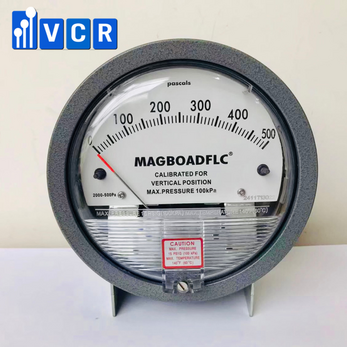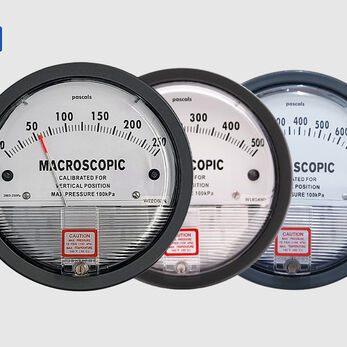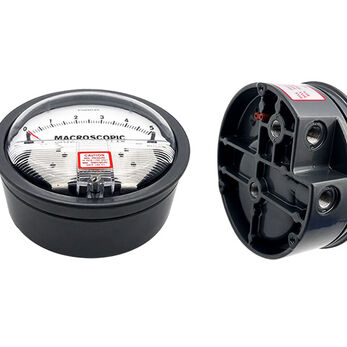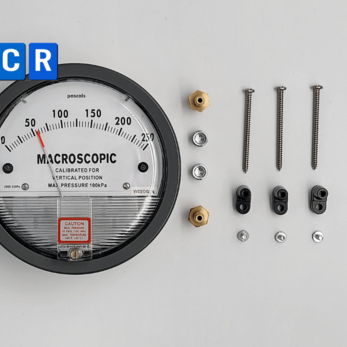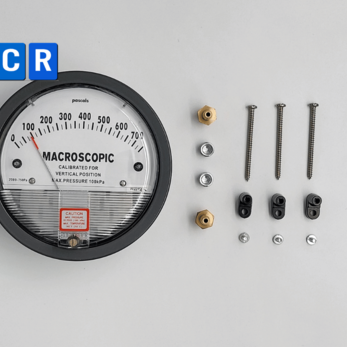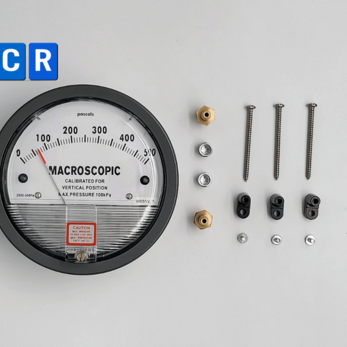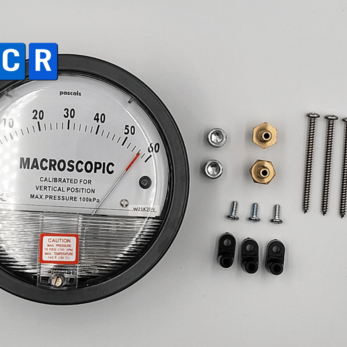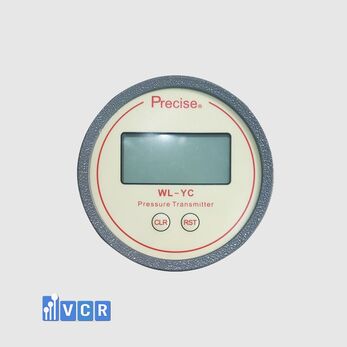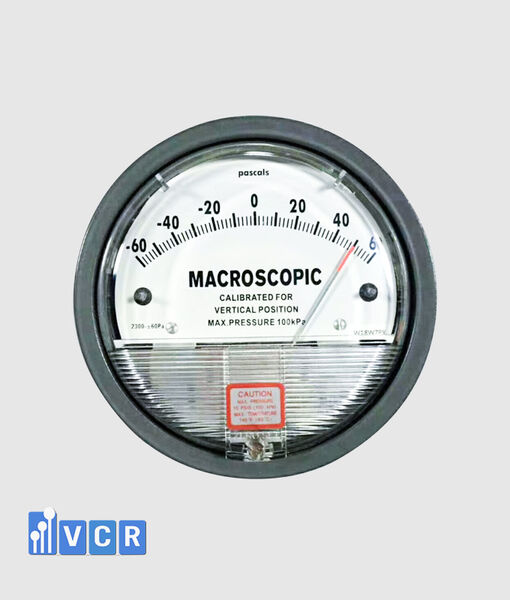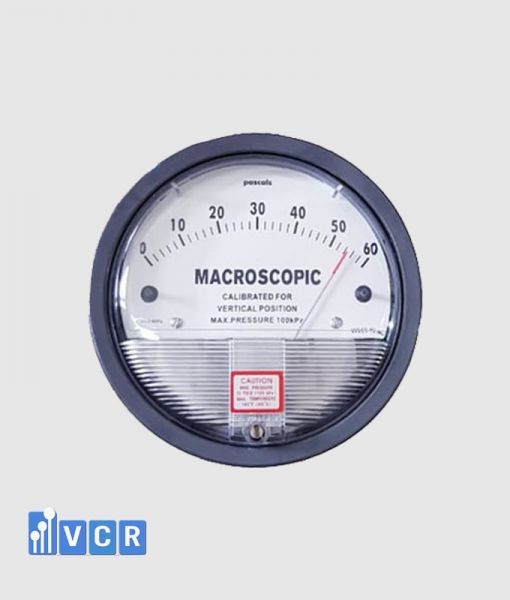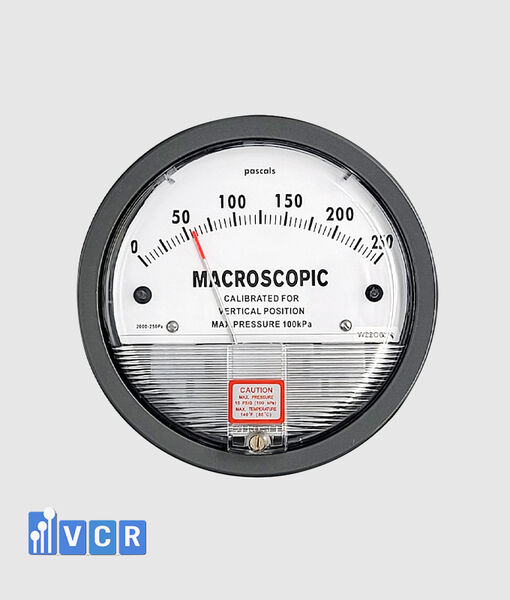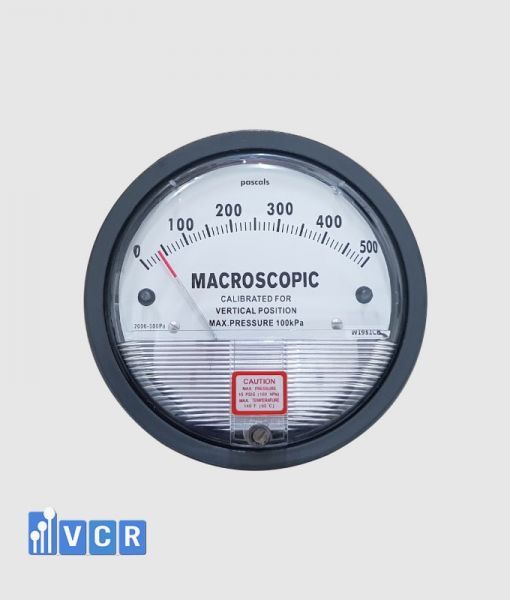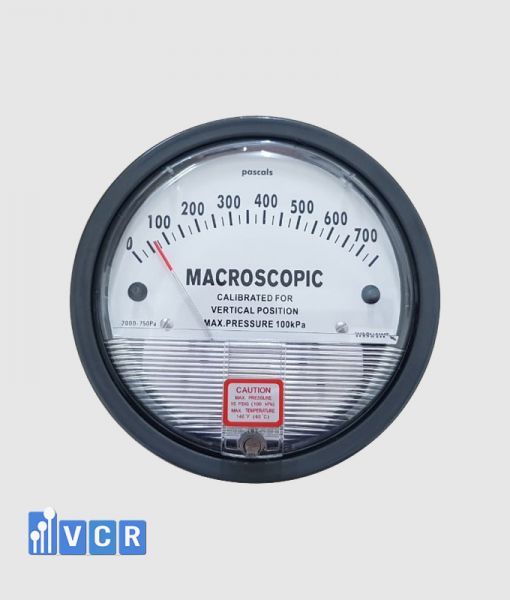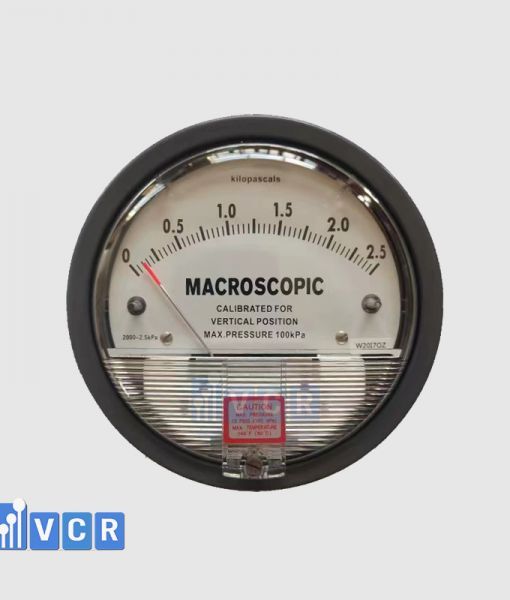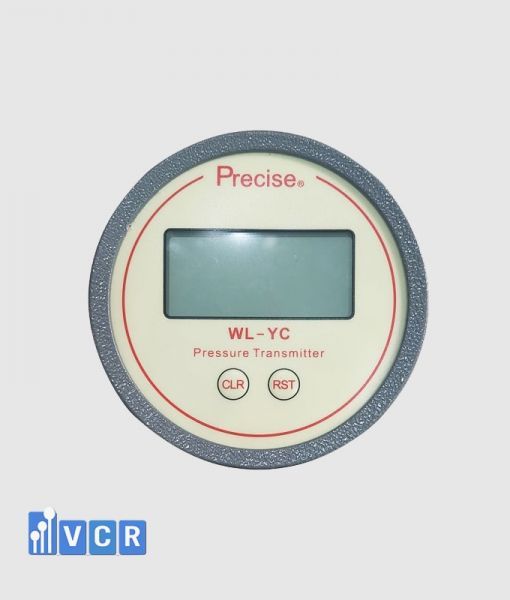

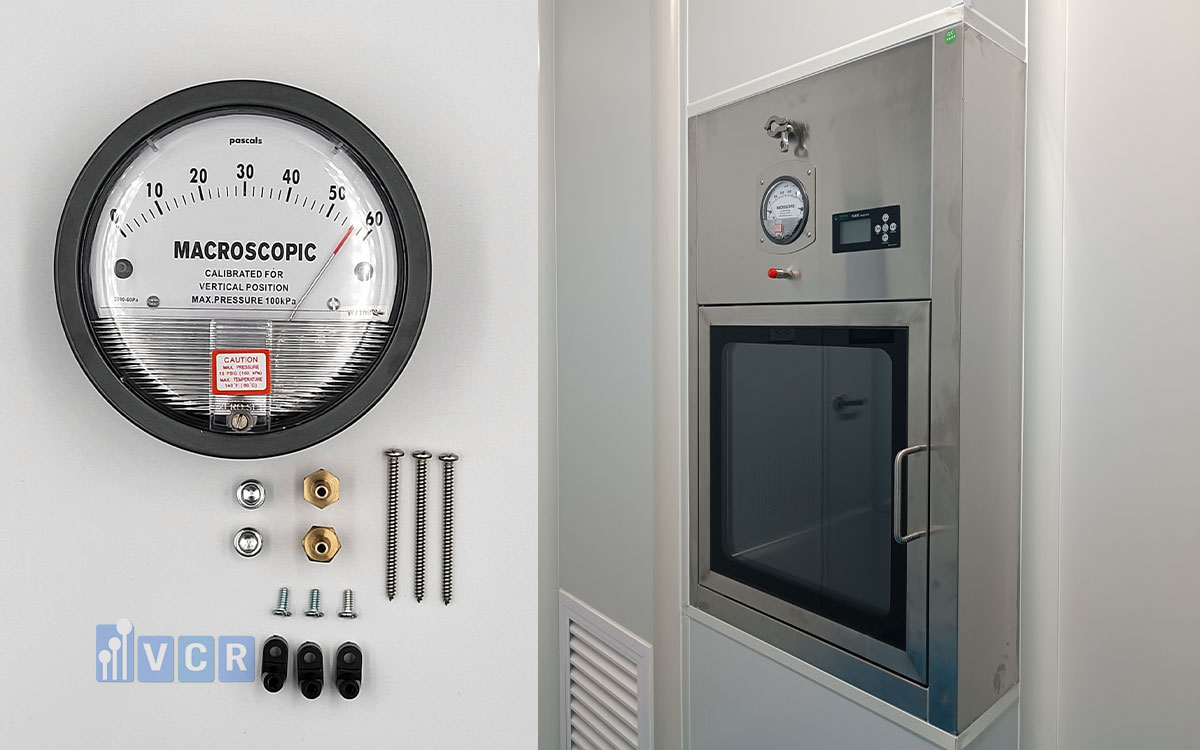
Differential pressure gauges may be supplied with CO and CQ certificates depending on the brand, country of origin, shipment, and purchase agreement. However, CO and CQ certificates do not replace a calibration certificate, especially when the device is used in cleanrooms, HVAC systems, or GMP facilities.
- Do Differential Pressure Gauges Come with CO and CQ Certificates?
- What Is a CO Certificate for a Differential Pressure Gauge?
- Is a CO Issued Separately for Each Differential Pressure Gauge?
- What Is a CQ Certificate for a Differential Pressure Gauge?
- Are All Differential Pressure Gauges Supplied with CO and CQ Certificates?
- Are CO and CQ the Same as a Calibration Certificate?
- Is a Calibration Certificate Supplied with the Differential Pressure Gauge?
- What Documents Are Required for Differential Pressure Gauges Used in GMP Facilities?
- When Should Buyers Request CO and CQ Certificates?
- What Should Be Checked on a CO Certificate?
- What Should Be Checked on a CQ Certificate?
- Sample Documentation Requirements for Purchasing Differential Pressure Gauges
- What Documents Are Provided When Purchasing from VCR Cleanroom Equipment?
- Conclusion
- FAQ: Do Differential Pressure Gauges Come with CO and CQ Certificates?
- Are CO and CQ Certificates Mandatory for Every Differential Pressure Gauge?
- Can a CQ Certificate Replace a Calibration Certificate?
- Does a Differential Pressure Gauge Come with a Calibration Certificate?
- Is a CO Certificate Issued Separately for Each Differential Pressure Gauge?
- Which Documents Are Most Important for Differential Pressure Gauges Used in GMP Facilities?
Do Differential Pressure Gauges Come with CO and CQ Certificates?
Differential pressure gauges may be supplied with CO, CQ, or equivalent documents. However, not every product is automatically delivered with both types of certificates.
The availability of CO and CQ certificates depends on the brand, country of manufacture, import method, order quantity, manufacturer policy, and the documentation requirements stated in the quotation or contract.
Buyers should also understand that CO, CQ, and calibration certificates are three different types of documents. A differential pressure gauge with CO and CQ certificates is not necessarily calibrated or ready to be included in a facility’s measuring equipment management system.
What Is a CO Certificate for a Differential Pressure Gauge?
CO stands for Certificate of Origin. It is a document confirming the country or territory where the product was manufactured or originated.
For imported differential pressure gauges, the CO is generally used to prove the product’s origin, verify compliance with contractual origin requirements, complete import documentation, and support equipment inspection and acceptance at the project site.
A CO certificate also helps the project owner verify whether the product is manufactured in the approved country and supplied under the approved brand.
Is a CO Issued Separately for Each Differential Pressure Gauge?
Normally, a CO is issued for an imported shipment rather than for each individual differential pressure gauge.
When a buyer purchases only part of a larger shipment, the supplier may provide a copy of the CO, a certified copy, an import declaration, or another document proving the product’s origin.
Therefore, before placing an order, the buyer should clarify whether the project requires an original CO, a copy, or a copy certified by the supplier.
If the contract only states that the product must have a CO without specifying the required document format, disagreements may arise during document handover and project acceptance.
What Is a CQ Certificate for a Differential Pressure Gauge?
CQ is commonly understood as Certificate of Quality.
This document indicates that the product has been manufactured, inspected, or assessed in accordance with certain technical specifications and quality requirements.
Depending on the manufacturer, a document equivalent to a CQ may be called:
Certificate of Conformity
Certificate of Compliance
Declaration of Conformity
Factory Test Report
Inspection Certificate
Quality Inspection Report
A useful CQ document should normally include the manufacturer’s name, product name, model, order code, batch number or serial number, applicable standards, issue date, and issuing organization.
Are All Differential Pressure Gauges Supplied with CO and CQ Certificates?
Not all differential pressure gauges are automatically supplied with CO and CQ certificates.
For officially imported products, the importer normally has documentation related to the shipment’s origin. However, the buyer may only receive a copy of the CO or an origin confirmation document rather than the original certificate.
For products purchased through several levels of distributors or trading companies, retrieving the required documents may take more time. Some commercial information may also be hidden to protect import prices, exporters, or business partners.
For products manufactured domestically, an import CO is normally not available. Instead, the manufacturer may provide a factory release certificate, quality inspection report, declaration of applicable standards, or inspection record.
Are CO and CQ the Same as a Calibration Certificate?
CO and CQ certificates are not calibration certificates.
A CO confirms the origin of the product.
A CQ confirms the quality or conformity of the product.
A calibration certificate records the actual measurement performance of the device, including measurement error, uncertainty, calibration points, and traceability to measurement standards.
Therefore, even if a differential pressure gauge has both CO and CQ certificates, it may still need to be calibrated before being put into operation.
For differential pressure gauges used in cleanrooms, pharmaceutical facilities, or GMP systems, the calibration certificate is often technically more important than the CO and CQ certificates.
Is a Calibration Certificate Supplied with the Differential Pressure Gauge?
Not all differential pressure gauges are supplied with a calibration certificate as standard.
Some manufacturers only provide a calibration certificate when the customer selects an additional option. Some products are supplied only with a factory inspection sheet or a factory-issued confirmation document.
If the project requires calibration by a laboratory in Vietnam, the supplier may need to send the device to a calibration laboratory before delivery.
The buyer should define the calibration requirements during the quotation stage, including the type of certificate, number of calibration points, measurement range, permissible error, and calibration organization.
If these requirements are not agreed upon in advance, obtaining the certificate after the product has arrived in stock may delay delivery and project acceptance.
What Documents Are Required for Differential Pressure Gauges Used in GMP Facilities?
For pharmaceutical, cosmetic, food supplement, or other GMP-regulated facilities, CO and CQ certificates alone are usually not sufficient.
A recommended documentation package for a differential pressure gauge may include:
-
Product catalogue or datasheet.
-
Installation and operating instructions.
-
CO or another document proving origin if required by the contract.
-
CQ, Certificate of Conformity, or an equivalent document.
-
Calibration certificate.
-
Calibration label.
-
Visual inspection record.
-
Zero-point inspection record.
-
Post-installation inspection record.
-
Model and serial number list.
-
IQ documentation or installation verification record.
-
Periodic inspection and calibration procedure.
-
Handover and acceptance record.
-
Deviation records if the device does not meet the acceptance requirements.
For GMP projects, each differential pressure gauge should be linked to its equipment identification number, installation location, serial number, and corresponding calibration certificate.
When Should Buyers Request CO and CQ Certificates?
Buyers should request CO and CQ certificates at the beginning of the purchasing process in the following situations:
The tender documentation specifies a particular country of origin.
The project owner requires officially imported products.
The project requires verification of material or equipment origin.
The device will be used in a GMP facility.
The facility has a supplier approval procedure.
The equipment is included within the IQ or OQ scope.
The project requires documentation for audits or inspections.
The contract requires confirmation of the brand and country of manufacture.
For normal HVAC projects, the documentation requirements may be simpler. However, the minimum documentation should still include a catalogue, product model, technical specifications, invoice, and warranty documents.
What Should Be Checked on a CO Certificate?
When receiving a CO certificate, the buyer should check the product description, brand, model or product category, country of origin, exporter, importer, invoice number, issue date, quantity, and goods description.
The information on the CO should be traceable to the actual shipment, contract, invoice, or import declaration.
For a copied CO, the buyer should ask the supplier to provide a company stamp or written confirmation that the document relates to the supplied shipment.
What Should Be Checked on a CQ Certificate?
When checking a CQ certificate, the buyer should compare the model stated in the document with the model shown on the equipment label.
If the CQ is issued separately for each device, the serial number on the certificate must match the serial number on the actual differential pressure gauge.
The buyer should also check the measurement range, unit of measurement, accuracy, applicable standards, manufacturing date, batch number, manufacturer’s name, and issuing organization.
A CQ that only states the general brand name without a model, batch number, or traceability information has lower acceptance value than a document directly linked to the supplied equipment.
Sample Documentation Requirements for Purchasing Differential Pressure Gauges
The buyer may include the following wording in a request for quotation or purchase contract:
The differential pressure gauge shall be supplied with a product catalogue, installation instructions, documentation proving the product’s origin, a CQ or Certificate of Conformity issued by the manufacturer, and a calibration certificate.
The calibration certificate shall include the model, serial number, measurement range, calibration points, measurement error, measurement uncertainty, reference standards, calibration date, and calibration organization.
For GMP projects, the following requirement may be added:
The device shall be traceable to its corresponding calibration certificate. The supplier shall support visual inspection, zero-point verification, verification of the high-pressure and low-pressure connections, documentation handover, and IQ activities within the agreed contractual scope.
This wording is clearer than a general requirement stating only that the equipment must have full CO and CQ certificates.
What Documents Are Provided When Purchasing from VCR Cleanroom Equipment?
When requesting a quotation from VCR Cleanroom Equipment, customers should clearly provide the project type, measurement range, accuracy requirement, installation location, and documentation requirements.
Depending on the brand and source of supply, the documentation package may include a product catalogue, documents proving origin, CQ or equivalent conformity documents, operating instructions, and a calibration certificate when required.
For pharmaceutical facilities or projects subject to GMP audits, customers should confirm the calibration certificate requirements before placing the order.
This helps avoid situations where the differential pressure gauge is already available in stock but does not yet have a calibration certificate linked to its serial number or must be sent for additional calibration, which may affect delivery and acceptance schedules.
Conclusion
Differential pressure gauges may be supplied with CO and CQ certificates, but not every product automatically includes both documents.
Customers should clearly confirm the required documentation format, whether an original or copied certificate is acceptable, how the document is traced to the shipment, and when the documents will be handed over.
More importantly, CO and CQ certificates do not directly demonstrate the measurement accuracy of the differential pressure gauge.
When the device is used to monitor cleanroom pressure differentials, HEPA filter conditions, or parameters within a GMP system, the buyer should also request a calibration certificate corresponding to the model and serial number of the device.
FAQ: Do Differential Pressure Gauges Come with CO and CQ Certificates?
Are CO and CQ Certificates Mandatory for Every Differential Pressure Gauge?
CO and CQ certificates are not mandatory for every transaction. Documentation requirements depend on the contract, product origin, project specifications, and the quality management system of the project owner. For imported equipment used in GMP facilities, CO and CQ certificates are often required to support traceability and project acceptance. When purchasing from VCR Cleanroom Equipment, customers should clearly specify whether they require an original certificate, a certified copy, or an equivalent document in the quotation and purchase order.
Can a CQ Certificate Replace a Calibration Certificate?
No. A CQ certificate mainly confirms that the product complies with specifications or quality requirements declared by the manufacturer or issuing organization. A calibration certificate records actual measurement results, measurement errors, uncertainty, and traceability to measurement standards. Therefore, a differential pressure gauge with a CQ certificate may still need to be calibrated before use. VCR Cleanroom Equipment recommends defining the CQ and calibration requirements separately to avoid confusion during project documentation and acceptance.
Does a Differential Pressure Gauge Come with a Calibration Certificate?
It depends on the brand and model. Some differential pressure gauges are supplied with calibration certificates, while many products only include a certificate when the customer selects an additional option or requests calibration in Vietnam. Buyers should check whether the quoted price includes the calibration certificate. When working with VCR Cleanroom Equipment, customers should provide the required number of calibration points, measurement range, allowable error, and preferred type of calibration laboratory so that an appropriate documentation solution can be selected.
Is a CO Certificate Issued Separately for Each Differential Pressure Gauge?
Normally, it is not. A CO is generally issued for an import or export shipment that may contain multiple devices or models. When only part of the shipment is sold, the supplier usually provides a copy or related confirmation instead of the original certificate. The buyer should verify the traceability between the CO, invoice, import declaration, and actual equipment. VCR Cleanroom Equipment can confirm the required format of origin documentation for each project before the order is finalized.
Which Documents Are Most Important for Differential Pressure Gauges Used in GMP Facilities?
Important documents generally include the product catalogue, origin documentation, CQ or equivalent conformity documents, operating instructions, calibration certificate, calibration label, and post-installation inspection records. Among these documents, the calibration certificate is particularly important because it demonstrates the measurement status of the device. For GMP projects, VCR Cleanroom Equipment recommends linking each differential pressure gauge to its model, serial number, installation location, and equipment identification number in the facility’s calibration management list.