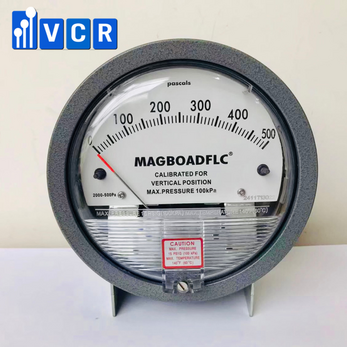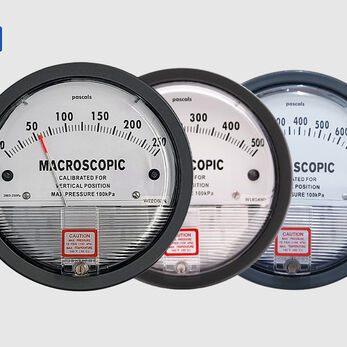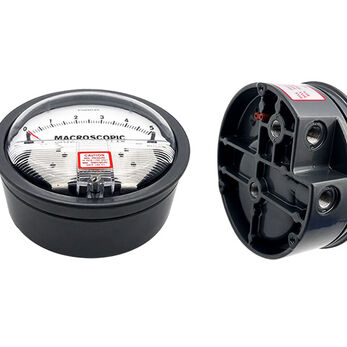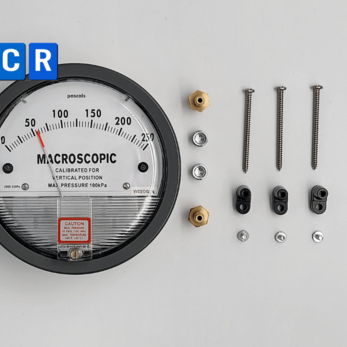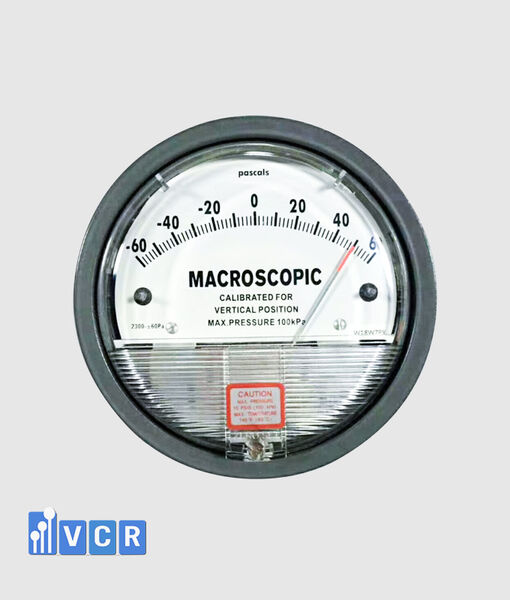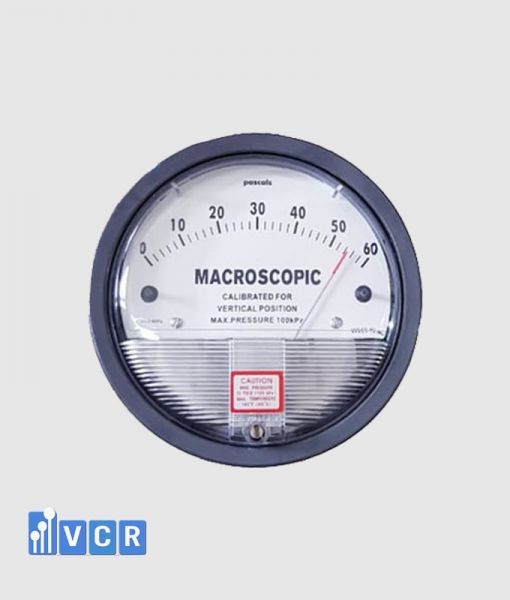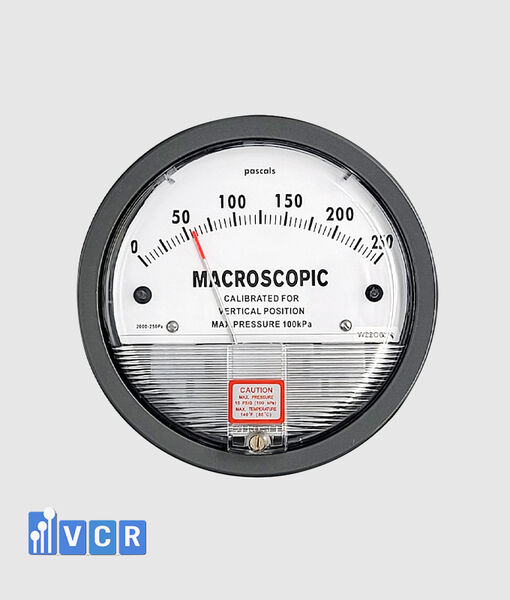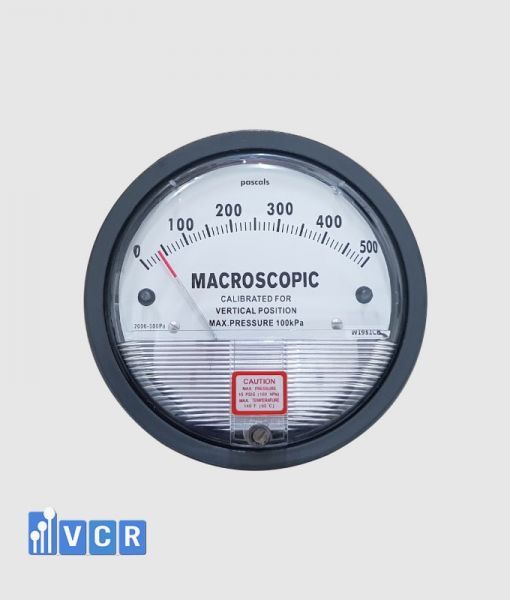

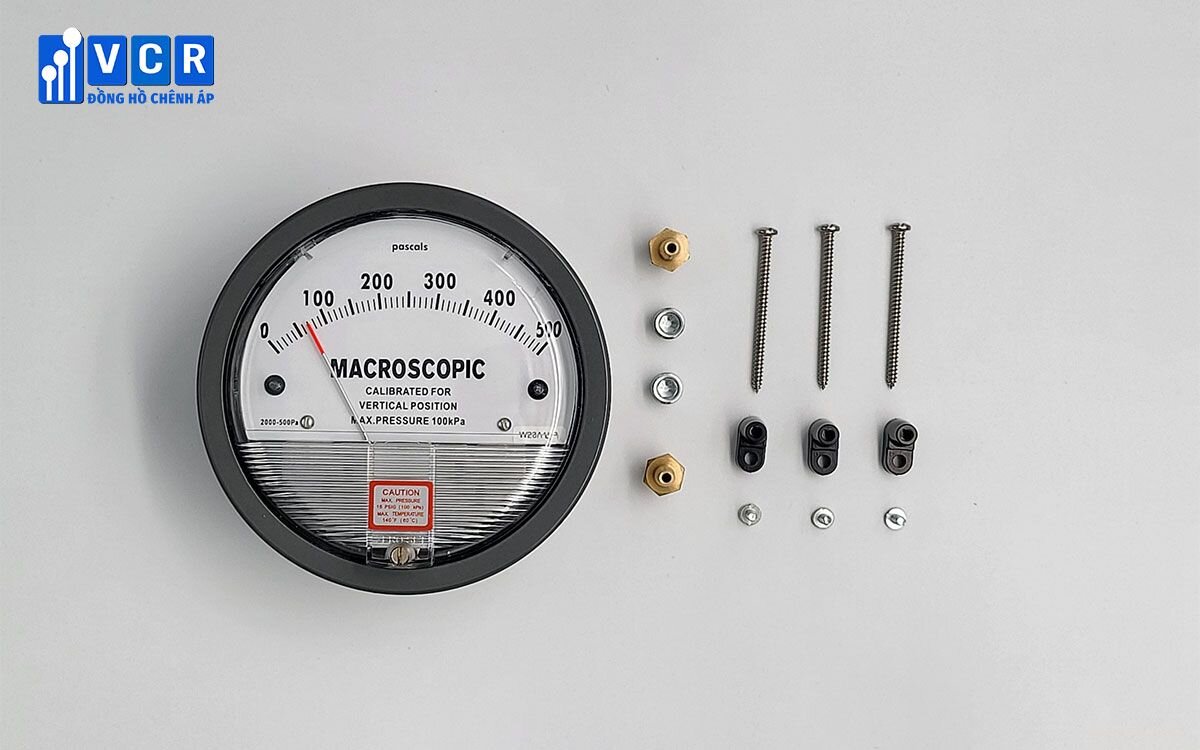
A differential pressure gauge for weighing LAF helps control pressure, clean airflow, HEPA filtration, and cross-contamination in raw material weighing areas.
- What Is a Differential Pressure Gauge for Weighing LAF?
- Why Does Weighing LAF Need a Differential Pressure Gauge?
- The Role of Weighing LAF in Raw Material Weighing Areas
- Why Does Weighing LAF Need Differential Pressure Control?
- Where Is a Differential Pressure Gauge Installed on Weighing LAF?
- Applications of Differential Pressure Gauges in Raw Material Weighing Areas
- Suitable Types of Differential Pressure Gauges for Weighing LAF
- How to Choose a Differential Pressure Gauge for Weighing LAF
- Common Mistakes When Choosing and Installing Differential Pressure Gauges for Weighing LAF
- When Should a Differential Pressure Gauge for Weighing LAF Be Calibrated or Replaced?
- Where to Buy Differential Pressure Gauges for Weighing LAF
- Frequently Asked Questions About Differential Pressure Gauges for Weighing LAF
- Does Weighing LAF Need a Differential Pressure Gauge?
- Where Does a Differential Pressure Gauge for Weighing LAF Usually Measure?
- Should a Mechanical or Electronic Gauge Be Used for Weighing LAF?
- Can a Differential Pressure Gauge Help Detect a Clogged HEPA Filter?
- What Measuring Range Is Suitable for a Differential Pressure Gauge on Weighing LAF?
- When Should a Differential Pressure Gauge for Weighing LAF Be Calibrated?
- What Are the Benefits of Buying a Differential Pressure Gauge for Weighing LAF from VCR?
- Conclusion
What Is a Differential Pressure Gauge for Weighing LAF?
A differential pressure gauge for weighing LAF is a device used to monitor pressure differences within a weighing LAF cabinet system, especially at points related to the HEPA filter, working chamber, return air path, or raw material weighing area. This device helps operators identify pressure status and make a preliminary assessment of the clean air system’s operating condition.
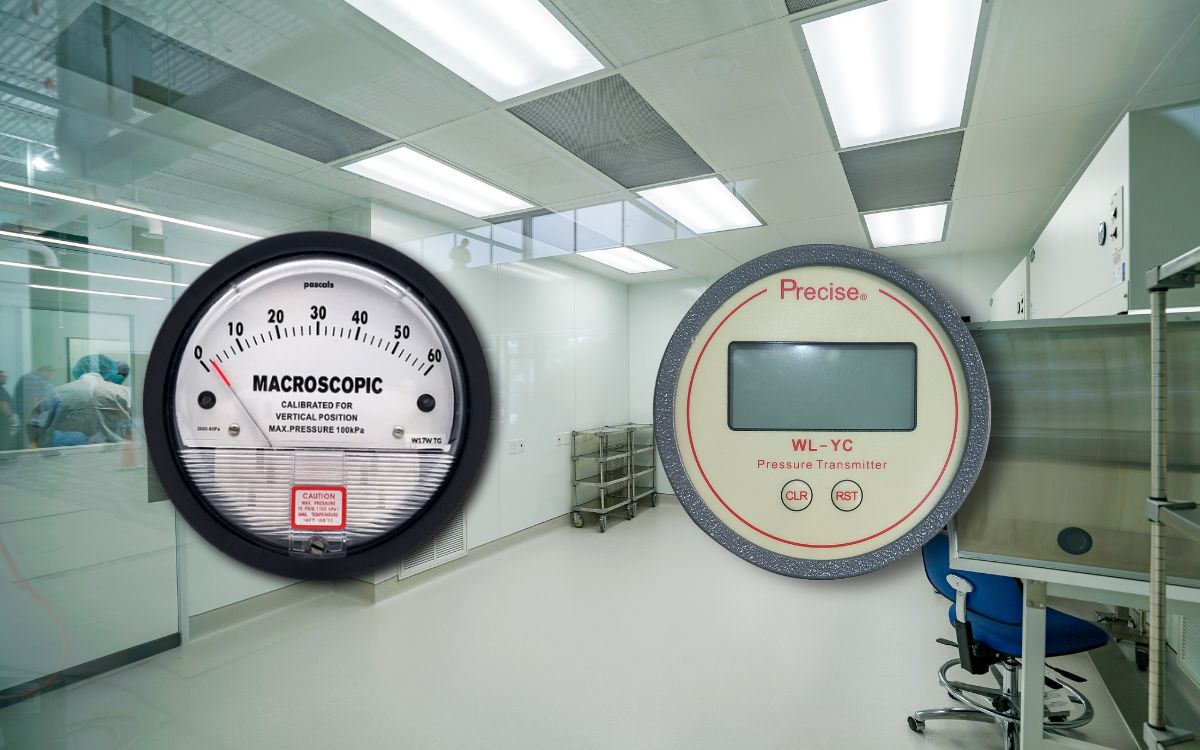
In cleanrooms, weighing LAF is commonly used in raw material weighing, sampling, sample splitting, or material handling areas where dust may be generated. This is a sensitive area because it must both protect raw materials from contamination and protect operators from fine dust, active ingredients, or substances that may affect health. Therefore, controlling pressure and airflow inside the weighing LAF is very important.
A differential pressure gauge is not merely a device for displaying parameters. In actual operation, it helps users monitor the HEPA filter condition, detect fan abnormalities, identify risks of filter blockage, air leakage, or reduced dust control performance. For pharmaceutical, dietary supplement, cosmetic, chemical, biotechnology, or laboratory facilities, this is a device that should be selected correctly from the beginning.
Why Does Weighing LAF Need a Differential Pressure Gauge?
Weighing LAF needs a differential pressure gauge to monitor pressure across the HEPA filter, control clean airflow, and help limit dust dispersion in the raw material weighing area. When the differential pressure reading is abnormal, operators can promptly check the filter, fan, or air system to ensure stable LAF operation.
The Role of Weighing LAF in Raw Material Weighing Areas
Weighing LAF, also known as a weighing booth, raw material weighing cabinet, or clean airflow weighing area, is designed to create a controlled environment for weighing raw materials, excipients, powders, chemicals, or production samples. The equipment typically uses a fan system, pre-filter, medium filter, and HEPA filter to create clean airflow through the working area.
Unlike a standard clean bench, weighing LAF often has to handle two requirements at the same time: product protection and dust control during weighing. When opening raw material bags, scooping powder, splitting samples, or handling active ingredients, dust can disperse into the surrounding environment. If airflow and pressure are not properly controlled, dust may affect the operator, nearby areas, or other product batches.
In GMP factories, the raw material weighing area is usually one of the points that requires strict control. Weighing LAF helps reduce cross-contamination risks, supports cleanliness class maintenance, and creates more stable working conditions. A differential pressure gauge installed on the weighing LAF gives this control process a clear visual basis instead of relying only on airflow perception or periodic checks.
Why Does Weighing LAF Need Differential Pressure Control?
Differential pressure in weighing LAF reflects airflow resistance through the filter, air chamber, or other important points in the system. When the HEPA filter is clean and the fan operates stably, the differential pressure value usually stays within the designed range. When the filter accumulates dust, the airflow path is obstructed, or fan performance declines, the differential pressure value may change.
Controlling differential pressure helps operators detect early signs of abnormal conditions. If the pressure difference across the filter rises, the filter may have accumulated a significant amount of dust and may need inspection, pre-filter cleaning, or replacement according to procedure. If the differential pressure is abnormally low, it may be necessary to check for leakage, filter installation, fan condition, or pressure tapping lines.
In raw material weighing areas, unstable pressure and airflow can increase the risk of dust dispersion. This is especially important for pharmaceuticals, dietary supplements, powder cosmetics, chemicals, or raw materials that have odor, active properties, or a high risk of cross-contamination. A differential pressure gauge helps operators avoid overlooking these changes during daily use.
Where Is a Differential Pressure Gauge Installed on Weighing LAF?
The installation position of a differential pressure gauge depends on the structure of the weighing LAF and the measurement purpose. The most common position is on the front face or control panel of the weighing LAF so operators can easily observe it. The two pressure ports are usually connected to points before and after the HEPA filter, or to positions where differential pressure needs to be monitored in the air system.
If the purpose is to monitor the HEPA filter condition, the high-pressure and low-pressure ports must be correctly taken from the two sides of the filter. This installation method helps users monitor filter resistance during operation. When differential pressure gradually increases over time, it may indicate that the filter is accumulating dust and needs inspection according to the maintenance plan.
In some designs, the gauge may also be used to monitor pressure inside the working chamber, return air pressure, or pressure between the weighing LAF and the surrounding area. However, each measurement purpose requires a different pressure tapping method. Therefore, before selection and installation, it is necessary to clearly determine whether the gauge is used to measure differential pressure across the filter, chamber pressure, or the overall air system status.
Applications of Differential Pressure Gauges in Raw Material Weighing Areas
The most important application of a differential pressure gauge on weighing LAF is monitoring the HEPA filter condition. The HEPA filter is the component that determines the quality of clean airflow entering the working zone. When the filter becomes loaded with dust or obstructs airflow, the differential pressure reading changes, and operators can use this information to evaluate whether inspection or replacement is needed.
The second application is supporting airflow control during weighing. Raw material weighing areas often generate dust when bags are opened, powder is scooped, samples are divided, or materials are transferred. If the airflow is unstable, dust may disperse outward or return into the working area. A differential pressure gauge helps indicate part of the system’s operating condition, thereby reducing risks during operation.
The third application is supporting QA/QC and maintenance activities. With a clear differential pressure reading, the technical team can monitor changes over time. If the value increases or decreases abnormally, inspection can be carried out earlier, avoiding situations where the weighing LAF operates in an unacceptable condition. This is very useful for facilities that follow GMP, ISO, or internal control standards.
Suitable Types of Differential Pressure Gauges for Weighing LAF
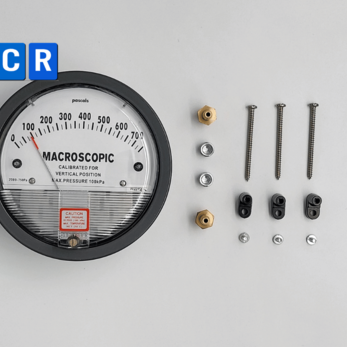
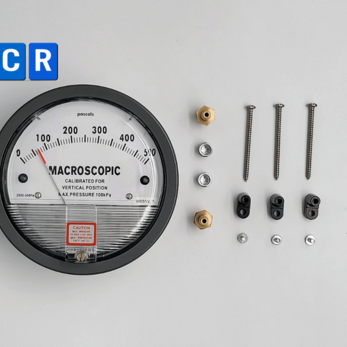
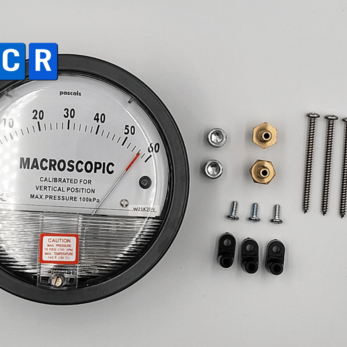
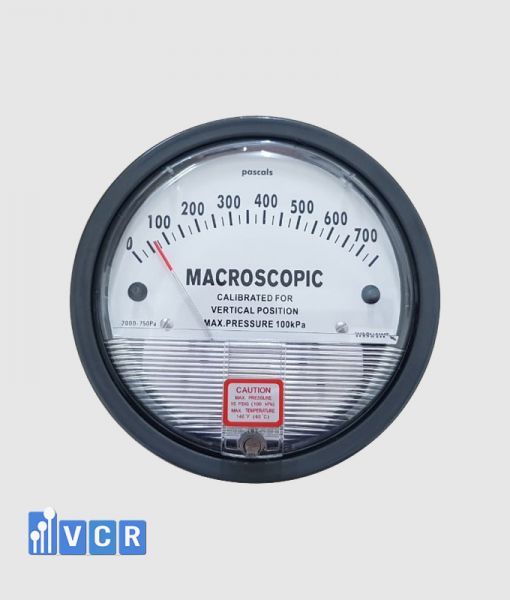
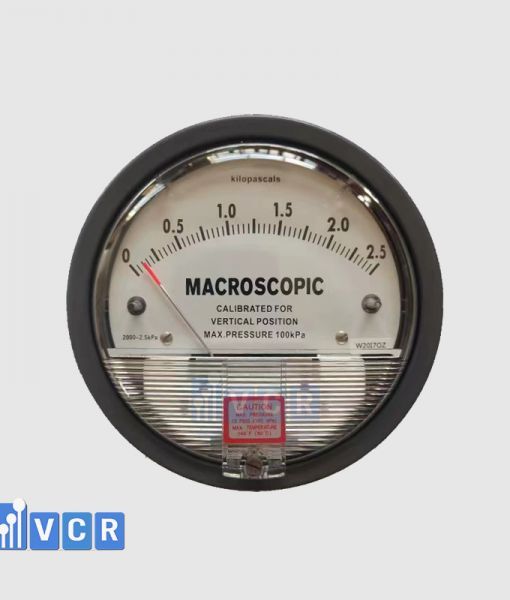
Mechanical differential pressure gauges are a common choice for many weighing LAF systems. This type is easy to observe, easy to use, does not require power for basic display functions, and is suitable for cleanroom environments. For areas that only need on-site differential pressure checks, a mechanical gauge is a practical option.
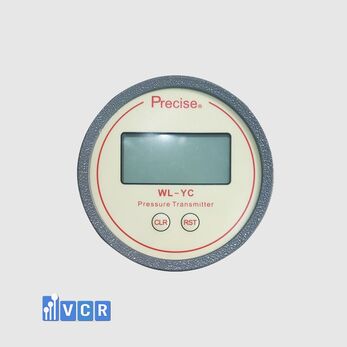
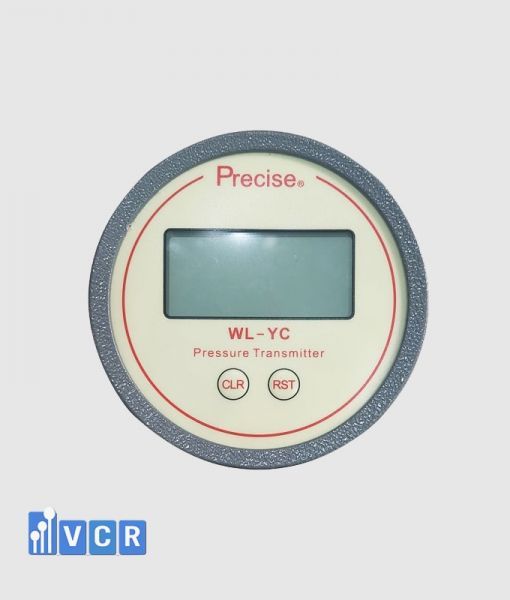
Electronic differential pressure gauges are suitable for systems that require digital display, alarms, or signal transmission to a control cabinet, BMS, or monitoring system. This type is often used when a facility needs regular data monitoring, alarms when pressure exceeds the threshold, or integration into the operation management process.
In addition, for raw material weighing areas with higher risks, a differential pressure gauge with alarm contacts may be considered. When pressure is outside the allowable range, the device can send a signal so operators can check it promptly. This option is suitable for active ingredient weighing areas, dust-prone raw materials, pharmaceutical production areas, or production lines that require strict cross-contamination control.
How to Choose a Differential Pressure Gauge for Weighing LAF
When choosing a differential pressure gauge for weighing LAF, the first criterion is the measuring range. The range must match the actual differential pressure across the HEPA filter or the measurement point that needs to be controlled. If the range is too large, operators may find it difficult to observe small changes. If the range is too small, the gauge may not respond properly when the system operates at a higher pressure level than expected.
The second criterion is accuracy and readability. In raw material weighing areas, operators need to check the gauge quickly before and during operations. Therefore, the gauge face should be clear, the pointer stable, the scale easy to read, and the unit suitable for the system’s technical documentation.
The third criterion is suitability for the cleanroom environment. The gauge should have a design that is easy to clean, securely installed, resistant to dust accumulation, and suitable for the equipment surface. If installed on a weighing LAF used in GMP environments, documentation, calibration capability, and compatibility with the facility’s measuring equipment control procedure should be considered.
The fourth criterion is the requirement for alarms or connectivity. If the weighing LAF operates independently, a mechanical gauge may be sufficient. If the weighing area belongs to a critical production line, requires warnings when differential pressure is abnormal, or needs signal transmission to a monitoring system, an electronic gauge or a gauge with alarm contacts should be considered.
Common Mistakes When Choosing and Installing Differential Pressure Gauges for Weighing LAF
The first mistake is selecting an incorrect measuring range. This makes the displayed value difficult to monitor or unable to clearly reflect changes in the HEPA filter condition. For weighing LAF, the measuring range should be based on the actual design of the air system, not selected by guesswork or only based on available models.
The second mistake is installing the pressure tapping points incorrectly. If the purpose is to measure differential pressure across the HEPA filter but the two pressure ports are not placed correctly before and after the filter, the displayed value will not reflect the actual filter condition. This error can cause operators to misjudge the equipment status.
The third mistake is ignoring pressure tubing inspection. Bent, blocked, loose, or leaking pressure tubing can cause incorrect readings. In environments with raw material dust, checking pressure tubing is even more important to ensure stable gauge operation.
The fourth mistake is focusing only on cost while ignoring GMP requirements, calibration, and technical support. In raw material weighing areas, measuring devices are directly related to operational control. An unsuitable gauge can cause difficulties during commissioning, maintenance, or quality audits.
When Should a Differential Pressure Gauge for Weighing LAF Be Calibrated or Replaced?
A differential pressure gauge for weighing LAF should be checked when the pointer does not return to zero, the reading fluctuates abnormally, the gauge face is damaged, the pressure tubing is loose, the device has been impacted, or the reading does not match the actual operating condition. These are signs that inspection, calibration, or replacement may be needed.
In GMP factories, calibration is usually carried out according to the measuring equipment management plan. Calibration frequency depends on internal requirements, the importance of the weighing area, and the facility’s audit requirements. For weighing LAF used with sensitive raw materials, active ingredients, or products with high cross-contamination risk, periodic inspection should receive even greater attention.
In addition to the gauge, the filter system, fan, pressure tubing, and cleanliness condition of the weighing LAF should also be checked. In many cases, abnormal readings do not come from the gauge itself but from dust-loaded filters, reduced fan performance, obstructed airflow paths, or incorrectly installed pressure tapping points.
Where to Buy Differential Pressure Gauges for Weighing LAF
When purchasing a differential pressure gauge for weighing LAF, businesses should choose a supplier that understands cleanroom equipment requirements and raw material weighing areas. Choosing the right gauge is not only about the model; it also requires determining the measurement purpose, measuring range, installation position, alarm requirements, documentation, and actual operating conditions.
VCR Cleanroom Equipment can advise on selecting suitable differential pressure gauges for weighing LAF, weighing booths, raw material weighing areas, HEPA filters, FFU, AHU, and related cleanroom systems. With experience in cleanroom equipment, VCR helps customers select devices according to the actual application instead of choosing a generic product.
If a business needs a differential pressure gauge for weighing LAF in pharmaceutical, food, cosmetic, chemical, biotechnology, or laboratory facilities, it should provide information about the type of weighing LAF, measurement position, desired pressure range, and documentation requirements. From there, VCR Cleanroom Equipment can propose a more suitable solution for long-term operation.
Frequently Asked Questions About Differential Pressure Gauges for Weighing LAF
Does Weighing LAF Need a Differential Pressure Gauge?
Weighing LAF should be equipped with a differential pressure gauge, especially when the equipment uses a HEPA filter and operates in a cleanroom raw material weighing area. The gauge helps monitor differential pressure across the filter, supports airflow control, and detects early abnormalities in the system. For GMP facilities or weighing areas with dust dispersion risks, VCR Cleanroom Equipment can recommend a suitable gauge based on the weighing LAF structure and operating requirements.
Where Does a Differential Pressure Gauge for Weighing LAF Usually Measure?
A differential pressure gauge for weighing LAF is usually used to measure differential pressure across the HEPA filter or at important points in the equipment’s air system. The two pressure ports may be placed before and after the filter to monitor filter resistance during operation. Depending on the weighing LAF design, measurement points may vary. Therefore, the measurement purpose should be clearly defined before installation to avoid readings that have no practical control value.
Should a Mechanical or Electronic Gauge Be Used for Weighing LAF?
If only on-site differential pressure display is required, a mechanical differential pressure gauge is often suitable because it is easy to use, easy to observe, and cost-effective. If the weighing LAF requires alarms, signal transmission, or integration with a monitoring system, an electronic gauge will be more suitable. For important raw material weighing areas, VCR Cleanroom Equipment can advise based on operating requirements, measuring range, and the required level of control for each facility.
Can a Differential Pressure Gauge Help Detect a Clogged HEPA Filter?
Yes. A differential pressure gauge can help identify HEPA filter clogging through changes in pressure difference across the filter. When the filter accumulates dust, resistance increases and the differential pressure reading usually changes from the initial operating condition. However, for accurate evaluation, the gauge must be installed at the correct pressure tapping points and compared with the equipment’s operating limits. VCR Cleanroom Equipment can support measuring range selection and suitable installation methods for weighing LAF.
What Measuring Range Is Suitable for a Differential Pressure Gauge on Weighing LAF?
The suitable measuring range depends on the weighing LAF design, HEPA filter type, airflow rate, and measurement purpose. The range should not be selected by guesswork because an overly large range makes accurate reading difficult, while an overly small range may not meet system operating conditions. Buyers should provide equipment specifications or measurement purpose so VCR Cleanroom Equipment can recommend an appropriate measuring range that supports clear display and better control.
When Should a Differential Pressure Gauge for Weighing LAF Be Calibrated?
A differential pressure gauge for weighing LAF should be calibrated according to the facility’s measuring equipment management plan or when abnormal signs appear, such as the pointer not returning to zero, fluctuating readings, device impact, loose pressure tubing, or displayed values that do not match the operating condition. In GMP facilities, periodic calibration helps improve the reliability of control parameters and supports quality audits.
What Are the Benefits of Buying a Differential Pressure Gauge for Weighing LAF from VCR?
When purchasing from VCR Cleanroom Equipment, customers receive advice based on the actual application of weighing LAF rather than simply selecting a generic gauge model. VCR can support determination of measuring range, gauge type, installation position, alarm requirements, and compatibility with HEPA filters, raw material weighing areas, or GMP facilities. This helps businesses reduce the risk of choosing the wrong device and operate the system more stably.
Conclusion
A differential pressure gauge for weighing LAF is an important device in raw material weighing areas, especially when HEPA filtration, clean airflow, dust dispersion, and cross-contamination risks need to be controlled. The device helps operators visually monitor differential pressure status, detect abnormalities early, and maintain stable operating conditions.
To select the right differential pressure gauge for weighing LAF, businesses need to consider the type of weighing LAF, measurement purpose, measuring range, pressure tapping position, alarm requirements, calibration capability, and the facility’s operating standards. If you need advice on suitable equipment for weighing LAF, weighing booths, or raw material weighing areas in cleanrooms, contact VCR Cleanroom Equipment for support in choosing the right solution for your actual needs.