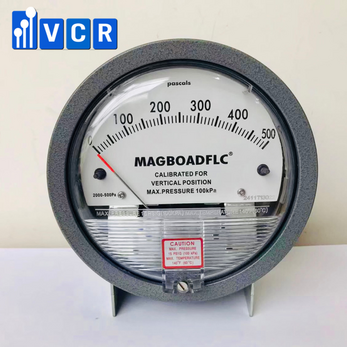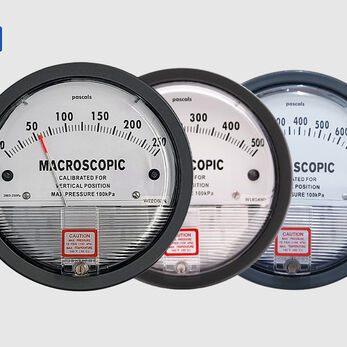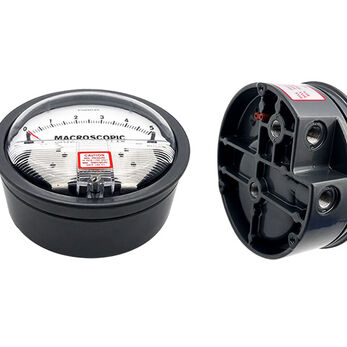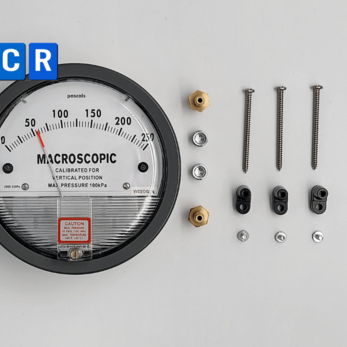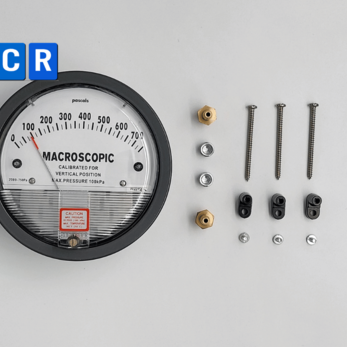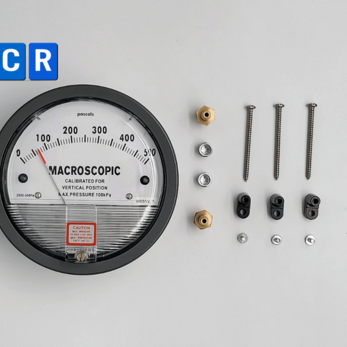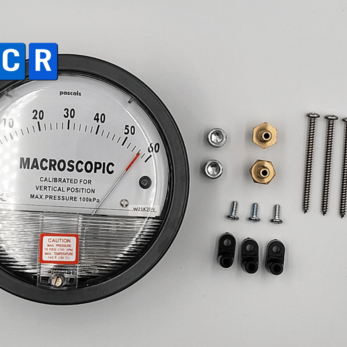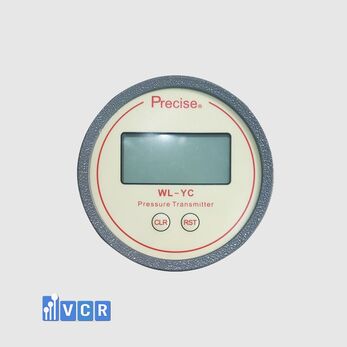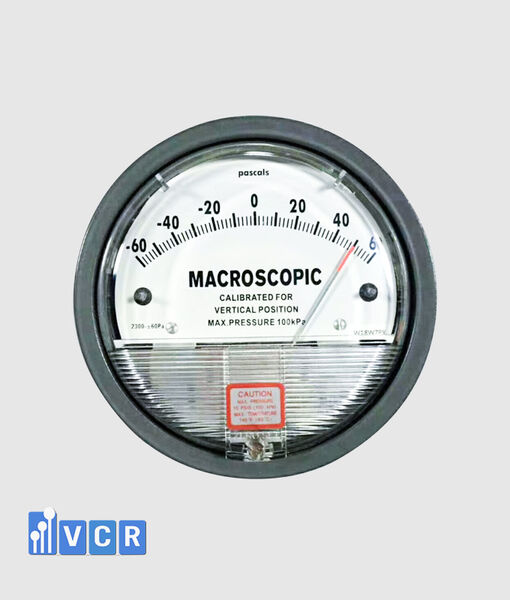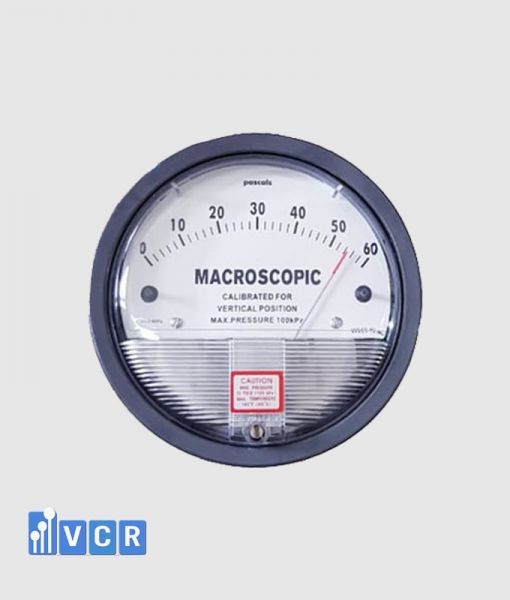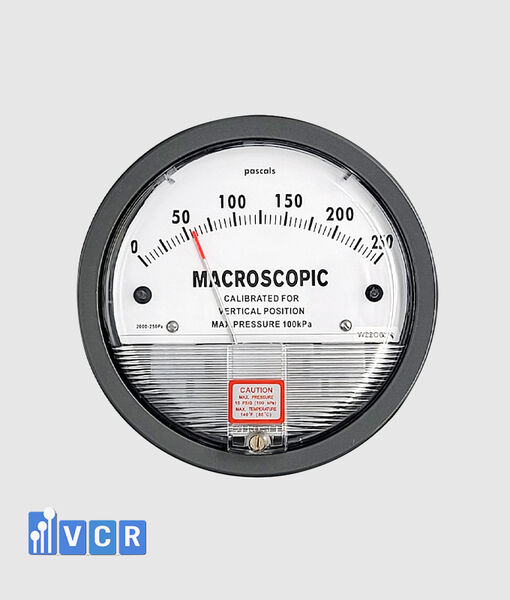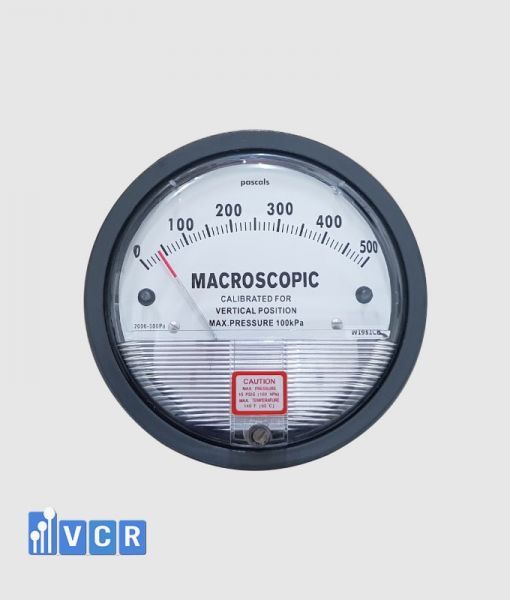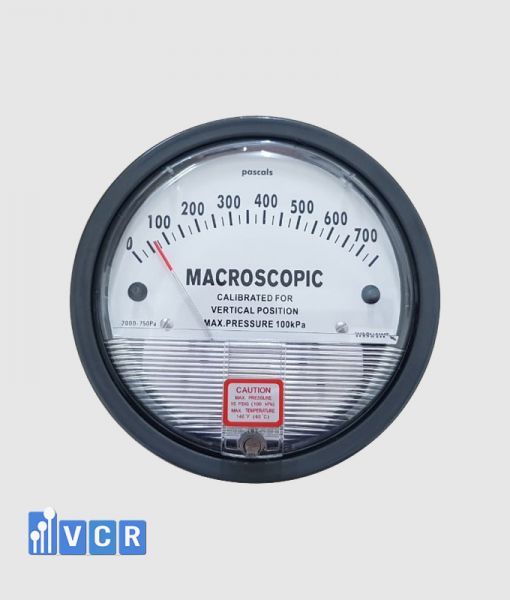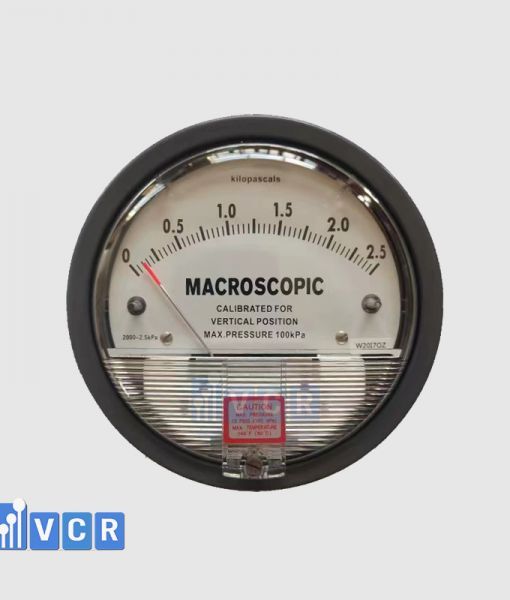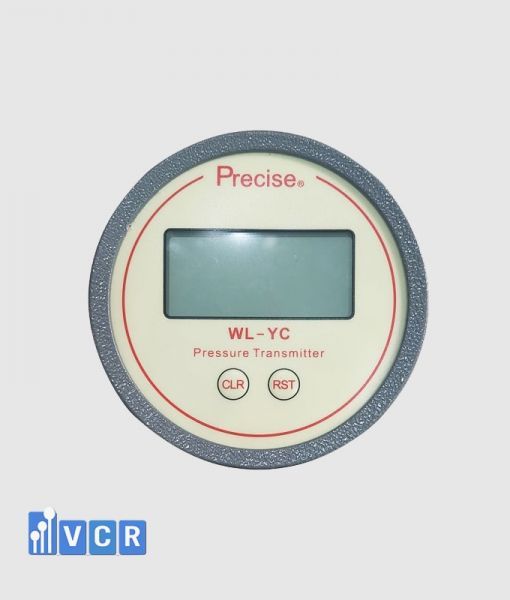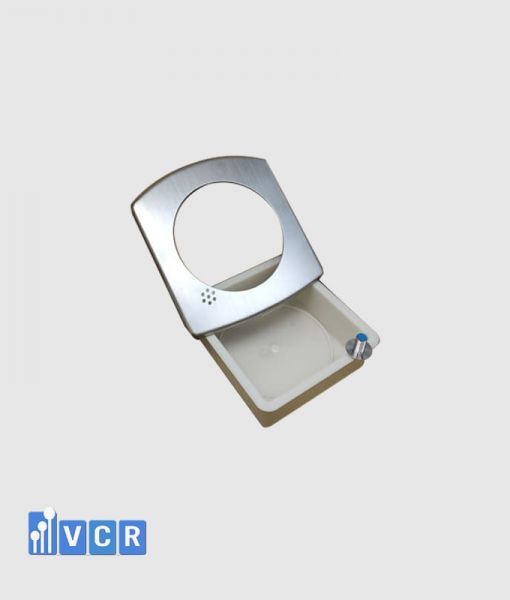

A differential pressure gauge for raw material weighing areas helps control pressure, airflow direction, and dust dispersion risks during powder weighing, active ingredient weighing, or raw material dispensing. It is commonly used in weighing rooms, formulation rooms, Weighing Booths, Dispensing Booths, and GMP areas requiring cross-contamination control.
- What Is a Differential Pressure Gauge for Raw Material Weighing Areas?
- Why Do Raw Material Weighing Areas Need Differential Pressure Monitoring?
- Applications in Raw Material Weighing Rooms
- Applications for Weighing Booths and Dispensing Booths
- What Measuring Range Should Be Selected?
- Mechanical Gauge or Electronic Sensor?
- Installation Considerations for Raw Material Weighing Areas
- Common Mistakes When Selecting Gauges for Weighing Areas
- Where to Buy Differential Pressure Gauges for Raw Material Weighing Areas?
- Frequently Asked Questions
- Conclusion
What Is a Differential Pressure Gauge for Raw Material Weighing Areas?
A differential pressure gauge for raw material weighing areas is a device used to monitor pressure difference between the weighing room and surrounding areas, or between two sides of a filtration system in a Weighing Booth, Dispensing Booth, formulation room, or powder handling area. It helps operators check whether the weighing area pressure is maintained according to design.
In pharmaceutical, cosmetic, food, chemical, medical device, or laboratory production, raw material weighing areas often generate dust, fine powder, active ingredients, or airborne raw material particles. If pressure and airflow are not controlled, dust may spread to other areas, causing cross-contamination, affecting operators, and disrupting production conditions.
A differential pressure gauge helps control pressure status in the weighing area, supports airflow direction monitoring, HEPA filter condition monitoring, and cleanroom HVAC stability. It is an important device for weighing areas with GMP, ISO, or strict dust control requirements.
Why Do Raw Material Weighing Areas Need Differential Pressure Monitoring?
Raw material weighing areas need differential pressure monitoring because they have a high risk of dust generation and cross-contamination. When bags are opened, samples are taken, materials are divided, powders are weighed, or active ingredients are handled, fine particles may disperse into the air. If airflow direction is incorrect, dust may spread to corridors, buffer rooms, or other production areas.
In many pharmaceutical and food factories, weighing areas must be controlled to protect products, operators, or the surrounding environment. Depending on the material and risk level, the weighing area may use positive pressure, negative pressure, or unidirectional airflow inside specialized equipment.
A differential pressure gauge helps engineering, QA/QC, and operators detect early issues such as pressure loss, poor door sealing, dust-loaded HEPA filters, reduced fan performance, incorrect damper position, blocked pressure tubing, or HVAC imbalance.
Applications in Raw Material Weighing Rooms
In raw material weighing rooms, differential pressure gauges are usually installed between the weighing room and clean corridor, between the weighing room and buffer room, or between the weighing room and adjacent production area. The purpose is to control airflow direction and limit dust, powder, or active ingredients from moving into the wrong area.
If the weighing room is designed to protect the product, pressure may be maintained to prevent less clean air from entering the weighing area. If the room handles materials with dispersion risks, negative pressure may be used to prevent dust from escaping. Therefore, range selection and pressure direction should be based on actual pressure design.
VCR Cleanroom Equipment can advise on differential pressure gauges for raw material weighing rooms, formulation rooms, dispensing rooms, powder handling rooms, and material preparation areas in GMP factories.
Applications for Weighing Booths and Dispensing Booths
Weighing Booths and Dispensing Booths are local air-control devices commonly used for powder weighing, material dispensing, sampling, or active ingredient handling. Differential pressure gauges may be used to monitor equipment pressure, HEPA filter condition, and air system operating status.
In Weighing Booths or Dispensing Booths, airflow must be kept stable to prevent powder dust from spreading outside the working zone. When HEPA filters become dust-loaded or airflow decreases, differential pressure readings may change, allowing engineering teams to detect problems early.
A differential pressure gauge also helps operators confirm that the equipment is operating under controlled conditions before raw material weighing. This is especially important for pharmaceutical, cosmetic, nutraceutical, and GMP-controlled weighing areas.
What Measuring Range Should Be Selected?
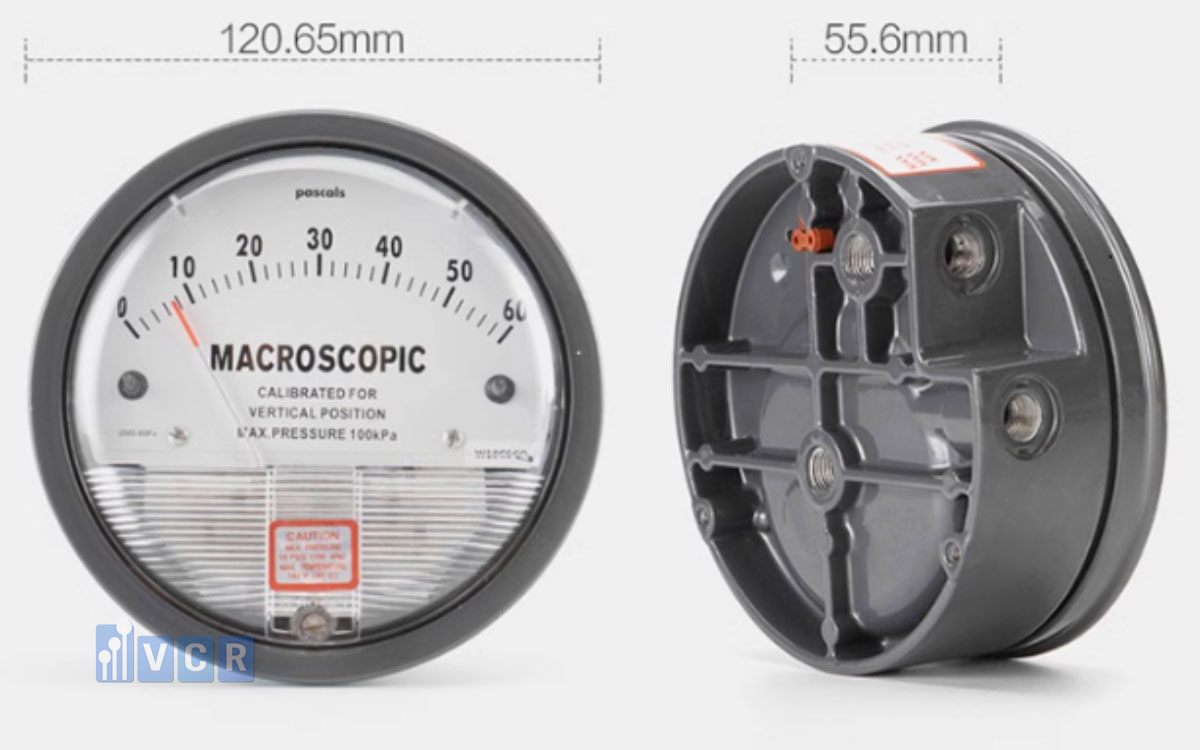
The measuring range should be selected according to the measurement purpose. If monitoring pressure difference between the weighing room and adjacent areas, sensitive ranges such as 0–60 Pa or 0–125 Pa may be used depending on the designed pressure difference. These ranges help operators detect small room pressure changes more easily.
If monitoring differential pressure across HEPA filters, Weighing Booths, Dispensing Booths, AHU - Air Handling Unit, or FFU - Fan Filter Unit, larger ranges such as 0–250 Pa, 0–500 Pa, or 0–750 Pa may be required depending on filter specifications and equipment design. One common range should not be used for both room pressure and filter pressure monitoring.
For negative pressure areas, a negative or negative-positive range should be selected to correctly read room status. If the wrong range is used, operators may misunderstand the area as controlled while actual pressure is not within the required condition.
Mechanical Gauge or Electronic Sensor?
For local observation points such as weighing rooms, buffer rooms, or weighing area doors, mechanical differential pressure gauges are commonly used because they are easy to read, easy to install, and cost-effective. Operators can directly check the reading before weighing raw materials.
For critical weighing areas, high-risk active ingredient handling, alarm requirements, or data logging needs, an electronic differential pressure gauge or sensor with 4-20mA signal should be considered. This type can connect to BMS/EMS for continuous monitoring, alarms, and pressure history recording.
In many GMP projects, the suitable solution is to combine local display and central monitoring. Mechanical gauges help operators check values quickly on site, while electronic sensors allow engineering and QA/QC teams to monitor data continuously.
Installation Considerations for Raw Material Weighing Areas
When installing a differential pressure gauge for a raw material weighing area, it must be clear which two areas are being measured. Examples include “Weighing Room / Clean Corridor,” “Weighing Room / Buffer Room,” or “Before HEPA Filter / After HEPA Filter.” Clear labeling helps operators interpret readings correctly.
Pressure tapping points should not be placed near frequently opened doors, supply air diffusers, return air grilles, or disturbed airflow zones. In powder weighing areas, dust should be prevented from entering or blocking pressure tubing. Pressure tubing should be securely installed, without bending, leakage, and should be easy to inspect during maintenance.
High and low pressure ports must be connected correctly. If reversed, the gauge may display the wrong direction, which is especially risky for negative pressure rooms or dust-control areas. After installation, zero adjustment, reading stability, and periodic inspection should be included in the operating plan.
Common Mistakes When Selecting Gauges for Weighing Areas
The first mistake is selecting the wrong measuring range. A range that is too large makes small room pressure changes difficult to observe, while a range that is too small may exceed scale when monitoring filters or equipment with high airflow resistance.
The second mistake is not distinguishing room pressure monitoring from HEPA filter monitoring. These are different applications requiring different measuring ranges and pressure tapping arrangements.
The third mistake is ignoring negative pressure requirements. For weighing areas handling dust-generating raw materials or active ingredients, negative pressure may need to be strictly controlled. If the wrong gauge is used, operators may not correctly assess safety status.
The fourth mistake is not checking pressure tubing. In powder areas, pressure tubing may become blocked or contaminated over time. Without periodic inspection, displayed readings may not reflect actual pressure.
Where to Buy Differential Pressure Gauges for Raw Material Weighing Areas?
Businesses can buy differential pressure gauges for raw material weighing areas from VCR Cleanroom Equipment. VCR provides application-based consulting to help customers select the correct range, installation position, gauge type, and documentation requirements.
VCR Cleanroom Equipment supplies differential pressure gauges for weighing rooms, formulation rooms, dispensing rooms, Weighing Booths, Dispensing Booths, buffer rooms, airlocks, clean corridors, HEPA Boxes, AHU - Air Handling Unit, FFU - Fan Filter Unit, Pass Boxes, Air Showers, and Clean Booths.
When requesting consultation, businesses should provide installation position, reference area, measurement purpose, material type, cleanliness class, required range, quantity, CO/CQ requirements, calibration certificate needs, and BMS/EMS connection requirements if any. From there, VCR can recommend a suitable solution for actual operation needs.
Frequently Asked Questions
Does a Raw Material Weighing Area Need a Differential Pressure Gauge?
Yes. Raw material weighing areas often generate dust, fine powder, or active ingredients, so differential pressure monitoring is needed to control airflow direction and reduce cross-contamination risks. A differential pressure gauge helps detect pressure loss, insufficient negative pressure, dust-loaded HEPA filters, or HVAC imbalance.
What Range Should Be Used for a Weighing Room?
If monitoring pressure between the weighing room and corridor or buffer room, 0–60 Pa or 0–125 Pa may be considered depending on designed pressure difference. If monitoring HEPA filters, Weighing Booths, Dispensing Booths, AHU, or FFU, larger ranges such as 0–250 Pa, 0–500 Pa, or 0–750 Pa may be needed. One common range should not be used for all positions.
Should a Powder Weighing Area Use Positive or Negative Pressure?
It depends on the control objective. If product protection from the external environment is required, positive pressure may be used. If dust, powder, or active ingredients must be prevented from spreading outside, negative pressure or local air-control equipment such as a Weighing Booth may be used. Gauge selection should follow the actual pressure design.
Should a 4-20mA Sensor Be Used for Raw Material Weighing Rooms?
A 4-20mA sensor can be used if the weighing area requires continuous monitoring, automatic alarms, data logging, or BMS/EMS connection. For local reading points, a mechanical gauge may be sufficient. For critical GMP areas or high-risk active ingredient handling, 4-20mA sensors support better control and traceability.
Conclusion
A differential pressure gauge for raw material weighing areas helps control pressure, airflow direction, powder dust, HEPA filter condition, and cross-contamination risks. When selecting the device, businesses should define the measurement purpose, range, pressure tapping position, positive or negative pressure requirement, calibration needs, and central monitoring requirements.
If your business needs differential pressure gauges for weighing rooms, Weighing Booths, Dispensing Booths, or GMP raw material weighing areas, contact VCR Cleanroom Equipment for support in selecting the correct range, application, and solution for actual operating needs.