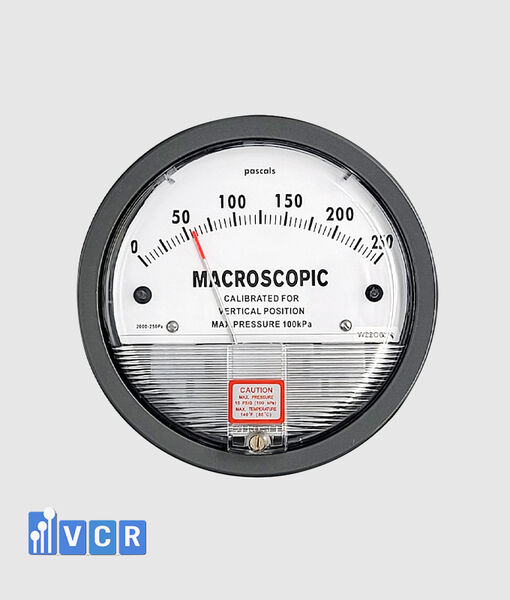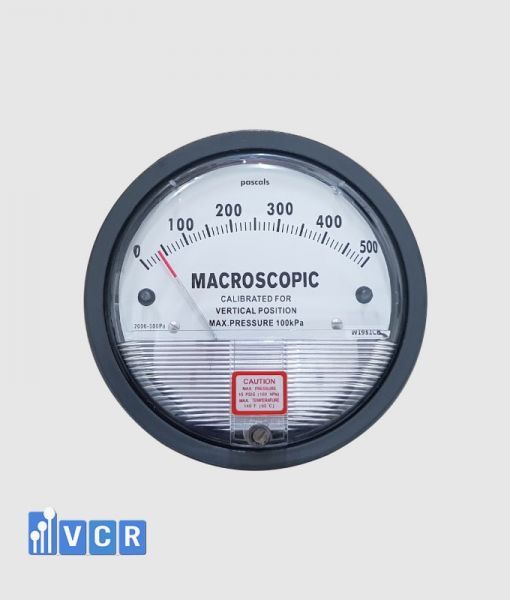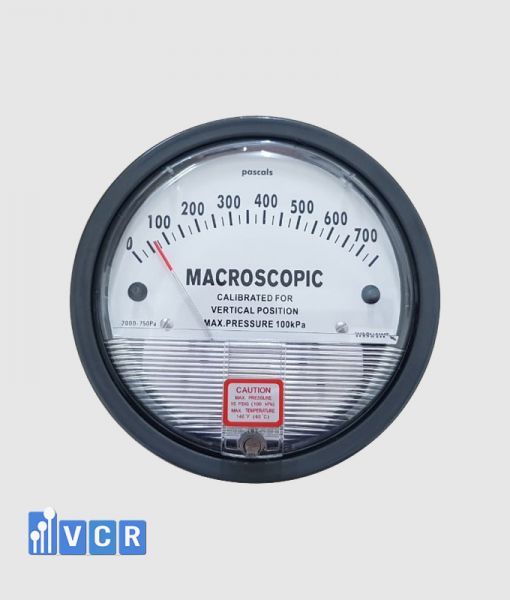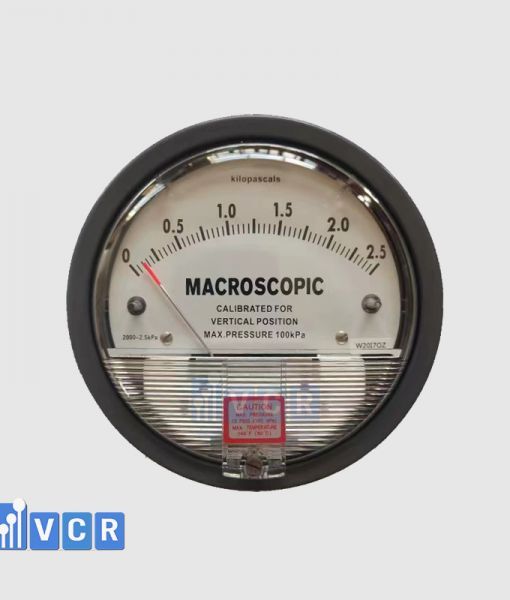

Selecting the right differential pressure gauge is essential for maintaining stable pressure control in cleanrooms. This FAQ explains how to choose the correct range, size, materials, and configuration for GMP cleanrooms, HVAC systems, and contamination control.
- How do you choose the right differential pressure gauge for a cleanroom?
- What pressure range should be selected for cleanroom monitoring?
- What gauge size is recommended for cleanroom applications?
- Where should a differential pressure gauge be installed?
- What materials are suitable for GMP cleanroom gauges?
- When should a high-accuracy gauge be selected?
- When is an electronic differential pressure sensor recommended?
- Should you choose a mechanical gauge or an electronic sensor?
- Are color-coded warning scales useful on pressure gauges?
- What type of gauge is suitable for Grade B cleanrooms?
- Do differential pressure gauges need vibration resistance?
- Should the gauge be dust resistant?
- Do pressure gauges need shatter-resistant viewing windows?
- Should the gauge have zero adjustment capability?
- Is an air filter needed for pressure sensing lines?
- When should a wider pressure range be selected?
- Do cleanroom gauges need corrosion resistance?
- Should cleanroom gauges be easy to clean?
- Should the gauge have quality certifications?
- Why is proper gauge selection important from the beginning?
In cleanroom engineering, choosing the correct differential pressure gauge is essential for maintaining stable airflow and pressure cascades between rooms. The device must match the cleanroom classification, HVAC design, and operational monitoring requirements. In many pharmaceutical and electronics facilities, differential pressure monitoring devices are integrated into environmental control systems implemented by specialized providers such as thiết bị phòng sạch VCR (Vietnam Cleanroom Equipment). The following FAQ explains key considerations when selecting and configuring differential pressure gauges for cleanroom applications.
How do you choose the right differential pressure gauge for a cleanroom?
Selecting a differential pressure gauge starts with understanding the pressure cascade design of the cleanroom. The gauge must be able to measure the pressure difference between adjacent rooms accurately.
In most cleanroom facilities, pressure differences are relatively small, so the device should have a sensitive measurement range and clear display.
Other factors such as installation location, readability, durability, and compatibility with cleanroom surfaces should also be considered.
Choosing the right gauge ensures reliable pressure monitoring and supports stable cleanroom operation.
What pressure range should be selected for cleanroom monitoring?
The measurement range is one of the most important parameters when selecting a differential pressure gauge. If the range is too large, the device may not detect small pressure changes effectively.
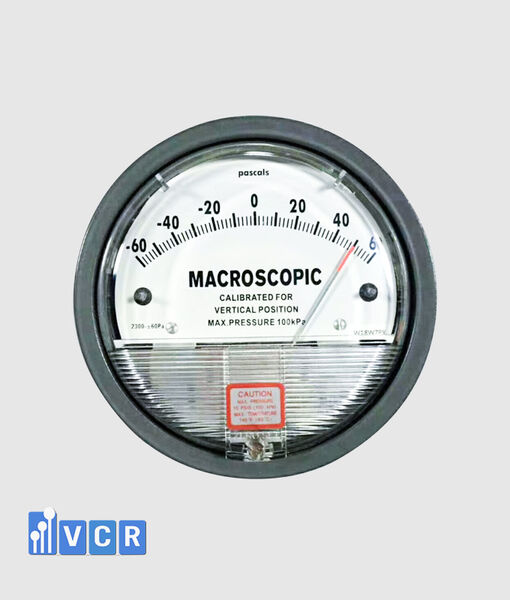
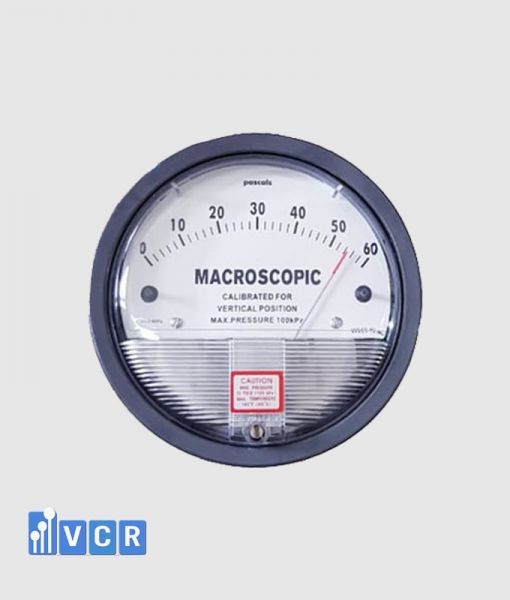
In pharmaceutical cleanrooms, common pressure ranges include 0–60 Pa or 0–100 Pa. These ranges provide sufficient sensitivity for monitoring pressure cascades between rooms.
Selecting an appropriate range allows operators to easily detect abnormal pressure changes within the cleanroom environment.
What gauge size is recommended for cleanroom applications?
Gauge size mainly affects visibility and ease of reading. Larger dial sizes allow operators to quickly observe pressure values even from a distance.
Common dial sizes range from approximately 100 mm to 150 mm in diameter. These sizes are widely used in cleanroom installations.
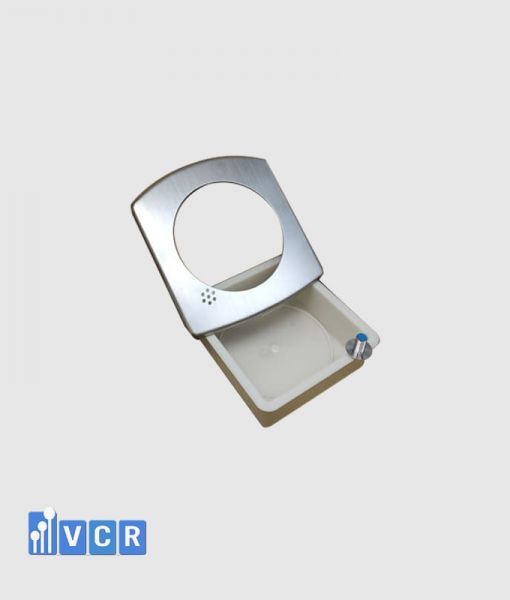
The selected gauge should also fit properly into wall panels or cleanroom partitions to maintain a neat and professional installation.
Where should a differential pressure gauge be installed?
Differential pressure gauges are typically installed on the wall between two cleanroom areas or near the entrance door.
Installation near doorways allows operators to quickly check pressure conditions when entering or exiting the room.
In many facilities, gauges are also placed in airlocks or corridors where pressure relationships between rooms must be verified.
Proper installation locations improve operational monitoring and efficiency.
What materials are suitable for GMP cleanroom gauges?
Materials used in cleanroom equipment must be compatible with controlled environments and easy to clean.
Many differential pressure gauges use durable plastics or powder-coated metal housings. In higher-grade environments, stainless steel surfaces may be preferred.
Using suitable materials helps maintain hygiene standards and ensures long-term durability in cleanroom conditions.
When should a high-accuracy gauge be selected?
High-accuracy gauges are particularly important in sensitive environments such as sterile pharmaceutical manufacturing areas.
Small variations in pressure can affect airflow direction and contamination control.
For this reason, areas such as Grade A or Grade B cleanrooms often require more precise monitoring devices to ensure stable environmental conditions.
When is an electronic differential pressure sensor recommended?
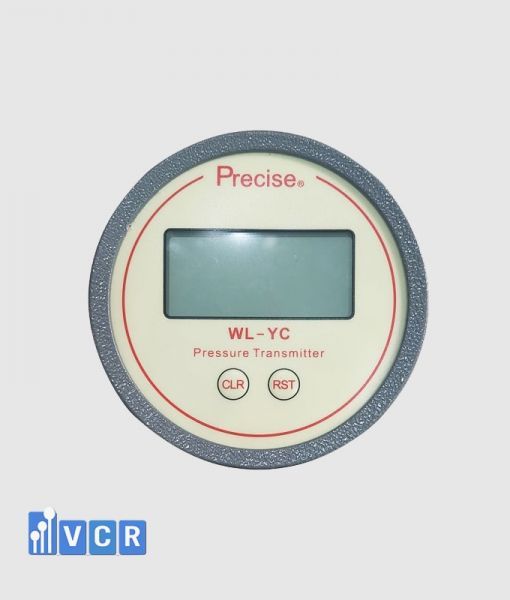
Electronic differential pressure sensors are recommended when continuous monitoring or automated data recording is required.
These devices can transmit pressure readings to central monitoring systems, allowing engineers to track cleanroom conditions in real time.
They are commonly used in modern facilities where environmental monitoring systems are integrated with digital infrastructure.
Should you choose a mechanical gauge or an electronic sensor?
Both options have advantages depending on the application. Mechanical gauges are simple, reliable, and require no power supply.
Electronic sensors provide digital outputs that can be connected to monitoring systems or building management platforms.
The choice depends on the level of automation and data monitoring required by the facility.
Are color-coded warning scales useful on pressure gauges?
Color-coded pressure scales can make monitoring easier and more intuitive. These markings allow operators to quickly determine whether the pressure differential is within the acceptable range.
For example, a green zone may indicate normal operation, while a red zone signals that pressure has fallen outside the design limits.
This visual guidance helps improve operational awareness and quick decision-making.
What type of gauge is suitable for Grade B cleanrooms?
Grade B cleanrooms require stable and accurate monitoring of environmental parameters, including pressure differentials.
The selected gauge should offer high sensitivity and reliable long-term performance.
In some facilities, electronic sensors connected to environmental monitoring systems are used to provide continuous data recording and alarms.
Do differential pressure gauges need vibration resistance?
In industrial environments, vibration from HVAC systems or nearby machinery can affect gauge stability.
High-quality gauges are often designed to minimize the impact of vibration on the measurement mechanism.
This ensures that the pointer remains stable and readings remain easy to interpret.
Should the gauge be dust resistant?
Even though cleanrooms control airborne particles, measuring devices should still be sealed to prevent dust or moisture from entering the internal mechanism.
Sealed gauge designs protect sensitive components and extend the service life of the instrument.
This design feature is particularly useful in environments where long-term reliability is required.
Do pressure gauges need shatter-resistant viewing windows?
In many production environments, safety is an important consideration. Gauges with shatter-resistant viewing windows reduce the risk of damage from accidental impact.
Materials such as reinforced plastic or safety glass are commonly used.
This feature helps improve durability and protects the instrument from physical damage.
Should the gauge have zero adjustment capability?
Some differential pressure gauges include an adjustable zero setting. This feature allows technicians to recalibrate the baseline measurement if small deviations occur.
Zero adjustment helps maintain measurement accuracy during routine maintenance.
It also allows quick verification of instrument performance without removing the device from the installation.
Is an air filter needed for pressure sensing lines?
In some installations, small filters may be installed in the pressure sampling lines connected to the gauge.
These filters prevent dust, moisture, or particles from entering the measurement tubing.
Protecting the internal mechanism of the gauge helps ensure consistent performance over time.
When should a wider pressure range be selected?
In technical areas such as HVAC equipment rooms or air handling unit spaces, pressure differences may be larger than those found in cleanrooms.
In these cases, a gauge with a wider measurement range should be selected to avoid exceeding the instrument's limits.
Choosing the appropriate range helps maintain measurement accuracy and instrument safety.
Do cleanroom gauges need corrosion resistance?
In some environments, humidity or chemical vapors may affect instrument durability.
Using corrosion-resistant materials such as coated metals or stainless steel helps protect the gauge from long-term damage.
This is particularly important in pharmaceutical manufacturing or laboratory facilities.
Should cleanroom gauges be easy to clean?
Cleanroom equipment should have smooth surfaces that allow easy cleaning and disinfection.
Gauges designed for cleanroom use typically avoid sharp edges or complex shapes that could trap dust.
Easy-to-clean surfaces help maintain hygiene standards in controlled environments.
Should the gauge have quality certifications?
In regulated industries, measurement devices should come with manufacturer documentation and quality certifications.
These documents confirm that the device meets technical specifications and manufacturing standards.
Proper documentation can also support regulatory inspections and facility audits.
Why is proper gauge selection important from the beginning?
Selecting the correct differential pressure gauge from the beginning helps ensure stable cleanroom operation.
An appropriate device provides accurate monitoring of pressure cascades and airflow control.
Proper instrument selection also reduces maintenance issues and supports compliance with international cleanroom standards.
DAP