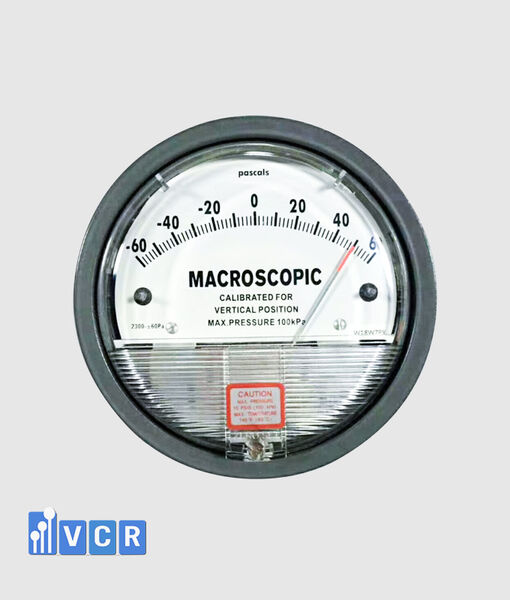
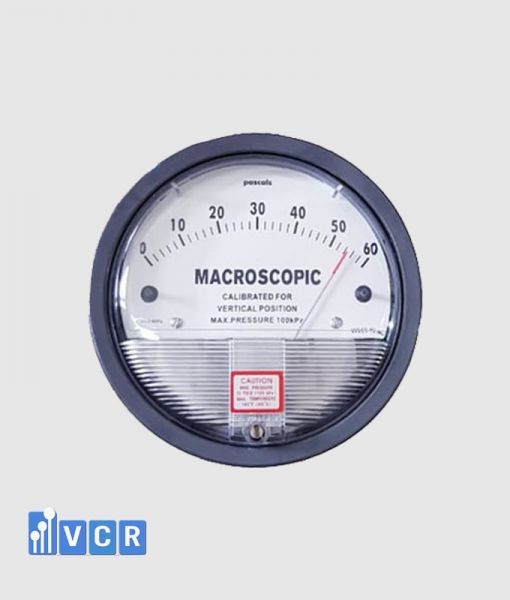
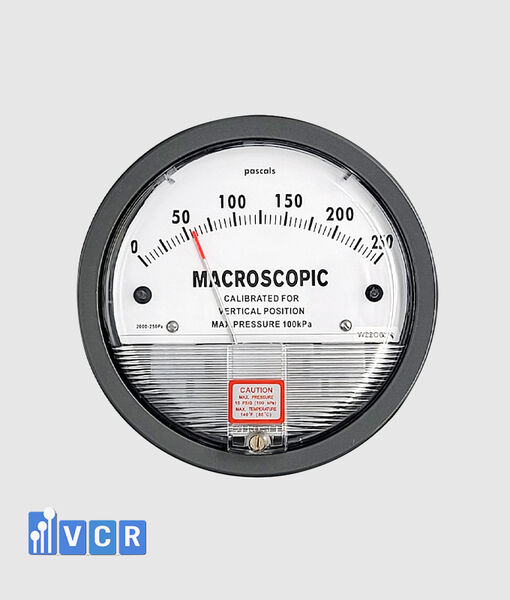
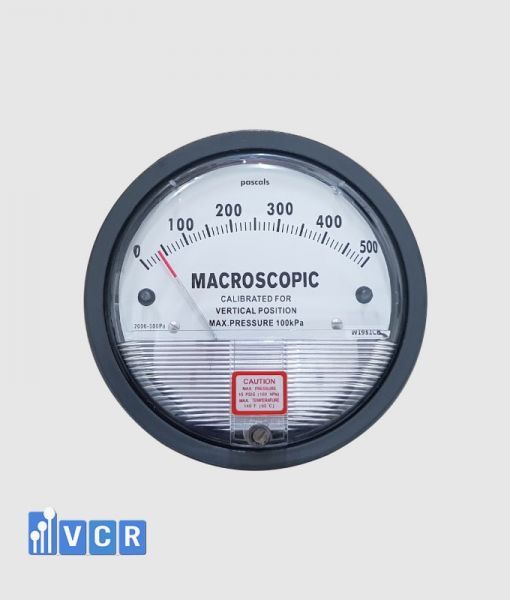
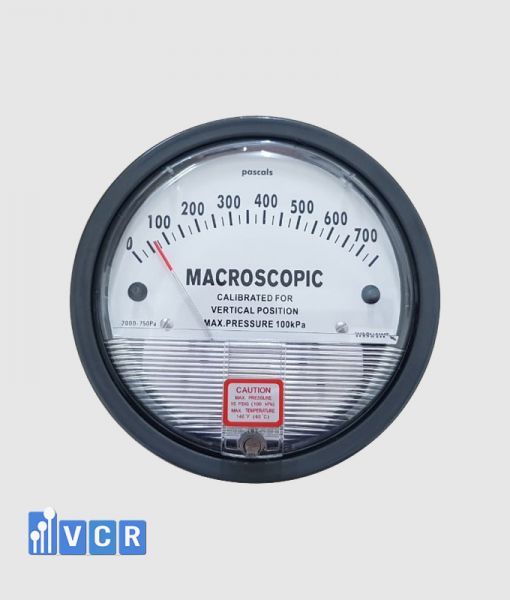
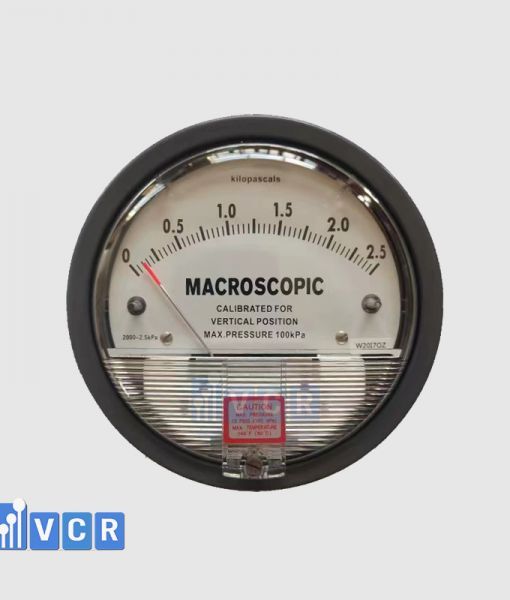
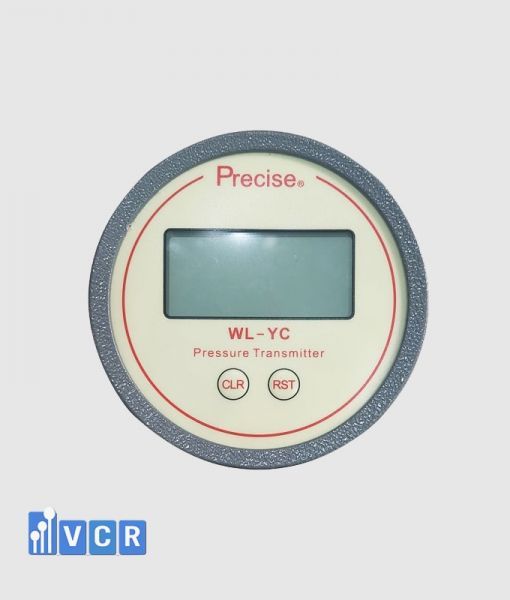
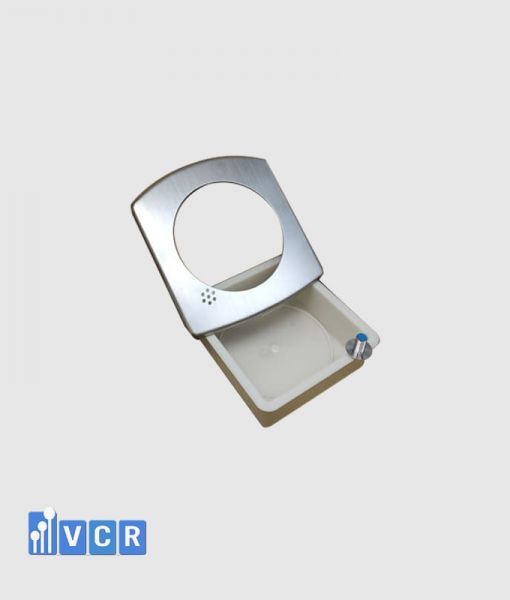
In pharmaceutical, electronics, cosmetics, and food manufacturing facilities, cleanroom differential pressure gauges are installed at airlocks, corridors, and controlled areas to monitor pressure differences between rooms. During cleanroom system implementation, many manufacturers use engineering solutions from Vietnam Cleanroom Equipment (VCR) to ensure stable pressure monitoring. The following questions address common operational topics encountered by cleanroom operators.
How does a cleanroom differential pressure gauge operate during production?
During production, a cleanroom differential pressure gauge continuously displays the pressure difference between two controlled areas. The instrument is typically connected to two pressure ports through small tubing lines. When the pressure between two rooms changes, the internal sensing mechanism responds and moves the pointer on the gauge dial.
Operators monitor the displayed value and compare it with the design pressure range of the cleanroom. If the value remains within the acceptable limit, the cleanroom environment is considered stable. If the reading deviates from the specified range, it may indicate issues such as doors being opened too long, clogged HEPA filters, or HVAC system imbalance.
How often should operators check the differential pressure gauge?
In GMP or ISO cleanroom facilities, differential pressure gauges are typically checked at regular intervals during each production shift. Operators often observe the gauge at the beginning of the shift and record the value in the environmental monitoring logbook.
In critical areas such as airlocks or aseptic production rooms, pressure readings may be checked several times per shift to ensure environmental stability. In modern facilities, differential pressure readings may also be integrated into automated environmental monitoring systems for continuous observation.
How should operators correctly read a differential pressure gauge?
Cleanroom differential pressure gauges usually display readings in Pascal (Pa) or kilopascal (kPa). Operators should observe the pointer position on the scale and compare the value with the design pressure limits defined for that specific room.
For example, pharmaceutical cleanrooms may maintain a pressure difference of around 10–15 Pa between adjacent rooms. If the pointer remains within this range, the pressure condition is considered acceptable. If the pointer drops close to zero or exceeds the expected range, operators should inspect doors, airflow conditions, or report the issue to technical staff.
When should operators stop production or report a technical issue?
Operators should notify the technical team or stop operations when the pressure difference exceeds the acceptable limits defined for the cleanroom system. For example, if the pressure difference between two classified areas drops close to 0 Pa, airflow control may be compromised.
Other warning signs include unstable pointer movement, sudden pressure drops, or readings that remain unchanged for an unusually long period. These conditions may indicate problems with pressure tubing, gauge malfunction, or HVAC system issues.
Do operators need training to use differential pressure gauges?
In GMP-compliant manufacturing environments, operators are typically trained on the basic operation of differential pressure gauges. The purpose of training is to help personnel recognize abnormal environmental conditions quickly.
Training usually includes how to read the scale, understand the design pressure limits of each cleanroom area, and follow standard procedures when pressure deviations occur. Proper training ensures that environmental issues are detected early before they affect product quality.
Do differential pressure gauges need to be turned on or off during operation?
Most mechanical differential pressure gauges do not require any power supply or switching during operation. The instrument functions entirely based on the pressure difference between two measurement points.
When the HVAC system is running, the gauge automatically displays the pressure difference. Operators only need to monitor and record the readings, which makes this device simple and reliable for cleanroom monitoring.
What does it mean if the gauge pointer fluctuates continuously?
Continuous pointer fluctuation may indicate pressure instability in the cleanroom system. This often occurs when doors are frequently opened or when the HVAC system is adjusting airflow rates.
In some cases, fluctuations may also result from mechanical vibration or issues with the pressure tubing. Operators should monitor the condition over time and inform technical personnel if the behavior persists.
Do operators need to record differential pressure data?
In many GMP manufacturing facilities, recording differential pressure readings is part of the environmental monitoring documentation. Operators typically record pressure values periodically to maintain a complete operational record.
These records help demonstrate that environmental conditions remain controlled throughout production. Historical data also helps identify pressure trends and detect potential issues before they escalate.
What should be done if the pressure difference drops below the required level?
If the pressure difference falls below the design value, operators should first check basic factors such as cleanroom doors, airlocks, or HVAC airflow conditions. A door left open or improperly sealed may quickly reduce pressure differences.
If the issue cannot be identified immediately, operators should report it to the engineering team for further inspection of filters, fans, or pressure monitoring lines.
Does a differential pressure gauge directly affect product quality?
The gauge itself does not directly affect the product. However, it monitors one of the most critical environmental parameters in a cleanroom: air pressure.
Proper pressure control ensures airflow moves from cleaner areas toward less clean areas, preventing contamination migration. Without proper pressure monitoring, the risk of cross contamination or particle intrusion may increase.
Should the differential pressure gauge be checked before each shift?
In many manufacturing facilities, checking the differential pressure gauge before starting a production shift is a routine verification step.
Operators confirm that the displayed pressure difference remains within the acceptable design range. If abnormal values are observed, production activities may be delayed until the environmental conditions are verified.
Does the differential pressure gauge require cleaning during operation?
Differential pressure gauges are usually installed on walls or monitoring panels and do not directly contact production materials. However, periodic cleaning of the external surface is recommended.
Cleaning ensures that the display window remains clear for easy reading and supports general hygiene requirements within the cleanroom environment.
Can operators adjust the differential pressure gauge themselves?
Operators should generally not adjust or recalibrate the gauge. Calibration or adjustment procedures should be performed by qualified technical personnel or specialized service providers.
Improper adjustments may result in inaccurate readings and compromise the environmental monitoring system.
What does it mean if the pointer does not move?
If the pointer does not move for an extended period, it may indicate that the cleanroom pressure conditions are extremely stable. However, it may also suggest possible issues such as blocked pressure tubing or gauge malfunction.
Operators should compare current readings with historical records or request a technical inspection if necessary.
Does opening a cleanroom door affect the differential pressure gauge?
When a door between two controlled areas is opened, the pressure difference may temporarily decrease because air can flow freely between the spaces. This is a normal short-term condition.
Once the door is closed, the HVAC system typically restores the designed pressure difference quickly. This recovery can often be observed directly on the gauge.
Can differential pressure gauges indicate HVAC system problems?
In many cases, abnormal pressure readings may serve as an early indicator of HVAC system problems. For example, reduced fan performance or clogged filters may alter airflow balance.
By monitoring pressure differences, operators may detect system performance issues before they significantly affect cleanroom conditions.
Do operators need to understand the internal structure of the gauge?
Operators do not need detailed engineering knowledge of the instrument. However, understanding the basic measurement principle helps them interpret readings more effectively.
Basic awareness of how pressure differences are measured also helps communication with maintenance personnel during troubleshooting.
Can differential pressure gauges be used in aseptic areas?
Differential pressure gauges are widely used throughout cleanroom facilities, including aseptic production areas. In these environments, maintaining pressure differences is critical for preventing contamination.
The gauge provides continuous monitoring to ensure the environmental conditions remain within the required specifications.
What happens to the gauge reading when the HVAC system stops?
When the HVAC system stops operating, airflow within the cleanroom is no longer maintained. As a result, the pressure difference between rooms typically drops close to zero.
This condition indicates that environmental control has been interrupted and that the system is not currently maintaining the designed pressure cascade.
Why are differential pressure gauges installed in visible locations?
In cleanroom design, differential pressure gauges are usually installed in corridors, airlocks, or near cleanroom entrances where they are easily visible.
This placement allows operators to quickly check environmental conditions before entering controlled areas and helps identify pressure changes early during operations.
DAP