
Maintaining proper pressure differentials is essential for contamination control in cleanrooms. Differential pressure gauges help monitor airflow direction and ensure compliance with standards such as ISO 14644, EU GMP Annex 1 and WHO GMP. This FAQ explains their role, regulatory relevance and operational requirements in GMP facilities.
- What is a cleanroom differential pressure gauge?
- Why is differential pressure important in cleanrooms?
- Is the differential pressure gauge related to ISO 14644?
- What does EU GMP Annex 1 require regarding pressure differentials?
- Does WHO GMP require differential pressure monitoring?
- Are differential pressure gauges required in cleanroom airlocks?
- Do differential pressure gauges require periodic calibration?
- Are differential pressure gauges included in IQ/OQ/PQ qualification?
- Do differential pressure gauges require validation?
- What pressure difference is typically used in cleanrooms?
- Can a differential pressure gauge indicate HVAC problems?
- How does differential pressure help prevent cross contamination?
- Where are differential pressure gauges installed in cleanrooms?
- What types of differential pressure gauges are used in cleanrooms?
- Can differential pressure gauges connect to building monitoring systems?
- Are differential pressure gauges checked during GMP audits?
- What is the role of differential pressure in HVAC systems?
- How accurate should differential pressure gauges be?
- Are differential pressure gauges used in laboratories?
- Why are differential pressure gauges considered essential cleanroom devices?
In cleanroom facilities, maintaining proper pressure differentials between areas is essential for contamination control and product safety. Differential pressure gauges are widely used to monitor this parameter and ensure correct airflow direction. In practical cleanroom engineering projects, such monitoring devices are often integrated as part of complete solutions supplied by specialized providers such as thiết bị phòng sạch VCR (Vietnam Cleanroom Equipment). The following FAQ explains key regulatory and technical aspects of differential pressure gauges used in GMP cleanrooms.
What is a cleanroom differential pressure gauge?
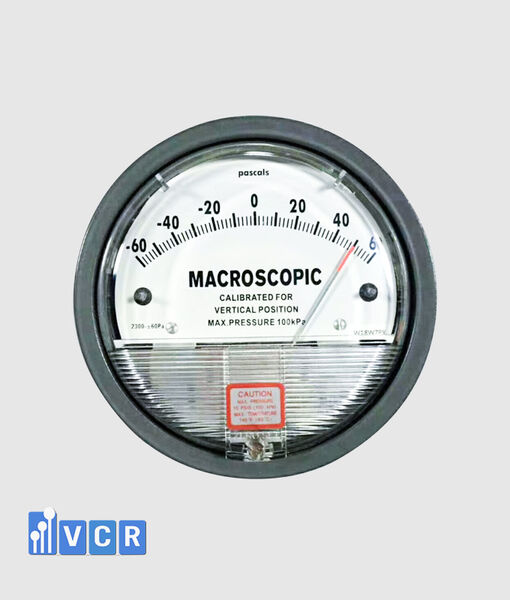
A cleanroom differential pressure gauge is a device used to measure the pressure difference between two areas in a controlled environment. In cleanroom applications, this measurement ensures that air flows from cleaner areas toward less clean zones, preventing contamination from entering critical production spaces.
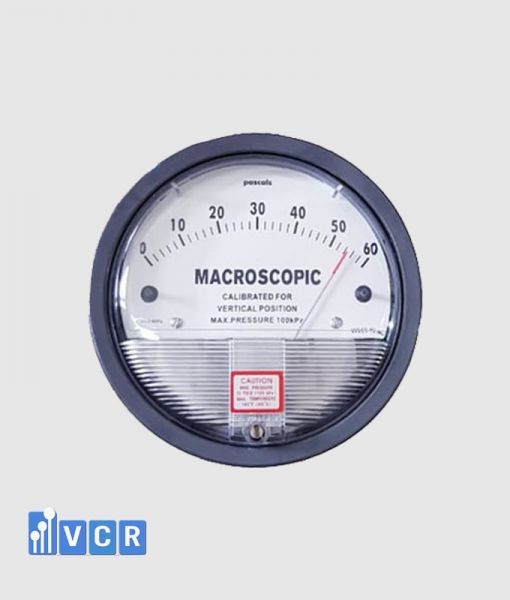
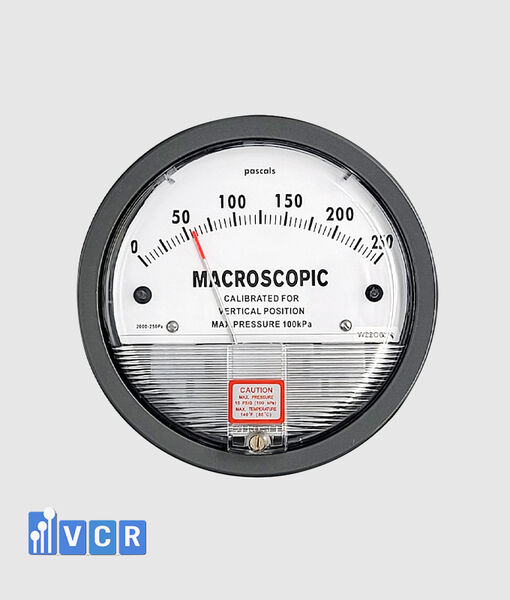
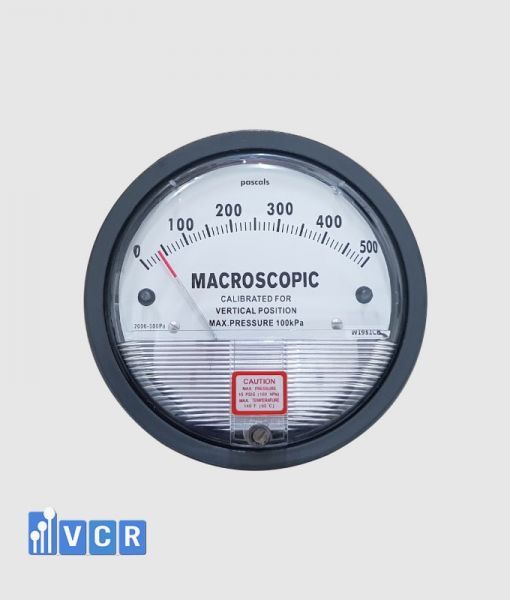
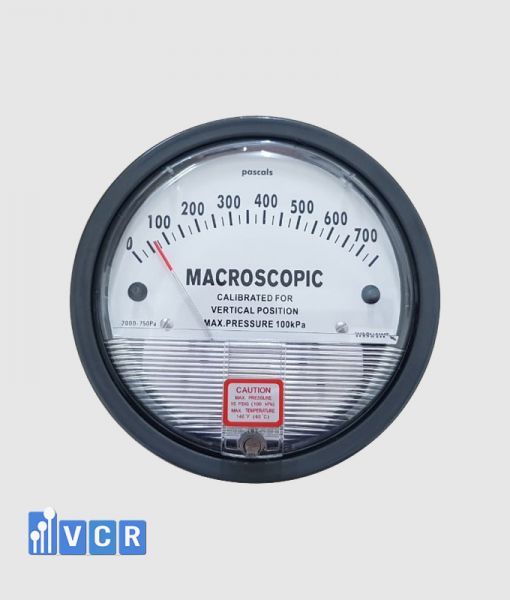
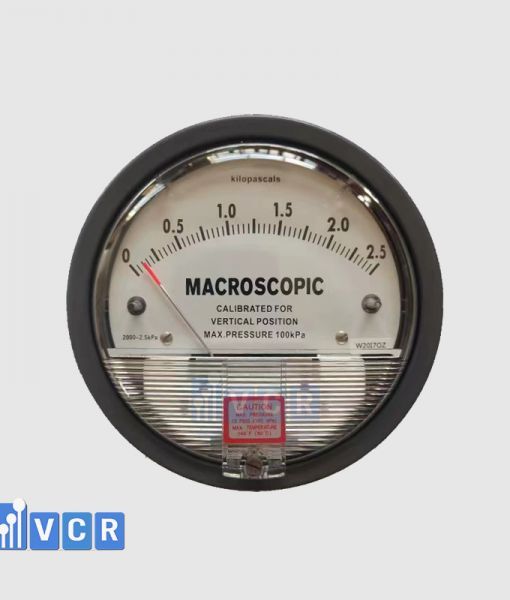
The device typically connects to two sampling points using small tubes, allowing it to measure pressure variations between rooms, airlocks, or corridors. The result is displayed through a mechanical dial gauge or digital sensor.
In pharmaceutical and semiconductor cleanrooms, maintaining stable pressure differentials is essential to ensure environmental control and regulatory compliance.
Why is differential pressure important in cleanrooms?
Differential pressure is critical because it controls airflow direction between rooms with different cleanliness classifications. When pressure is properly maintained, air always moves from the cleaner area to the less clean area, minimizing the risk of contamination.
If pressure balance is lost, air containing particles, microorganisms, or contaminants may enter critical production zones. This could compromise product quality or even result in batch rejection.
Monitoring pressure differentials therefore provides an early indication of ventilation or sealing problems within the cleanroom system.
Is the differential pressure gauge related to ISO 14644?
ISO 14644 is the international standard that defines cleanroom classification based on airborne particle concentration. While the standard primarily focuses on particle control, pressure differential is considered an important operational parameter for maintaining cleanroom performance.
Maintaining proper pressure relationships between rooms helps preserve the designed cleanliness classification defined by ISO standards. If airflow direction is not controlled, particles from adjacent spaces may migrate into cleaner zones.
For this reason, differential pressure monitoring is widely implemented in facilities designed according to ISO 14644 guidelines.
What does EU GMP Annex 1 require regarding pressure differentials?
EU GMP Annex 1 provides detailed requirements for sterile pharmaceutical manufacturing environments. One of its key principles is maintaining a pressure cascade between cleanroom zones to prevent contamination.
Typically, a minimum pressure difference of around 10–15 Pascals between adjacent areas is recommended. This pressure cascade ensures airflow moves in the correct direction when doors open or personnel move between rooms.
Differential pressure gauges or electronic monitoring systems are used to confirm that these pressure relationships remain stable during operation.
Does WHO GMP require differential pressure monitoring?
WHO GMP guidelines also emphasize environmental control within pharmaceutical production facilities. Pressure differentials between rooms are considered an important method for preventing cross-contamination.
Clean areas are usually maintained at higher pressure than surrounding spaces so that air flows outward rather than inward. This approach protects sensitive processes such as sterile filling or aseptic manufacturing.
To maintain this condition, pressure monitoring devices such as differential pressure gauges are commonly installed in cleanroom walls or airlock areas.
Are differential pressure gauges required in cleanroom airlocks?
Airlocks act as transition spaces between rooms with different cleanliness levels. They help maintain environmental control when personnel or materials move between areas.
Monitoring pressure in airlocks is essential because these zones control airflow between rooms. A differential pressure gauge confirms that the airlock maintains the correct pressure hierarchy.
Without pressure monitoring, contamination could easily pass through these transitional areas and compromise the cleanroom environment.
Do differential pressure gauges require periodic calibration?
Yes, differential pressure gauges should be calibrated periodically to ensure measurement accuracy. Over time, mechanical wear or environmental conditions may cause small measurement deviations.
In GMP environments, calibration is typically performed annually or according to the facility’s quality management system. Calibration is usually carried out by accredited metrology laboratories using traceable reference instruments.
Maintaining calibration records is also important for regulatory inspections and internal quality audits.
Are differential pressure gauges included in IQ/OQ/PQ qualification?
In GMP facilities, differential pressure gauges may be included within the qualification scope of the HVAC system or environmental monitoring system.
During Installation Qualification (IQ), the correct installation location, tubing connections and device identification are verified. Operational Qualification (OQ) confirms that the device measures pressure differences accurately within the expected operating range.
Performance Qualification (PQ) evaluates whether the system maintains stable pressure differentials under real production conditions.
Do differential pressure gauges require validation?
In most cases, differential pressure gauges are not validated individually as standalone equipment. Instead, they are part of the validated cleanroom environmental control system.
During cleanroom validation, parameters such as airflow, particle concentration, temperature, humidity and pressure differential are tested to confirm proper operation.
The gauge serves as an operational monitoring tool that verifies these validated conditions are maintained during routine production.
What pressure difference is typically used in cleanrooms?
A common pressure differential between cleanroom areas is approximately 10 to 15 Pascals. This range is usually sufficient to maintain directional airflow without causing difficulty when opening doors.
However, specific values may vary depending on the cleanroom design and regulatory requirements. Certain high-risk pharmaceutical processes may require higher pressure gradients.
The exact values should be determined during cleanroom design and confirmed during commissioning and qualification.
Can a differential pressure gauge indicate HVAC problems?
Yes, abnormal pressure readings often indicate potential issues within the HVAC system. For example, clogged filters, malfunctioning fans, or air leakage can disrupt pressure balance.
A sudden drop in differential pressure may indicate that airflow supply has decreased. Conversely, an unusually high pressure difference may suggest airflow restriction.
By monitoring these changes, maintenance teams can identify and correct HVAC problems before they affect cleanroom performance.
How does differential pressure help prevent cross contamination?
Pressure differentials create controlled airflow patterns within a facility. By maintaining higher pressure in cleaner areas, air naturally flows toward areas with lower pressure.
This airflow direction prevents particles, microorganisms or chemical contaminants from entering critical production spaces.
Therefore, maintaining pressure differentials is one of the most effective engineering controls used in pharmaceutical cleanroom design.
Where are differential pressure gauges installed in cleanrooms?
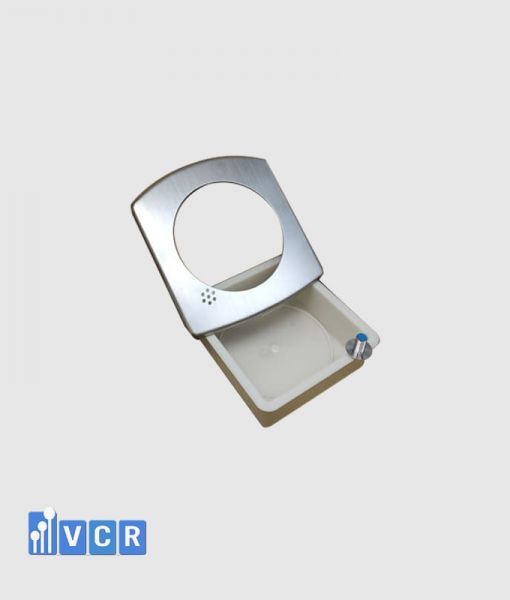
Differential pressure gauges are usually installed on the wall between two rooms or near the entrance door of a cleanroom. This location allows operators to quickly check pressure conditions when entering the area.
In some facilities, gauges are also installed in corridors, airlocks, or critical processing rooms.
The goal is to ensure that pressure conditions can be easily monitored during daily operations.
What types of differential pressure gauges are used in cleanrooms?
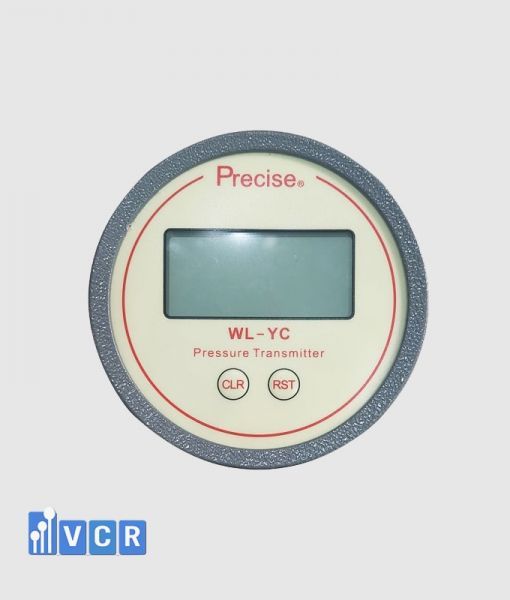
Two main types of differential pressure devices are commonly used: mechanical dial gauges and electronic pressure transmitters.
Mechanical gauges are simple and reliable, displaying pressure differences using a pointer and scale. They do not require power and are widely used for local monitoring.
Electronic transmitters provide digital signals that can be integrated into building monitoring systems for continuous recording and alarms.
Can differential pressure gauges connect to building monitoring systems?
Yes, electronic differential pressure sensors can be integrated with Building Management Systems (BMS) or Environmental Monitoring Systems (EMS).
These systems allow engineers to observe pressure trends in real time and receive alerts if the pressure falls outside the acceptable range.
Automated monitoring improves response time and provides historical data for compliance documentation.
Are differential pressure gauges checked during GMP audits?
During GMP inspections, regulators often review environmental control systems, including pressure monitoring devices.
Auditors may check whether gauges are properly installed, calibrated, and maintained. They may also review calibration certificates and maintenance records.
Proper documentation helps demonstrate that the facility maintains environmental conditions required for safe pharmaceutical production.
What is the role of differential pressure in HVAC systems?
HVAC systems control airflow supply and exhaust in cleanrooms. By adjusting airflow rates, the system creates pressure differences between rooms.
Differential pressure gauges verify that the HVAC system maintains the intended airflow balance.
If pressure values deviate from design specifications, it may indicate that airflow adjustments or maintenance are required.
How accurate should differential pressure gauges be?
Measurement accuracy is important because incorrect readings could lead to incorrect operational decisions. If the gauge displays inaccurate values, operators may assume the cleanroom is functioning properly when it is not.
Therefore, devices should be selected with suitable measurement ranges and accuracy levels appropriate for cleanroom applications.
Regular calibration helps ensure measurement reliability.
Are differential pressure gauges used in laboratories?
Yes, laboratories frequently use differential pressure monitoring as well. In biosafety laboratories, negative pressure environments are often used to prevent hazardous microorganisms from escaping.
Pressure monitoring ensures that the laboratory maintains negative pressure relative to adjacent spaces.
Differential pressure gauges provide a simple visual confirmation that these safety conditions remain stable.
Why are differential pressure gauges considered essential cleanroom devices?
In cleanroom engineering, controlling airflow direction is fundamental to contamination control. Pressure differentials create the airflow patterns that protect critical processes and products.
Differential pressure gauges provide a simple and reliable method to monitor this condition continuously.
Because of their role in environmental control, these devices are considered a standard component in most pharmaceutical, electronics, and biotechnology cleanroom facilities.
DAP