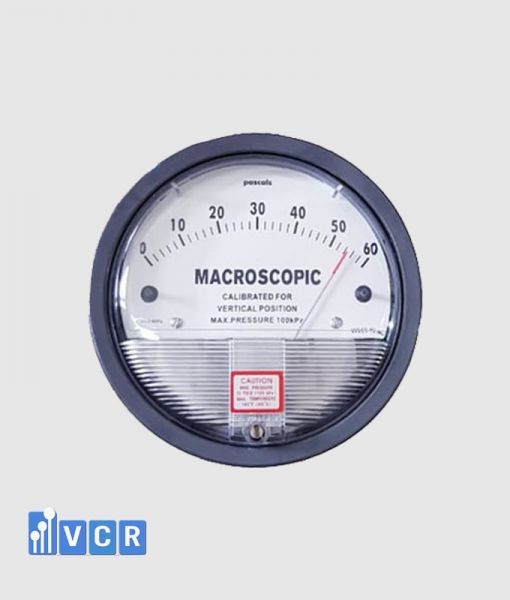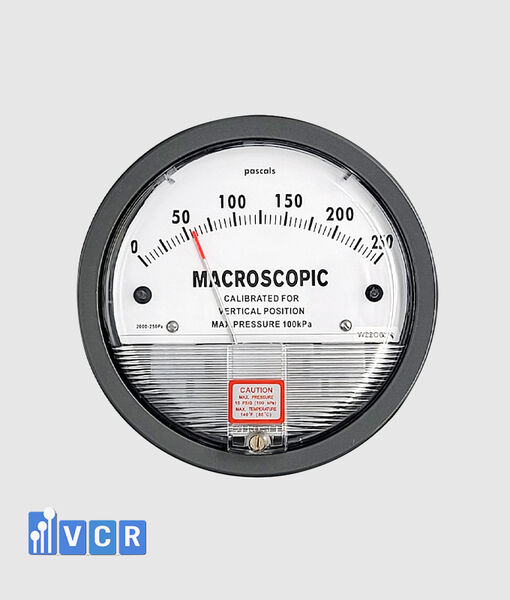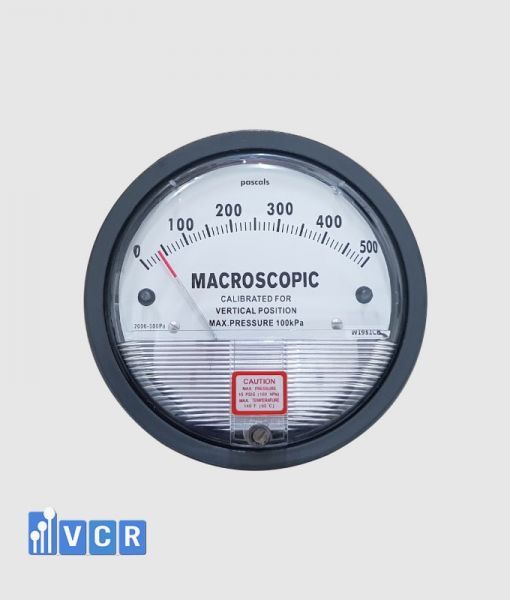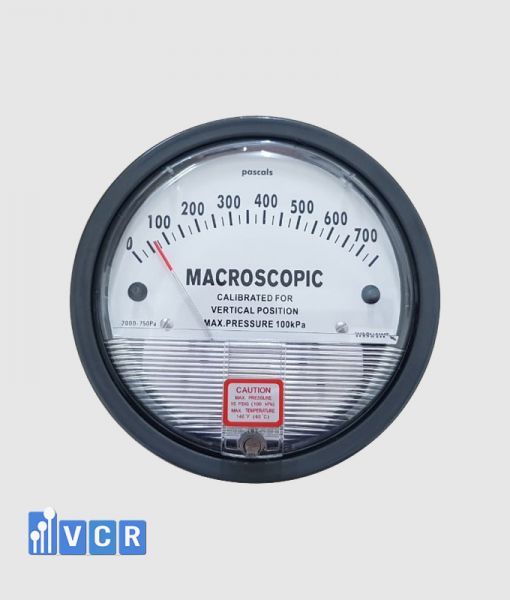

Cleanroom differential pressure gauges are essential devices used to monitor pressure differences between areas and maintain the pressure cascade in cleanroom systems. This FAQ explains the design, structure, and operating principles of the device, with practical references to solutions from VCR Cleanroom Equipment.
- What are the main components of a cleanroom differential pressure gauge?
- What types of cleanroom differential pressure gauges are available?
- What is the operating principle of a cleanroom differential pressure gauge?
- What systems can differential pressure gauges be integrated with?
- How do the pressure ports of a differential pressure gauge function?
- How is the housing of a differential pressure gauge designed?
- What are the characteristics of the display dial in a differential pressure gauge?
- What is the Magnehelic mechanism in a differential pressure gauge?
- What is the structure of an electronic differential pressure gauge?
- Can differential pressure gauges be flush-mounted into walls?
- Do differential pressure gauges require vibration dampers?
- Do differential pressure gauges require pressure filters?
- Can differential pressure gauges be connected to alarm systems?
- What pressure ranges can differential pressure gauges measure?
- Where are differential pressure gauges typically installed?
- Do differential pressure gauges require periodic maintenance?
In cleanroom systems, differential pressure gauges are essential technical devices used to monitor the pressure difference between adjacent areas. Beyond measurement, these devices are designed with specialized mechanical or electronic structures to ensure high accuracy and stability in controlled environments. Cleanroom solution providers such as VCR Cleanroom Equipment often select and integrate suitable differential pressure gauges into HVAC and cleanroom systems to maintain stable operating conditions and comply with standards such as ISO 14644 or GMP. The following FAQ section focuses on the technical aspects of the device, explaining its design, structure, and operating principles.
What are the main components of a cleanroom differential pressure gauge?
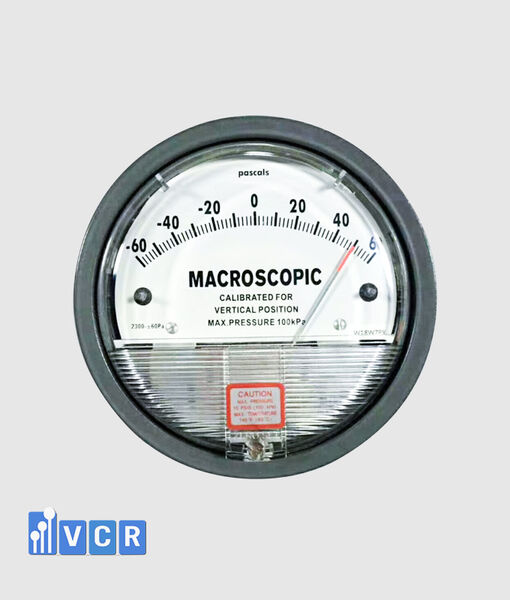
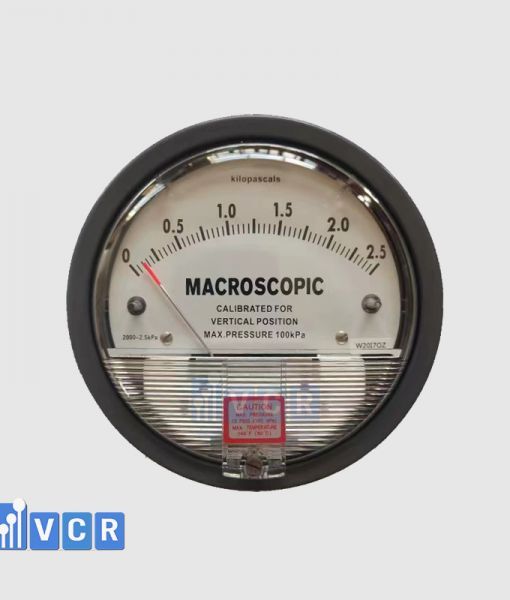
A cleanroom differential pressure gauge typically consists of several main components, including the device housing, display dial, pointer, pressure sensing mechanism, and two pressure ports. The pressure ports are connected to two areas with different pressure levels within the cleanroom system. Inside the device, the sensing mechanism—often a diaphragm or Magnehelic mechanism—converts the pressure difference into mechanical movement that drives the pointer on the display dial. The dial is designed with clear pressure scales, usually in Pascal or kilopascal, so operators can easily read the measurement. In many cleanroom systems, VCR Cleanroom Equipment selects robust differential pressure gauges designed for reliable operation in controlled production environments.
What types of cleanroom differential pressure gauges are available?
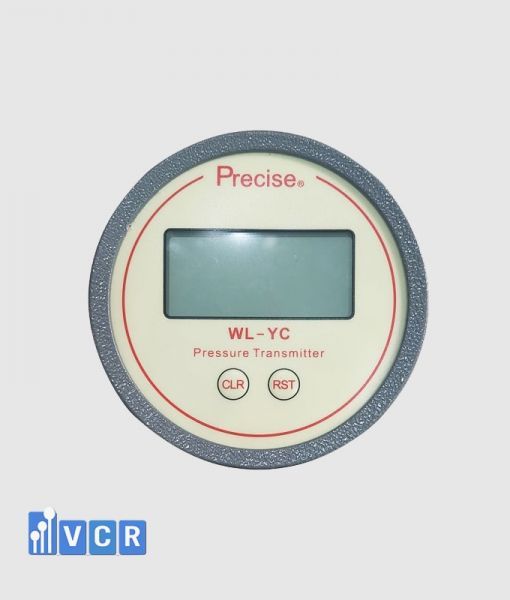
Cleanroom differential pressure gauges are generally categorized into two main types: mechanical gauges and electronic gauges. Mechanical gauges use a mechanical mechanism to display the pressure difference directly on a dial, with Magnehelic gauges being one of the most common examples. Electronic differential pressure gauges use pressure sensors and display readings digitally, often with the ability to transmit data to centralized monitoring systems. Each type has advantages depending on the level of automation required in a facility. In many cleanroom projects, VCR Cleanroom Equipment helps manufacturers select the most suitable gauge type based on operational requirements and HVAC system design.
What is the operating principle of a cleanroom differential pressure gauge?
The operating principle of a differential pressure gauge is based on comparing the pressure between two points. The device’s two pressure ports are connected to the areas being monitored. When a pressure difference occurs, the internal sensing mechanism reacts to the pressure force. In mechanical gauges, this force deforms a diaphragm and causes the pointer to rotate across the dial. In electronic gauges, pressure sensors convert the pressure difference into electrical signals that are processed and displayed digitally. This mechanism allows the device to display accurate differential pressure readings in real time. In many modern cleanroom systems, VCR Cleanroom Equipment uses high-sensitivity gauges to ensure precise environmental monitoring.
What systems can differential pressure gauges be integrated with?
In modern industrial facilities, differential pressure gauges can be integrated with several technical systems rather than operating independently. They are commonly connected to HVAC systems to monitor airflow balance and pressure conditions within the cleanroom. Electronic differential pressure gauges can also transmit signals to Building Management Systems (BMS) or Environmental Monitoring Systems (EMS). Such integration enables real-time monitoring and data recording of pressure conditions throughout the facility. In many cleanroom projects, VCR Cleanroom Equipment recommends integrating differential pressure gauges with monitoring systems to enhance environmental control and operational reliability.
How do the pressure ports of a differential pressure gauge function?
Pressure ports are essential components that connect the differential pressure gauge to the two areas being measured. Typically, the device has two ports: one for the higher pressure side and one for the lower pressure side. These ports are connected through tubing to the cleanroom areas or HVAC ducts. When the pressure difference changes between the two locations, the variation is transmitted through the tubing into the sensing mechanism inside the gauge. The design of the pressure ports must ensure airtight connections to prevent measurement errors. In many cleanroom systems, VCR Cleanroom Equipment uses standardized fittings and tubing to ensure accurate pressure measurement.
How is the housing of a differential pressure gauge designed?
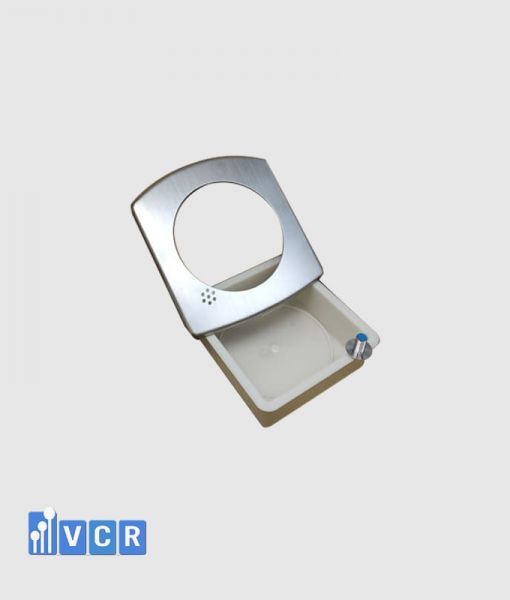
The housing of a differential pressure gauge is designed to protect the internal sensing mechanism from dust, moisture, and mechanical impacts. In cleanroom environments, the housing is typically made from durable metal or engineered plastic materials. The enclosure must be sealed and structurally stable to prevent external factors from affecting measurement accuracy. Many gauges are also designed for flush mounting on walls or installation in control panels. In cleanroom engineering projects, VCR Cleanroom Equipment often selects differential pressure gauges with durable housings that match the structural design of the cleanroom facility.
What are the characteristics of the display dial in a differential pressure gauge?
The display dial of a differential pressure gauge is designed for clear and easy reading during operation. The scale is typically marked in Pascal or kilopascal, with evenly spaced divisions for accurate measurement interpretation. Some gauges also include colored zones that indicate safe operating ranges for the cleanroom pressure system. The dial must remain easily visible even when the device is installed on walls or control panels. In many cleanroom installations, VCR Cleanroom Equipment selects gauges with large display dials to improve visibility and support quick operational monitoring.
What is the Magnehelic mechanism in a differential pressure gauge?
The Magnehelic mechanism is a commonly used sensing system in mechanical differential pressure gauges. It combines magnetic coupling with a diaphragm sensing element to convert pressure differences into rotational movement of the gauge pointer. One of the advantages of the Magnehelic design is its high sensitivity and quick response to small pressure changes. It is also resistant to vibration and mechanical disturbance. Because of these characteristics, Magnehelic gauges are widely used in cleanrooms where pressure differences are often only a few Pascal. In many projects, VCR Cleanroom Equipment selects Magnehelic differential pressure gauges to ensure accurate monitoring.
What is the structure of an electronic differential pressure gauge?
Electronic differential pressure gauges use pressure sensors instead of mechanical components to measure pressure differences. The sensors convert pressure into electrical signals, which are processed and displayed on a digital screen. In addition to measurement, many electronic gauges can transmit data through analog outputs or communication protocols. This allows integration with centralized monitoring systems. Electronic gauges are often used in facilities with high automation levels where environmental data must be recorded continuously. In many modern cleanroom installations, VCR Cleanroom Equipment recommends electronic differential pressure gauges to improve environmental data management.
Can differential pressure gauges be flush-mounted into walls?
In cleanroom design, differential pressure gauges are often installed flush with the wall surface to maintain aesthetics and improve usability. Flush mounting allows the device to become part of the cleanroom wall structure while remaining easily visible to operators. This installation method also reduces the risk of accidental impacts from personnel or equipment. Additionally, flush-mounted gauges support better integration with cleanroom panel systems. In many cleanroom construction projects, VCR Cleanroom Equipment designs mounting frames that allow differential pressure gauges to be installed flush with cleanroom walls.
Do differential pressure gauges require vibration dampers?
In environments where mechanical vibration is present, vibration dampers may be used to stabilize the measurement performance of differential pressure gauges. Dampers help protect the internal sensing mechanism and reduce measurement fluctuations caused by vibration. However, in most cleanroom environments, vibration levels are relatively low, so many gauges can operate reliably without additional damping components. During system design, VCR Cleanroom Equipment evaluates installation conditions to determine whether vibration protection is necessary.
Do differential pressure gauges require pressure filters?
In certain cases, pressure tubing may carry small particles or moisture that could affect the sensing mechanism. Pressure filters can be installed to protect the internal components of the gauge from contamination. This helps extend the lifespan of the device and maintain measurement accuracy. In high-precision cleanroom systems, pressure filters are sometimes installed before the pressure ports. In many cleanroom projects, VCR Cleanroom Equipment recommends protective accessories to ensure long-term stability of differential pressure gauges.
Can differential pressure gauges be connected to alarm systems?
Many electronic differential pressure gauges include alarm functions that activate when pressure values exceed predefined limits. When this occurs, the system can send signals or trigger alarms to notify operators to inspect HVAC systems or cleanroom doors. Early detection of pressure deviations helps prevent environmental instability and potential contamination risks. In modern cleanroom facilities, VCR Cleanroom Equipment often integrates differential pressure gauges with alarm systems to improve operational safety.
What pressure ranges can differential pressure gauges measure?
The pressure ranges used in cleanroom differential pressure monitoring are typically small compared to industrial pressure applications. Common measurement ranges include 0–30 Pa, 0–60 Pa, or 0–250 Pa depending on the cleanroom design. Selecting the appropriate measurement range is important to maintain high sensitivity. If the range is too large, the gauge may not detect small pressure variations accurately. In many cleanroom projects, VCR Cleanroom Equipment selects pressure ranges that match the pressure cascade design of the facility.
Where are differential pressure gauges typically installed?
Differential pressure gauges are installed at locations where pressure differences between two areas must be monitored. Common installation points include cleanroom doors, airlocks, corridors, and transition areas between rooms. Proper placement allows operators to easily observe pressure values and quickly detect abnormal changes. In many industrial cleanroom projects, VCR Cleanroom Equipment designs installation layouts that ensure effective monitoring of pressure conditions throughout the facility.
Do differential pressure gauges require periodic maintenance?
Differential pressure gauges should be inspected and maintained periodically to ensure measurement accuracy. Maintenance activities may include checking pressure tubing, cleaning the device, and recalibrating the gauge when necessary. In pharmaceutical or medical device production environments, maintenance and calibration activities are typically documented as part of the facility’s quality management system. This ensures that measurement devices continue to meet regulatory standards. In many cleanroom projects, VCR Cleanroom Equipment recommends regular maintenance schedules for differential pressure monitoring systems.
DAP