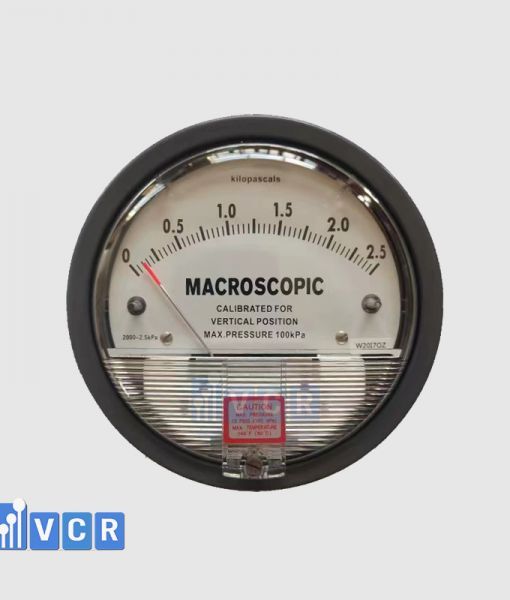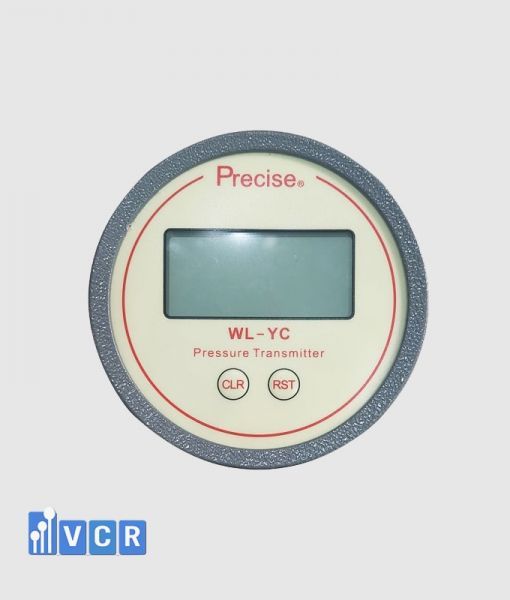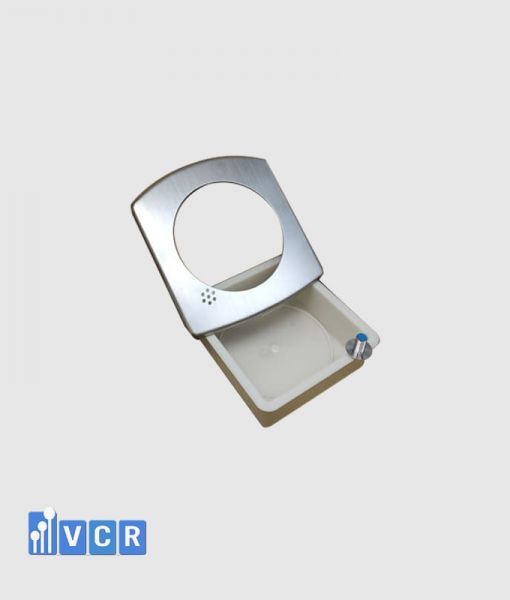

Proper installation of differential pressure gauges is essential for accurate monitoring of cleanroom pressure cascades. This FAQ explains installation procedures, positioning, tubing layout, and common mistakes to help engineers ensure reliable pressure monitoring in GMP cleanrooms.
- What is the standard installation procedure for a cleanroom differential pressure gauge?
- Where should differential pressure gauges be installed in cleanrooms?
- What is the recommended mounting height for pressure gauges?
- How far apart should pressure sampling points be?
- What tubing should be used for pressure connections?
- Should the gauge be installed flush with the cleanroom wall panel?
- How should pressure ports be installed in the wall?
- Should the tubing length be minimized?
- Do pressure tubes need protection from physical damage?
- What common mistakes occur during installation?
- Should gauges be tested after installation?
- Do differential pressure gauges need commissioning checks?
- Should the gauge be calibrated before operation?
- How should gauges be labeled during installation?
- Is vibration isolation necessary for gauge installation?
- Should pressure ports face airflow direction?
- What checklist should be used during installation acceptance?
- Should gauges be accessible for maintenance?
- Do pressure gauges need protective covers?
- Why is correct installation important for pressure monitoring?
In cleanroom facilities, differential pressure gauges play a critical role in verifying pressure cascades between rooms. Proper installation ensures accurate readings and reliable monitoring of airflow direction. In many pharmaceutical and electronics cleanroom projects, these devices are installed as part of integrated environmental monitoring systems implemented by specialized providers such as thiết bị phòng sạch VCR (Vietnam Cleanroom Equipment). The following FAQ explains key installation practices used by engineers during cleanroom construction and commissioning.
What is the standard installation procedure for a cleanroom differential pressure gauge?
The installation process typically begins with confirming the design pressure cascade between adjacent rooms. Engineers must verify the measurement points defined in the HVAC or cleanroom layout drawings.
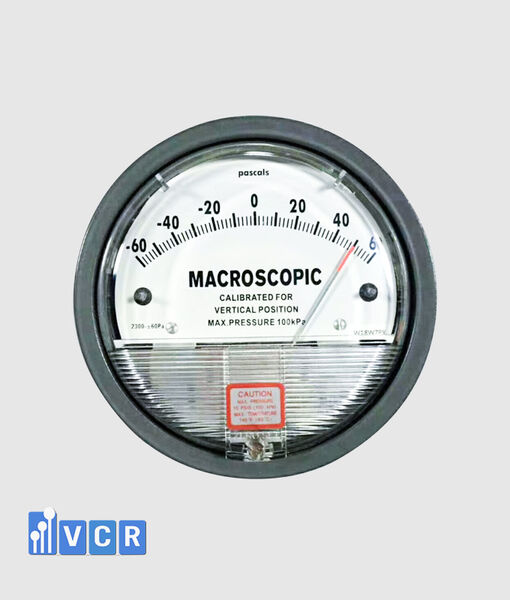
Next, the gauge is mounted on the wall panel or partition between the two areas being monitored. Pressure sampling tubes are connected from each room to the gauge ports.
After installation, technicians check tubing connections, ensure there are no leaks, and verify that the gauge responds correctly to pressure differences.
Final testing confirms that the instrument provides stable and accurate readings.
Where should differential pressure gauges be installed in cleanrooms?
Differential pressure gauges are usually installed on the wall separating two rooms with different cleanliness levels. This location allows the gauge to directly measure the pressure difference between the spaces.
Another common location is near cleanroom doors or in airlocks where pressure cascades must be monitored carefully.
The goal is to place the instrument where operators can easily observe pressure conditions while moving through the facility.
Proper placement improves monitoring efficiency and helps detect abnormal pressure changes quickly.
What is the recommended mounting height for pressure gauges?
Mounting height should allow easy reading by operators and technicians. In most facilities, gauges are installed at approximately eye level, typically between 1.4 and 1.6 meters from the floor.
This height ensures that staff can quickly check pressure conditions without bending or reaching.
Consistent mounting height across the facility also improves operational standardization and simplifies routine inspections.
How far apart should pressure sampling points be?
Pressure sampling points should represent the actual pressure conditions of the two spaces being measured. Typically, each sampling port is installed directly in the wall of the room it represents.
The distance between sampling points depends on the wall thickness and room configuration.
In most installations, the two pressure ports are connected to the gauge through short tubing lines that minimize measurement delay or signal loss.
What tubing should be used for pressure connections?
Flexible plastic tubing or silicone tubing is commonly used to connect the pressure ports to the gauge.
The tubing should be resistant to aging, flexible enough for installation, and compatible with cleanroom environments.
It is important that the tubing diameter matches the gauge fittings and that connections are properly sealed.
Using suitable tubing materials helps maintain measurement accuracy and long-term reliability.
Should the gauge be installed flush with the cleanroom wall panel?
In many modern cleanroom designs, gauges are installed flush with the wall panel. This approach provides a clean and professional appearance while minimizing surfaces where dust could accumulate.
Flush mounting also protects the instrument from accidental impact.
Panel-mounted gauges are therefore widely used in pharmaceutical and semiconductor cleanroom facilities.
How should pressure ports be installed in the wall?
Pressure ports are typically small fittings installed through the wall or panel separating the two rooms.
Each port connects to a tubing line that carries pressure from the room to the gauge.
Ports should be sealed properly to prevent air leakage and should be positioned so they are not obstructed by equipment or airflow.
Correct installation ensures accurate pressure measurement.
Should the tubing length be minimized?
Yes, shorter tubing lengths help improve measurement response time and reduce the risk of pressure signal delay.
Long tubing lines may introduce measurement lag or reduce sensitivity.
Therefore, pressure gauges are usually installed close to the rooms being monitored to keep tubing lengths as short as possible.
Do pressure tubes need protection from physical damage?
Yes, tubing lines should be routed carefully to avoid mechanical damage or accidental disconnection.
In some installations, protective conduits or cable trays are used to protect the tubing.
Proper routing helps ensure long-term reliability and prevents leaks in the pressure measurement system.
What common mistakes occur during installation?
Several common mistakes can affect measurement accuracy. One frequent issue is connecting the high-pressure and low-pressure ports incorrectly.
Another mistake is installing tubing with leaks or loose fittings.
Incorrect mounting positions or excessively long tubing can also affect measurement response.
Careful installation and inspection can prevent these issues.
Should gauges be tested after installation?
Yes, functional testing should be performed immediately after installation.
Technicians may create a small pressure difference between the two sampling points to confirm that the gauge responds correctly.
This test verifies that the device is properly connected and functioning before the cleanroom becomes operational.
Do differential pressure gauges need commissioning checks?
During cleanroom commissioning, all monitoring devices should be inspected and verified.
Engineers check installation position, tubing integrity, and instrument operation.
The gauge readings are also compared with reference measurements to confirm accuracy.
Commissioning ensures that the monitoring system functions correctly before production begins.
Should the gauge be calibrated before operation?
In many facilities, gauges are calibrated before the cleanroom begins operation.
Calibration verifies that the instrument measures pressure accurately within the specified range.
The calibration certificate becomes part of the facility’s quality documentation.
This step is important for compliance with quality management systems.
How should gauges be labeled during installation?
Each gauge should be labeled with identification information corresponding to the room or pressure cascade it monitors.
Labels help operators understand which areas are being measured and simplify maintenance or inspection.
Clear labeling also supports documentation and traceability.
Is vibration isolation necessary for gauge installation?
In most cleanroom environments, vibration levels are relatively low. However, in areas near large HVAC equipment, vibration may affect measurement stability.
Installing the gauge on a stable panel surface helps minimize this effect.
Stable mounting ensures that the pointer movement reflects actual pressure changes rather than mechanical vibration.
Should pressure ports face airflow direction?
Pressure ports should be positioned so that they measure static pressure rather than direct airflow velocity.
If the port faces a strong air stream, it may distort the pressure measurement.
Proper orientation helps maintain accurate readings.
What checklist should be used during installation acceptance?
An installation checklist typically includes verification of mounting position, tubing connections, sealing quality, and gauge orientation.
Technicians should also confirm that the correct pressure ports are connected and that the device displays zero when both ports are equalized.
Completing a checklist helps ensure consistent installation quality.
Should gauges be accessible for maintenance?
Yes, gauges should be installed in locations that allow easy inspection, cleaning, and replacement if necessary.
Accessibility simplifies calibration and maintenance activities.
This design consideration helps reduce downtime during service operations.
Do pressure gauges need protective covers?
In areas with high traffic or equipment movement, protective covers can help prevent accidental damage.
Covers also protect the gauge surface from impact or contamination.
However, they should not obstruct visibility of the dial.
Why is correct installation important for pressure monitoring?
Accurate installation ensures that the gauge measures true pressure differences between rooms.
Improper installation can lead to inaccurate readings, which may result in incorrect operational decisions.
Reliable installation therefore supports stable airflow control and effective contamination management within cleanroom facilities.
DAP