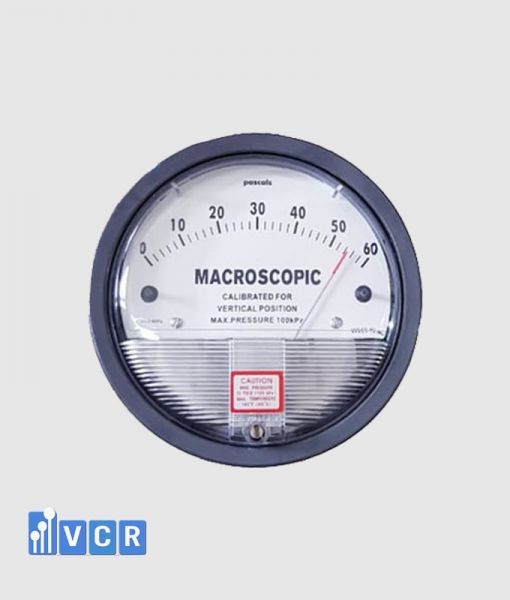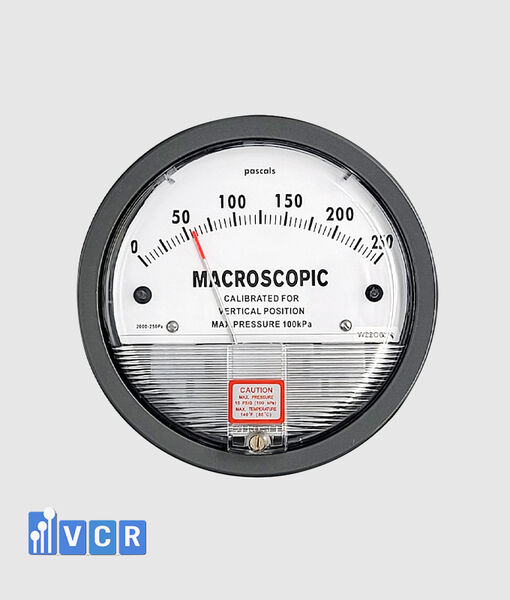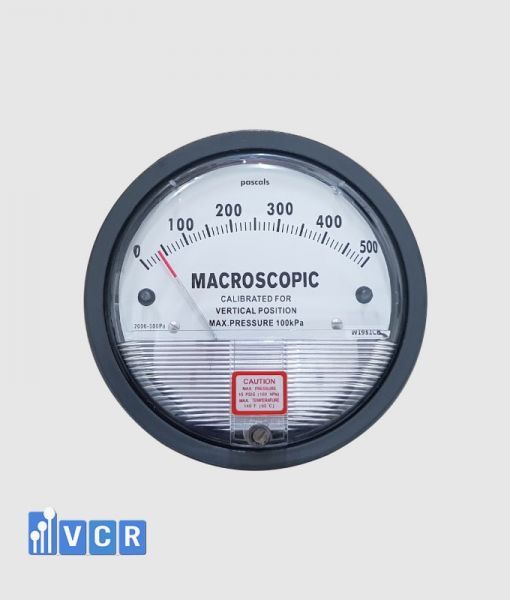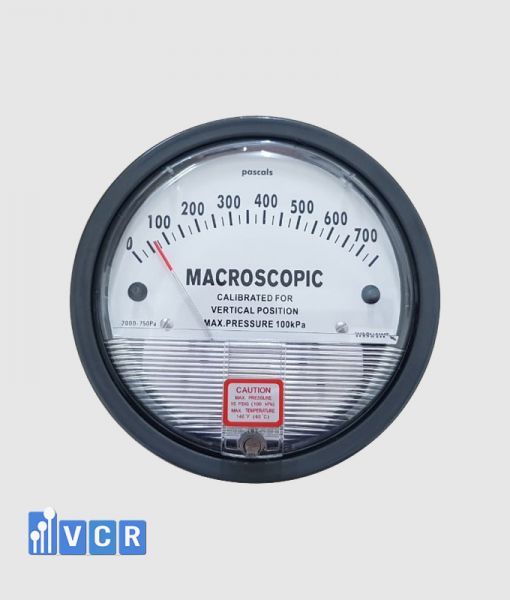

Cleanroom differential pressure gauges are used to monitor pressure differences between areas to maintain controlled airflow and prevent contamination. This FAQ explains the basic concept, function, and role of the device in cleanroom systems, with references to solutions from VCR Cleanroom Equipment.
- What is a cleanroom differential pressure gauge?
- What is the purpose of a cleanroom differential pressure gauge?
- How does a differential pressure gauge work?
- What is the role of a differential pressure gauge in a cleanroom?
- When should a cleanroom differential pressure gauge be used?
- What is cleanroom pressure differential?
- What is positive pressure in a cleanroom?
- What is negative pressure in a cleanroom?
- What is the typical pressure differential in cleanrooms?
- Where are differential pressure gauges typically installed in cleanrooms?
- What types of differential pressure gauges are used in cleanrooms?
- Why is continuous pressure monitoring important in cleanrooms?
- How are differential pressure gauges related to HVAC systems?
- Do differential pressure gauges require calibration?
- Can differential pressure gauges help detect system failures?
- How is a differential pressure gauge different from a regular pressure gauge?
- Does a differential pressure gauge affect product quality?
- Are differential pressure gauges mandatory in cleanrooms?
- How do you read values on a differential pressure gauge?
- Can differential pressure gauges be connected to monitoring systems?
- Why are differential pressure gauges considered essential cleanroom devices?
Cleanrooms used in pharmaceutical, electronics, food, and medical device industries require strict control of pressure differences between areas to prevent cross-contamination and maintain clean airflow. One of the most important devices used to monitor this parameter is the cleanroom differential pressure gauge. In modern cleanroom systems, this device is commonly installed on walls, airlocks, pass boxes, or HVAC systems to monitor pressure in real time. Solution providers such as VCR Cleanroom Equipment often integrate differential pressure gauges into cleanroom design to help factories maintain stable operating conditions and comply with standards such as ISO 14644 or GMP. The following frequently asked questions help clarify the definition and role of this device.
What is a cleanroom differential pressure gauge?
A cleanroom differential pressure gauge is a device used to measure and display the pressure difference between two areas within a cleanroom system. The pressure difference is typically expressed in Pascal (Pa) or kilopascal (kPa) and indicates whether a room maintains positive or negative pressure relative to adjacent spaces. In practical operation, this device ensures that airflow moves in the intended direction, usually from cleaner areas to less clean areas. In many pharmaceutical and electronics cleanroom projects, VCR Cleanroom Equipment integrates differential pressure gauges into walls or control panels so technicians can easily monitor pressure conditions during operation.
What is the purpose of a cleanroom differential pressure gauge?
The main function of a differential pressure gauge is to monitor the pressure difference between two spaces to ensure that the cleanroom environment maintains the required design conditions. When pressure differences are properly controlled, airflow follows a predetermined direction, preventing dust, microorganisms, or airborne particles from moving in the wrong direction. This is especially critical in pharmaceutical, cosmetic, and medical device manufacturing. In many technical systems, solution providers such as VCR Cleanroom Equipment install differential pressure gauges at room doors, airlocks, or pass boxes so operators can quickly detect when pressure levels exceed allowable limits.
How does a differential pressure gauge work?
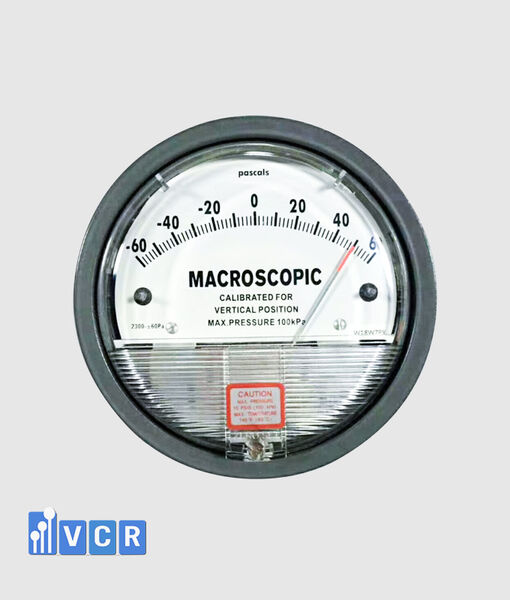
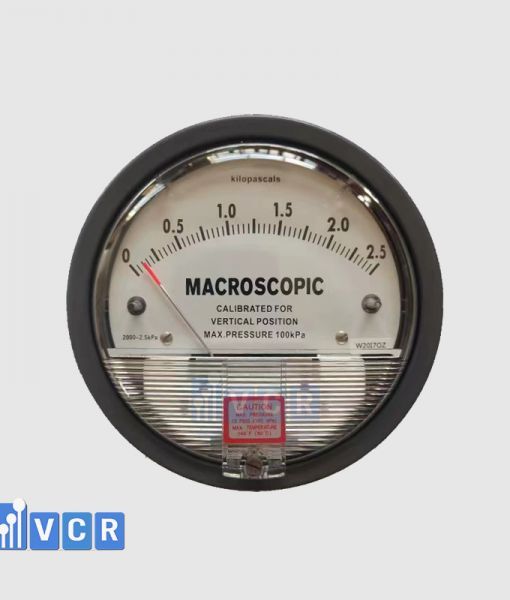
The operating principle of a differential pressure gauge is based on comparing the pressure between two different points through two pressure ports. When a pressure difference occurs, the internal sensing mechanism—often a diaphragm or Magnehelic mechanism—converts the pressure variation into mechanical movement displayed by a pointer on the dial. This allows operators to read the differential pressure value in real time. In modern cleanroom design, VCR Cleanroom Equipment typically selects high-sensitivity gauges capable of detecting even small pressure changes of only a few Pascal to ensure that the HVAC system operates within the required specifications.
What is the role of a differential pressure gauge in a cleanroom?
A differential pressure gauge serves as an essential monitoring tool for maintaining the pressure structure of a cleanroom. Standards such as ISO 14644 and GMP require different cleanroom zones to maintain specific pressure differentials, typically around 10–15 Pa between adjacent areas. If pressure differences are not properly maintained, airflow direction may reverse and carry dust or microorganisms into critical production zones. Therefore, these devices are installed at key locations within a facility. Solutions from VCR Cleanroom Equipment commonly integrate differential pressure gauges to help factories continuously monitor pressure conditions during operation.
When should a cleanroom differential pressure gauge be used?
Differential pressure gauges are used in most cleanroom systems that require airflow control between areas of different cleanliness classifications. For example, in pharmaceutical manufacturing, compounding areas, packaging zones, and clean corridors all require pressure control to prevent cross-contamination. These devices are also widely used in laboratories, electronics factories, hospital operating rooms, and food processing facilities. During cleanroom design, providers such as VCR Cleanroom Equipment typically determine the installation locations for differential pressure gauges during the HVAC design stage to ensure stable system operation.
What is cleanroom pressure differential?
Cleanroom pressure differential refers to the difference in air pressure between two adjacent areas within a cleanroom system. The purpose of creating a pressure differential is to control airflow direction, preventing dust, microorganisms, or airborne particles from entering cleaner zones. Typically, higher-grade cleanrooms maintain positive pressure relative to surrounding areas so that air flows outward when doors open. Differential pressure gauges are used to monitor this pressure difference in real time. In cleanroom projects implemented by VCR Cleanroom Equipment, pressure differential is a critical parameter that is carefully controlled.
For more information:
What is positive pressure in a cleanroom?
Positive pressure in a cleanroom refers to a condition where the air pressure inside the room is higher than in surrounding areas. When doors open, airflow moves outward from the cleanroom, preventing dust or microorganisms from entering the production environment. This principle is widely applied in pharmaceutical cleanrooms, electronics manufacturing, and hospital operating rooms. Differential pressure gauges display the pressure difference to ensure positive pressure is maintained according to design requirements. In many systems supplied by VCR Cleanroom Equipment, differential pressure gauges are installed near doors so staff can easily verify pressure conditions.
What is negative pressure in a cleanroom?
Negative pressure occurs when the air pressure inside a room is lower than the surrounding environment. In this case, air flows into the room when doors open. Negative pressure configurations are commonly used in chemical processing areas, microbiology laboratories, or zones where hazardous substances may be present. Differential pressure gauges help monitor negative pressure levels to ensure contaminants do not escape into the surrounding environment. In specialized cleanroom systems, VCR Cleanroom Equipment often uses differential pressure gauges to continuously monitor the stability of negative pressure conditions.
What is the typical pressure differential in cleanrooms?
In many cleanroom designs, the standard pressure differential between adjacent areas is typically maintained at around 10–15 Pascal. This level is sufficient to create stable airflow from cleaner areas to less clean areas without disrupting personnel movement or equipment operation. However, the exact value may vary depending on standards such as GMP, ISO 14644, or specific production requirements. Differential pressure gauges allow technicians to quickly check this parameter during operation. In many cleanroom projects, VCR Cleanroom Equipment recommends pressure differential values suitable for each type of manufacturing facility.
Where are differential pressure gauges typically installed in cleanrooms?
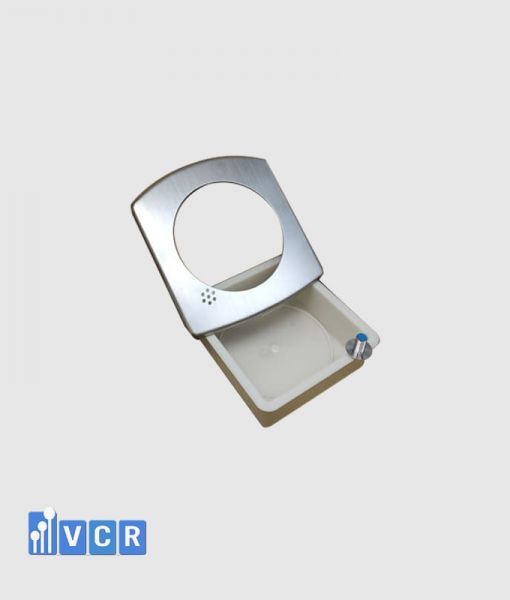
Differential pressure gauges are typically installed at locations where pressure differences between areas need to be monitored. Common locations include cleanroom doors, airlocks, pass boxes, and corridors connecting different rooms. Installing gauges at these points allows operators to easily observe pressure values and quickly detect abnormal changes. In some systems, gauges may also be connected to centralized monitoring systems. In many technical projects, VCR Cleanroom Equipment determines gauge installation locations during the cleanroom design phase to ensure effective pressure monitoring.
What types of differential pressure gauges are used in cleanrooms?
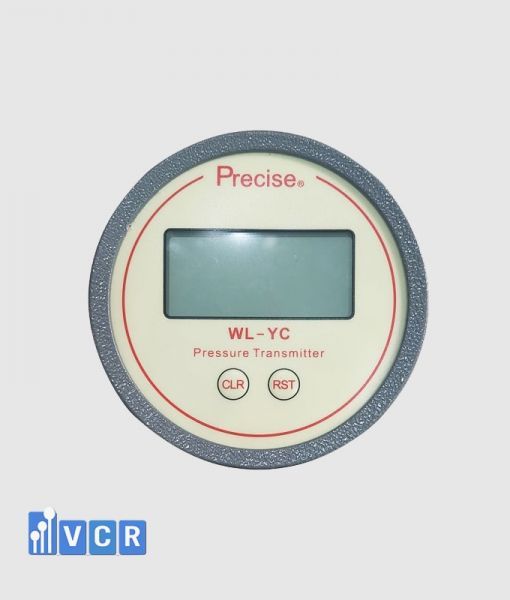
Cleanroom differential pressure gauges come in several types depending on their measurement principle and display format. The most common type is the mechanical dial gauge, which typically uses a Magnehelic mechanism to display pressure differences directly on the dial. Electronic differential pressure gauges are also widely used, especially in systems that require data transmission to central monitoring systems. Some models include alarm functions when pressure exceeds predefined limits. Depending on the scale of the facility and automation requirements, VCR Cleanroom Equipment can recommend suitable gauges for HVAC systems and operational needs.
Why is continuous pressure monitoring important in cleanrooms?
Continuous monitoring of pressure differentials ensures that the cleanroom pressure structure remains stable throughout production operations. If the pressure differential falls below design limits, airflow direction may reverse and cause cross-contamination between zones. This risk is particularly critical in pharmaceutical or medical device manufacturing. Differential pressure gauges provide immediate visual feedback so operators can adjust the HVAC system promptly. In many modern facilities, solutions from VCR Cleanroom Equipment enable continuous pressure monitoring to ensure compliance with GMP or ISO standards.
How are differential pressure gauges related to HVAC systems?
HVAC systems are responsible for creating and maintaining pressure differentials in cleanrooms by controlling supply and return airflow rates. Differential pressure gauges monitor the results of this control process. If the HVAC system operates correctly, the gauge will display stable pressure values according to the design specification. When issues occur—such as clogged filters or unstable fan performance—the pressure differential will change, alerting technicians to inspect the system. In many cleanroom projects, VCR Cleanroom Equipment integrates HVAC design with differential pressure monitoring to ensure effective environmental control.
Do differential pressure gauges require calibration?
Like many measurement instruments, differential pressure gauges require periodic inspection and calibration to ensure measurement accuracy. Calibration is typically performed using reference pressure devices to compare and adjust any deviation in readings. In pharmaceutical or medical device manufacturing environments, calibration procedures are often documented as part of quality assurance systems to comply with GMP requirements. Solution providers such as VCR Cleanroom Equipment generally recommend regular maintenance and calibration schedules for differential pressure monitoring systems in cleanrooms.
Can differential pressure gauges help detect system failures?
Differential pressure gauges can serve as early warning tools for potential failures in cleanroom systems. When HEPA filters become clogged, fans operate abnormally, or doors remain open for extended periods, pressure differences between zones will change. Operators can detect these changes by observing the differential pressure gauge and promptly inspect the system. As a result, many problems can be addressed before they impact production conditions. In many facilities, VCR Cleanroom Equipment integrates differential pressure gauges as part of the operational monitoring system.
How is a differential pressure gauge different from a regular pressure gauge?
A regular pressure gauge measures pressure at a single point relative to atmospheric pressure. In contrast, a differential pressure gauge is designed to measure the pressure difference between two separate points. This function is especially important in cleanrooms where pressure differences between rooms must be controlled. Because it directly measures pressure differences, the differential pressure gauge provides more accurate information for controlling airflow direction. In many cleanroom systems, VCR Cleanroom Equipment uses specialized differential pressure gauges to ensure accurate environmental monitoring.
Does a differential pressure gauge affect product quality?
Although the differential pressure gauge itself does not directly participate in the production process, it plays a critical role in maintaining a controlled environment. If pressure differences between areas are not properly maintained, dust or microorganisms may enter production zones and compromise product quality. For this reason, the device is considered part of the environmental control system in manufacturing facilities. In pharmaceutical and electronics cleanroom projects, VCR Cleanroom Equipment integrates differential pressure gauges to help companies maintain stable production conditions.
Are differential pressure gauges mandatory in cleanrooms?
In many cleanroom standards such as GMP and ISO 14644, controlling pressure differentials between areas is an important requirement. To monitor this parameter, differential pressure gauges are commonly installed at key locations within cleanroom systems. While standards may not always specify the exact type of instrument required, having a device that measures and monitors pressure differential is necessary to demonstrate environmental control. In practical implementation, solution providers such as VCR Cleanroom Equipment typically consider differential pressure gauges as fundamental components of cleanroom systems.
How do you read values on a differential pressure gauge?
Differential pressure gauges typically display values on a dial in units such as Pascal or kilopascal. The pointer indicates the pressure difference between the two connected zones. When the pointer remains within the designated operating range, the system is considered to be functioning normally. If the value drops below or exceeds the specified range, technicians should inspect the HVAC system or check door conditions. In many cleanroom systems implemented by VCR Cleanroom Equipment, gauges are installed at easily visible locations to help operators quickly monitor pressure conditions.
Can differential pressure gauges be connected to monitoring systems?
In addition to traditional mechanical gauges, many modern cleanroom systems use electronic differential pressure gauges that can transmit signals to centralized monitoring systems. This allows pressure differential data to be continuously recorded and displayed on control screens. Such systems help facilities monitor pressure trends and detect abnormalities in HVAC operation. In large-scale cleanroom projects, VCR Cleanroom Equipment often recommends integrating differential pressure gauges with monitoring systems to enhance environmental control.
Why are differential pressure gauges considered essential cleanroom devices?
Differential pressure gauges are considered fundamental cleanroom devices because they help maintain the pressure structure that underpins cleanroom design. When pressure differentials are maintained correctly, airflow moves in the intended direction and prevents contamination from spreading to critical areas. These devices provide a simple and direct way for operators to verify system conditions at any time. For this reason, most cleanrooms install differential pressure gauges at key locations. In technical solutions provided by VCR Cleanroom Equipment, this device is always considered an essential component of environmental control systems.
DAP