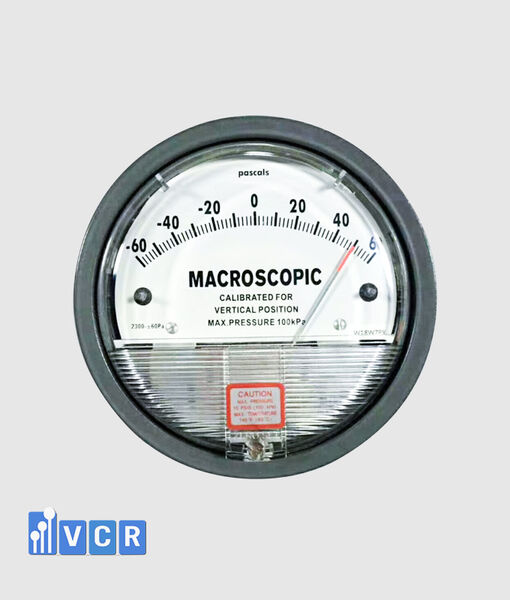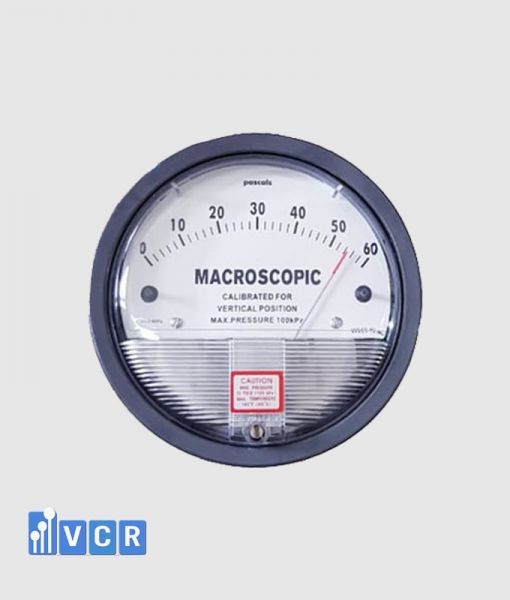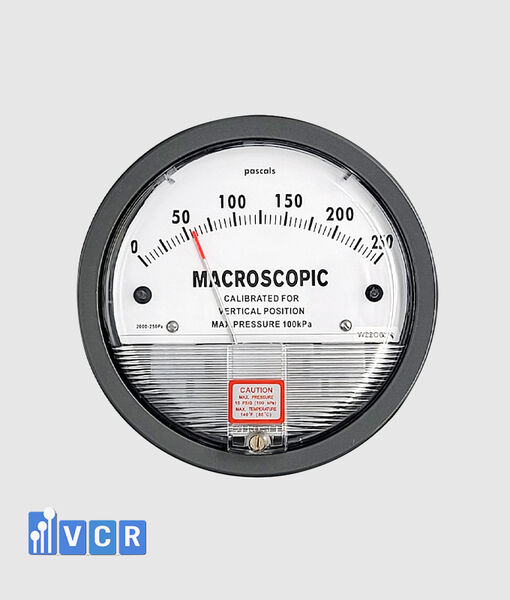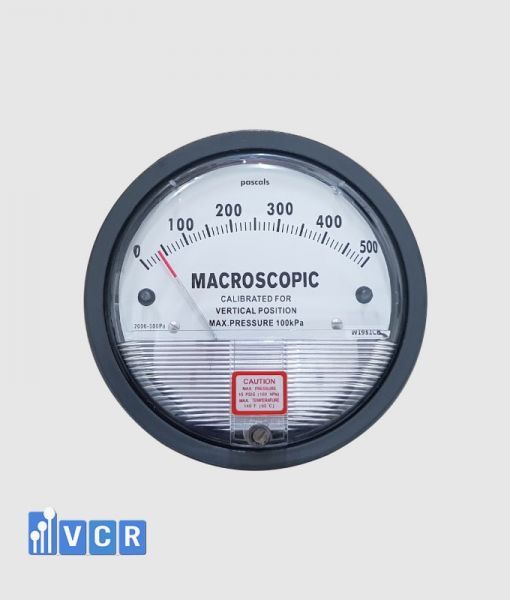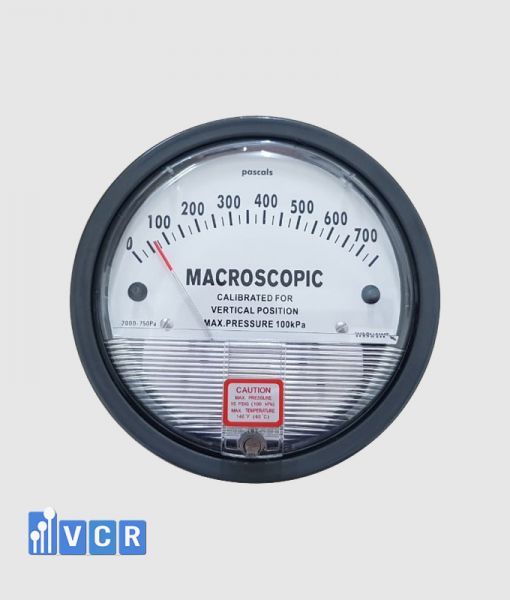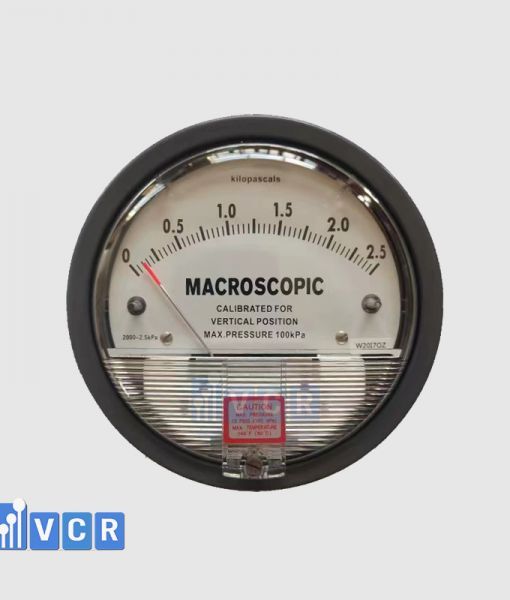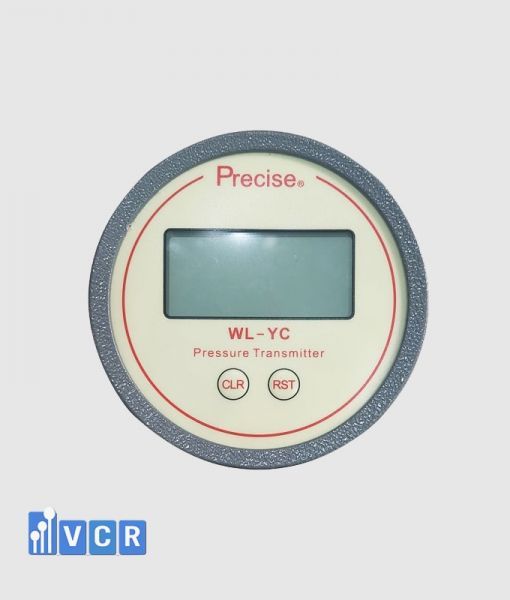


In cleanroom systems, differential pressure gauges monitor pressure differences between controlled areas to maintain proper airflow direction. When abnormal readings occur, identifying the cause quickly is essential to maintain stable environmental conditions and avoid contamination risks.
- Why does the differential pressure gauge show no reading?
- Why does the pointer not move?
- Why does the pointer fluctuate continuously?
- Why does the displayed pressure differ from the design value?
- How can a differential pressure gauge be checked quickly?
- Why does the gauge show a negative pressure value?
- Why does the pointer not return to zero?
- Why is the gauge display window cloudy?
- Why does the gauge respond slowly to pressure changes?
- Why does the pressure reading suddenly drop?
- Why does the gauge display an unusually high value?
- Why does the gauge trigger an alarm?
- Why does pressure tubing become blocked?
- Why does the gauge vibrate during system operation?
- When should technical support be called?
- Can a differential pressure gauge fail completely?
- Can problems be diagnosed without removing the gauge?
- Why are pressure readings unstable?
- Why do two differential pressure gauges show different values?
- How can the risk of gauge failure be reduced?
In pharmaceutical, electronics, and food cleanroom facilities, differential pressure gauges are used to monitor pressure differences between rooms to maintain proper airflow direction and prevent contamination. During operation, the instrument may occasionally show abnormal readings such as a stationary pointer, unstable values, or incorrect pressure display. In many cleanroom projects, solutions from Vietnam Cleanroom Equipment VCR are implemented to ensure stable pressure monitoring. The following FAQ addresses common troubleshooting situations related to differential pressure gauges.
Why does the differential pressure gauge show no reading?
If a differential pressure gauge shows no reading, the most common reason is that there is no pressure difference between the two measurement points. This may occur when the HVAC system is stopped and pressure equalizes between rooms.
Another possible cause is blocked or disconnected pressure tubing. If air cannot reach the gauge through the tubing, the instrument will not display a pressure difference. Checking tubing connections and confirming HVAC operation are usually the first diagnostic steps.
Why does the pointer not move?
A pointer that does not move may indicate two different situations. First, the pressure difference may be extremely stable, resulting in little or no change in the gauge reading.
Second, the instrument may have a mechanical issue or blocked pressure tubing. If the pointer remains fixed for a long period while system conditions change, the gauge and tubing should be inspected.
Why does the pointer fluctuate continuously?
Continuous pointer fluctuation usually indicates unstable pressure conditions in the cleanroom system. This may occur when cleanroom doors are opened frequently or when the HVAC system is adjusting airflow.
Mechanical vibration from nearby equipment may also cause the pointer to oscillate. If the fluctuation becomes excessive or persistent, the installation location and tubing system should be checked.
Why does the displayed pressure differ from the design value?
If the gauge displays values that differ from the design pressure of the cleanroom, the instrument may have drifted out of calibration over time.
Another possibility is a change in the HVAC system, such as clogged HEPA filters or reduced airflow. Both the measurement device and the ventilation system should be evaluated to determine the cause.
How can a differential pressure gauge be checked quickly?
A simple diagnostic method is to observe the gauge response when a door between two cleanroom areas is opened and closed. When the door opens, the pressure difference usually decreases and the pointer should move.
If the pointer does not respond to this pressure change, there may be an issue with the instrument or pressure tubing. This quick test is commonly used during routine cleanroom operation.
Why does the gauge show a negative pressure value?
Some differential pressure gauges include scales that allow negative readings. This occurs when the pressure at the low-pressure port becomes higher than the pressure at the high-pressure port.
This situation may result from reversed tubing connections or changes in airflow patterns within the cleanroom ventilation system.
Why does the pointer not return to zero?
If the pointer does not return to zero when there is no pressure difference, the internal mechanical system of the gauge may be misaligned or stuck.
In this situation, the instrument should be inspected and recalibrated to restore accurate measurement.
Why is the gauge display window cloudy?
A cloudy display window may be caused by dust accumulation, humidity, or improper cleaning methods. Although this issue does not directly affect measurement accuracy, it can make readings difficult to observe.
Routine cleaning of the external surface helps maintain visibility of the display.
Why does the gauge respond slowly to pressure changes?
Slow response may occur when pressure tubing is excessively long or partially blocked. In such cases, pressure changes are not transmitted immediately to the instrument.
Inspecting the tubing condition and length can help resolve this problem.
Why does the pressure reading suddenly drop?
A sudden drop in differential pressure usually occurs when a cleanroom door is opened or when the HVAC system experiences an operational issue.
If the drop occurs without obvious changes in system activity, fans, filters, or airflow balance should be inspected.
Why does the gauge display an unusually high value?
Excessively high pressure readings may occur when airflow increases significantly in the HVAC system or when airflow paths become partially blocked.
Inspection of the ventilation system and airflow balance may help identify the root cause.
Why does the gauge trigger an alarm?
In some monitoring systems, differential pressure gauges are connected to alarm systems. When the pressure exceeds defined limits, an alarm signal may be triggered.
This warning allows operators to quickly detect environmental changes and initiate corrective actions.
Why does pressure tubing become blocked?
Pressure tubing may become blocked due to dust, moisture, or small airborne particles. When tubing becomes blocked, pressure cannot be transmitted correctly to the gauge.
Periodic inspection and cleaning of tubing can reduce the risk of this issue.
Why does the gauge vibrate during system operation?
Vibration from HVAC equipment or nearby machinery may affect pointer stability. Even when pressure is stable, vibration may cause the pointer to oscillate slightly.
Ensuring the instrument is securely mounted and positioned away from vibration sources can reduce this effect.
When should technical support be called?
Technical support should be contacted when the gauge displays incorrect readings, fails to respond to pressure changes, or shows signs of mechanical damage.
Attempting to repair the instrument without proper tools or training may affect measurement accuracy.
Can a differential pressure gauge fail completely?
Although mechanical gauges are generally reliable, they may fail due to physical damage, aging components, or severe vibration.
If the instrument does not respond to pressure changes, replacement may be necessary.
Can problems be diagnosed without removing the gauge?
In many cases, troubleshooting can be performed by observing pointer behavior and checking pressure tubing connections.
Only when deeper inspection or recalibration is required does the gauge need to be removed from its installation location.
Why are pressure readings unstable?
Unstable readings may occur due to fluctuating airflow in the HVAC system or frequent door openings in the cleanroom.
Mechanical vibration or instrument wear may also contribute to unstable readings.
Why do two differential pressure gauges show different values?
If two gauges display different readings, one of the instruments may be out of calibration or measuring a different pressure reference.
Comparing both devices with a reference instrument can help determine which gauge is inaccurate.
How can the risk of gauge failure be reduced?
Regular maintenance and inspection of pressure tubing are the most effective ways to reduce the risk of instrument failure.
Proper installation and selecting reliable equipment also contribute to stable long-term operation of the pressure monitoring system.