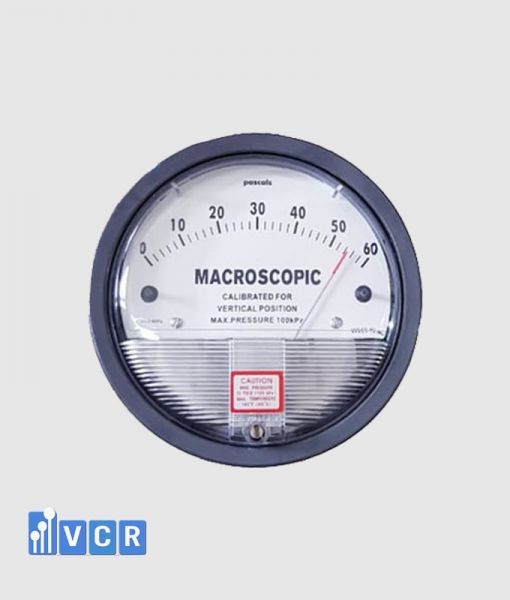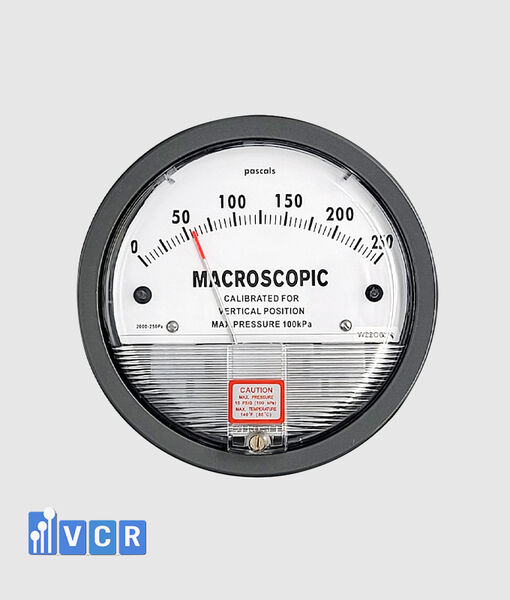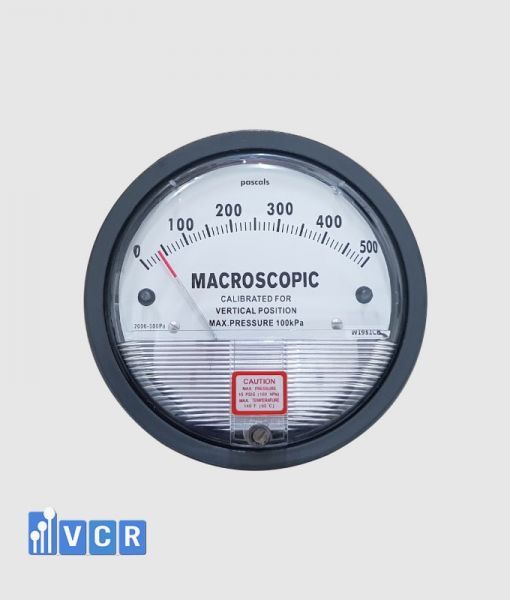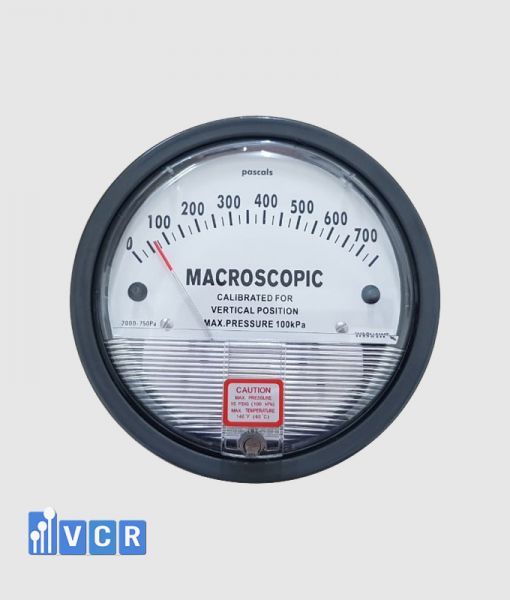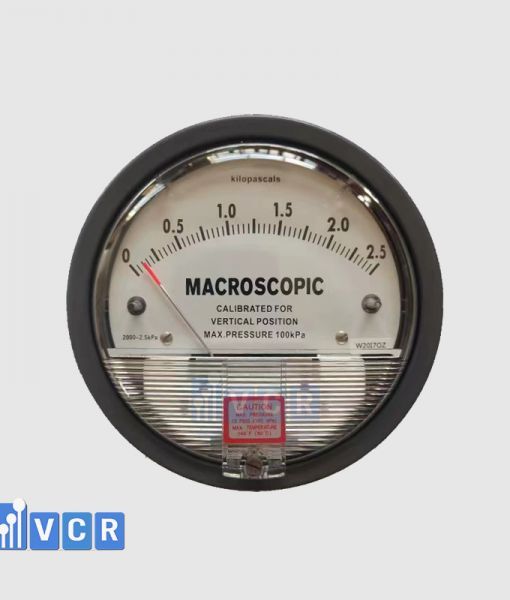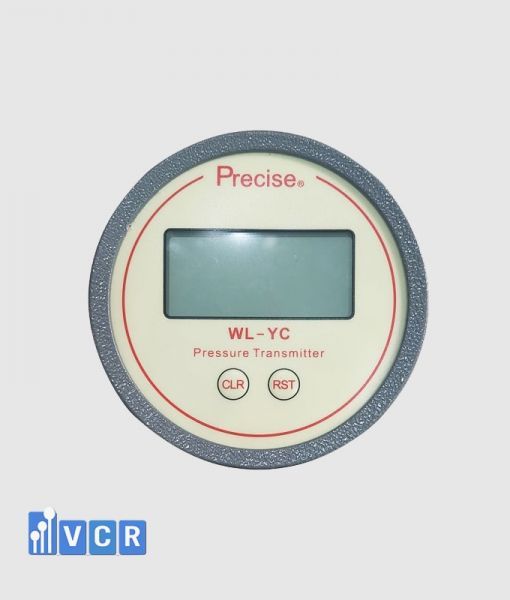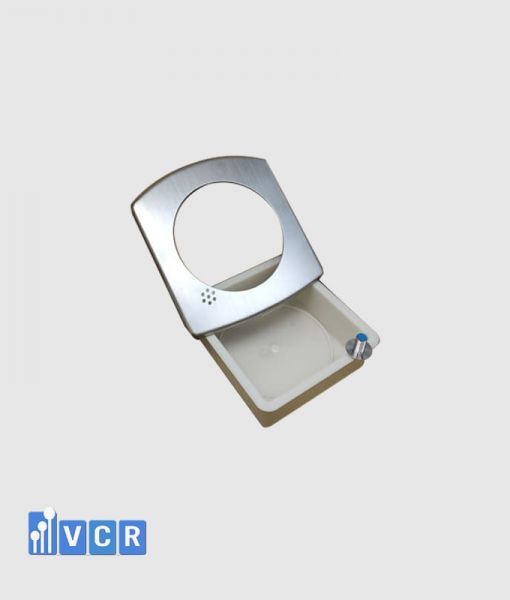

In cleanroom systems, differential pressure gauges are critical monitoring devices used to maintain pressure differences between controlled areas. Regular maintenance ensures measurement accuracy and helps maintain stable HVAC performance in GMP and ISO cleanroom facilities.
- How often should a differential pressure gauge be maintained?
- Why is periodic maintenance necessary for differential pressure gauges?
- What are the typical steps in periodic inspection?
- Which parts of the differential pressure gauge should be inspected?
- When should a differential pressure gauge be calibrated?
- What are the signs that a gauge requires servicing?
- Does a differential pressure gauge require regular cleaning?
- Should pressure tubing be inspected during maintenance?
- What happens if the gauge is not maintained?
- What should be included in a differential pressure gauge maintenance checklist?
- Is it necessary to record maintenance history?
- Should differential pressure gauges be replaced periodically?
- When should pressure tubing be replaced?
- Does the system need to be shut down during maintenance?
- Who should perform differential pressure gauge maintenance?
- Does gauge maintenance affect the HVAC system?
- Should the gauge be checked after maintenance?
- Can vibration affect differential pressure gauges?
- Is maintenance necessary even if the system operates normally?
- Why is differential pressure gauge maintenance considered part of cleanroom control?
In pharmaceutical, electronics, food, and cosmetics manufacturing facilities, differential pressure gauges are used to monitor pressure differences between rooms to maintain proper airflow direction. To ensure long-term accuracy, the instrument must be inspected and maintained regularly. During cleanroom system implementation, many facilities use engineering solutions from Vietnam Cleanroom Equipment VCR to ensure reliable pressure monitoring. The following FAQ explains common maintenance and servicing questions related to these instruments.
How often should a differential pressure gauge be maintained?
The maintenance interval for a differential pressure gauge depends on the operating environment and the quality management requirements of the facility. In GMP or ISO-compliant facilities, gauges are typically inspected every 6 to 12 months.
Regular maintenance helps ensure that the instrument remains accurate and is not affected by dust, vibration, or mechanical drift. In critical cleanroom areas, inspection frequency may be increased to ensure continuous environmental monitoring reliability.
Why is periodic maintenance necessary for differential pressure gauges?
Differential pressure gauges are mechanical measuring devices that may experience drift over time due to vibration, temperature changes, or environmental influences. Without periodic inspection, the displayed value may gradually lose accuracy.
Incorrect pressure readings may lead to misinterpretation of cleanroom environmental conditions. This could affect contamination control and overall product quality, making maintenance an important part of facility equipment management.
What are the typical steps in periodic inspection?
Routine inspection typically includes checking the external condition of the gauge, observing pointer stability, and inspecting the pressure tubing.
Technicians may also verify that the displayed value is reasonable compared with the designed pressure difference for the cleanroom. In some cases, comparison with a reference measurement device may be performed to determine measurement deviation.
Which parts of the differential pressure gauge should be inspected?
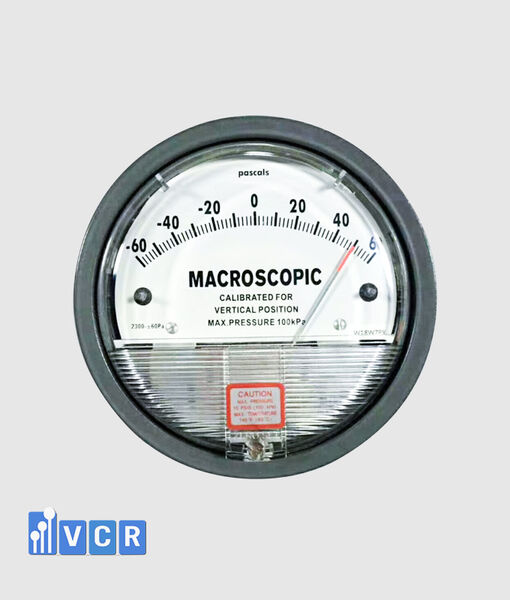
Key components to inspect include the display window, pointer mechanism, housing, and pressure tubing connections.
Pressure lines should be checked to ensure they are not blocked or leaking. Ensuring tight and secure connections is important so that the gauge accurately reflects the pressure difference between two areas.
When should a differential pressure gauge be calibrated?
Calibration is usually performed at scheduled intervals or whenever measurement accuracy is in doubt. In many quality systems, gauges are calibrated once per year.
Calibration confirms that the measurement values remain within acceptable error limits. This procedure is normally performed by certified calibration laboratories or qualified technical teams.
What are the signs that a gauge requires servicing?
Signs that the gauge may require servicing include unstable pointer movement, inconsistent readings, or the pointer failing to return to zero when no pressure difference is present.
Other indicators may include a cloudy display window or loose connections. These conditions may affect the ability to read or measure pressure accurately.
Does a differential pressure gauge require regular cleaning?
Although the gauge does not come into direct contact with production materials, periodic cleaning of the external surface is recommended.
Cleaning helps maintain visibility of the display window and supports general hygiene standards within the cleanroom environment.
Should pressure tubing be inspected during maintenance?
Pressure tubing is an important component of the differential pressure measurement system. If the tubing becomes blocked, damaged, or leaking, measurement accuracy may be affected.
During maintenance, technicians typically check that the tubing is clear and that all connections remain secure.
What happens if the gauge is not maintained?
If the instrument is not maintained regularly, measurement accuracy may degrade over time. This could prevent operators from detecting pressure changes within the cleanroom.
In industries requiring strict environmental control, such as pharmaceuticals or semiconductor manufacturing, inaccurate pressure monitoring may increase the risk of contamination or process deviations.
What should be included in a differential pressure gauge maintenance checklist?
A maintenance checklist typically includes inspection of the housing condition, display window clarity, pointer movement, and pressure tubing condition.
The checklist may also include comparing readings with a reference instrument and recording the inspection results in maintenance documentation.
Is it necessary to record maintenance history?
In regulated manufacturing environments, documenting maintenance history is an essential requirement. These records help track equipment performance throughout its lifecycle.
Maintenance records also demonstrate compliance with quality management systems during GMP or ISO inspections.
Should differential pressure gauges be replaced periodically?
Many differential pressure gauges can operate reliably for many years. However, some facilities implement scheduled replacement policies to minimize measurement risk.
Replacing older instruments helps maintain reliable pressure monitoring and reduces the chance of measurement drift.
When should pressure tubing be replaced?
Pressure tubing should be replaced when signs of aging, damage, or leakage appear. These issues may cause inaccurate pressure readings.
Routine inspection helps identify such conditions early before they affect environmental monitoring performance.
Does the system need to be shut down during maintenance?
Basic maintenance tasks such as external inspection or cleaning may be performed without shutting down the system.
However, if the gauge needs to be removed or the pressure tubing inspected internally, isolating the measurement points or temporarily stopping the system may be required.
Who should perform differential pressure gauge maintenance?
Basic inspection may be performed by in-house technical staff. However, calibration or verification tasks are typically conducted by qualified calibration service providers.
This ensures that the instrument meets technical standards and maintains measurement accuracy.
Does gauge maintenance affect the HVAC system?
Maintenance of the gauge itself typically does not affect HVAC system operation. However, proper maintenance ensures that the pressure monitoring system remains reliable.
Accurate monitoring helps confirm that the HVAC system maintains the designed pressure cascade within the cleanroom.
Should the gauge be checked after maintenance?
After maintenance or calibration, the instrument should be verified to ensure that it displays accurate readings.
This confirmation ensures that the gauge is ready to monitor environmental conditions during production operations.
Can vibration affect differential pressure gauges?
Vibration from mechanical equipment or HVAC systems may influence pointer stability and long-term measurement accuracy.
Periodic inspection helps identify potential vibration-related effects and ensures the instrument remains reliable.
Is maintenance necessary even if the system operates normally?
Preventive maintenance should still be performed even when the system appears to operate normally. Regular inspection helps confirm measurement accuracy.
Preventive maintenance often detects potential issues early before they develop into operational problems.
Why is differential pressure gauge maintenance considered part of cleanroom control?
Cleanroom pressure is a critical parameter used to control airflow direction and prevent contamination transfer between areas.
Maintaining the pressure monitoring instrument ensures that the cleanroom pressure cascade is accurately monitored, helping maintain stable environmental conditions throughout production.
DAP