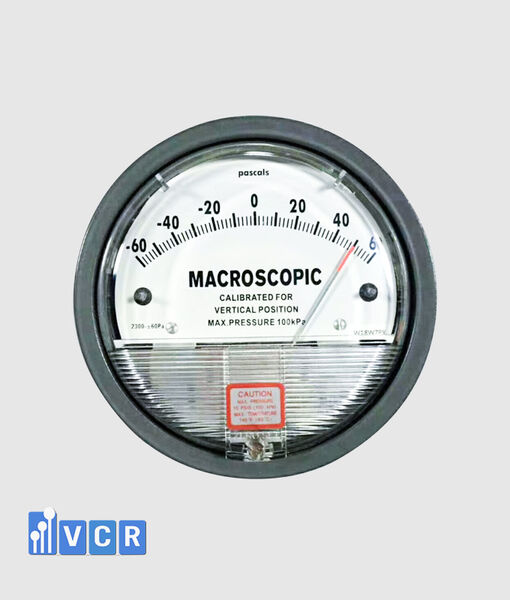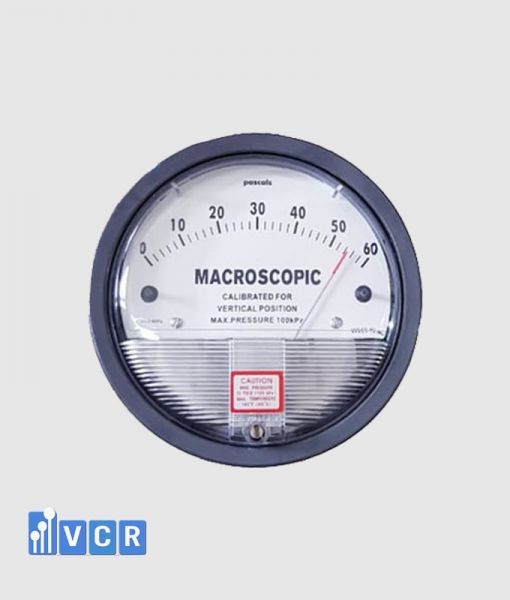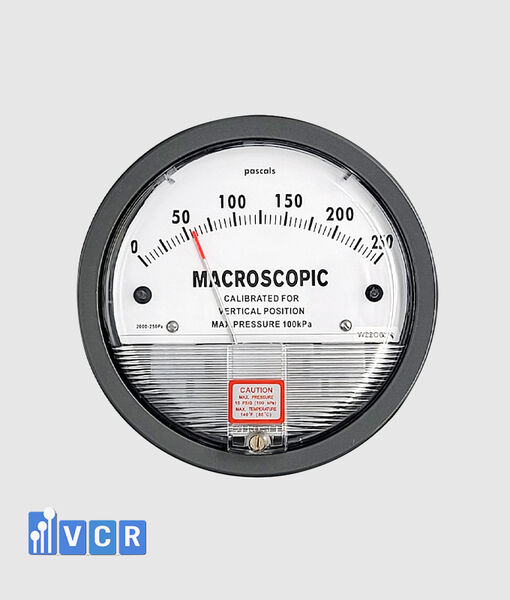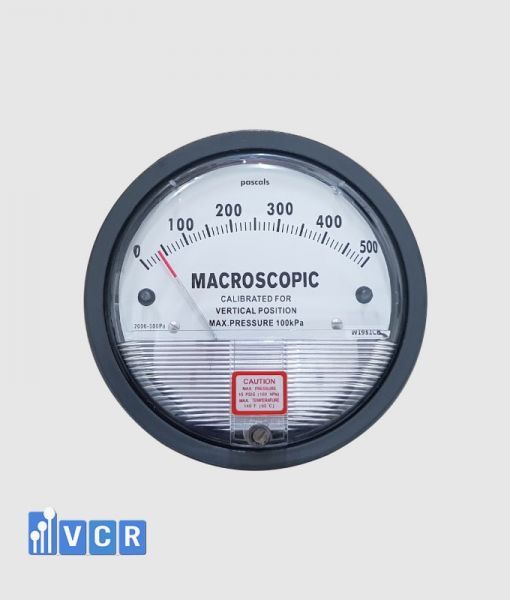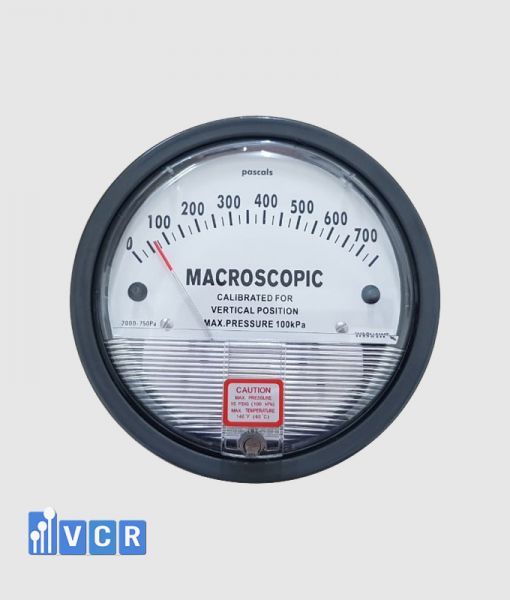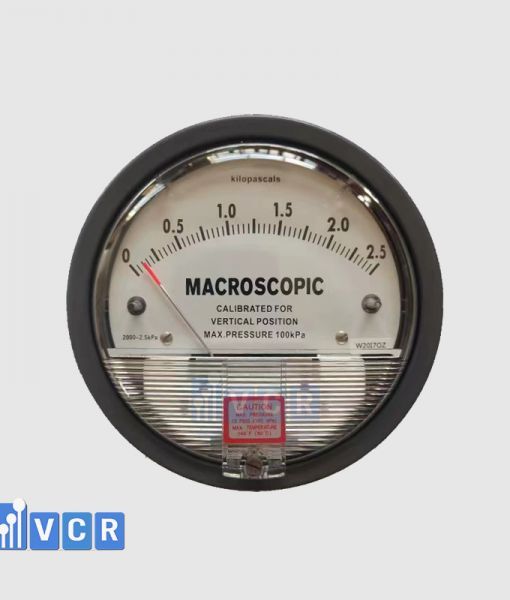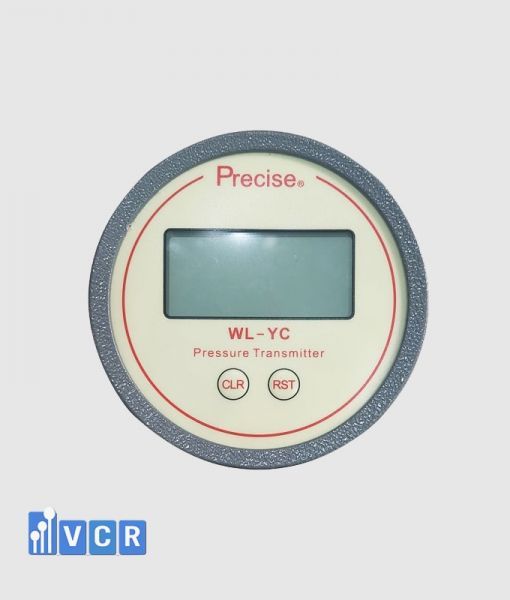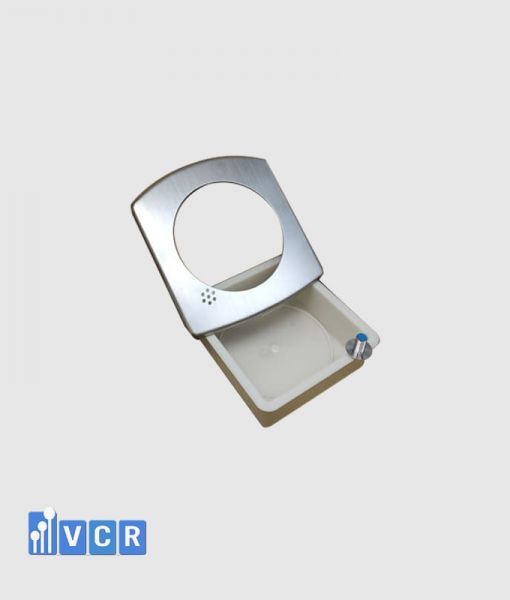

In pharmaceutical manufacturing facilities, differential pressure gauges are critical instruments used to monitor pressure differences between cleanroom areas. During GMP audits, these instruments and their documentation are often reviewed to ensure environmental control systems are operating according to regulatory requirements.
- Are differential pressure gauges inspected during GMP audits?
- What information do auditors typically check on the instrument?
- Does a differential pressure gauge require an SOP?
- What equipment documentation should be prepared for an audit?
- Is calibration documentation required for differential pressure gauges?
- Do auditors check the installation location of the gauge?
- Should differential pressure readings be recorded in logs?
- Do auditors verify pressure limits between cleanroom areas?
- What common audit findings are related to differential pressure gauges?
- Do differential pressure gauges require equipment identification numbers?
- Should differential pressure gauges be included in the measuring equipment list?
- Can auditors request a demonstration of gauge operation?
- Is a user manual required for the instrument?
- Are differential pressure gauges verified during cleanroom qualification?
- Are differential pressure gauges connected to monitoring systems?
- Do auditors review operator training related to the instrument?
- What should be checked before a GMP audit?
- Do auditors check calibration labels?
- Should differential pressure gauges be managed within the quality system?
- Why are differential pressure gauges important in GMP audits?
In GMP pharmaceutical manufacturing facilities, differential pressure gauges are used to monitor pressure differences between cleanroom areas to ensure airflow moves from cleaner zones to less clean zones. During many cleanroom projects, solutions from Vietnam Cleanroom Equipment VCR are implemented to support stable environmental monitoring systems that meet quality management requirements. The following FAQ addresses common questions related to GMP audit and compliance for this instrument.
Are differential pressure gauges inspected during GMP audits?
During GMP audits, differential pressure gauges are commonly inspected because they are directly related to environmental control in cleanrooms. Auditors may check the installation location, operational status, and measurement accuracy of the instrument.
They may also review calibration certificates, maintenance records, and pressure monitoring logs to confirm that the environmental control system is functioning according to the facility design.
What information do auditors typically check on the instrument?
Auditors typically examine the equipment label, serial number, installation condition, and operational status of the differential pressure gauge. These details confirm that the instrument is properly managed within the facility’s equipment control system.
In addition, auditors may compare the physical device with the official equipment list maintained within the quality management system.
Does a differential pressure gauge require an SOP?
In many GMP facilities, differential pressure gauges are included in standard operating procedures related to cleanroom environmental monitoring.
The SOP may describe how to check the instrument, how to read pressure values, and what actions should be taken when pressure readings fall outside acceptable limits.
What equipment documentation should be prepared for an audit?
Typical documentation for differential pressure gauges includes calibration certificates, maintenance history, user manuals, and operational records.
These documents demonstrate that the instrument is properly controlled and maintained according to the facility’s quality management procedures.
Is calibration documentation required for differential pressure gauges?
Within GMP systems, most measurement instruments require periodic calibration, and differential pressure gauges are no exception.
Calibration certificates confirm that the instrument continues to operate within acceptable measurement tolerance limits.
Do auditors check the installation location of the gauge?
Yes, the installation location is often reviewed during an audit. The gauge should be positioned where operators can easily observe the pressure readings.
In addition, the installation location should align with the cleanroom HVAC design and facility layout.
Should differential pressure readings be recorded in logs?
In many pharmaceutical facilities, differential pressure values are recorded in logbooks or environmental monitoring systems.
These records help demonstrate that environmental conditions remain controlled throughout production activities.
Do auditors verify pressure limits between cleanroom areas?
Auditors often verify whether pressure limits between cleanroom zones are clearly defined.
These limits are usually specified in cleanroom design documentation or environmental monitoring SOPs.
What common audit findings are related to differential pressure gauges?
Common audit findings include expired calibration certificates, incomplete maintenance records, or unclear equipment identification labels.
In some cases, missing pressure monitoring records may also be identified as a compliance issue.
Do differential pressure gauges require equipment identification numbers?
In GMP equipment management systems, each measurement instrument typically has a unique identification number.
This identification allows the facility to track maintenance, calibration, and operational history.
Should differential pressure gauges be included in the measuring equipment list?
In many quality management systems, differential pressure gauges are included in the facility’s list of measuring or environmental monitoring instruments.
This list allows the facility to manage calibration and maintenance activities systematically.
Can auditors request a demonstration of gauge operation?
In some audits, inspectors may ask operators to explain how the instrument is read or how it responds to pressure changes.
This helps verify that personnel understand how to use the instrument correctly.
Is a user manual required for the instrument?
User manuals are usually maintained in the equipment documentation files or within the facility’s technical documentation system.
These documents allow personnel to reference operating information when necessary.
Are differential pressure gauges verified during cleanroom qualification?
During cleanroom qualification, differential pressure gauges are often verified to confirm that the HVAC system maintains the designed pressure cascade.
This verification may occur during operational qualification or performance qualification stages.
Are differential pressure gauges connected to monitoring systems?
In many modern facilities, differential pressure gauges may be integrated into environmental monitoring systems.
These systems can record pressure data continuously and generate alerts when pressure deviates from acceptable limits.
Do auditors review operator training related to the instrument?
Auditors may review operator training records to confirm that personnel understand how to monitor cleanroom pressure.
Proper training ensures that the instrument is used correctly during production operations.
What should be checked before a GMP audit?
Before an audit, facilities typically verify that differential pressure gauges are functioning properly, calibration is valid, and equipment documentation is complete.
Performing these checks in advance helps reduce the risk of audit observations.
Do auditors check calibration labels?
Calibration labels attached to the instrument are commonly inspected to verify that the calibration date remains valid.
If labels are missing, unclear, or expired, auditors may request further clarification.
Should differential pressure gauges be managed within the quality system?
In GMP environments, measuring instruments are generally managed within the equipment management program of the quality system.
This ensures that instruments are controlled throughout their lifecycle.
Why are differential pressure gauges important in GMP audits?
Cleanroom pressure is a key parameter used to control airflow and prevent contamination transfer between production areas.
Differential pressure gauges continuously monitor this parameter, making them an essential part of environmental control systems reviewed during GMP inspections.
DAP